

Japanese Tea Farms: How Tea Farmers Grow, Process and Sell Tea in Japan
 Go to Japanese page
The Japanese tea we drink every day begins on the tea farm, where tea farmers cultivate and care for the plants that produce it. When people picture a Japanese tea farmer, they may imagine the spring harvest and the picking of the season’s new tea. In reality, however, the work extends far beyond harvesting. Tea fields require year-round management, and some farmers also process and sell their own tea. In recent years, some have developed more direct connections with consumers through cafés, tea terraces and tea-picking experiences.
At OCHATIMES, a specialist online publication dedicated to Japanese tea, we have visited and reported from tea-growing regions across Shizuoka Prefecture, from mountainous areas to farms on the plains. Through our first-hand reporting, we have found that the term “tea farmer” encompasses a remarkably diverse range of work and business models.
This article begins by looking at what Japanese tea farmers actually do, including year-round tea field management, harvesting and the stages of tea processing. Drawing on our visits to individual farms, we also explore the different ways tea farming businesses operate: from farmers who sell freshly harvested tea leaves or aracha, or unfinished tea produced after the initial processing stages, to those who process and sell their own tea, and others who use the tea fields themselves as places where visitors can experience tea farming first-hand.
What Is a Japanese Tea Farmer? More Than Growing Tea
A Japanese tea farmer cultivates tea plants (Camellia sinensis) in tea fields and produces tea leaves.

However, not every tea farmer processes the leaves grown on their own farm into finished tea and sells it themselves.
Some farmers manage their tea fields and take responsibility for the process up to the point where the freshly harvested tea leaves are delivered to a tea-processing factory. Others have their own processing facilities and produce aracha, or unrefined tea produced after the initial processing stages, from the fresh leaves they harvest. In some regions, several tea farmers jointly operate a processing factory, where the leaves harvested from their respective farms are processed.
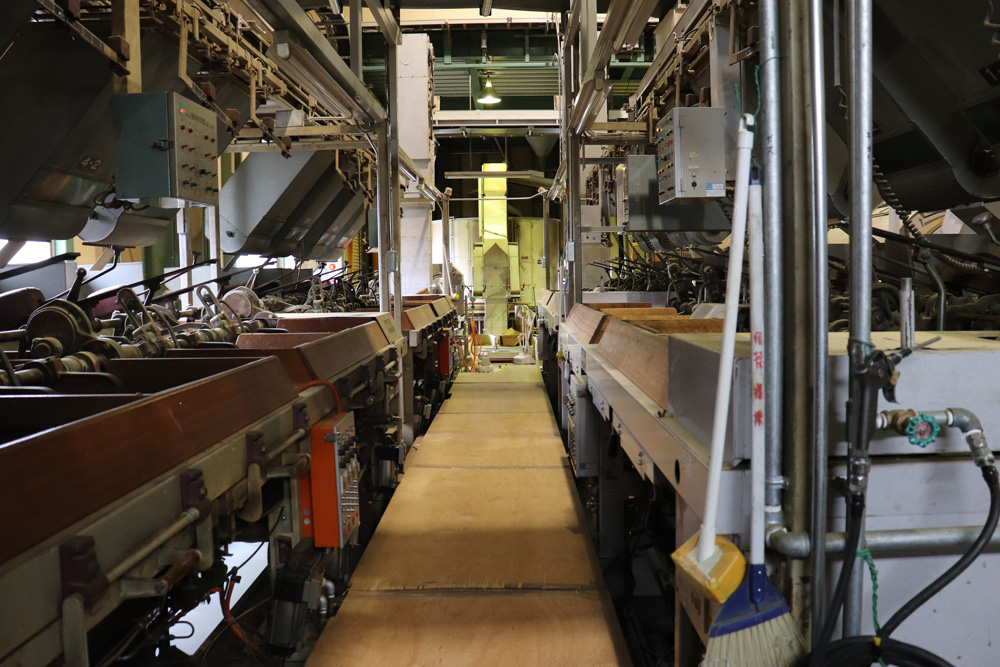
Other farmers handle an even wider range of work themselves, including final processing, product development, packaging, retail and online sales. Some also create places where people can drink tea or experiences that allow visitors to spend time in the tea fields. In other words, the scope of a Japanese tea farm — and the way the business is run — can vary considerably.
Just as important is the question of why each farmer has chosen that particular approach to tea production. Visiting tea farms in person reveals how much diversity exists within the single term “tea farmer”: some place particular emphasis on cultivation, some also take responsibility for processing, while others extend their work into sales and creating experiences that bring consumers closer to tea.
A Year on a Japanese Tea Farm: More Than Just Harvesting
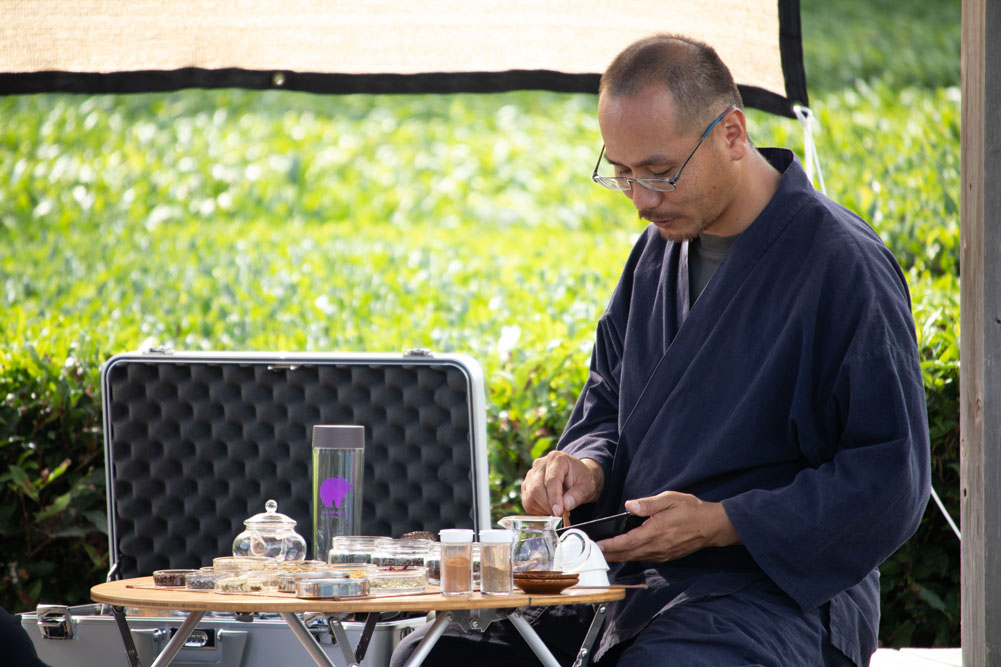
Throughout the year, tea farmers monitor the condition of their tea plants and carry out a range of work in the fields, including trimming and pruning, applying fertiliser, managing pests and diseases, and maintaining the areas around the tea fields.
By creating the right conditions for healthy new shoots to develop, they prepare for the spring harvest of ichibancha, the first tea crop of the year. The first harvest is one of the most significant moments in the annual cycle, reflecting the results of the work carried out in the tea fields throughout the year.
However, not every Japanese tea farm harvests its tea leaves the same number of times. Whether a second crop, known as nibancha, is harvested after ichibancha, as well as the timing and frequency of harvesting, varies according to the region, tea cultivar and the farm’s approach to its business.
The type of tea produced from each harvest also differs depending on the production area and the decisions made by individual tea farmers.

How Do Tea Farmers Decide When to Harvest? Judging the Right Time to Pick New Shoots
As spring arrives and new shoots begin to emerge, tea farmers assess their size and tenderness, along with the weather and other conditions, to decide when harvesting should begin. The condition of the tea leaves varies depending on when they are picked.
Harvesting while the shoots are still young produces tender, freshly harvested tea leaves. Waiting longer allows the shoots to grow and increases the yield, but the leaves also become firmer as they mature.

The timing of new growth also differs between tea cultivars. Altitude, temperature, sunlight and the weather in a particular year can all affect how the shoots develop. For this reason, tea farmers do not simply begin harvesting because the new-tea season has arrived.
Instead, they examine the actual condition of the tea fields and the developing shoots, considering both the quality of the fresh leaves and the kind of tea they want to produce before deciding when to harvest.

How Location and Farm Size Shape Tea Harvesting: Hand-Picking and Machine Harvesting
Shizuoka Prefecture is home to tea-growing regions in mountainous areas such as Kawane, Honyama and Ryogouchi, as well as areas such as Makinohara, where tea fields extend across a broad plateau. Even among Japanese tea farms, the nature of the work can vary considerably depending on the location and scale of the tea fields.
There is also more than one way to harvest tea. Alongside tezumi, or hand-picking, in which the shoots are picked by hand, farmers also use harvesting machines, including portable and ride-on models.
With hand-picking, workers can visually inspect the shoots and carefully select the leaves they need as they harvest. The method, however, requires considerable time and labour. Labour costs and the growing difficulty of finding enough pickers as the workforce ages are also cited as challenges.
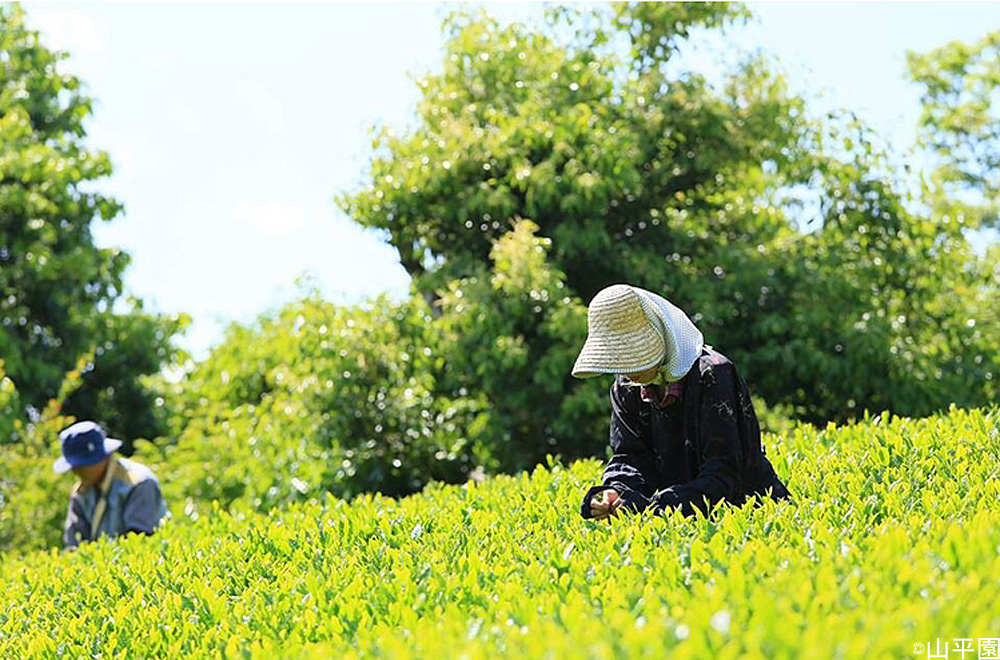
In mountainous areas, individual tea fields may be relatively small and scattered across sloping terrain. As a result, some farms need to rely on manual management or smaller machinery. The shape and layout of the fields can also make it difficult to bring in larger agricultural machines.

By contrast, relatively flat and expansive tea fields can accommodate ride-on harvesters and other agricultural machinery, allowing larger areas to be harvested efficiently. Some regions have developed large-scale tea farming operations that take advantage of these conditions.
 ▲Work at Yamahiraen. Much of the work on the sloping tea fields is done by hand, while agricultural machinery is used on flatter ground.
That does not mean, however, that tea farming can simply be divided into ‘small-scale in mountainous areas’ and ‘large-scale on flat land’. The choice of harvesting method depends on factors including the area under cultivation, tea varieties, processing equipment, available labour, sales methods and, ultimately, the kind of tea the producer wants to make.
What Happens to Tea Leaves After Harvest? From Fresh Leaves to Aracha
Tea leaves that have just been picked in the field are known as fresh tea leaves. In the production of steamed green teas such as sencha, the leaves are first steamed to halt the activity of the enzymes responsible for oxidation. They are then rolled while their moisture content is gradually reduced, before being dried.
The tea produced at this stage is known as aracha, or unrefined tea produced after the initial processing stages. At this point, the leaves have not yet been sorted into a uniform size or shape and still contain stems and other material. Aracha is generally sold by tea farmers to tea wholesalers.
The wholesaler then carries out finishing processes such as sorting and hiire (final firing), turning the aracha into the finished tea products that consumers see in shops.
The wholesaler then carries out finishing processes such as sorting and hiire (drying), turning the aracha into the finished tea products that consumers see in shops.
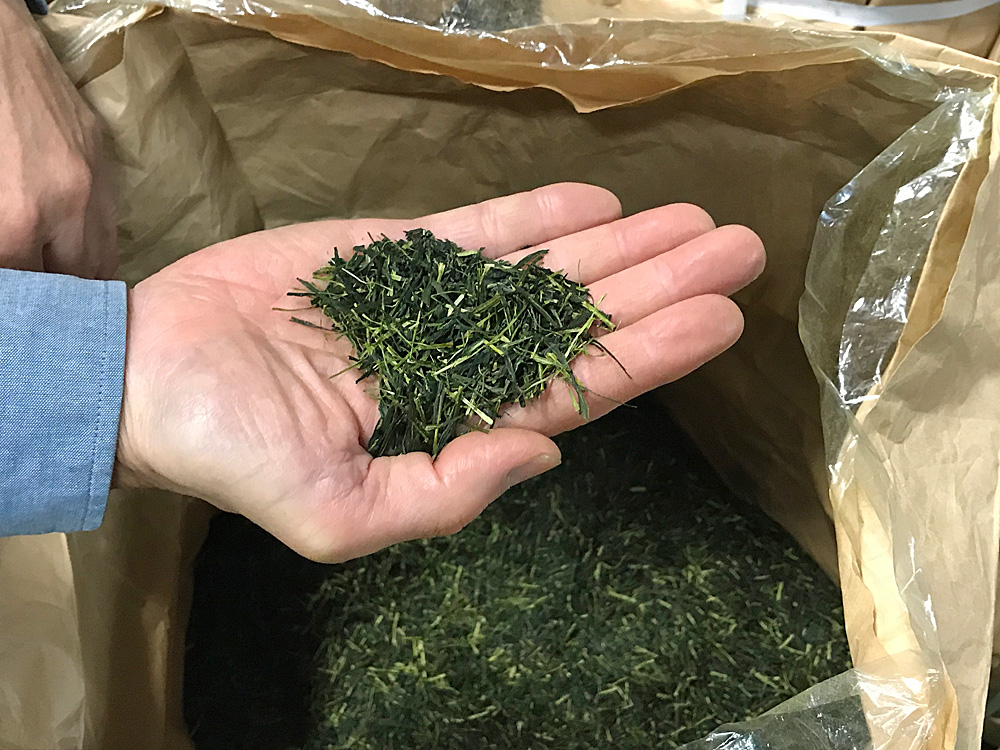
An important point, however, is that not every Japanese tea farm takes processing to the same stage. Some farmers sell their freshly harvested tea leaves without processing them further, while others handle production through to the aracha stage themselves.
Different Business Models on Japanese Tea Farms
To understand the work of a Japanese tea farmer, it is not enough to think of them simply as someone who grows tea in a field. It is also important to look at how much of the process they handle themselves, from cultivation and tea processing to sales and the way their tea ultimately reaches consumers.
Japanese tea farms broadly operate under several different models.
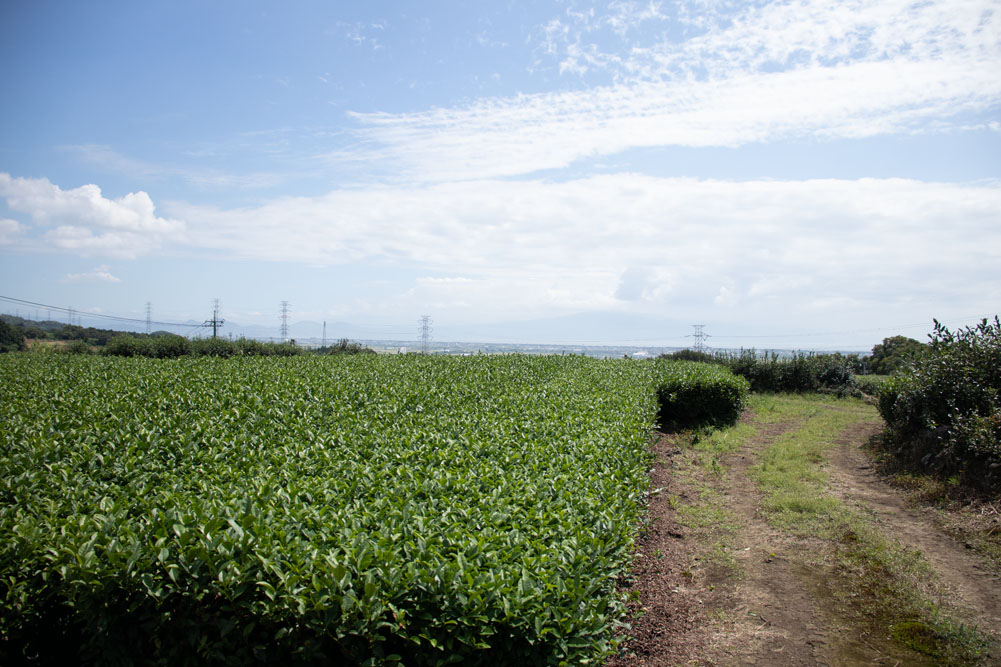
Farmers Who Sell Freshly Harvested Tea Leaves
Some farmers cultivate and harvest tea leaves in their own fields, then send the freshly harvested leaves to a tea-processing factory or other facility.
Under this model, the farmer’s main responsibilities are managing the tea fields and producing fresh tea leaves.
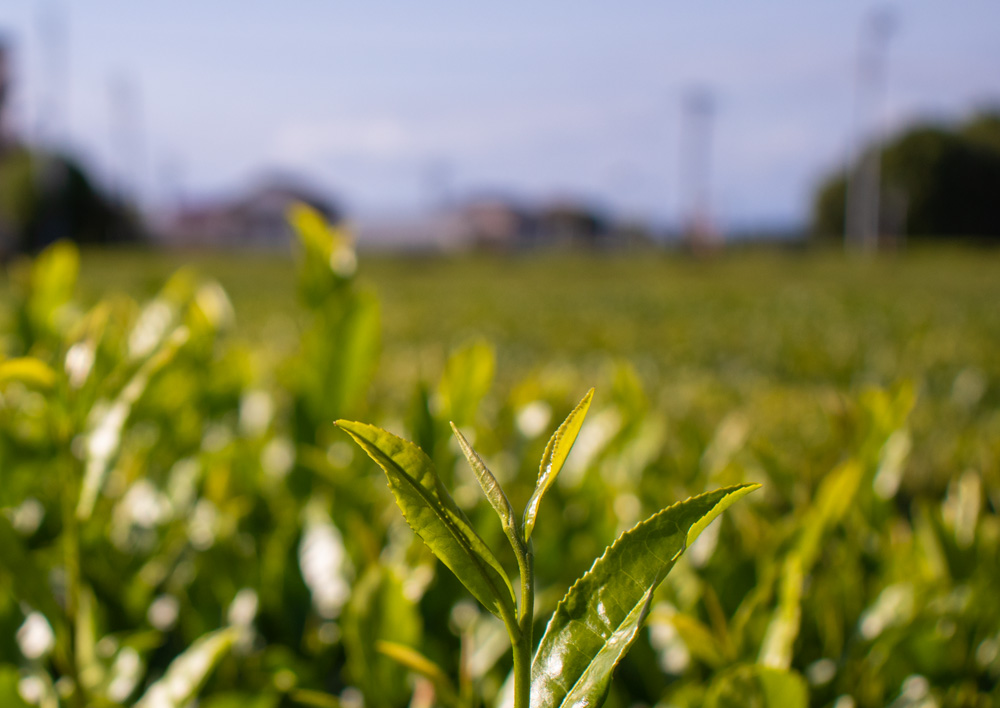
Farmers Who Produce Their Own Aracha
Other farmers process tea grown in their own fields into aracha, or unfinished tea produced after the initial processing stages, using either their own factory or a shared tea-processing facility.
Because the farmers themselves know the condition of their tea fields, they may also be directly involved in processing stages such as steaming, rolling and drying.
The resulting aracha is then sold to tea wholesalers, often through a tea market, providing income for the farm.

Farmers Who Grow, Process and Sell Their Own Tea
The tea plants cultivated by farmers can be made into many different types of Japanese tea. These include sencha, gyokuro, Japanese black tea, kamairicha, and tea leaves used to produce hojicha.
By changing factors such as the tea cultivar, harvesting period, cultivation method or processing technique, a single tea farm may also produce teas with markedly different characteristics.
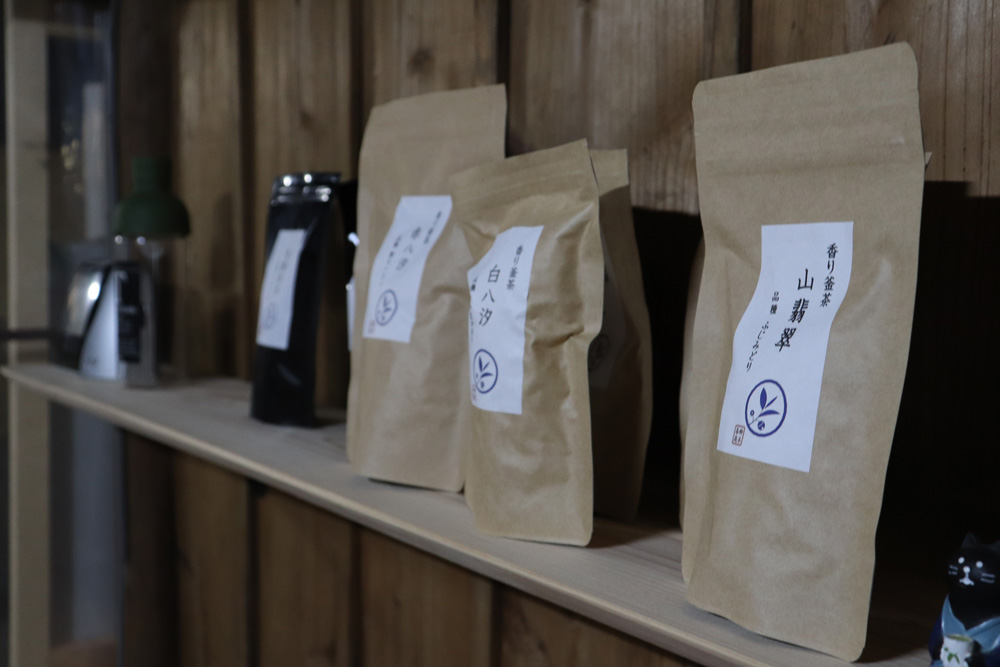
This model, in which the farm handles cultivation, processing and sales itself, is sometimes described in Japan as jien-jisei-jihan — literally, growing, processing and selling tea from one’s own farm.
Competition Tea Production: Pursuing Quality and Making Business Decisions
Some Japanese tea farmers produce tea specifically for entry into competitions, following a different approach from the tea they normally sell. Taking part in these competitions, however, also requires farmers to decide how much of their limited time and labour they can devote to producing competition tea. It is therefore not a decision that can be made lightly.
Shizuka Nouen in Kawanehoncho, Shizuoka Prefecture, is a tea farm that has won numerous awards at tea competitions.
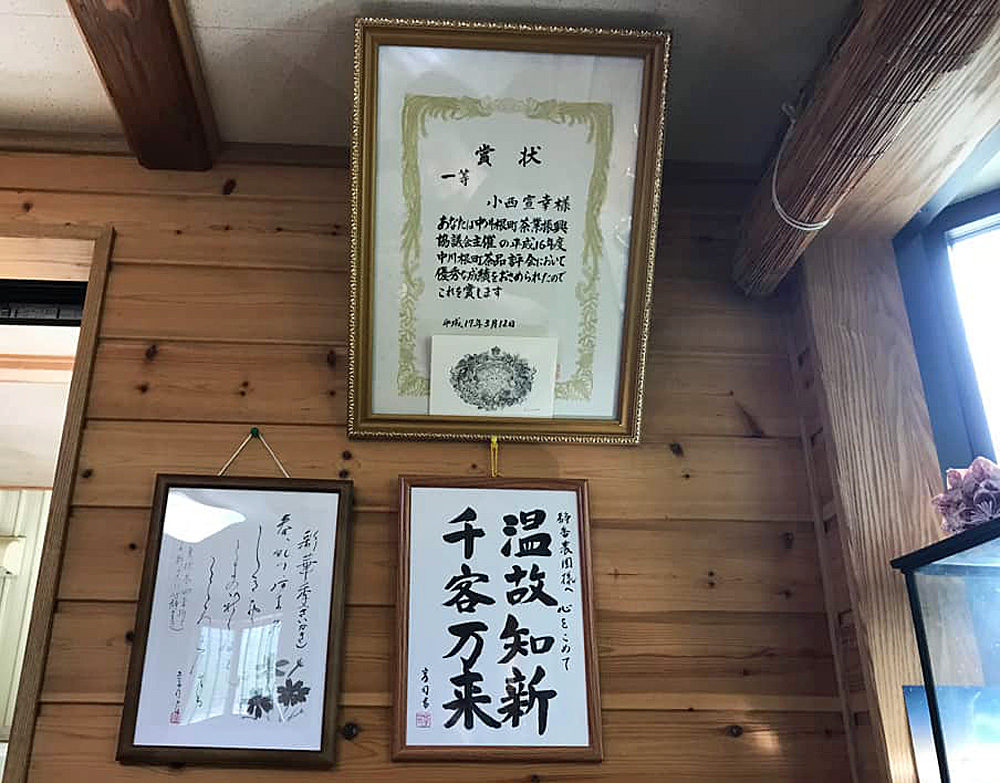
According to farm owner Nobuyuki Konishi, producing tea capable of placing highly in a competition requires a dedicated tea garden for the competition entry. The leaves must be harvested by hand, followed by tea processing carried out with even greater care than usual. The entire process demands a considerable amount of time and labour.
For a tea farmer, this creates a difficult choice. Should limited labour and time be devoted to competition tea in pursuit of the highest possible quality? Or should those resources instead be used to ensure a stable supply of high-quality tea for customers who regularly buy from the farm?
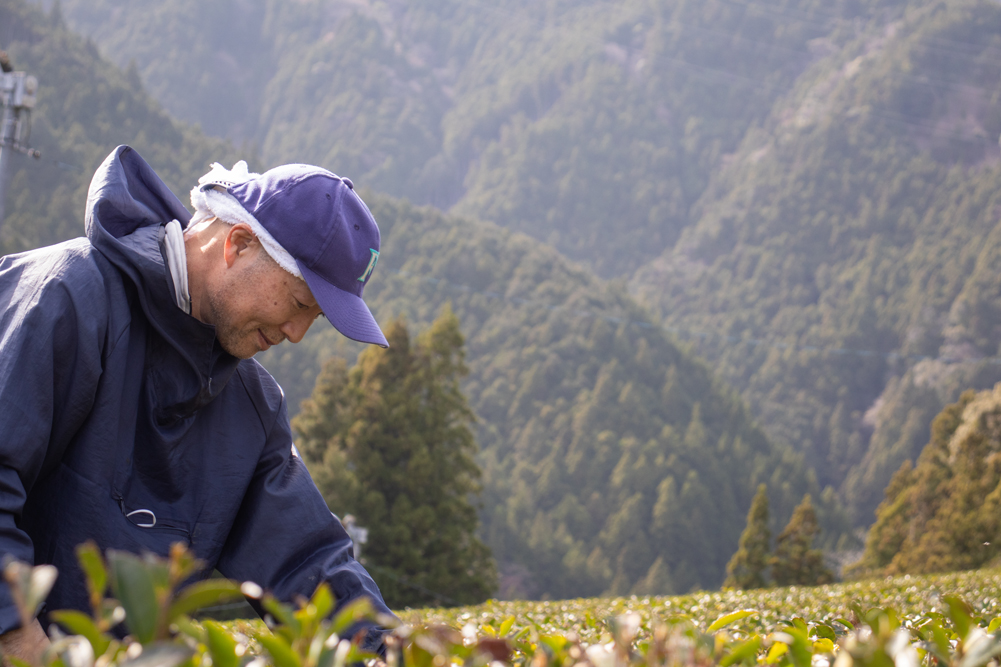
Shizuka Nouen has currently chosen not to enter tea competitions, directing that labour instead towards producing high-quality tea for its customers.
Choosing Organic Cultivation: Designing Both the Farming Method and the Business
Some Japanese tea farmers choose to grow tea organically. However, their reasons, methods and approaches vary considerably. Farming with a lower environmental impact may appear ideal at first glance, but in practice, farmers also need to consider how to make the business viable under that system, taking into account factors such as production volume, labour, selling prices and sales channels.
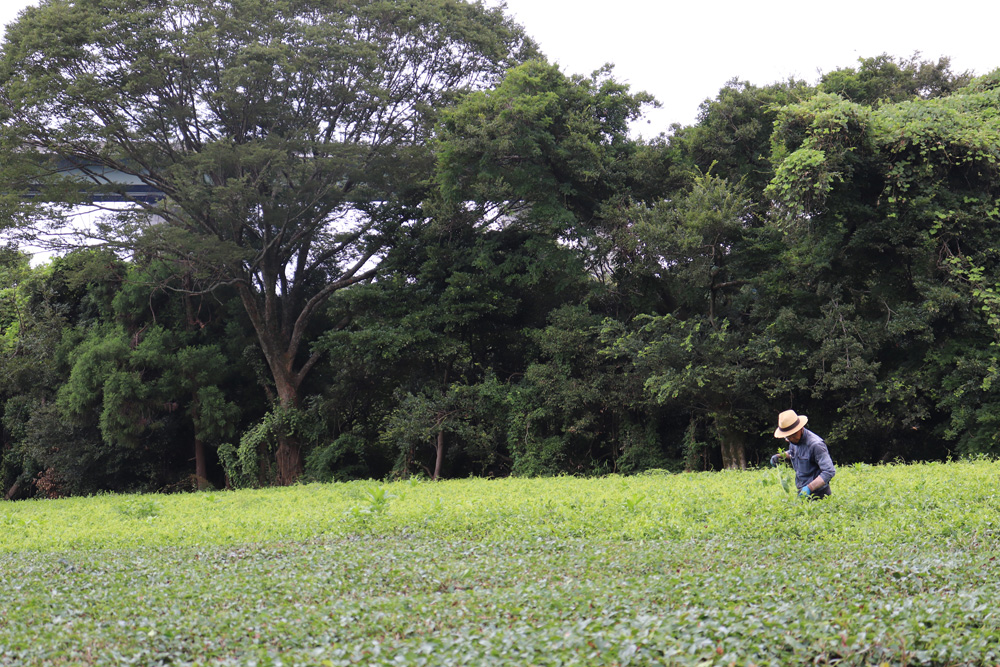
Yamahiraen, a tea farm in Fuji City, has been producing tea without pesticides since 2003, using naturally derived fertilisers such as fish meal and soybean meal. At the same time, because the farm does not use herbicides, the demanding work of removing weeds during the height of summer is unavoidable.
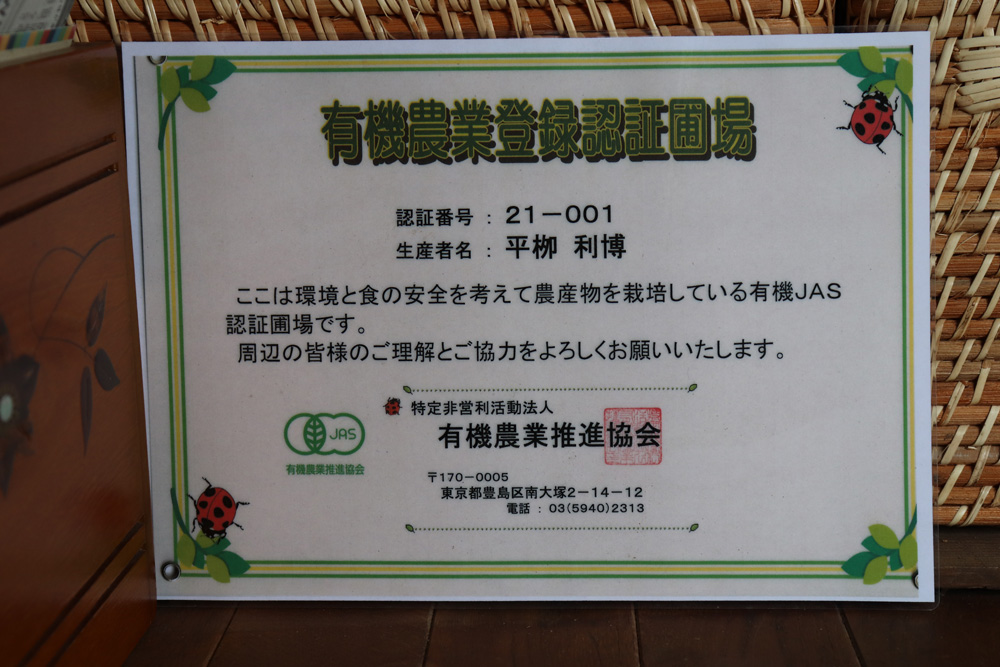
Certification also creates an additional burden when tea is to be sold as an organic agricultural product. Yamahiraen obtained Organic JAS certification in 2021, but certification involves a significant cost. The application also requires extensive paperwork, which has to be completed alongside the farm’s day-to-day agricultural work.
In other words, choosing organic cultivation is not simply a matter of deciding not to use pesticides. How should weeds be managed? How should the soil be maintained? Who will take responsibility for the costs and administrative work required for certification?
There is also the question of how much tea can be produced using that approach. Land, climate and business conditions differ from one tea farm to another. Within those constraints, which cultivation method should a farmer choose? Organic cultivation is ultimately also a question of how the farming operation itself should be designed.
Japanese Tea Farms: How Scale, Processing and Sales Shape Income
When researching Japanese tea farms, one question that may come to mind is how much tea farmers earn. But it is difficult to express the income of a Japanese tea farmer as a single figure.
Both revenue and costs can vary considerably depending on the size of the tea fields, whether the farm sells freshly harvested tea leaves, processes them into aracha — unfinished tea produced after the initial processing stages — or handles retail sales itself. The structure of the business also differs depending on whether it is family-run or incorporated, and whether tea farming is the main occupation or combined with other work.
For this reason, rather than assuming that a tea farmer typically earns a particular annual income, it is more useful to look at the scale of the farm, how far the farmer is involved in processing, and how the tea is sold. These factors provide a clearer picture of how individual tea-farming businesses actually operate.
[Editor’s note] : You can find our previous reporting in our Japanese Tea Farmers and Tea Farm Articles.
What Is the Difference Between a Tea Farmer and a Tea Wholesaler?
Tea farmers and tea wholesalers both play important roles in Japanese tea production, but their core functions are different. For tea farmers, the work begins in the tea fields, where they cultivate tea plants and produce freshly harvested tea leaves.
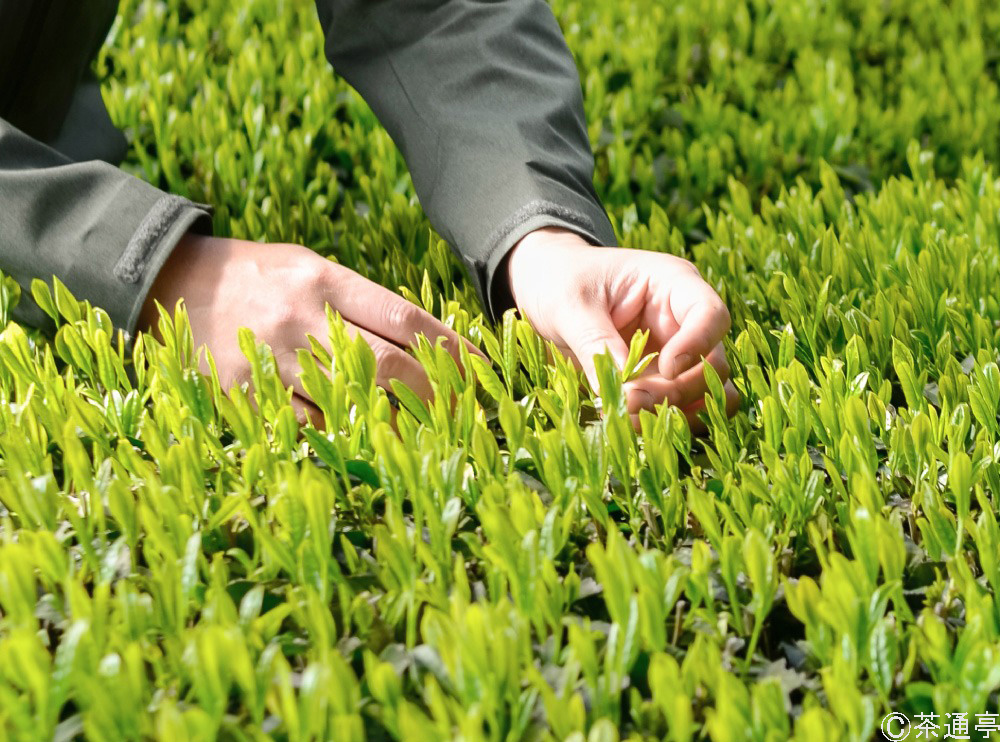
Tea wholesalers, by contrast, have traditionally purchased aracha — unfinished tea produced after the initial processing stages — and assessed, selected and finished the tea before bringing it to market. This finishing process can include hiire (drying) and gougumi (blending).
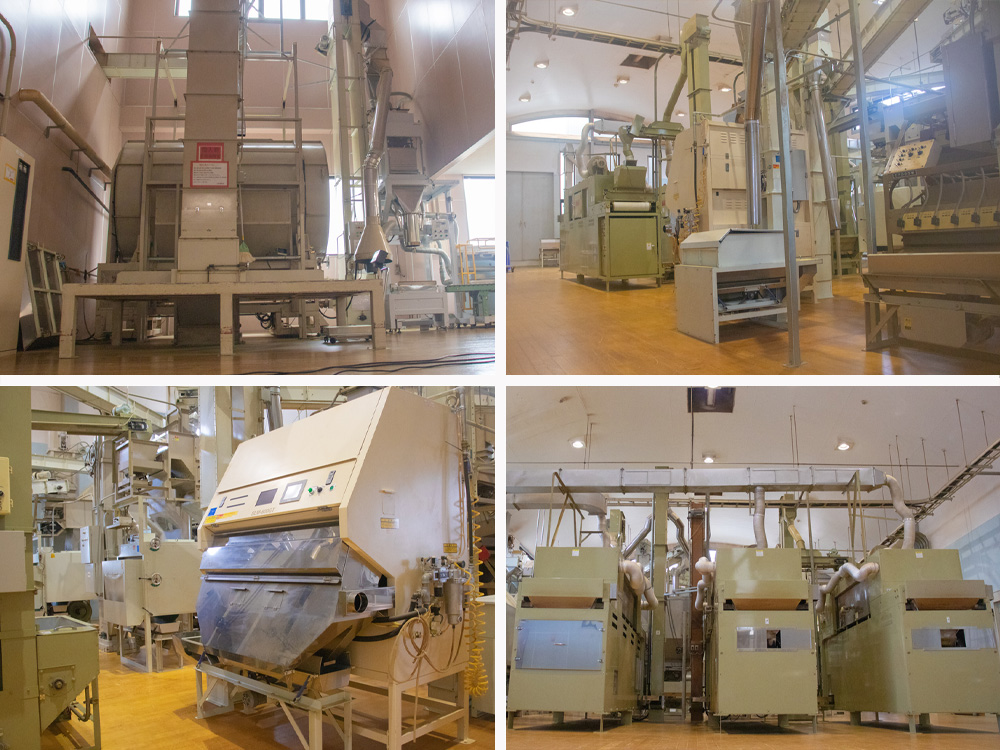
Today, however, the distinction is not always so clear-cut. Some tea farmers also handle final processing and sales themselves, while some tea wholesalers operate retail shops or cafés. As a result, their roles can overlap in practice.
Put simply, tea farmers have traditionally specialised in the process that begins with growing the tea, while tea wholesalers have specialised in assessing the tea once it has been produced, finishing it and bringing it to consumers.
In recent years, more tea farms have adopted a model in which they grow, process and sell their own tea. Even so, understanding the role that tea wholesalers have traditionally played in turning tea into a finished product and bringing it to market remains important when looking at how Japanese tea is distributed.
[Editor’s note] : For a more detailed look at the work of Japanese tea wholesalers — including sourcing and assessing aracha, sorting, hiire roasting, and blending — see our article, “What Is a Japanese Tea Wholesaler? Appraising, Drying and Blending Aracha”.
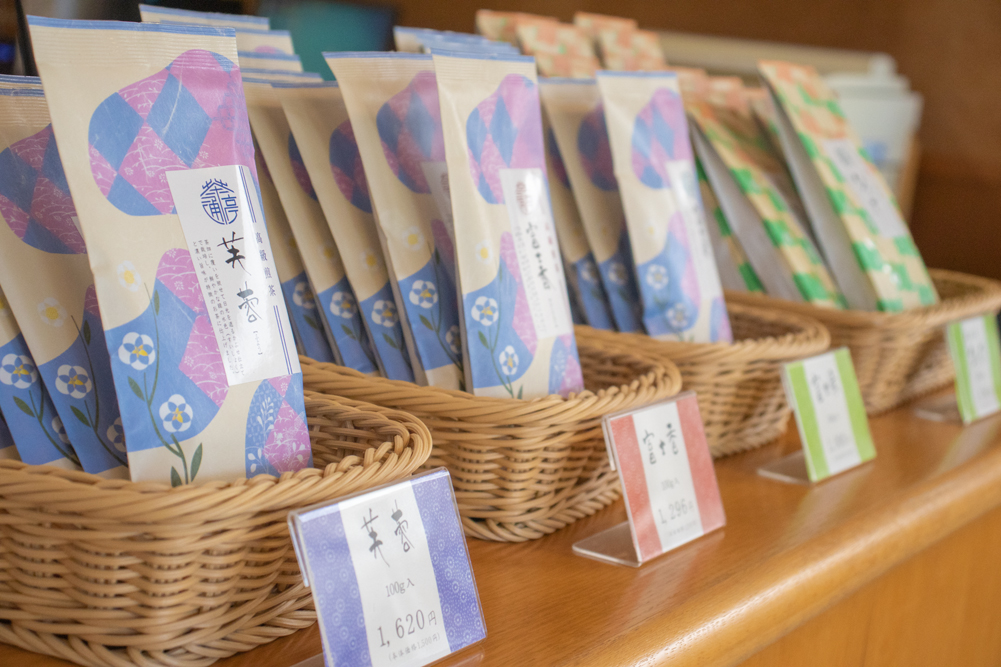
Why Are Japanese Tea Farmers Building Direct Relationships with Consumers?
Some Japanese tea farmers focus on cultivation and tea production, leaving the subsequent finishing and sales to tea wholesalers or retailers. Others have developed their own brands, designed their own packaging and begun selling through online shops or directly from the farm. Some have gone further still, organising events and tea gatherings or running cafés, creating opportunities to communicate the appeal of their tea directly to consumers.
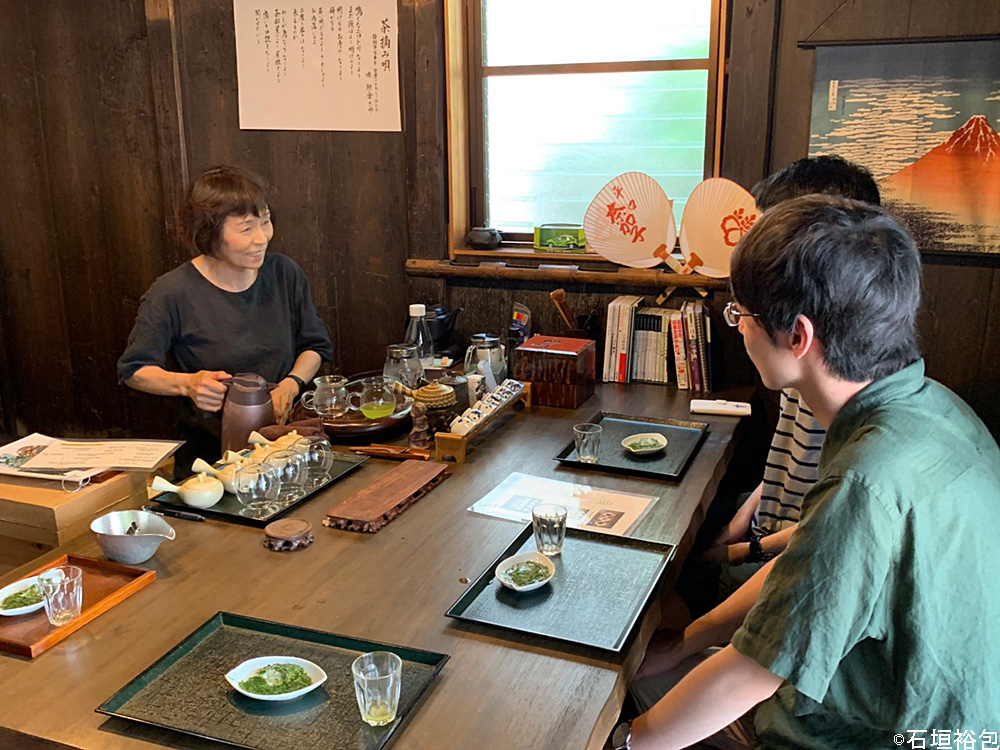
There is no single reason behind this shift. Through our reporting, it has become clear that it is not simply a matter of wanting to increase profits by cutting out intermediaries. The circumstances vary considerably depending on the tea-producing region and the individual farm.
Communicating Value That the Market May Not Fully Recognise: Why Tsuchiya Farm Chose to Sell All of Its Tea Directly
Tsuchiya Nouen has its tea fields in the mountains of Kawanehoncho, at an elevation of around 600 metres. The farm mainly grows mid- and late-season cultivars, producing teas that make the most of the distinctive character of leaves that develop slowly in this particular environment.
As a result, harvesting takes place somewhat later than April, which is generally regarded as the beginning of the new-tea season.
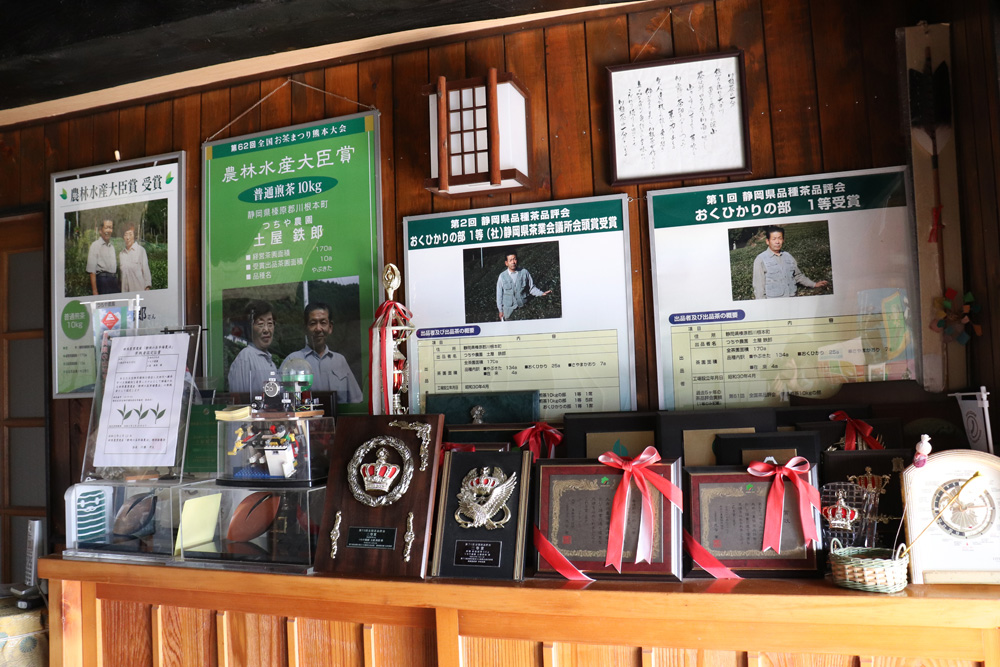
In the tea market, however, being early to market with new-season tea can itself be regarded as a source of value. According to Tsuchiya Nouen, this can make it difficult for later-harvested mountain teas to receive an assessment that fully reflects their inherent quality and value.
Rather than adapting its tea to the demands of the market, Tsuchiya Farm therefore chose to sell its entire production at retail, delivering its tea directly to people who understand and appreciate what it has to offer.
Direct sales of this kind are not simply a way for farmers to set their own prices. They also represent a substantial commitment: growing the tea, making it, communicating its value and selling it — all undertaken by a single producer or farm.

‘What We Really Want Is to Focus on Growing and Making Tea’: Why Aitoen Sells Its Own Tea
Our interview with Aitoen in Kawanehoncho revealed a more difficult side of the realities facing tea producers.
In the past, producing high-quality aracha — unrefined tea produced after the initial processing stages — could provide a stable income. But with market prices for aracha remaining low, the farm says that it has become difficult to earn enough from production alone.
In response, Aitoen has also moved into retail sales and running a café.
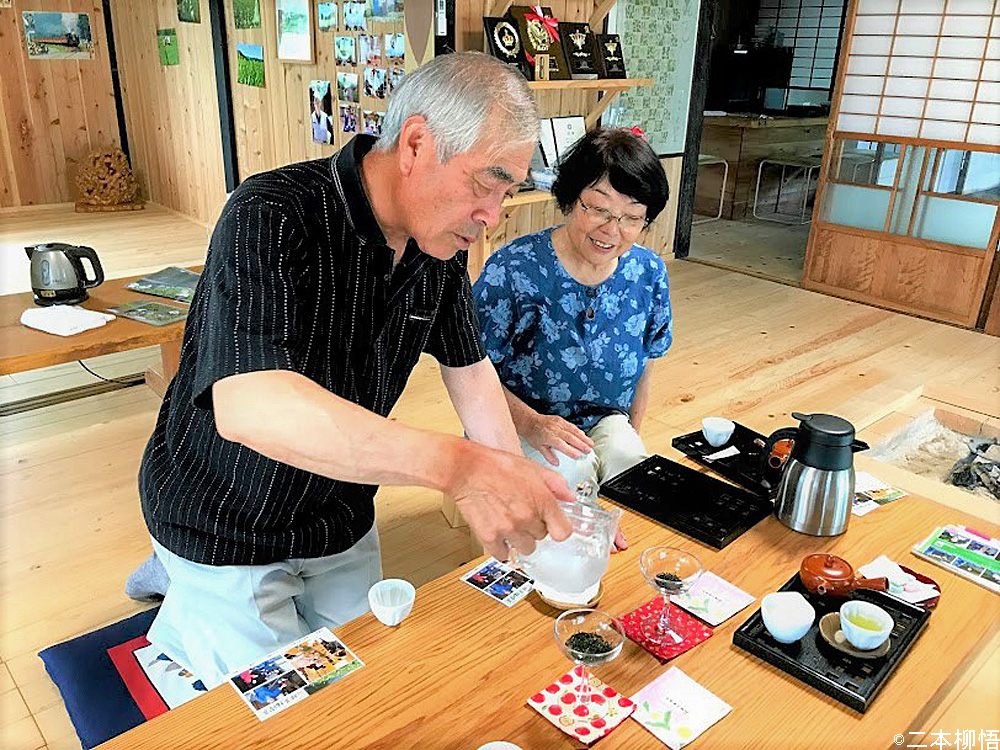
What we heard, however, was a candid admission: ideally, the farmers would prefer to devote more of their time to growing and processing tea. To protect their livelihood, though, they have found it necessary to sell their tea themselves.
A similar view emerged during our interview with Yamahiraen. While the farm would like to concentrate on producing good tea, there is also a recognition that, under current conditions, it cannot make a living without selling its products directly.
In other words, there is no single reason why more tea farms are choosing to grow, process and sell their own tea, or to operate cafés.
They may want to communicate the quality of their tea directly to customers.
They may want to convey forms of value that are not easily recognised through the market alone.
They may want greater control over the prices they receive.
And, ultimately, they may need to do so in order to continue operating as a tea farm.
These are not issues for individual producers alone. They also raise a broader question for Japan’s tea-growing regions: how should Japanese tea be produced, brought to consumers and passed on to the next generation?

Beyond Making Tea: The Expanding Role of Tea Farmers and the Dilemma of Sixth-Sector Industrialisation
Even when a tea farm begins selling its own products, simply putting them on shop shelves or listing them online does not mean they will sell. At Matsushimaen in Kawanehoncho, the farm has spoken about the challenges of selling loose-leaf tea today. Unlike major beverage companies, small tea farms do not have the same advertising reach, which means that even making consumers aware of where they can buy their tea can be difficult.
In other words, we are no longer in an age when simply making good tea is enough to ensure that it sells. Tea farmers increasingly need to think beyond production itself: communicating through social media, taking part in events, serving tea themselves or even opening a café. By selling directly and expanding into experiences and tourism, they can create new sources of income and new opportunities to connect with consumers.
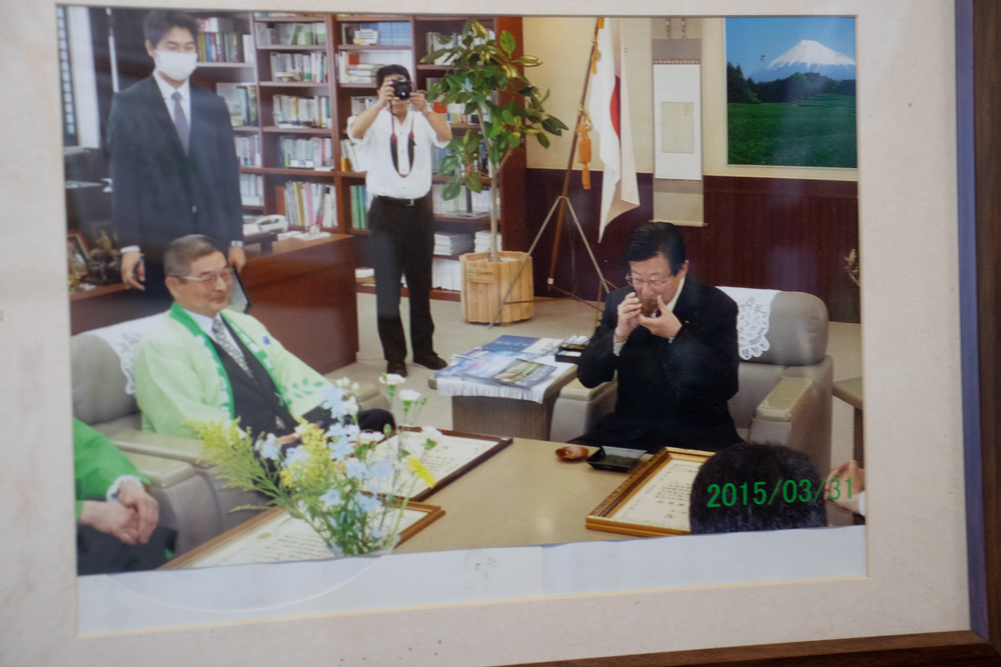
At the same time, if producers take on all of these roles themselves, the scope of their work can continue to expand. As a result, they may have less time to devote to cultivation and tea processing — the work at the core of tea production.
This is also one of the dilemmas of what is known in Japan as sixth-sector industrialisation, in which agricultural producers extend their activities beyond cultivation into areas such as processing, sales and consumer-facing experiences. Kawasaki, the owner of Matsushimaen, says that his ideal would be a system in which tea farmers could concentrate as much as possible on cultivation and tea processing.
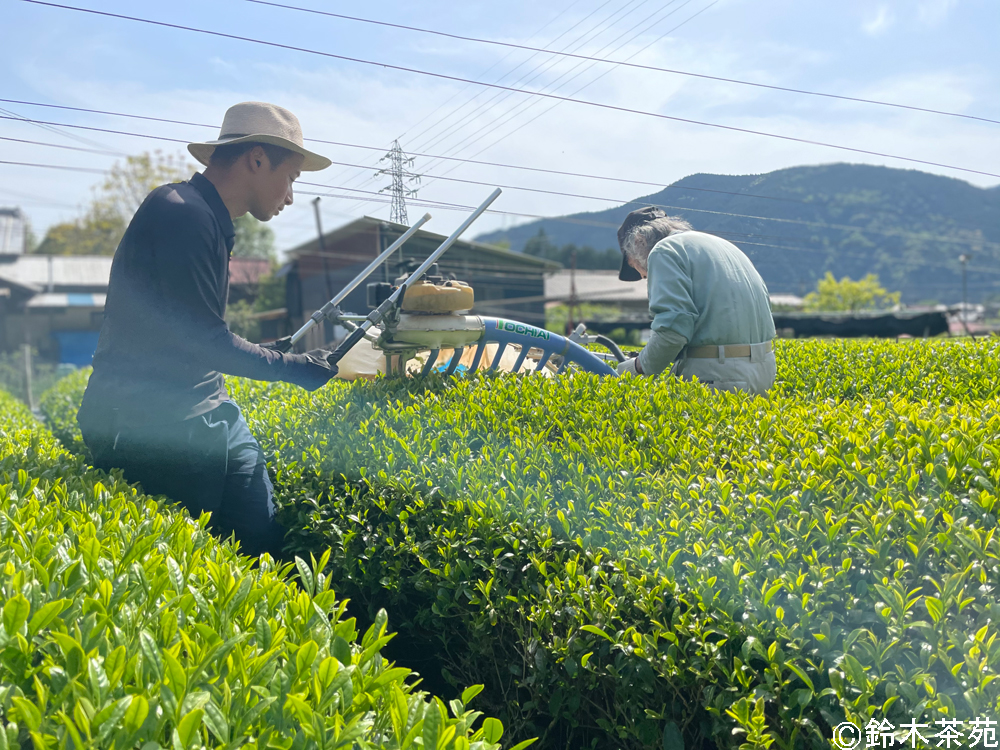
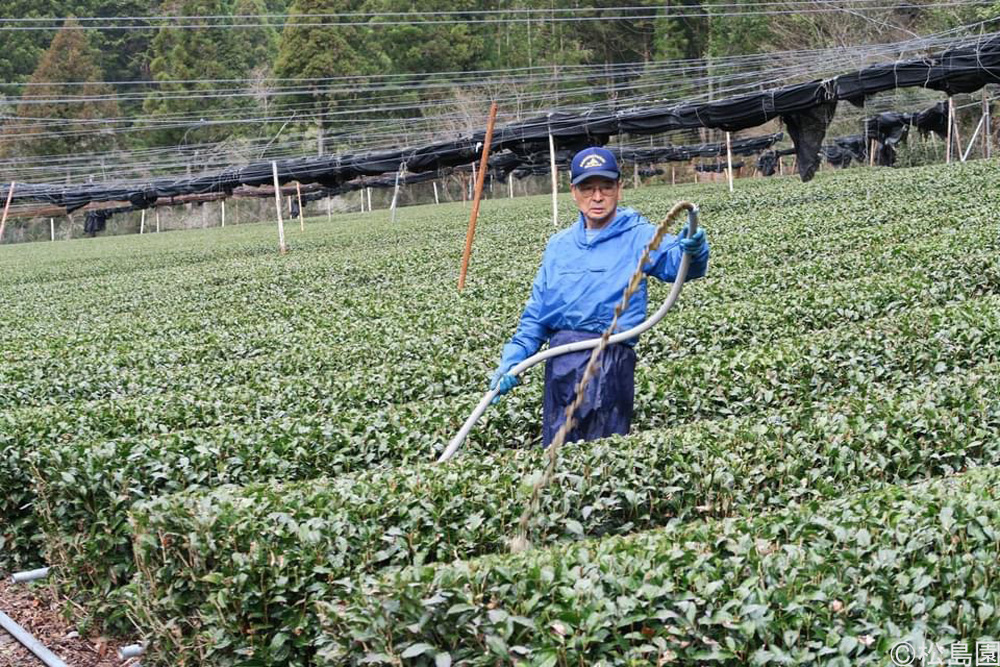 ▲Tea farm management involves far more than simply harvesting the leaves. A range of tasks, including fertilising the tea fields, continues throughout the year.
For tea farmers in the years ahead, however, management decisions are likely to extend beyond which cultivars to plant, when to harvest, which processing methods to use and what kind of tea to make from the leaves they pick.
Who should they reach? What should they offer them, and in what form?
Thinking through those questions is also likely to become an increasingly important part of running a Japanese tea farm.
Beyond Selling Tea: Tea Terraces and Experiences on Japanese Tea Farms
In recent years, the work of tea farmers has extended beyond simply producing tea leaves. To encourage people who do not regularly drink tea to take an interest in Japanese tea, some farms are creating opportunities for visitors to experience tea fields first-hand. These initiatives communicate the value of Japanese tea not only through cultivation and processing, but also through the character of the land, the surrounding landscape and the experience of spending time among the tea fields.
One example is the tea terrace, a dedicated space set within a working tea farm.
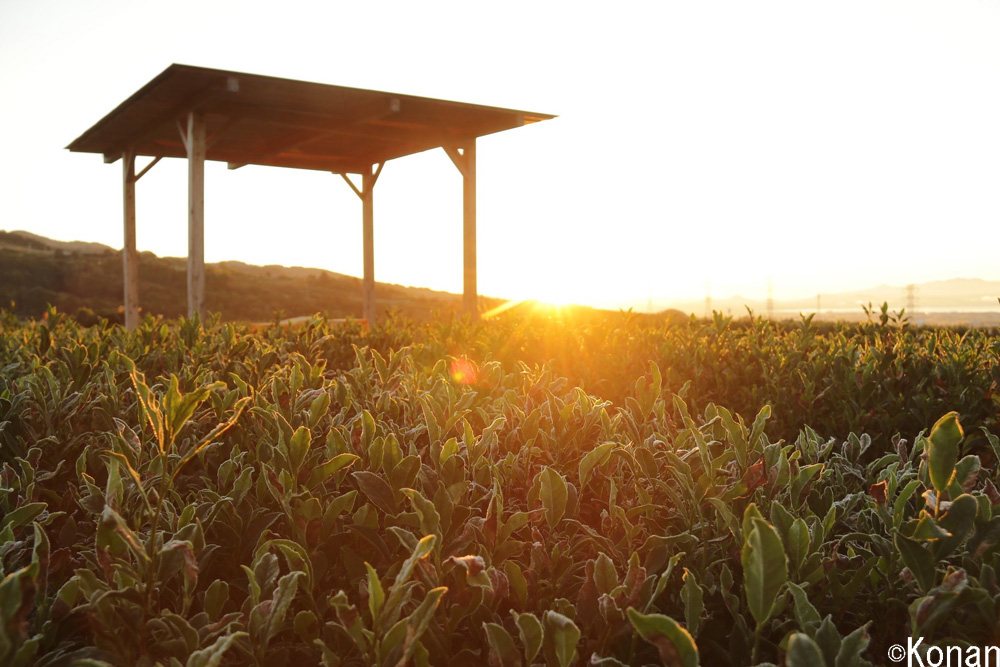
Daichi no Chama at Kamairicha Shibamoto
Kamairicha Shibamoto, a tea farm in Makinohara City, manages a private tea terrace known as Daichi no Chanoma within its tea fields.
Many people have drunk tea, but relatively few have had the opportunity to visit the fields where it is grown. Daichi no Chama offers an experience within an expansive tea farm, where visitors can enjoy tea while discovering its appeal — including those who may previously have had little familiarity with Japanese tea.
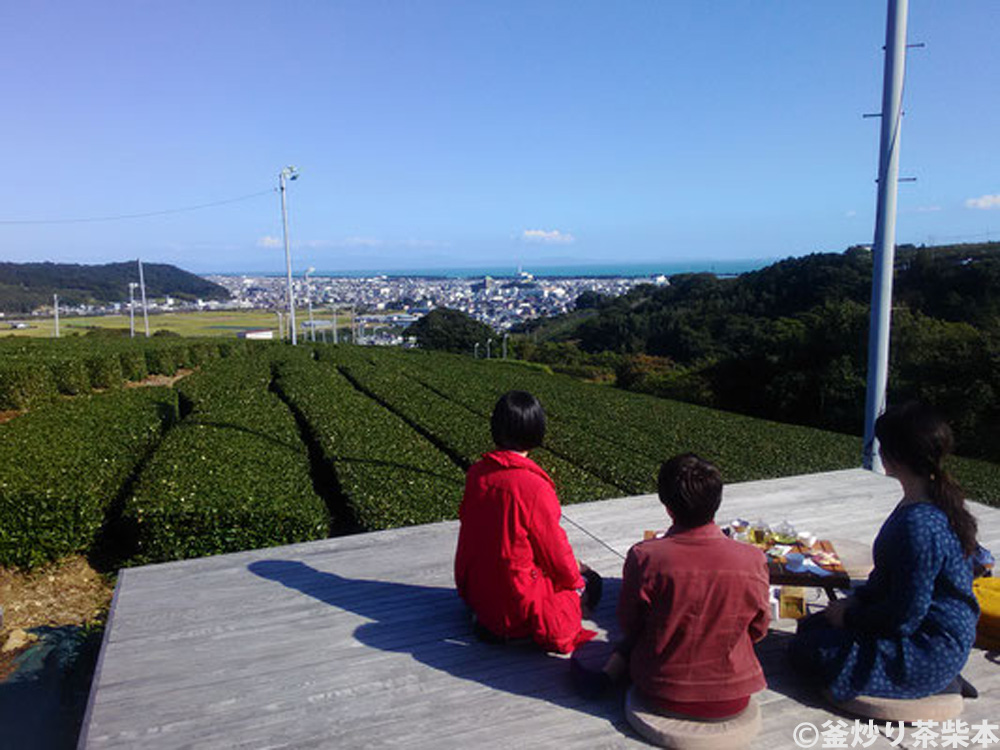
Umi to Fuji no Chama at Fuji Marumo Tea Garden
In Fuji City, Fuji Marumo Tea Garden operates Umi to Fuji no Chanoma, a tea space overlooking Mount Fuji, the Ashitaka Mountains and Suruga Bay from among the tea fields. Visitors can enjoy Shizuoka tea while taking in the surrounding landscape, bringing together the producer’s approach to tea-making with the scenery unique to the foothills of Mount Fuji.
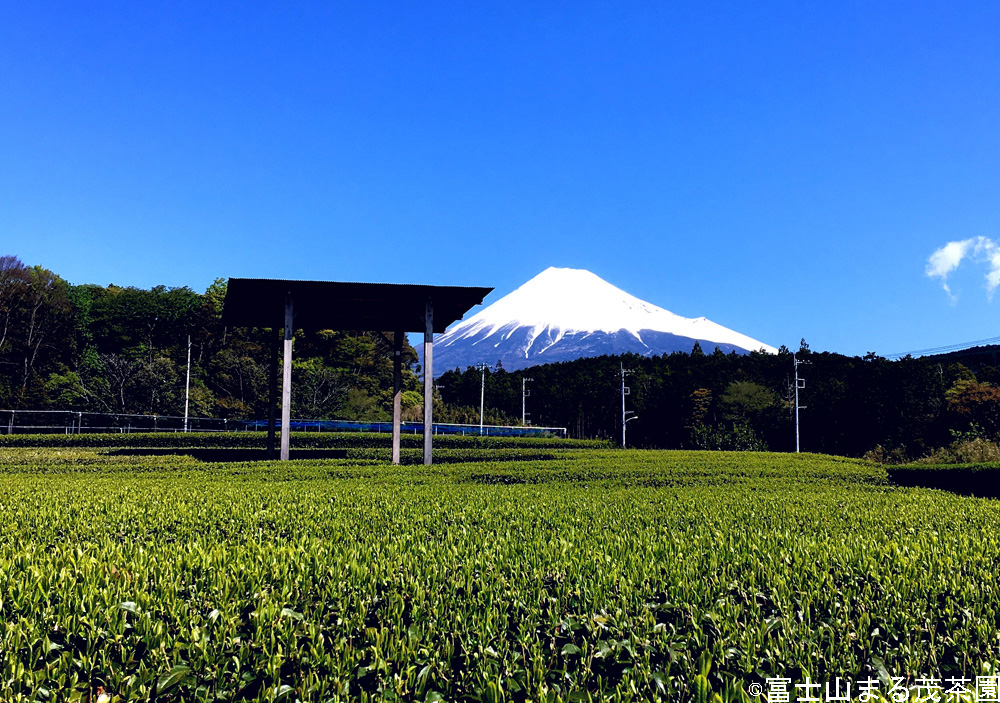
Walking the Tea Fields and Learning from the Growers: A Japanese Tea Tour at Moriuchi Tea Farm
Some Japanese tea farms offer more than tea terraces, giving visitors the opportunity to walk through the tea fields and learn directly about tea production. At Moriuchi Tea Farm in Shizuoka City, visitors can tour the tea fields before taking part in a Japanese tea experience in a traditional farmhouse more than 150 years old, where they can compare different teas including sencha, Japanese black tea and hojicha.
Depending on the time of year, these tea farm experiences may also include tea picking or opportunities to take part in tea making. Visitors come not only from within Japan but also from overseas.
Such initiatives go beyond tourism alone. They can also be seen as a way of opening up aspects of Japanese tea that are difficult to convey through the finished leaves themselves — including the landscape of the tea fields and the techniques involved in tea production — and presenting them as another form of value within Japanese tea culture.

There Is No Single ‘Right’ Model for a Japanese Tea Farm
It is difficult to define the work of a Japanese tea farmer today according to any single model. What kind of tea to produce, how much of the process to handle themselves, who to sell it to and how to reach those customers — all of these decisions matter.
Farmers who sell their own tea can communicate the value of their products directly to consumers. At the same time, however, doing so creates additional responsibilities, including sales and marketing.

Nor does taking on every part of the business themselves necessarily represent the right approach. As we heard during our reporting, some producers would prefer to concentrate on cultivation and tea processing, but find themselves having to handle sales as well in order to sustain the business.
For this reason, it would be too simplistic to regard models in which farmers grow, process and sell their own tea, or operate tea terraces, as inherently more advanced forms of tea farming.
Choosing organic cultivation can bring additional demands, including weed control and certification requirements. Aiming for recognition at tea competitions can likewise require considerable time and labour to be devoted to particular tea fields and methods of processing.
Every farm has its own reasons for the choices it makes, shaped by its land, equipment, workforce, skills and approach to selling tea. Building a viable way of producing and running the farm through those accumulated decisions is itself part of the work of a tea farmer.

When we encounter a tea farm, it is worth considering where and how its tea is produced, and how the people behind it are trying to bring that tea to consumers. Looking beyond cultivar, flavour and aroma to the story behind each cup reveals Japanese tea not simply as a drink, but as part of the lives and work of the people who continue to grow and make tea in their own communities.
Perhaps it is precisely this diversity that best reflects the reality of Japanese tea farms today.

| Writer | Norikazu Iwamoto |
| Profile | Editor-in-Chief of OCHATIMES. Served as a judge for the Shizuoka 100 Teas Award from 2021 to 2025 and met with the Vice-Governor of Shizuoka Prefecture. OCHATIMES has been featured on or linked from the websites of the World O-CHA Festival, the University of Shizuoka Tea Science Center, the City of Green Tea Shizuoka, and Japan’s Ministry of Agriculture, Forestry and Fisheries. |
Related articles
-

What Is Wakocha (Japanese Black Tea)? Its History, Varieties, Production and How It Differs from Other Black Teas
When people think of black tea, they may picture teas produc...
OCHATIMES編集部
-
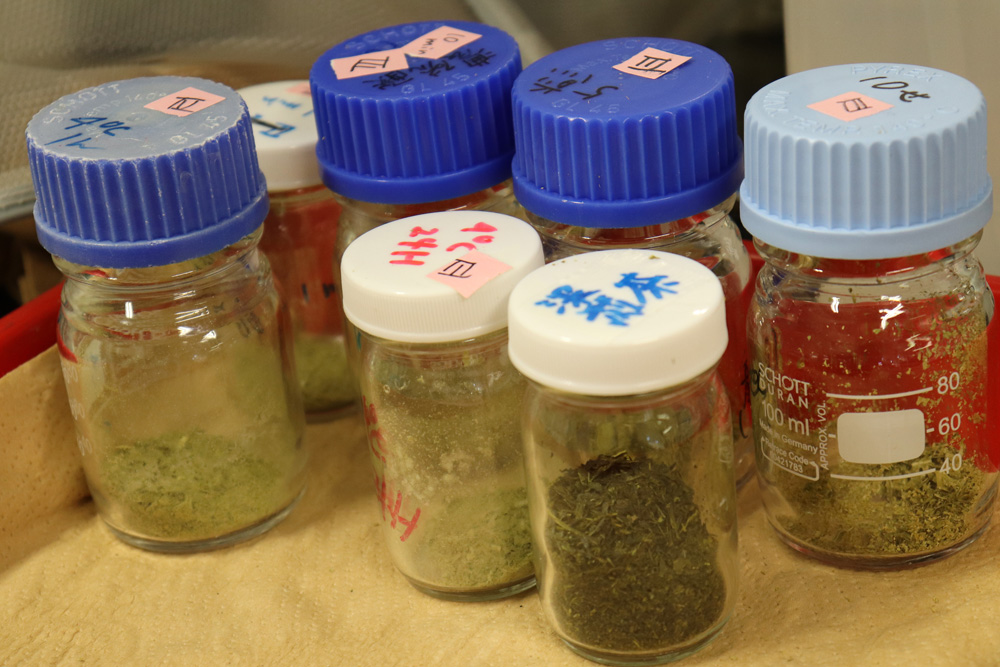
Insights from Dr. Yoriyuki Nakamura : Benefits, Culture, and History of Japanese Tea | University of Shizuoka Tea Science Research Center (Shizuoka City)
At the University of Shizuoka stands Japan’s first research ...
OCHATIMES編集部



 on the red bar to close the slide.
 to see the
distance between the current location to the Chaya.
to see the
distance between the current location to the Chaya.