

What Is Sencha? The Differences Between Asamushicha (Light Steamed Tea) and Fukamushicha (Deep Steamed Tea), Growing Regions, Flavour and Brewing
 Go to Japanese page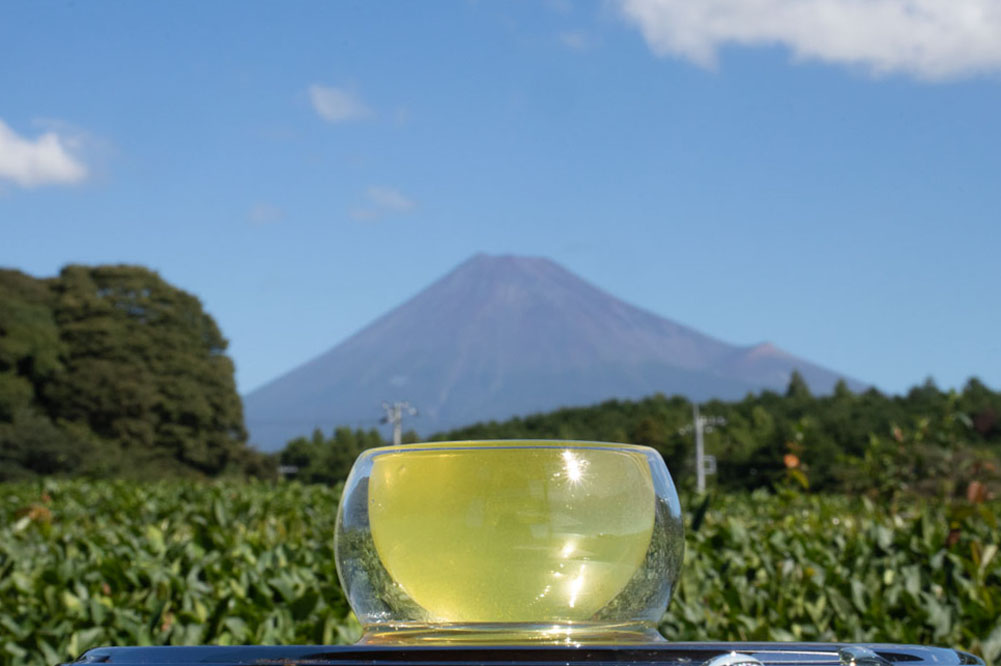
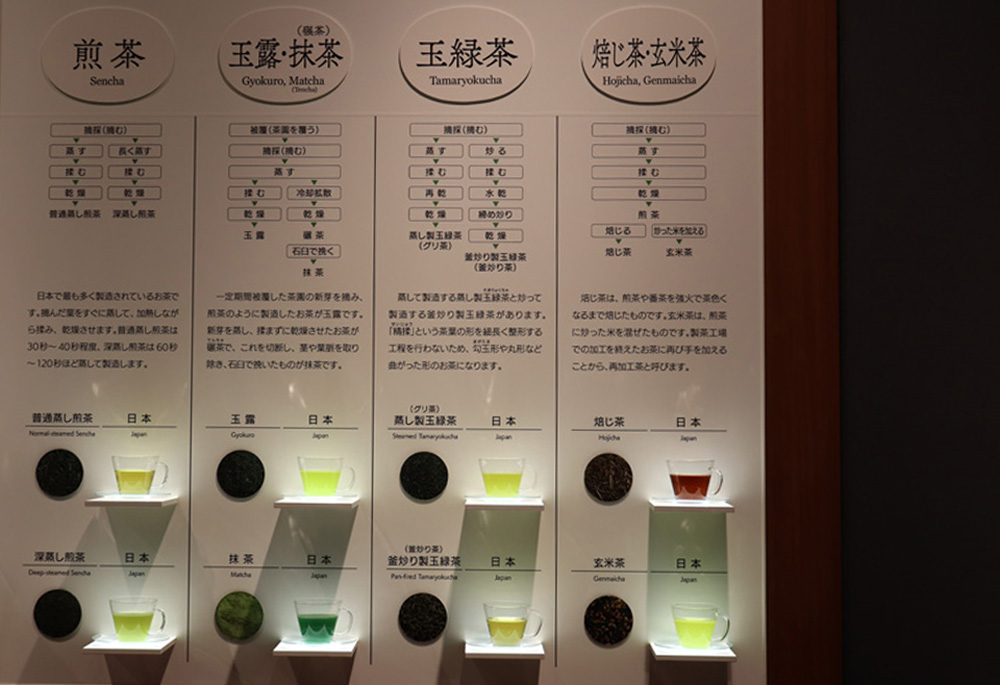
Sencha is perhaps one of the first teas that comes to mind when people think of Japanese tea. Familiar and widely enjoyed in everyday life, it is far more varied than it may initially appear. The shape of the leaves, the colour of the brewed tea, its aroma and flavour can all differ considerably. One of the main factors behind these differences is mushi, the steaming process applied to freshly picked tea leaves. Sencha that is steamed for a relatively short time is generally known as asamushicha (light steamed tea), while tea steamed for longer is called fukamushicha (deep steamed tea). The distinction can be seen not only in the appearance of the finished leaves, but also in the colour, aroma and flavour of the brewed tea.
At OCHATIMES, a specialist Japanese tea web publication, we have visited and reported from tea-growing regions across Shizuoka Prefecture. What these visits have revealed is a remarkable diversity of sencha that cannot be fully understood through the simple categories of asamushicha and fukamushicha alone.
In this article, we begin with the fundamentals of sencha before exploring the differences between asamushicha (light steamed tea) and fukamushicha (deep steamed tea), their relationship with different growing regions, and how they vary in leaf shape, liquor colour, flavour and aroma. We also look at how to brew sencha, drawing throughout on what we have seen and learnt first-hand in the tea fields and production areas of Shizuoka.
What is Sencha?
Sencha is one of the most widely produced and commonly enjoyed types of green tea in Japan. It is made from the leaves of the tea plant (Camellia sinensis) and is generally classified as a steamed green tea, in which freshly harvested leaves are exposed to steam soon after picking to halt oxidation.
Japan’s Ministry of Agriculture, Forestry and Fisheries identifies sencha as the country’s most widely produced type of tea. Gyokuro is also a Japanese green tea, but one of its defining features is hifuku saibai, or shade cultivation, in which the tea plants are covered for a period before harvest. Sencha, by contrast, is generally grown in open fields, with the leaves developing under natural sunlight.
For more on the characteristics, cultivation methods and production regions of gyokuro, see What Is Gyokuro? Characteristics, Growing Regions and How to Brew It.
How Did Sencha Develop? Nagatani Soen and the History of Japanese Tea
The production method that laid the foundations for modern sencha was established during the Edo period. In 1738, Nagatani Soen of Ujitawara, Kyoto, is said to have developed a technique known as the aosei sencha seiho, or green sencha production method.
By carefully kneading steamed tea leaves as they were dried, this new process made it possible to preserve more of the leaves’ colour, aroma and flavour. Sencha, which had previously produced a brownish infusion, could now be brewed with the clear green colour associated with the tea today.
This method, which became the basis for modern sencha production, spread rapidly across Japan and helped establish sencha as the country’s standard form of tea.
The history of tea cultivation in Shizuoka, however, goes back even further. According to tradition, Shizuoka tea began in 1241, during the Kamakura period, when the Buddhist monk Shoichi Kokushi, who was born in the region, returned from Song-dynasty China and planted tea seeds in Ashikubo.
Tea cultivation and processing techniques subsequently spread to other parts of Japan. Today, a wide variety of sencha is produced across the country, including in Shizuoka, one of Japan’s major tea-growing regions.
How Growing Conditions and Fresh Tea Leaves Shape Sencha Production
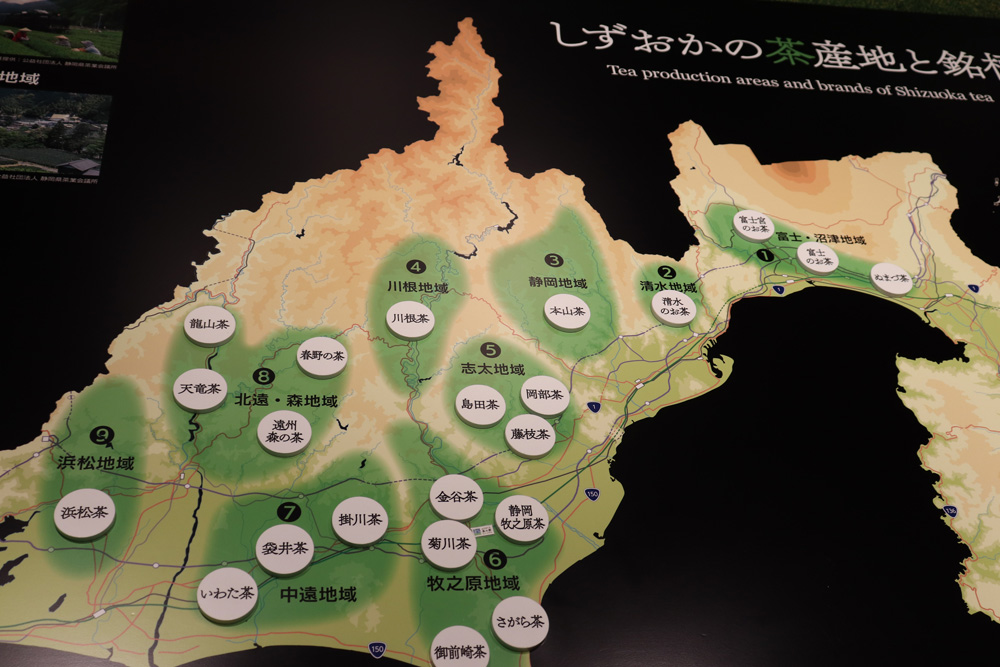
Sencha is produced across Japan, but even within the same category of tea, growing conditions vary considerably between mountainous, hilly and flatland regions. Shizuoka Prefecture alone is home to a diverse range of tea-growing areas, from the predominantly mountainous regions of Honyama, Kawane and Ryogouchi to Makinohara, one of the prefecture’s best-known flatland tea districts.
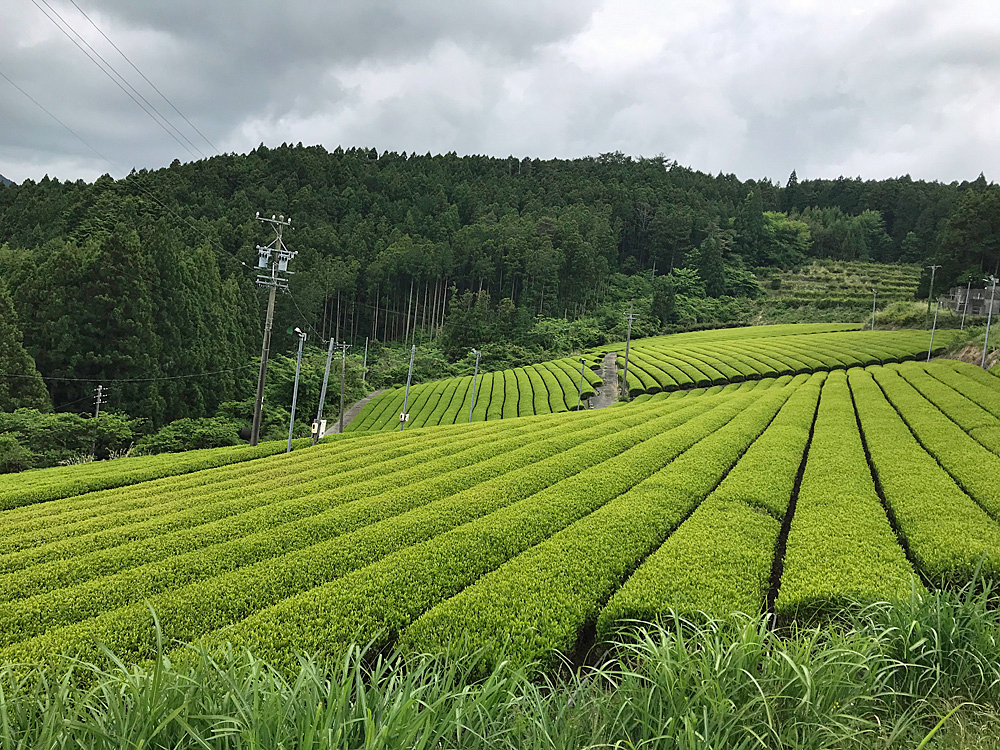
In mountainous areas, tea is cultivated in conditions shaped by differences in temperature between morning and evening, mist and sloping terrain. Depending on the region and growing conditions, the leaves may tend to be relatively thin.
Mechanisation is also more difficult on steep slopes, so many smaller producers continue to rely heavily on manual labour for harvesting and tea garden management.
On broad, open plains, by contrast, tea plants receive abundant sunlight. In areas such as Makinohara, this is generally associated with the development of thicker leaves. Flat terrain also lends itself more readily to mechanisation, making larger-scale tea cultivation possible.
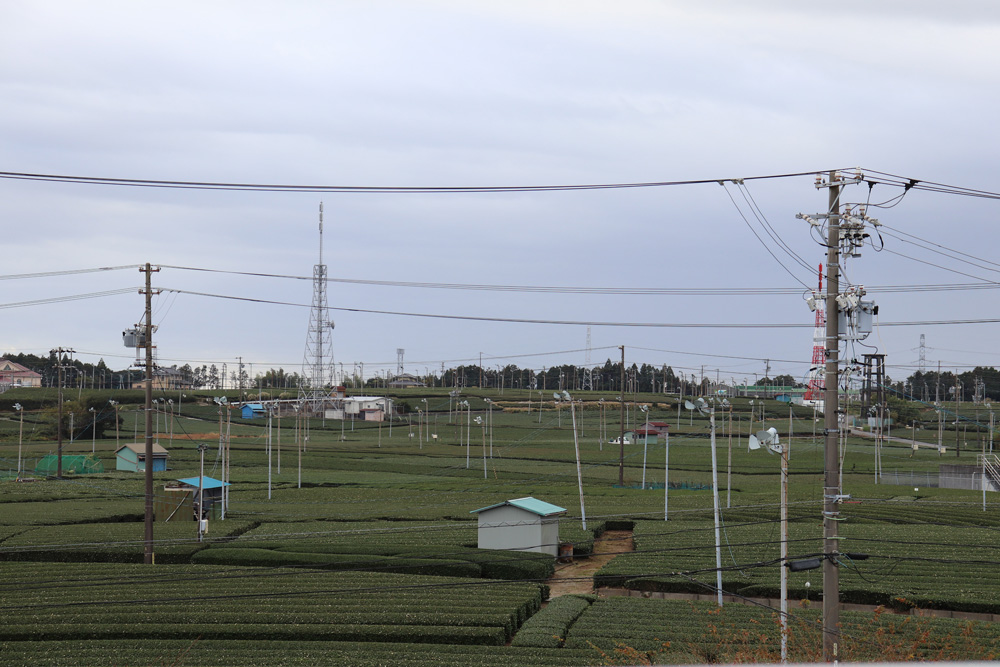
Tea producers adjust the steaming, rolling and final firing processes according to the condition of the freshly harvested leaves grown in each particular environment. Among these variables, the way the leaves are steamed is especially important in understanding the different characteristics of sencha.
How Steaming Shapes Sencha: Asamushicha (Light Steamed Tea) and Fukamushicha (Deep Steamed Tea)
Steaming is one of the most important stages in sencha production, influencing both the flavour of the finished tea and the condition of the leaves. Once freshly picked, tea leaves gradually begin to oxidise through the action of enzymes naturally present in the leaf.
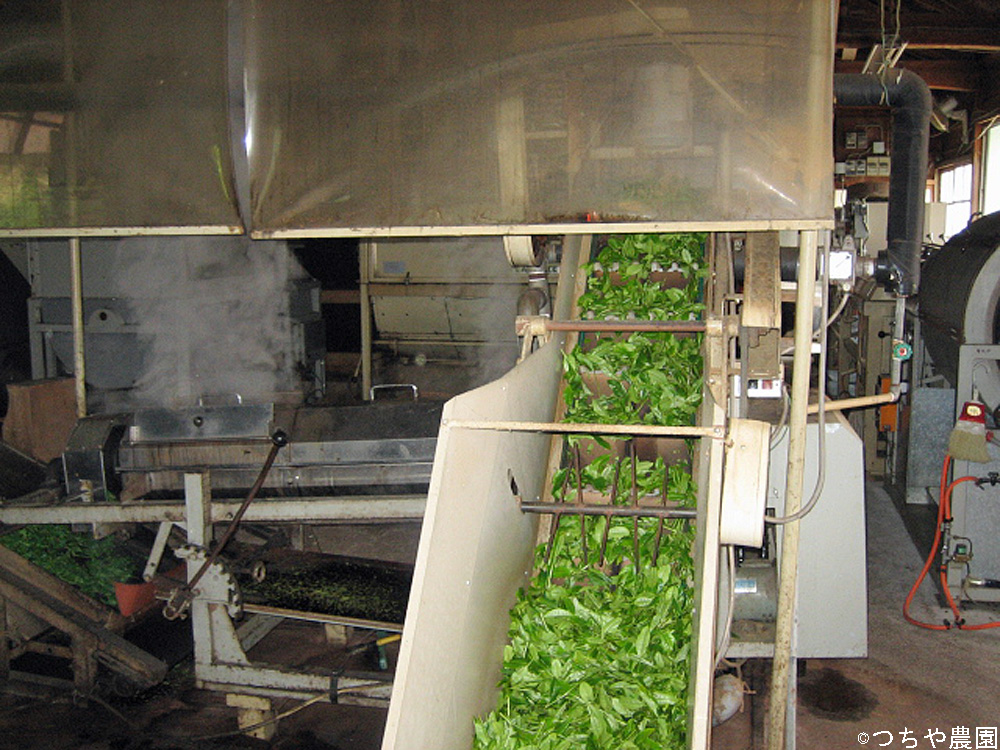
In the production of Japanese sencha, a type of steamed green tea, the fresh leaves are first heated with steam to halt this enzymatic oxidation. This process is known as steaming, or jōnetsu in Japanese.
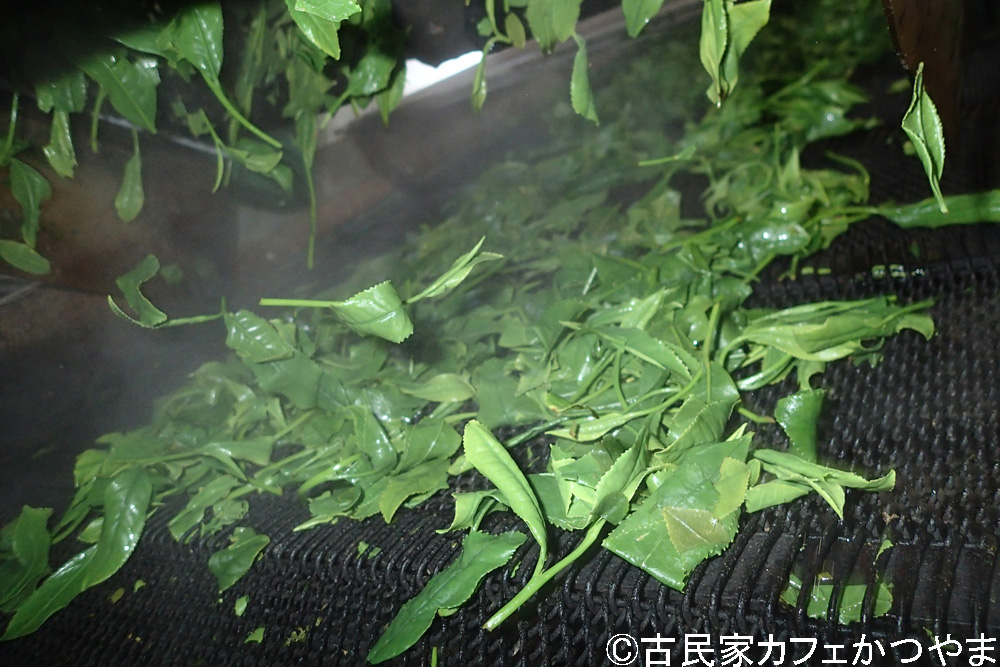 ▲ The steaming process. After this stage, the leaves are rolled while their moisture content is gradually reduced, eventually becoming sencha.
Not all sencha, however, is steamed in the same way. Tea steamed for a relatively short period is known as asamushicha, or light steamed tea. Tea given a more standard steaming time is called futsumushi-cha or chūmushi-cha, while tea steamed for longer is known as fukamushicha, or deep-steamed tea.
With shorter steaming, the leaves tend to retain more of their original shape even after the subsequent rolling stages. Longer steaming, by contrast, softens the leaves, making them more likely to break into smaller pieces during processing. Steaming styles are sometimes classified according to fixed timings — for example, by defining a particular number of seconds as asamushicha or fukamushicha.
In practice, however, the steaming time is adjusted according to factors such as where the tea was grown, the condition of the fresh leaves, the cultivar, production conditions and the producer’s own approach to tea making.
In Shizuoka Prefecture, asamushicha is widely produced in mountainous tea-growing areas such as Kawane, while fukamushicha is particularly associated with flatter areas such as Makinohara.
These regional patterns are not absolute, however. The choice of steaming method also depends on the condition of the fresh leaves, the cultivar, production conditions and the intentions of the producer. Across Shizuoka’s tea-growing regions, these different approaches to steaming are used to produce a broad range of sencha, from lightly steamed asamushi to deeply steamed fukamushi.
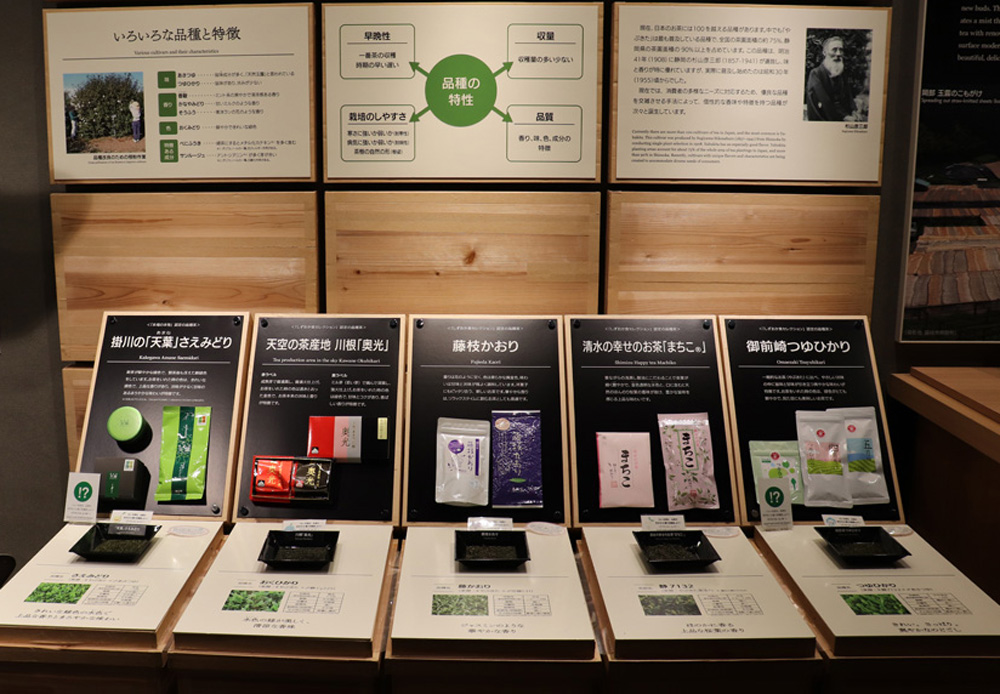
Differences in Tea Leaves and Liquor Colour between Asamushicha and Fukamushicha
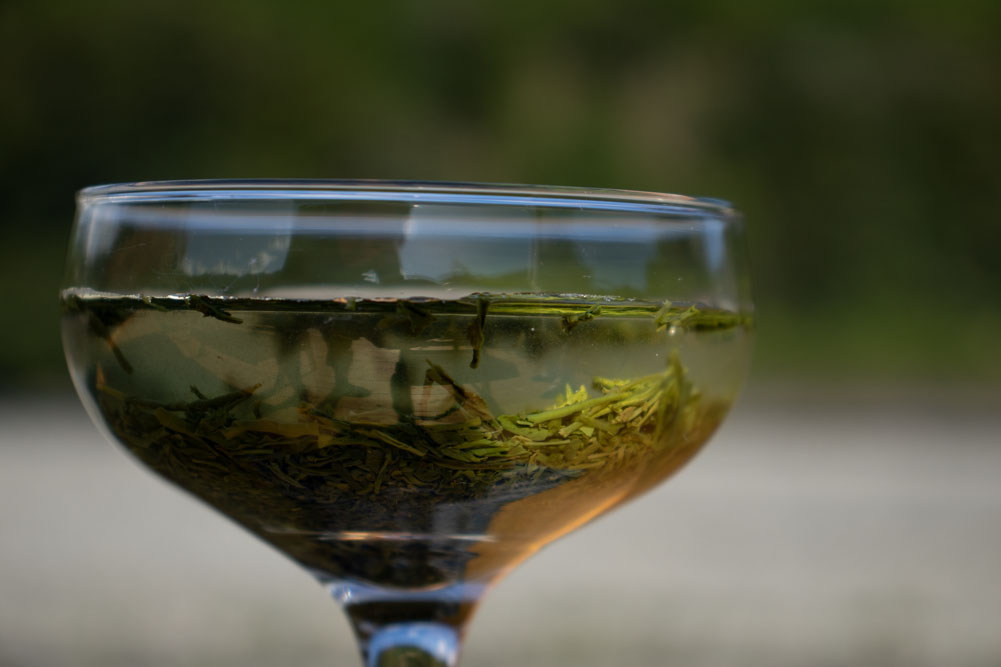
The difference in steaming time is also reflected in the appearance of the tea leaves and the colour of the brewed tea. These distinctions are particularly easy to see when asamushicha and fukamushicha are brewed side by side.
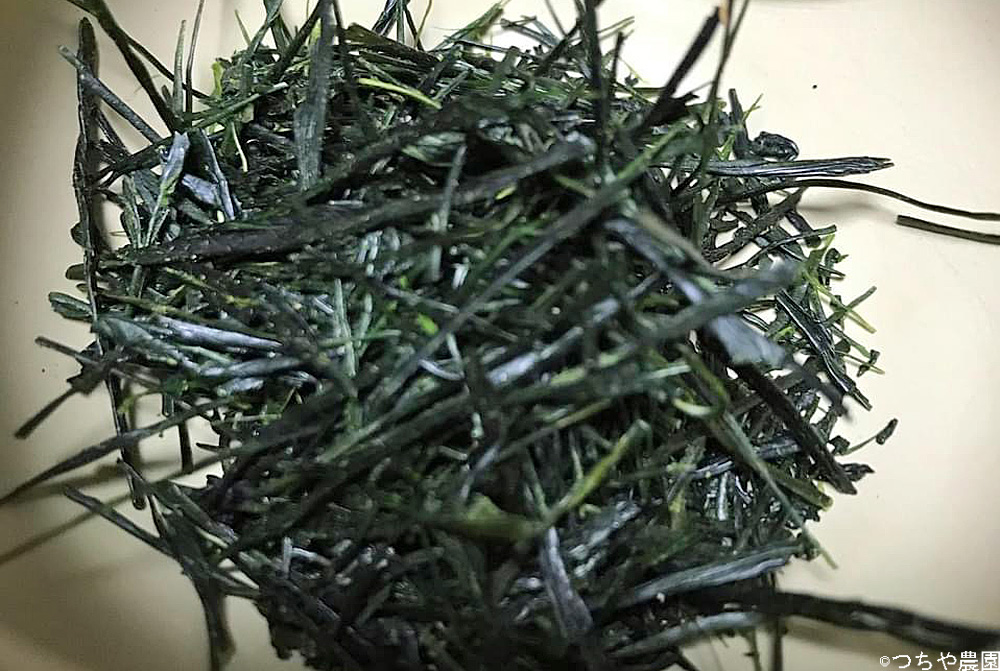
Because asamushicha is steamed for a shorter period, the structure of the leaves tends to remain relatively intact. Even after the rolling process, the finished leaves are therefore more likely to retain a slender, well-defined shape.
When brewed, asamushicha generally produces a clearer liquor than fukamushicha, often ranging from yellow-green to a pale green.
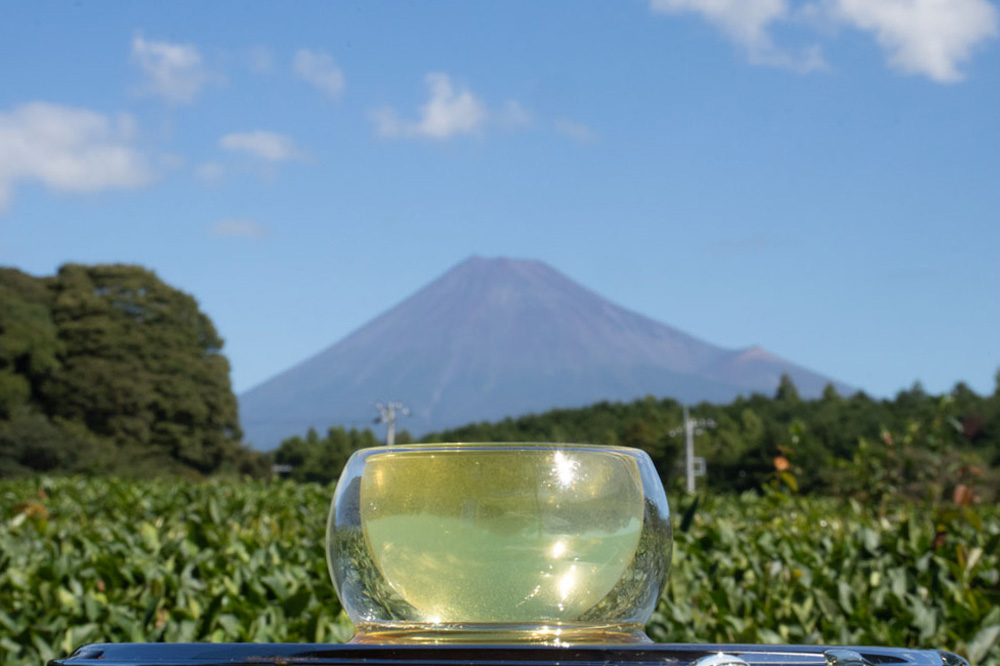
By contrast, the longer steaming used for fukamushicha softens the leaves, making their structure more prone to breaking down during the subsequent rolling process.
As a result, the finished tea may contain a greater proportion of small leaf particles and fine fragments. At first glance, the leaves may appear less intact, but this is a characteristic of the deep-steaming method rather than a sign of inferior quality.
When fukamushicha is brewed, some of these fine particles can pass through the mesh of the kyusu teapot and into the infusion, giving the liquor a deeper green appearance.
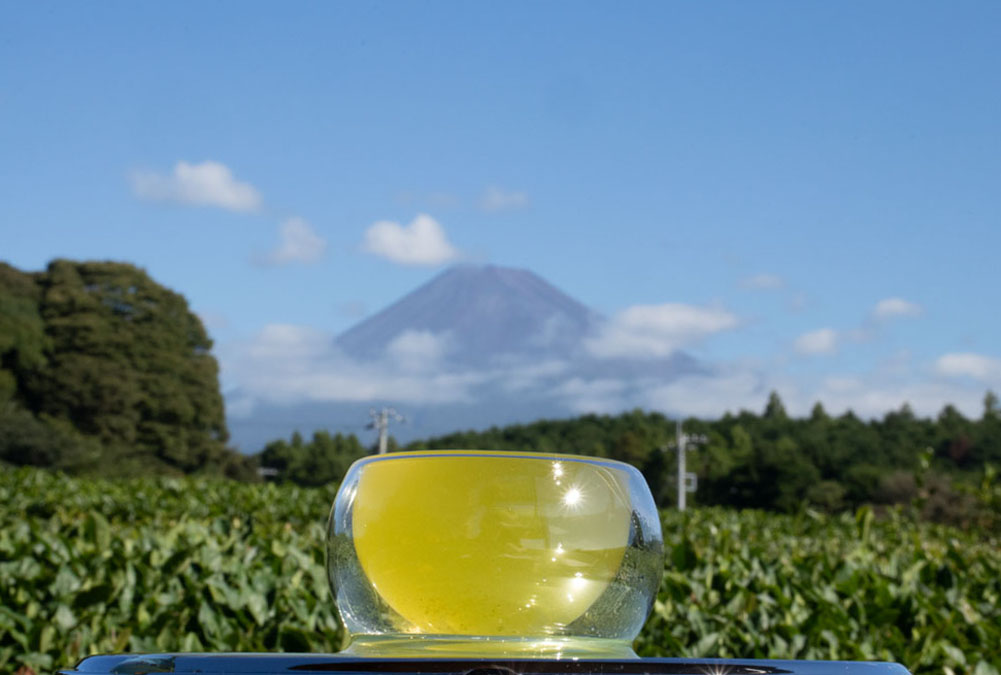
Kawane Asamushicha | Tea Growing at 600 Metres: The Approach and Character of Tsuchiya Farm
In the mountainous tea-growing areas of Kawane, Shizuoka Prefecture, asamushicha ( light steamed tea) is widely produced. Among them is Tsuchiya Farm in Kawanehoncho, whose tea fields lie at an elevation of around 600 metres.
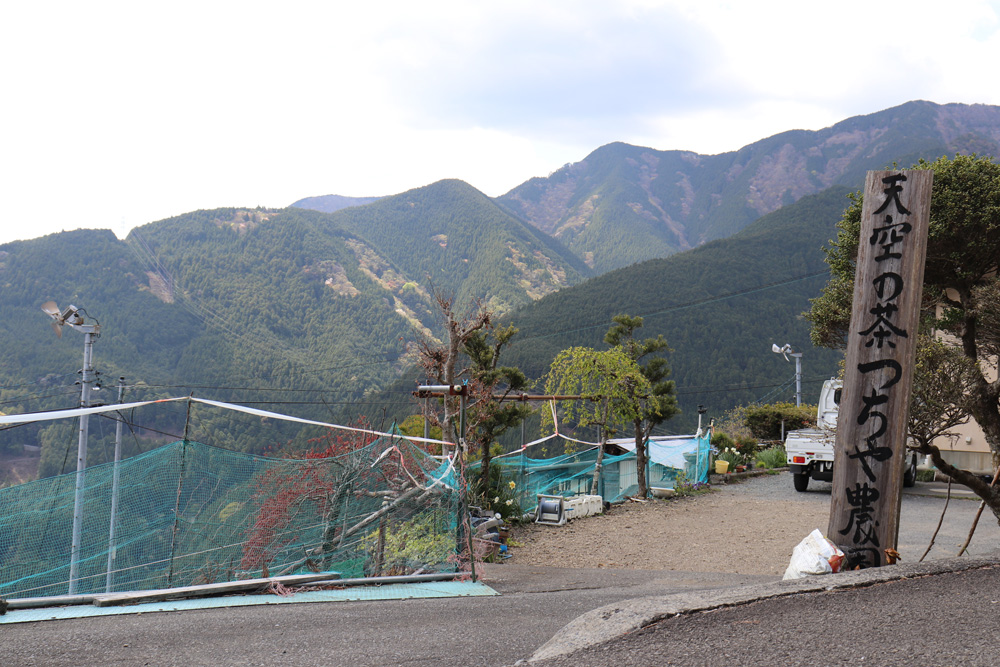
Tea leaves grown in Kawanehoncho’s cool, high-altitude environment tend to develop relatively thin leaf tissue, making them well suited to the shorter steaming process used for asamushicha.
After steaming, the leaves are carefully rolled and shaped into fine, slender needles with an attractive sheen. As they are less prone to breaking into fine particles, the brewed tea typically has a clear, golden liquor.
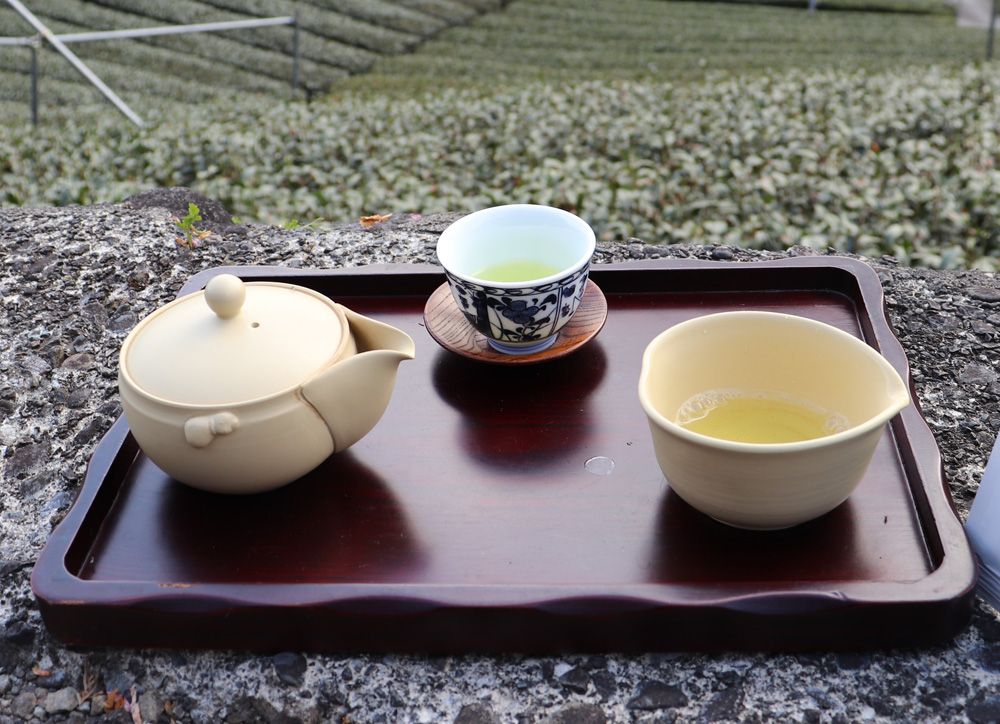
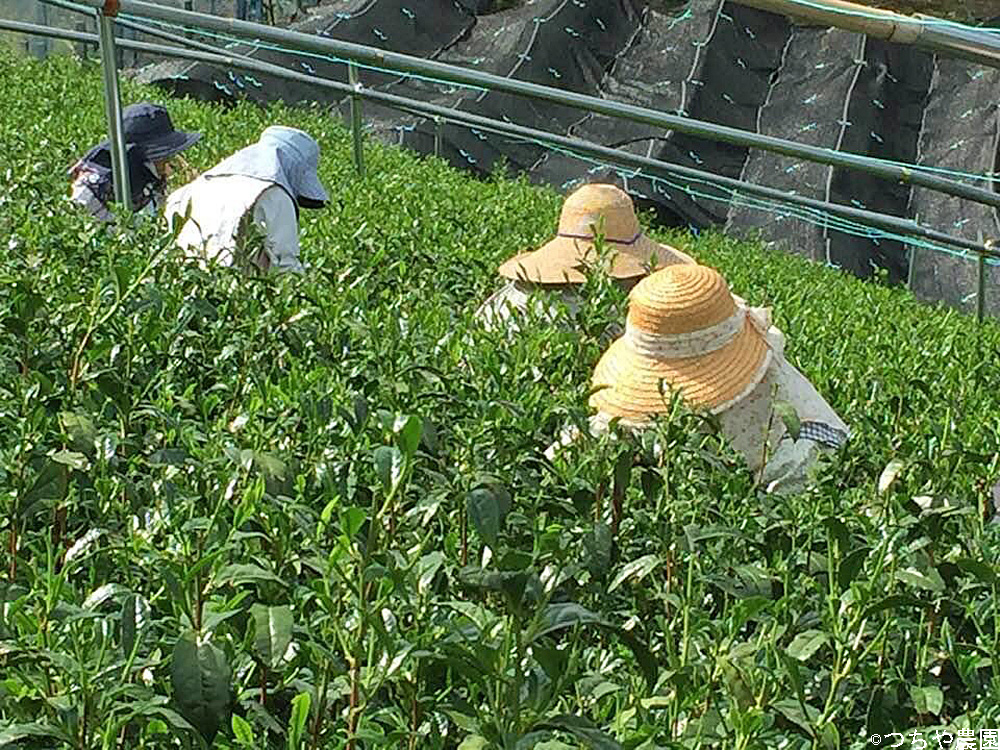
Compared with fukamushicha (deep steamed tea), asamushicha tends to retain more of the leaf’s natural aroma and a fresher, cleaner character. At Tsuchiya Farm, the leaves are also painstakingly harvested by hand, helping to ensure a more uniform leaf thickness and a finer, more delicate finish.
Once processed in this way, asamushicha is particularly suited to brewing at a relatively low temperature, which helps bring out the tea’s aroma and umami.
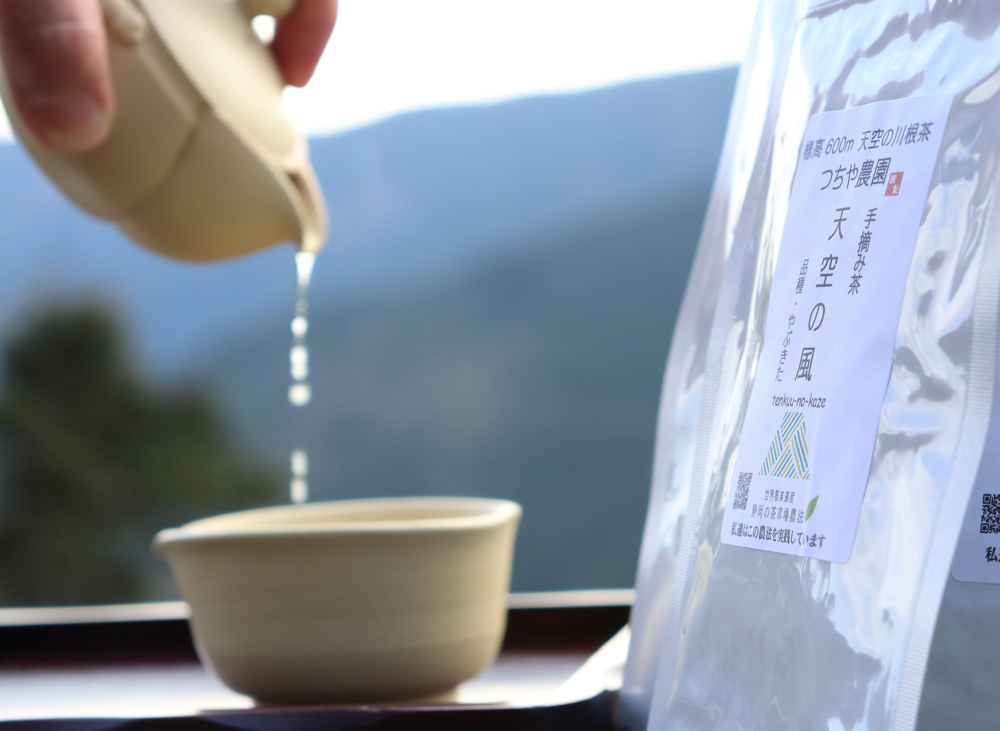
For more on Tsuchiya Farm’s approach to tea making and the asamushi sencha produced in the mountains of Kawane, see The Wisdom of Forefathers Behind Tsuchiya Nouen’s 600m-high Tea Cultivation [Kawane Tea, Shizuoka].
How to Brew Asamushicha: Exploring Changes in Flavour Through Water Temperature
In general, asamushicha, or lightly steamed green tea, is best brewed with water that has been allowed to cool slightly rather than with freshly boiled water. This makes it easier to achieve a balanced combination of umami and astringency.
However, the ideal water temperature and infusion time vary depending on the tea, so if the producer provides brewing instructions, it is worth trying their recommended method first.
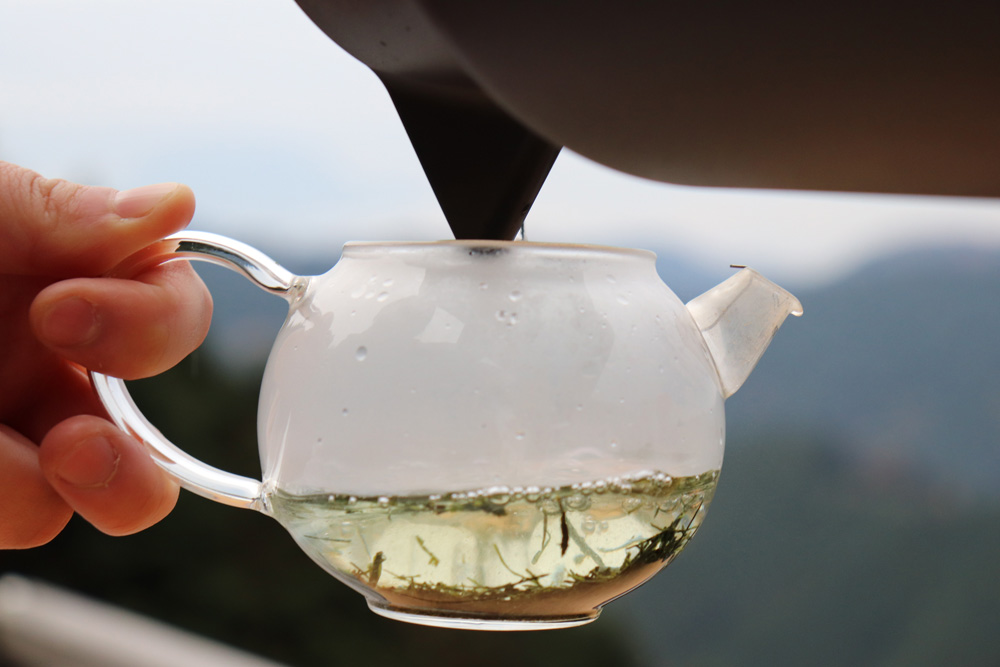
For those interested in experiencing how Kawane asamushicha is traditionally brewed, Fore Nakakawane is well worth visiting.
In the tea room, visitors can prepare and enjoy the tea themselves with guidance from the staff. The experience is also offered at an accessible price.
Among the teas served here is Tsuki no Hikari, an asamushicha produced by Aitoen, a Kawane tea farm with a strong record at tea competitions.
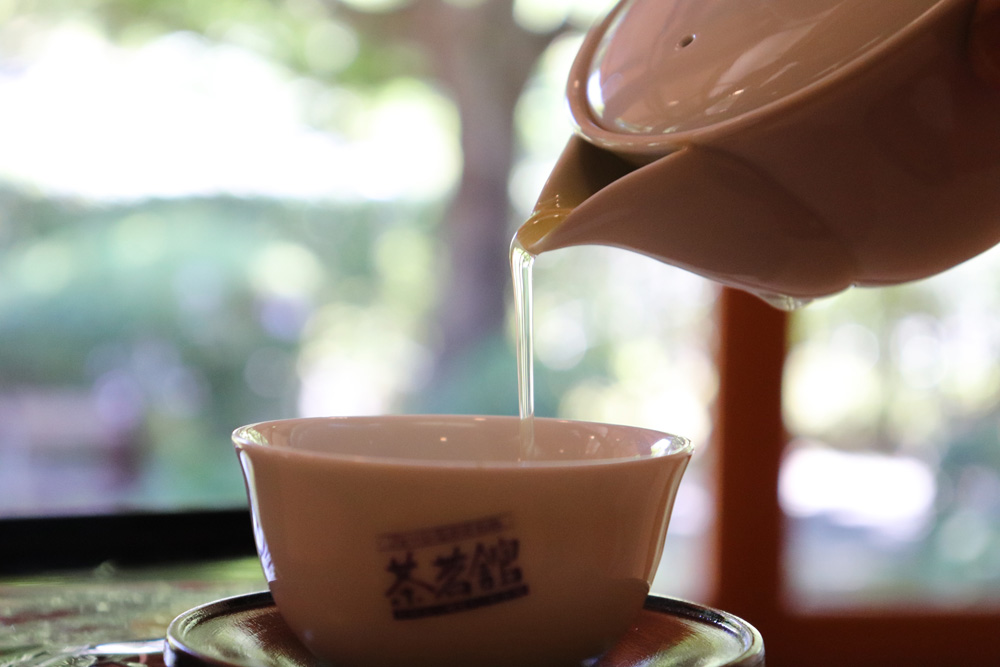
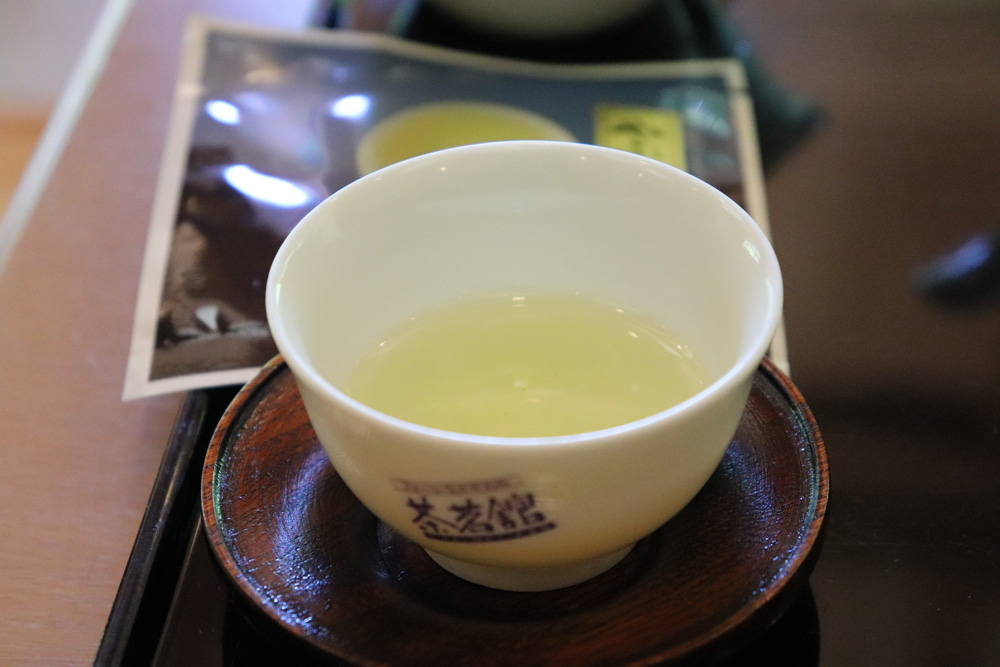
For the first infusion, using relatively low-temperature water brings out a rich depth of flavour, pronounced sweetness and a delicate mouthfeel. For the second and third infusions, gradually raising the water temperature introduces a cleaner astringency, giving the tea an increasingly fresh and brisk character.
Rather than expecting the same flavour from the first infusion through to the third, part of the appeal of asamushicha lies in adjusting the water temperature and observing how the leaves slowly unfurl and the character of the tea changes with each brew.
Fukamushicha (Deep-Steamed Tea) from the Expansive Makinohara Plateau | Why Thick Tea Leaves Are Steamed for Longer
Shizuoka Prefecture is home to several tea-growing regions known for producing fukamushicha (deep steamed tea). One of the best known is Makinohara.
Otsuka Seicha is a long-established tea company that produces and sells tea around the Makinohara Plateau in Shizuoka Prefecture. Across Makinohara, tea fields stretch over the broad plateau, where abundant sunlight is said to encourage the growth of relatively thick, fleshy leaves.
These leaves are steamed for an extended period to produce fukamushicha. Shizuoka Prefecture also notes that fukamushicha, made by steaming the thick leaves grown under Makinohara’s plentiful sunshine for longer, is the predominant style of tea in the area.
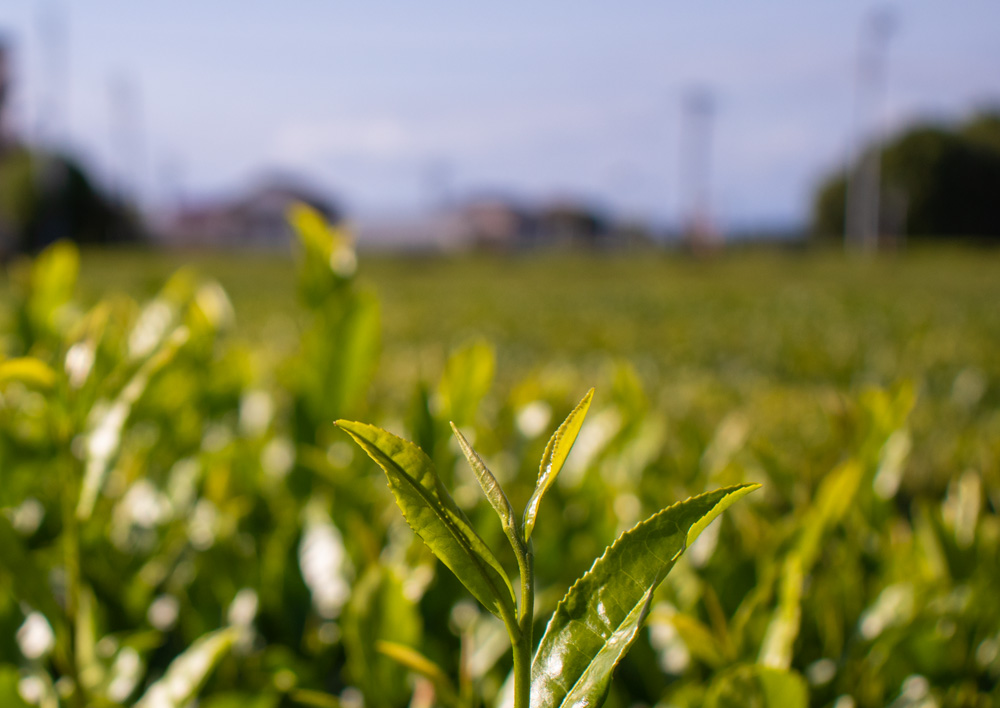
The longer steaming process softens the leaves, making them more likely to break into fine particles during the subsequent rolling stages. When the tea is brewed, these fine pieces of leaf readily enter the infusion, often producing a deep green colour. On the palate, fukamushicha tends to have a fuller body and a smooth, mellow character.
The fukamushicha produced by Otsuka Seicha are characterised by their deep green infusion and mellow flavour, with pronounced umami and richness.
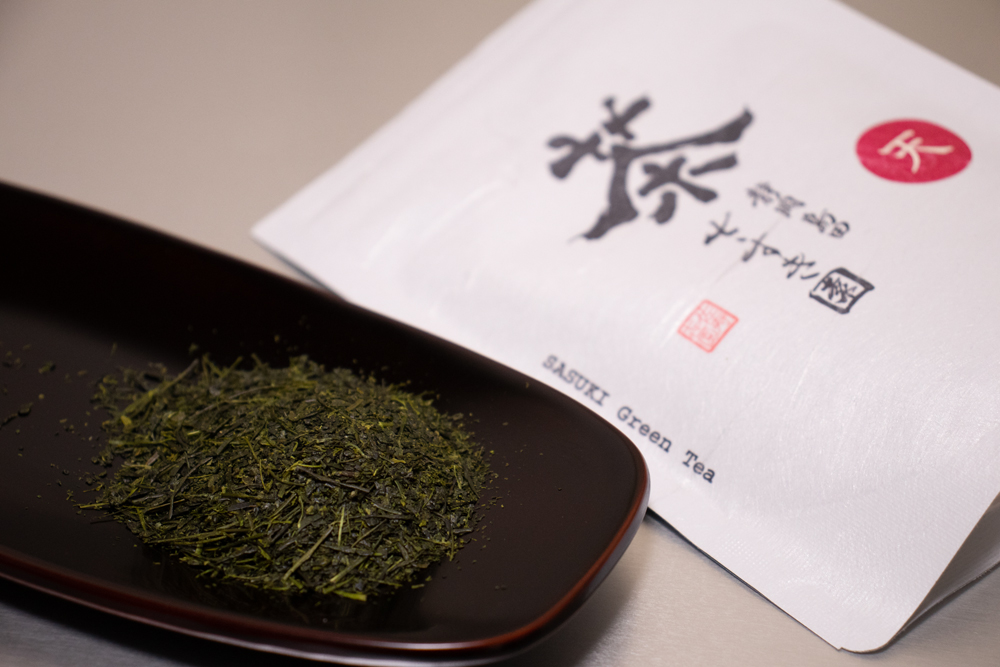
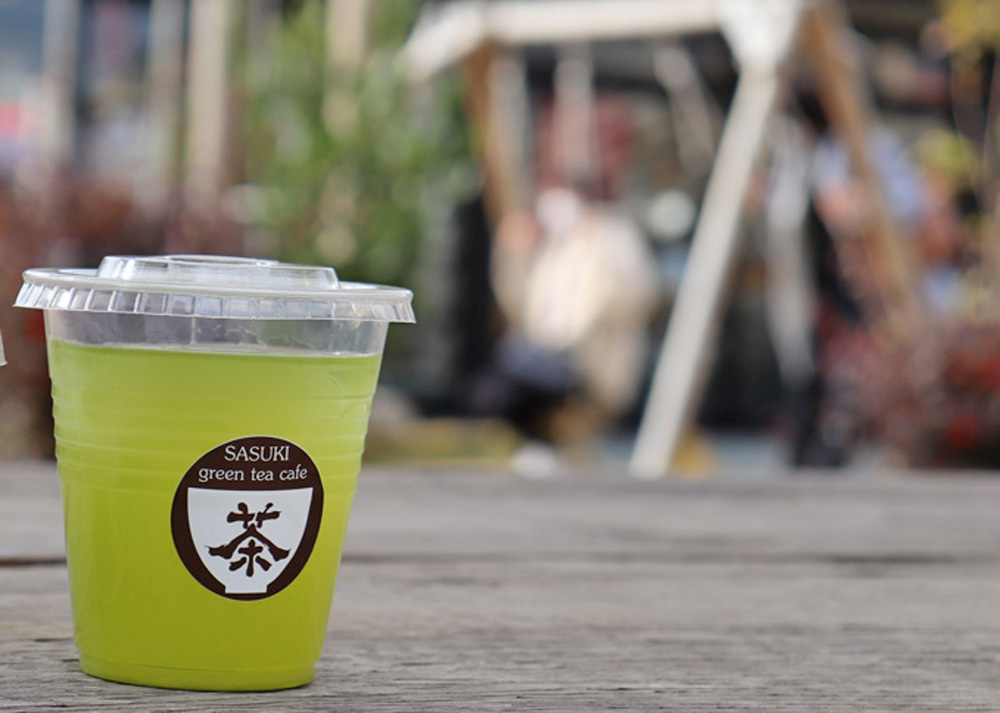
To learn more about Otsuka Seicha’s tea production at Sasuki-en, which it previously operated, as well as its efforts to bring tea directly to consumers, see Sasukien is a Tea Theme Park for Three Generation Families to Enjoy [Closed].
Please note that Sasuki-en, featured in the linked article, has since closed. Otsuka Seicha now operates its retail business in a different form.
How to Brew Fukamushicha | Steeping Time and Choosing the Right Kyusu
Fukamushicha releases its flavour and colour relatively quickly, even with a short steeping time. As the leaves tend to be finer, however, steeping for too long can result in an overly strong brew.
The smaller leaf particles can also pass through the strainer of a kyusu teapot more easily, so teapots fitted with a fine mesh are often used for fukamushicha.
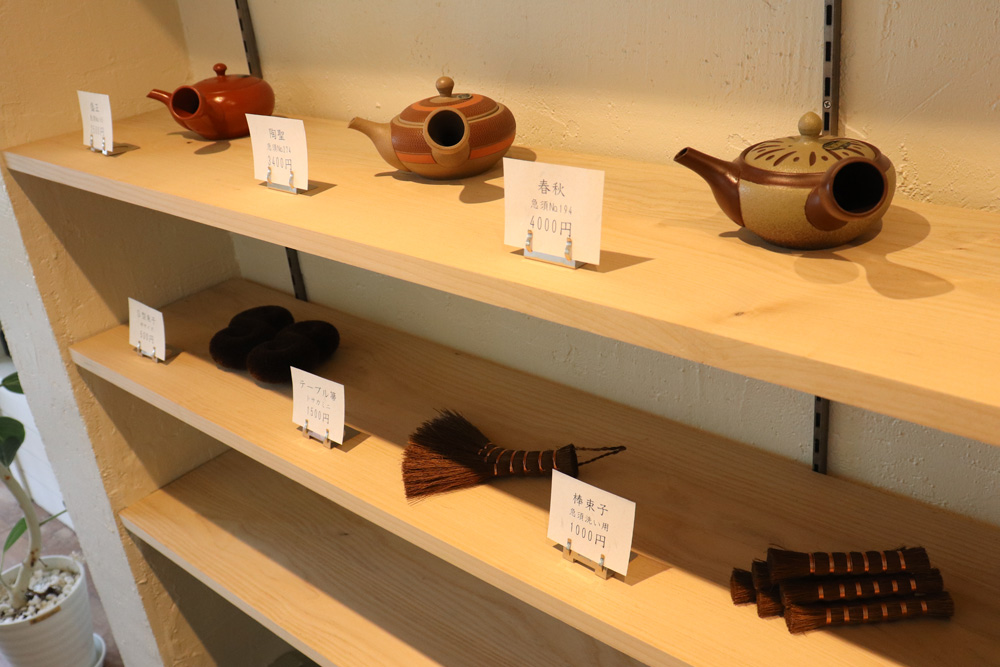
As with asamushicha (light steamed tea), Japan’s Ministry of Agriculture, Forestry and Fisheries recommends, as a general guideline for brewing sencha, using water at around 70–80°C and steeping the leaves for approximately 30 seconds to one minute.
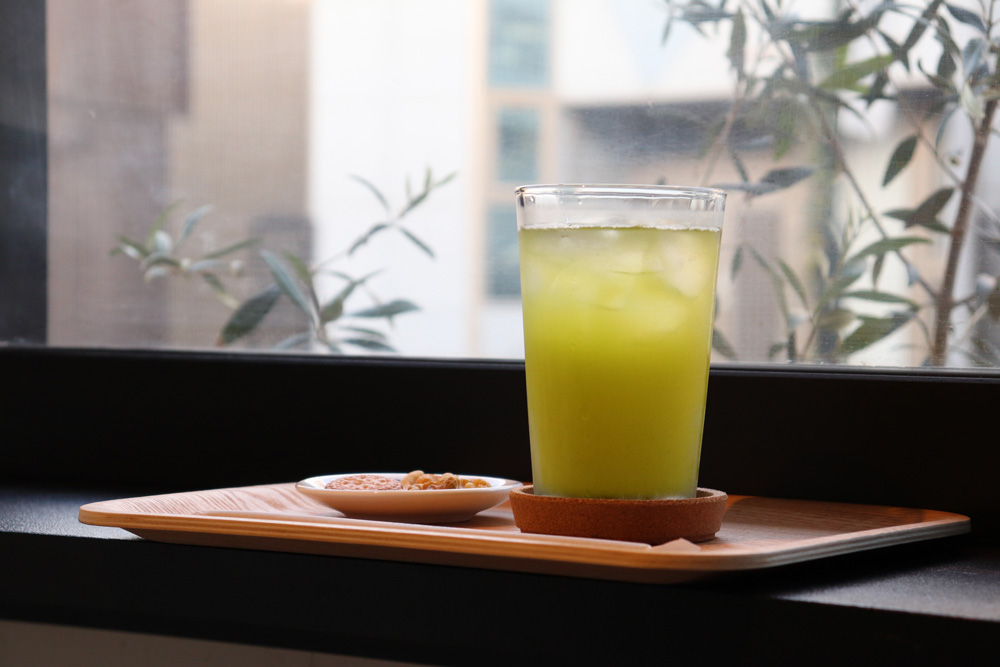 ▲ Iced fukamushicha is also a popular drink in Shizuoka.
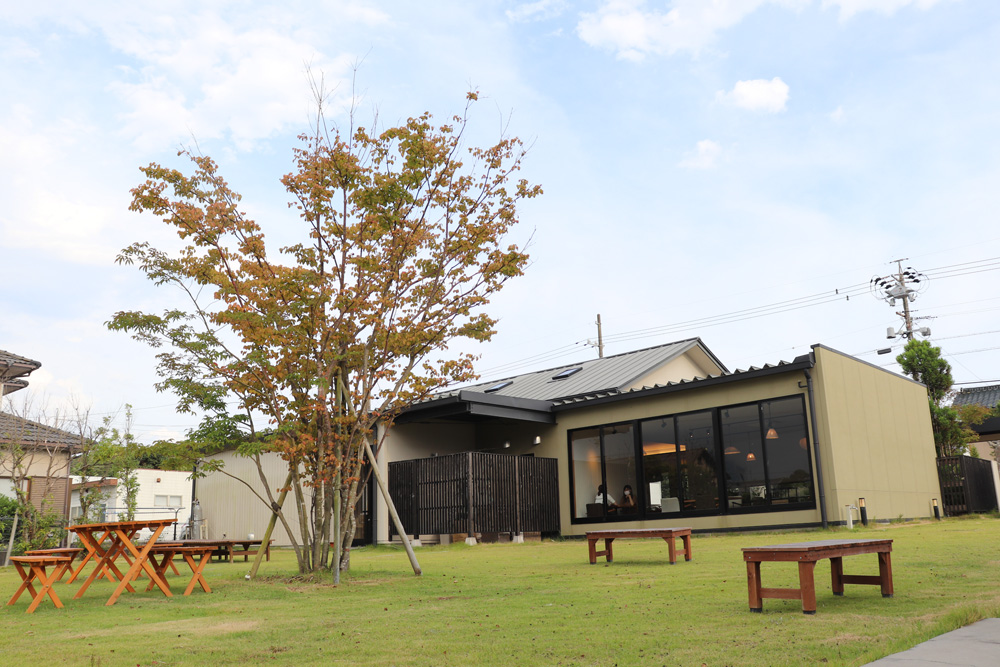
Enjoying Fukamushicha at Maruyo Chaya in Omaezaki
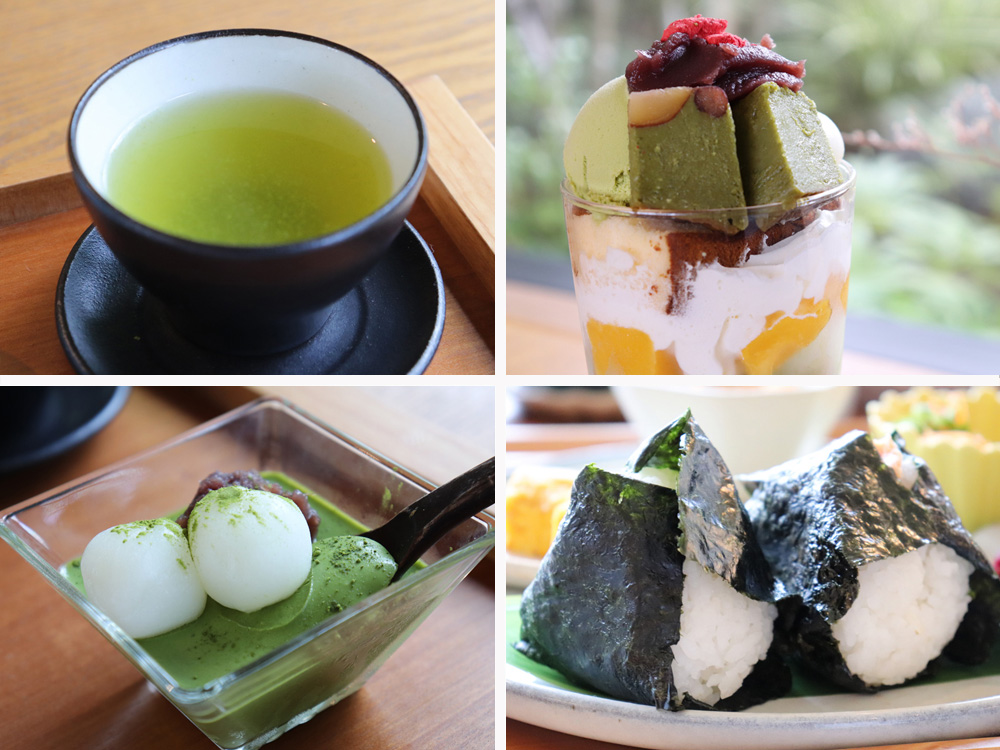
For those looking to enjoy good fukamushicha, Maruyo Chaya in Omaezaki City is well worth a visit. The tea shop offers a wide selection of teas centred on fukamushicha, alongside a varied lunch menu designed to pair well with Japanese tea.
The menu also includes sweets made with fukamushicha and onigiri rice-ball plates served with tea, allowing visitors to experience the character of this deeply steamed tea not only as a drink, but alongside both savoury dishes and desserts.
General Characteristics of Asamushicha (Light Steamed Tea) and Fukamushicha (Deep Steamed Tea)
To summarise the points covered so far, asamushicha (light steamed Tea) and fukamushicha (deep steamed tea) generally show the following characteristics.
| Comparison | Asamushicha (Light Steamed Tea) |
Fuakmushicha (Deep Steamed Tea) |
|---|---|---|
| Steaming | Relatively short | Relatively long |
| Appearance of the leaves | Leaves tend to retain their shape, often with a slender, well-formed appearance | Leaves tend to break down into smaller pieces |
| Colour of the infusion | Tends to be relatively clear | Often a deeper green and more opaque |
| Aroma | More likely to retain the tea leaves’ natural fragrance and fresh character | Longer steaming can soften grassy notes, giving some teas a gentler aroma |
| Flavour | May offer more clearly defined aromas, umami and astringency | May have greater richness and a rounder, smoother character |
| Brewing | Best extracted carefully, allowing the leaves time to unfurl | The finer leaves release flavour readily, so a shorter infusion can be sufficient |
| Representative areas visited in Shizuoka | Mountainous tea-growing areas such as Kawane | Flatland tea-growing areas such as Makinohara |
These are, however, only general tendencies.
The distinction between asamushicha and fukamushicha provides a useful starting point for understanding the character of the tea. In practice, however, flavour and aroma are shaped by a combination of factors, including cultivar, growing environment, harvest timing and hiire finishing, in which the tea is gently fired to refine its aroma and flavour.
It is therefore misleading to assume that all asamushicha will taste a certain way, or that every fukamushicha will share the same aroma.
Judging by the colour of the infusion alone, asamushicha can sometimes be mistaken for a tea with a weaker flavour than fukamushicha. In reality, some asamushicha have an intense umami character, while certain fukamushicha retain a fresh and lively aroma.

Nor can the two styles be classified simply by geography, with light steaming confined to mountainous regions and deep steaming to flatland areas. To understand how place and production method are connected, it is important to look closely at both the tea fields and the process of tea manufacture itself.
Is Mountain-Grown Tea Always Lightly Steamed? Discovering Fukamushicha (Deep Steamed Tea) in Setoya
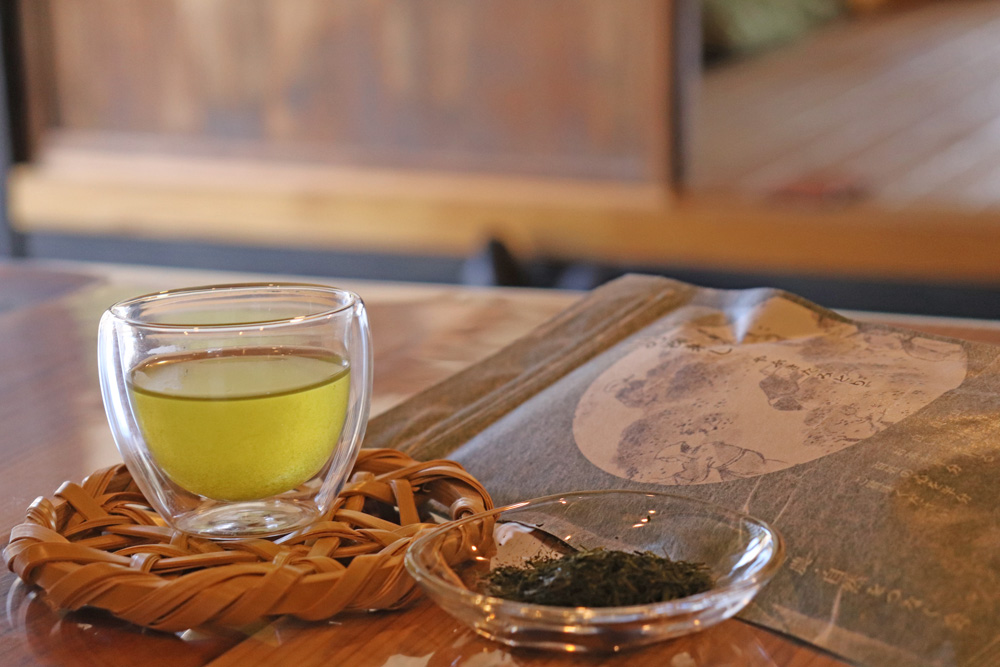
Yama no Fukamushi Yabukita Midori, produced by the Association Connecting People, Agriculture and Nature in Setoya, Fujieda, offers a different approach.
Tea leaves grown in the mountainous landscape of Setoya are deliberately steamed for longer and finished as fukamushicha (deep steamed tea). By carefully assessing the characteristics of the leaves from its own fields, the association uses deep steaming to bring out a mellow flavour and a rich green colour.
This example shows that the character of sencha is shaped not only by the land and the qualities of the freshly harvested leaves, but also by the producer’s judgement about how best to bring those qualities to expression.
To learn more about the Association Connecting People, Agriculture and Nature, its tea-making activities in Setoya, and Yama no Fukamushi Yabukita Midori, see Naturalitea’s Tea Crafting Community Grows from Setoya to the World [Fujieda Tea, Shizuoka]
Is Asamushicha (Light Steamed Tea) or Fukamushicha (Deep Steamed Tea) Better? The Answer Lies Beyond the Steaming Method
The character of sencha cannot be understood simply by dividing it into asamushicha (light steamed tea) and fukamushicha (deep steamed tea). Within both styles, flavour and aroma can vary considerably depending on where the tea is grown, the cultivar used and the producer behind it. In other words, neither asamushicha nor fukamushicha is inherently superior to the other.
Looking more closely at the land, cultivar, cultivation methods, tea processing and even the philosophy of the producer reveals a far greater depth to sencha, one of the most familiar forms of Japanese tea.
Try teas from different regions.
Try different cultivars.
Try teas made by different producers.
As you compare them, the diversity of sencha begins to emerge beyond the simple classifications of asamushicha and fukamushicha .
【Editor’s Note】OCHATIMES visits tea farms in person to document the people producing sencha and many other forms of Japanese tea. You can explore our previous features in Japanese Tea Farmers and Tea Farm Articles.
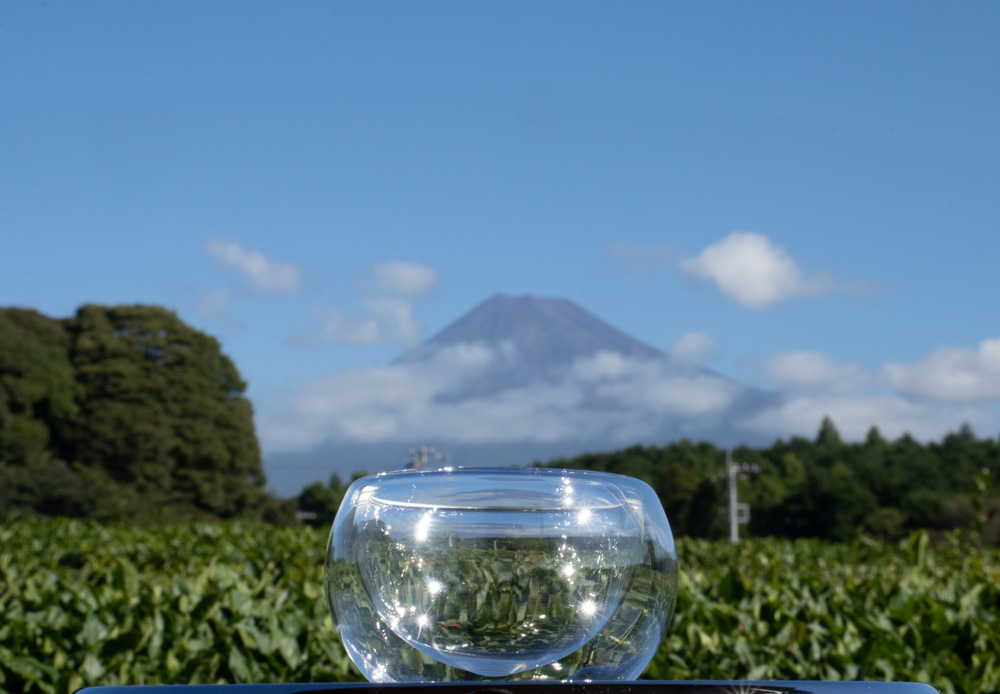
When comparing asamushicha and fukamushicha, look not only at the differences in the tea itself, but also at the land and the people behind each cup.
| Writer | Norikazu Iwamoto |
| Profile | Editor-in-Chief of OCHATIMES. Served as a judge for the Shizuoka 100 Teas Award from 2021 to 2025 and met with the Vice-Governor of Shizuoka Prefecture. OCHATIMES has been featured on or linked from the websites of the World O-CHA Festival, the University of Shizuoka Tea Science Center, the City of Green Tea Shizuoka, and Japan’s Ministry of Agriculture, Forestry and Fisheries. |
Related articles
-
Aitouen’s the world-renowned tea production in the face of a challenging climate within the Kawane tea brand【Kawanecha, Shizuoka Prefecture】
Every year, Japanese tea farmers pit their precious harvests...
OCHATIMES編集部
-
Umegashima Club Chai Project, a tea farm in the secluded village of Umegashima (Umegashima Black Tea, Shizuoka)
Umegashima, located about an hour's drive from downtown Shiz...
OCHATIMES編集部



 on the red bar to close the slide.
 to see the
distance between the current location to the Chaya.
to see the
distance between the current location to the Chaya.