

What Is Gyokuro? Characteristics, Growing Regions and How to Brew It
 Go to Japanese page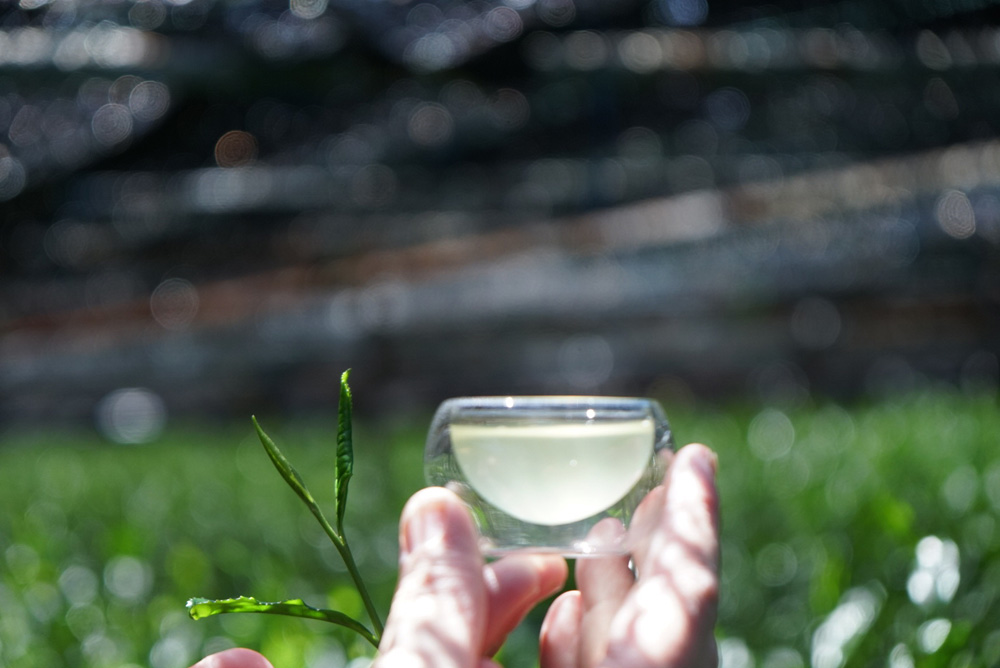
Gyokuro is one of Japan’s most highly regarded premium teas. While many people may be familiar with the name, fewer know what sets gyokuro apart, how it tastes, how it differs from sencha, or the best way to brew it.
OCHATIMES, a specialist Japanese tea media platform, visited the Asahina area of Fujieda, Shizuoka Prefecture, recognised as one of Japan’s three major gyokuro-producing regions, to speak with Yabuzaki-en, a tea producer known for its gyokuro.
Drawing on what we learned and experienced during our visit, this article explores the characteristics of gyokuro, how it is grown, its distinctive flavour and aroma, its principal producing regions, and how to brew it at its best.
What Is Gyokuro?
Gyokuro is a type of green tea and one of the many varieties of Japanese tea. Like sencha, it is made from the leaves of the same plant species, Camellia sinensis.

The main difference lies in how the tea is grown. For a set period before harvest, gyokuro tea fields are covered with materials such as como straw mats or kanreisha shade cloth to reduce the amount of sunlight reaching the leaves. This method is known as shaded cultivation.
Growing the tea under shade helps preserve higher levels of amino acids, which contribute to umami, while limiting the formation of compounds associated with bitterness and astringency.

Japan’s Ministry of Agriculture, Forestry and Fisheries describes gyokuro as tea made from leaves grown under shade for around 20 days, beginning when the new shoots of the first harvest start to emerge.
After harvesting, the leaves are steamed, rolled and dried. The result is gyokuro, characterised by its rich umami, gentle sweetness and distinctive aroma.
(For a detailed guide to the general characteristics of sencha, the differences between asamushicha (light-steamed) and fukamushicha (deep-steamed) tea, their production regions, flavours and brewing methods, see What Is Sencha? The Differences Between Asamushicha (Light Steamed Tea) and Fukamushicha (Deep Steamed Tea), Growing Regions, Flavour and Brewing.)

Gyokuro’s Rich Umami and Distinctive Ooika Aroma from Shade Cultivation
One of gyokuro’s defining characteristics is its rich umami, which fills the mouth, together with a distinctive aroma known as ooika. Unlike the flavours typically associated with Japanese tea, its depth of umami can sometimes be reminiscent of dashi or a savoury broth.
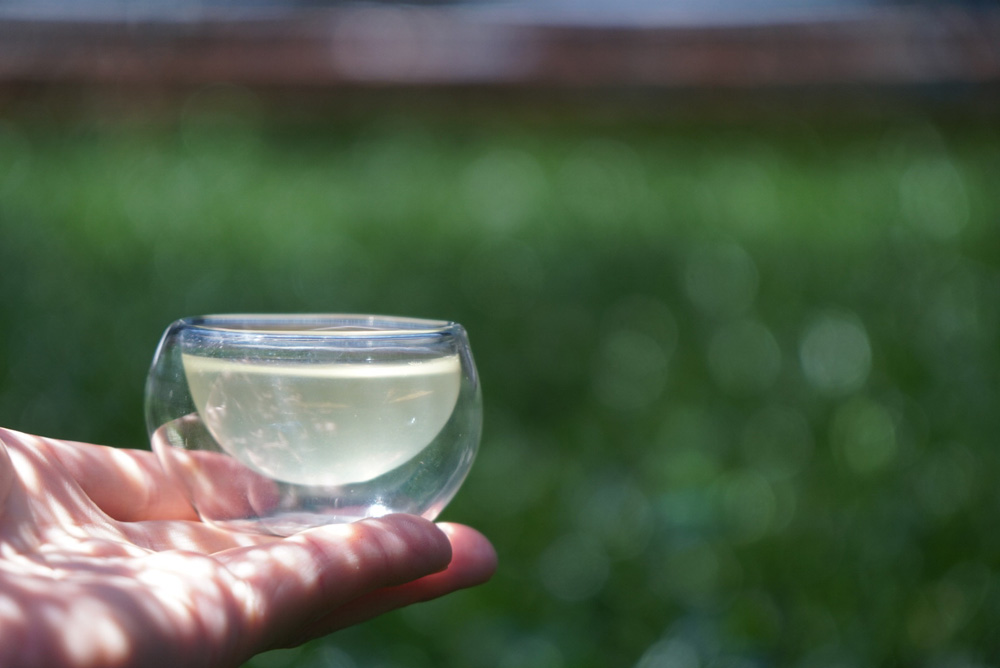
Tea leaves grown under shade also develop ooika, an aroma often likened to nori seaweed. This is one of the qualities that gives gyokuro its distinctive character. Asahina Gyokuro, in particular, is known for its rich umami and sweetness, as well as its pronounced nori-like ooika aroma.
(Matcha is another Japanese tea that uses shaded cultivation. However, tencha, the raw material used to make matcha, is processed differently from gyokuro. For more on the characteristics and production of matcha, as well as changes taking place in Japan’s tea-growing regions, see this article.)
However, even teas sold under the same name of “gyokuro” can vary considerably in flavour and aroma. The growing region, cultivar, cultivation and harvesting methods, finishing process, length of storage and brewing method can all influence the final cup.
Gyokuro is therefore more than simply a tea with strong umami. Like other Japanese teas, it has considerable depth, with differences in region and producer offering distinct expressions to explore.
Tasting Uji Gyokuro, Yame Gyokuro and Asahina Gyokuro side by side reveals clear differences in character. From my own experience, I found the ooika aroma to be most pronounced in Asahina Gyokuro.
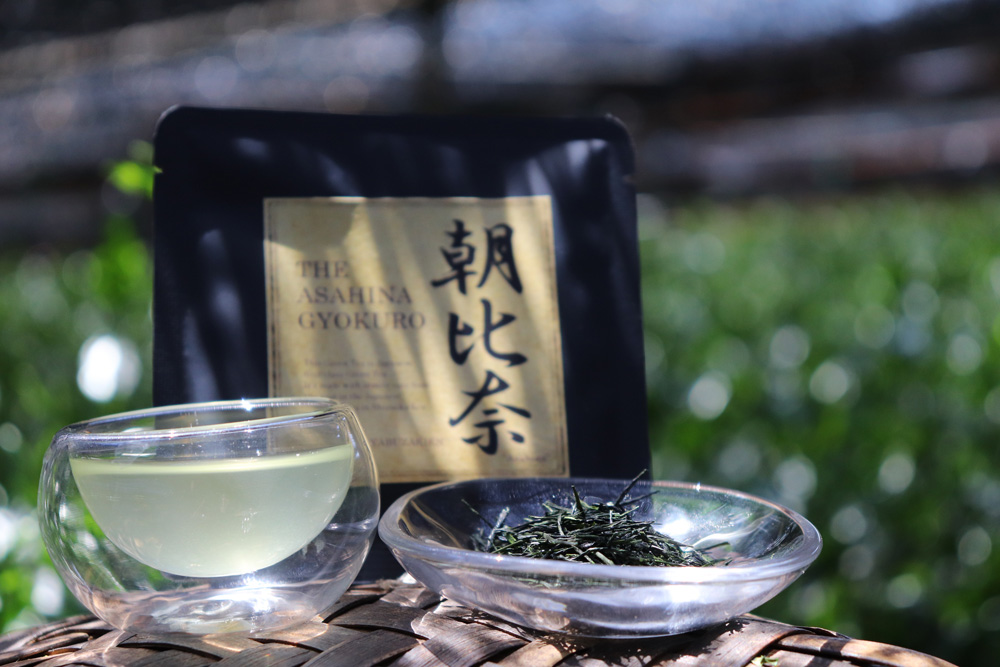
Why Is Gyokuro Considered a Premium Tea?
One reason gyokuro is regarded as a premium tea is the amount of time and care required from cultivation through to harvest. Before picking, growers construct frameworks over the tea fields and cover them with materials such as traditional straw screens or modern shade cloth to control the amount of sunlight reaching the leaves.
Covering the plants is only the beginning. Throughout the shading period, growers must continue to monitor the condition and development of the leaves carefully.

Conditions beneath the covering can change considerably, particularly in terms of temperature and humidity. Managing the plants therefore requires a different set of skills and experience from open-field cultivation, including careful attention to pests and disease.
Not all gyokuro, however, is picked by hand. Some is machine-harvested, and cultivation methods, harvesting techniques, quality and price vary widely.

Many gyokuro-growing areas also include tea fields on steep or mountainous terrain. In some places, large-scale mechanisation is difficult, which is one reason production can remain limited.
Rather than viewing all gyokuro in the same way simply because it carries the name, it is more useful to consider where it was grown, who produced it and how it was made. These factors make its value much easier to understand. With particularly high-quality gyokuro, considerable care is also devoted to harvesting and sorting the leaves.

One notable example is Asahina Tezumi Hon-Gyokuro, as defined by Fujieda City. To qualify, the tea must be made from first-flush shoots grown naturally beneath a traditional shading structure in tea fields in the Asahina district and picked by hand. The tender leaves are then processed and carefully rolled into their distinctive fine, needle-like shape.
Today, the number of people with the skill and experience needed for hand-picking is declining, making this method increasingly rare. It is this accumulation of labour, technique and experience that supports the quality of exceptional gyokuro and contributes to its value.
That value is also recognised overseas. Tohei Gyokuro from Asahina, Shizuoka, for example, is sold by specialist retailers in France and has earned recognition in international markets, particularly in Europe.

In the United States and some other countries, however, we were told that gyokuro is still relatively unfamiliar. Its pronounced umami, sometimes reminiscent of Japanese dashi stock, is one of the qualities that makes the tea so distinctive. At the same time, it may be a flavour that takes some getting used to in regions where this kind of savoury profile is less familiar.
Major Gyokuro-Producing Regions in Japan
Three regions are widely recognised as Japan’s leading producers of gyokuro:
• Uji, Kyoto Prefecture
• Yame, Fukuoka Prefecture
• Asahina in Fujieda, Shizuoka Prefecture
Each has developed its own tradition of gyokuro production, shaped by the local environment and generations of cultivation and tea-making practices. OCHATIMES visited Asahina in Fujieda, Shizuoka Prefecture, to see how gyokuro is produced there.
Editor’s note: The flavour and quality of Japanese tea, including gyokuro, are shaped not only by the environment of each growing region, but also by the decisions and techniques of individual producers. OCHATIMES visits tea farms across Shizuoka Prefecture to document their approach to tea cultivation and production. For more, see our Japanese Tea Farmers and Tea Farm Articles.
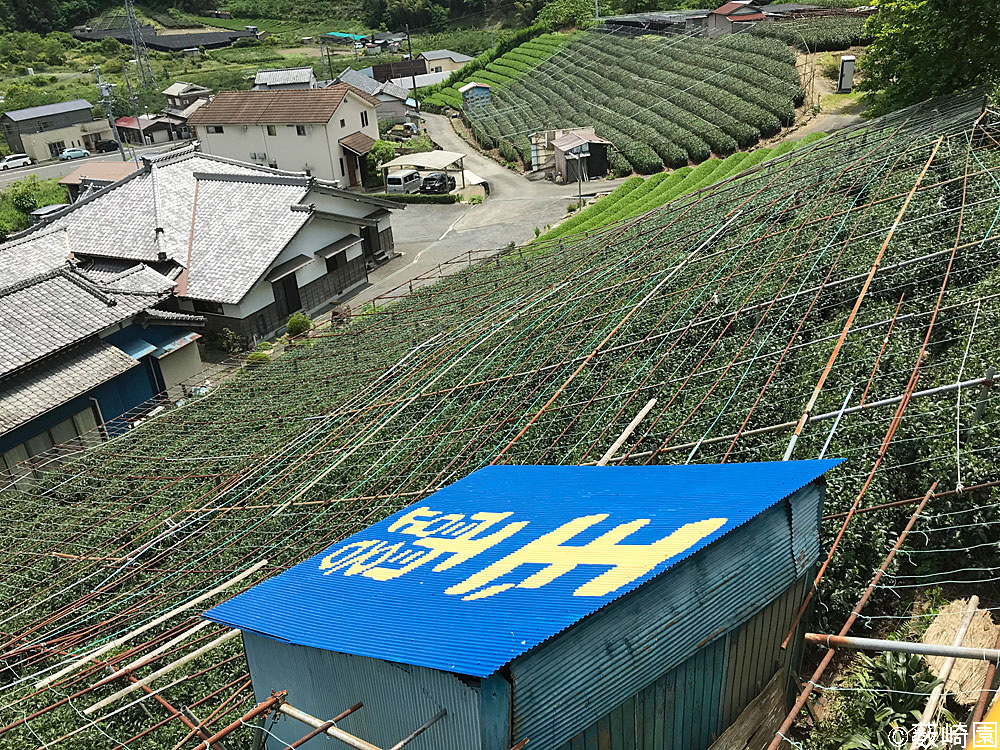
Asahina Gyokuro: One of Japan’s Three Great Gyokuro Regions
Tea is said to have been cultivated in the Asahina area as early as the Muromachi period, and gyokuro production was already taking place there by around 1897. OCHATIMES visited Yabuzaki-en, a tea producer in Asahina that makes both gyokuro and matcha.
Asahina is a mountainous area extending along the Asahina River. Its fertile riverside soils, together with the frequent mist and fog that bring moisture to the tea fields, create favourable growing conditions. The area also remains relatively cool from spring into early summer, making it well suited to the shaded cultivation used for gyokuro.


Natural conditions alone, however, do not produce high-quality gyokuro. During our visit to Yabuzaki-en, we learnt how quality depends on techniques passed down over many years, together with the producer’s own experience: when and how the plants are shaded, which leaves are selected for harvesting, how the tea is processed, and how it is finished.
One aspect that stood out was Yabuzaki-en’s approach to ageing the harvested tea rather than finishing it immediately.
Shincha, or first flush tea , is generally prized for the fresh, youthful aroma and character of leaves harvested in spring. With gyokuro, however, Yabuzaki-en does not seek simply to preserve this fresh green quality. Instead, the tea is rested in its aracha (unrefined tea), or unfinished, state so that the deeper aroma and flavour associated with gyokuro can gradually develop.
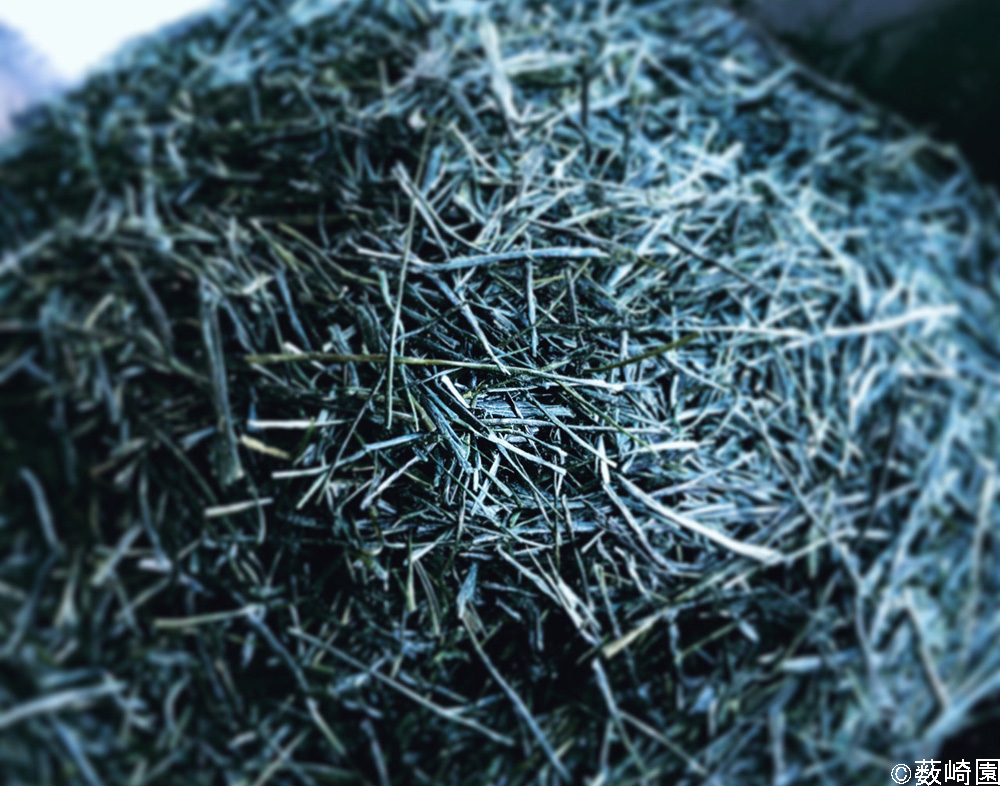
The condition of the leaves is assessed as they age, and the tea is finished when the time is judged to be right. In this respect, there is something of a parallel with wine, whose character can vary according to the vintage and the length of maturation.
We were also told at Yabuzaki-en that the skill of making como, the traditional straw mats used for shading tea plants, is still being passed down in the Asahina area today.

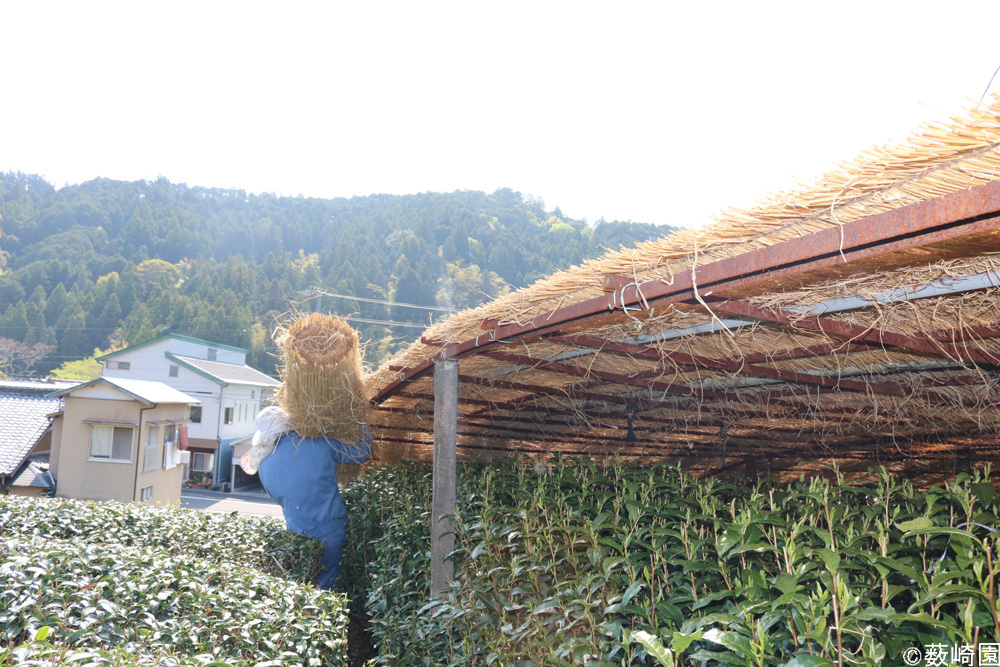
For a closer look at Asahina as a gyokuro-producing region and Yabuzaki-en’s approach to making gyokuro, see the article below.
How to Brew Gyokuro
Rather than being brewed quickly with hot water, gyokuro is best prepared slowly at a lower temperature to draw out its distinctive umami.
A basic brewing method is as follows:
• Tea leaves: about 5g
• Water temperature: around 50–60°C
• Brewing time: around 1 minute 30 seconds to 2 minutes
Begin by pouring hot water into the teapot and teacups. This warms the teaware while allowing the water to cool to the appropriate temperature. Once the water is ready, pour it over the tea leaves and leave them to steep without moving or disturbing them.


Pour out every last drop to enjoy the full depth of the gyokuro’s umami. When serving several cups, pour a little into each in turn so that the strength is evenly distributed.

Fujieda City also recommends a method that uses even cooler water and a smaller quantity of water, allowing the leaves to infuse slowly. The amount of tea, water temperature and brewing time can all be adjusted according to the type of leaves and personal preference.
The first infusion is the time to savour gyokuro’s characteristic richness, umami and sweetness. For the second and third infusions, slight changes to the water temperature, quantity and brewing time can reveal different flavours and aromas.
With tender, hand-picked gyokuro, the spent leaves themselves can also be eaten after brewing, often with a little ponzu, bonito flakes or salt.


While there are established guidelines for brewing gyokuro, there is no single correct combination of tea leaves and water temperature. A good place to start is with the method recommended by the producer or retailer, then adjust it gradually to suit your own taste.
Discovering the preparation you prefer is part of the pleasure of drinking gyokuro.
Taking Part in the Asahina Hand-Picked Hon-Gyokuro Brewing Grand Prix
Fujieda City also hosts the Asahina Hand-Picked Hon-Gyokuro Brewing Grand Prix, a competition in which participants put their skills to the test by preparing Asahina gyokuro. Entrants range from primary school children to adults, and I have taken part myself.

The tea leaves and water are provided at the venue. Participants can either borrow teaware there or bring their own. Yet even when everyone uses the same tea and water, the resulting flavour can vary considerably depending on how it is brewed.
Before entering, I visited a tea producer to learn how to prepare gyokuro properly and practised many times at home. Despite going into the competition well prepared, I was unable to achieve the flavour I wanted on the day and was eliminated in the preliminary round. Among those who made it through to the final were even some junior high school students.

The experience made me realise just how much the character of Asahina gyokuro depends not only on the tea leaves themselves, but also on the way they are brewed. Small differences in water temperature, infusion time and pouring technique can all be clearly reflected in the final cup.
Where to Experience Asahina Gyokuro
One of the best ways to deepen your understanding of gyokuro is to visit the region where it is produced and experience brewing it for yourself using traditional teaware.
Gyokuro no Sato
At Gyokuro no Sato in Okabe, Fujieda, visitors can enjoy gyokuro surrounded by the mountains and tea fields of Asahina.
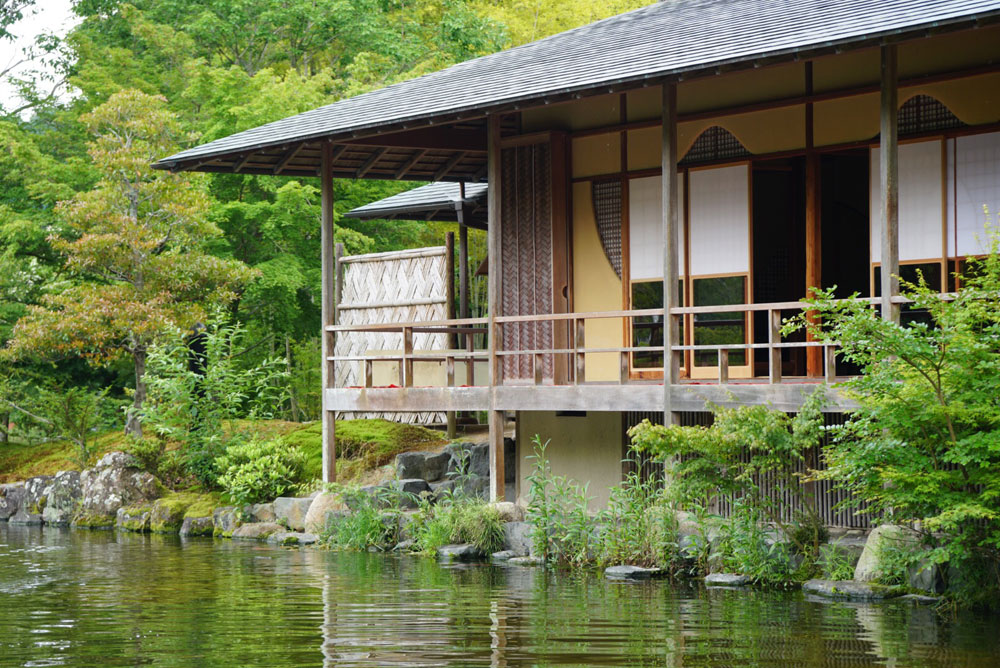
The on-site restaurant, Chanohanatei, serves dishes made with local ingredients, along with sweets featuring gyokuro and matcha. Within the Japanese garden, the Hyogetsutei tea house offers the chance to enjoy Asahina Gyokuro in a quiet, tranquil setting.
Gyokuro and Matcha Tasting in a Japanese garden in Gyokuro no sato (Asahina Gyokuro, Matcha)
COMO, Yabuzaki-en’s Gyokuro Specialist Shop
COMO, operated by Yabuzaki-en, is a specialist shop dedicated to Asahina Gyokuro.

Here, visitors can see and purchase gyokuro produced by the growers themselves, while learning about differences in provenance and individual teas. For those wishing to enjoy Asahina Gyokuro at home, it also offers a closer connection to the region where the tea is made.
The best way to understand gyokuro is not simply to read about it, but to taste it for yourself.
Begin by brewing it slowly with water at a low temperature, then notice how the flavour develops from the first infusion through to the third. You may discover a depth quite unlike your previous impression of Japanese tea — a world distinctive to gyokuro.
| Writer | Norikazu Iwamoto |
| Profile | Editor-in-Chief of OCHATIMES. Served as a judge for the Shizuoka 100 Teas Award from 2021 to 2025 and met with the Vice-Governor of Shizuoka Prefecture. OCHATIMES has been featured on or linked from the websites of the World O-CHA Festival, the University of Shizuoka Tea Science Center, the City of Green Tea Shizuoka, and Japan’s Ministry of Agriculture, Forestry and Fisheries. |
Related articles
-
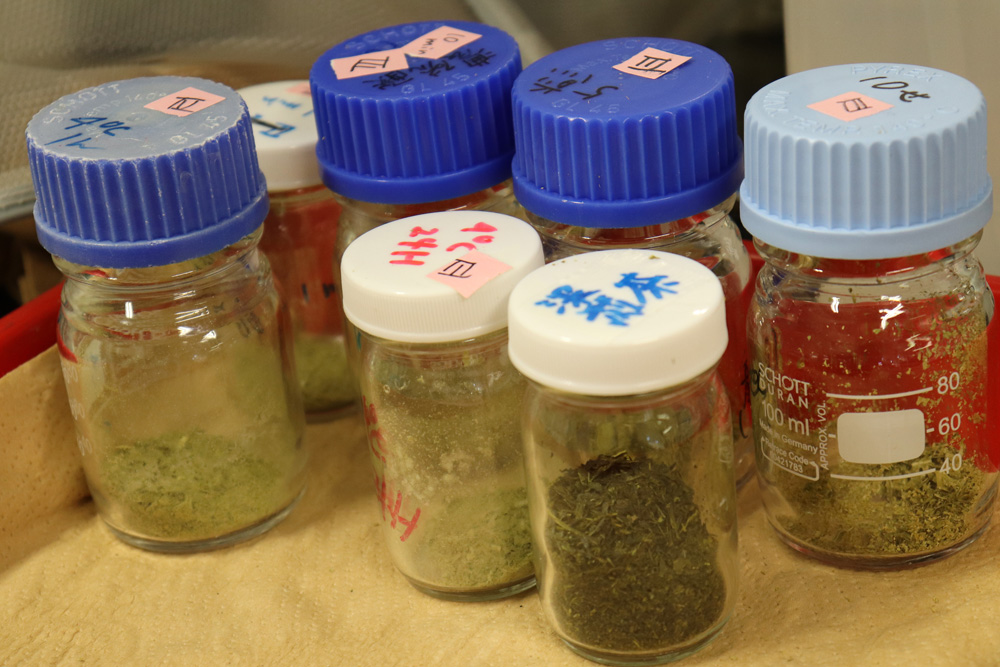
Insights from Dr. Yoriyuki Nakamura : Benefits, Culture, and History of Japanese Tea | University of Shizuoka Tea Science Research Center (Shizuoka City)
At the University of Shizuoka stands Japan’s first research ...
OCHATIMES編集部
-
![The Wisdom of Forefathers Behind Tsuchiya Nouen’s 600m-high Tea Cultivation [ Kawane Tea, Shizuoka]](https://ochatimes.com/en/wp-content/uploads/sites/3/2019/10/tutiya104.jpg)
The Wisdom of Forefathers Behind Tsuchiya Nouen’s 600m-high Tea Cultivation [ Kawane Tea, Shizuoka]
Tsuchiya Nouen is found at 600m elevation in a town called O...
OCHATIMES編集部



 on the red bar to close the slide.
 to see the
distance between the current location to the Chaya.
to see the
distance between the current location to the Chaya.