

What Is Matcha? How It Is Made, Its Characteristics, Growing Popularity and Changes in Japan’s Tea-Producing Regions
 Go to Japanese page
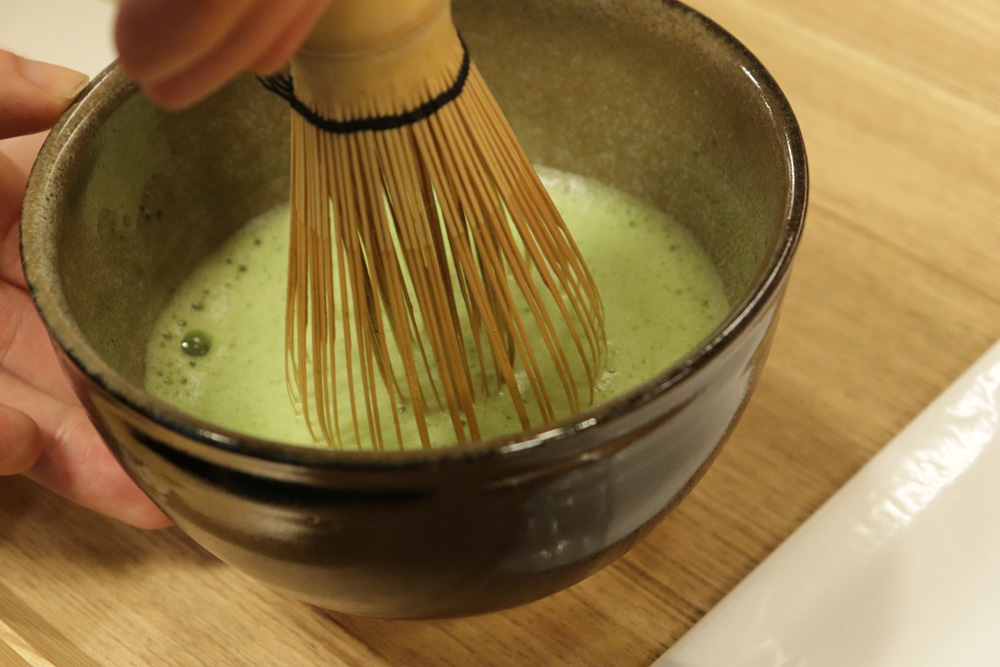
Matcha is a Japanese tea that has become increasingly popular not only in Japan but around the world. Once associated primarily with the Japanese tea ceremony, it is now enjoyed in many different ways, from matcha lattes in cafés to gelato, chocolate, bread and cakes.With its distinctive bright green colour and finely powdered appearance, matcha is sometimes mistaken for sencha that has simply been ground into a powder. In fact, matcha and conventional sencha differ in both how the tea plants are cultivated and how the harvested leaves are processed.
At OCHATIMES, a specialist Japanese tea publication, we have visited tea farmers, tea producers, tea merchants and Japanese tea cafés across Shizuoka Prefecture. Our reporting has taken us from the tea-growing regions where matcha production begins to the businesses that prepare and bring it to consumers.
Drawing on these first-hand visits, this article explores what matcha is, its defining characteristics and how it is made. We also examine how it differs from sencha and other powdered green teas, where it is produced in Japan, and how the ways people enjoy matcha continue to evolve.
What Is Matcha? Japanese Tea Made by Grinding Tencha
Matcha is a type of Japanese tea made by grinding tencha, its raw material, into a very fine powder using a stone mill or similar equipment. Tencha is produced from tea leaves grown under shade before harvesting. After the leaves are picked, they are steamed and dried without being rolled, unlike sencha.
In other words, matcha is not simply green tea that has been ground into powder. Its production begins in the tea field, with the cultivation methods used before harvest, and continues through the processing required to make tencha. The finished tencha is then refined by removing stems, leaf veins and other unwanted material before being ground into a fine powder, traditionally using a stone mill. The result is the matcha we know today.
The Difference Between Matcha, Sencha and Powdered Tea Made From Sencha
Matcha and sencha are both green teas made from the leaves of the tea plant, Camellia sinensis. The main difference lies in how the tea plants are cultivated and how the leaves are processed.
To make conventional sencha, freshly harvested leaves are steamed, then rolled and dried to produce aracha, or unrefined tea. The aracha is subsequently refined through processes such as sorting and hiire firing before being prepared as a finished product.
When teas such as sencha are ground into a powder using a grinding machine, the result is known as powdered tea made from sencha. Although it may look similar to matcha, it is a different product, made from different raw material and using a different production process.
(For more on the characteristics and production of sencha, including the differences between lightly steamed asamushicha and deeply steamed fukamushicha, see What Is Sencha? The Differences Between Asamushicha (Light Steamed Tea) and Fukamushicha (Deep Steamed Tea), Growing Regions, Flavour and Brewing.)
Matcha, by contrast, is made from tencha. The tea plants are shaded from sunlight for a set period before harvest, after which the leaves are steamed and dried without being rolled. This tencha is then ground into a fine powder using a stone mill or similar equipment to produce matcha.In other words, what distinguishes matcha from powdered teas made from sencha and other teas is that its raw material is tencha.
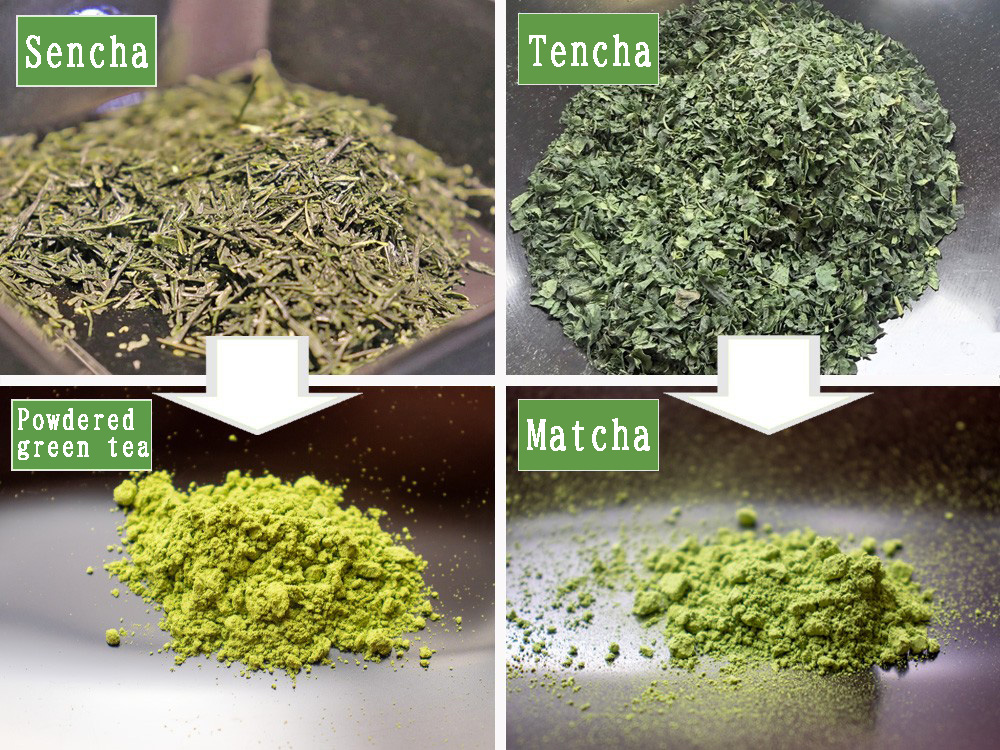 ▲ On the left is powdered tea made by grinding sencha; on the right is matcha made by grinding tencha. Colour can vary depending on factors such as cultivar, growing conditions and storage, so the two cannot be reliably distinguished by colour alone.
The History of Matcha | A Japanese Tea Shaped by Chanoyu (The Japanese Way Of Tea)
Tea has a long history in Japan. Records dating from at least 815, in the early Heian period, describe the Buddhist monk Eichū preparing tea and serving it to Emperor Saga.At the time, tea was consumed in the form of dancha, a compressed tea originating in Tang-dynasty China.Later, in 1191, the Buddhist monk Eisai is said to have returned to Japan from Song-dynasty China with tea seeds.
Around this period, a method of drinking tea known as tenchahou — in which powdered tea was mixed with hot water and whisked — was introduced to Japan. This practice would eventually develop into the traditions associated with matcha and chanoyu, the Japanese way of tea.
According to tradition, the monk MyōeShounin received tea seeds from Eisai and cultivated them at Kōzan-ji Temple in Toganoo, Kyoto, before helping to spread tea cultivation to Uji. By the Kamakura period, tea from Toganoo had become known as a high-quality product.
In the 15th century, tea from Uji gained the favour of the Ashikaga shoguns, helping to establish the area’s reputation as one of Japan’s leading tea-growing regions.
By the latter half of the 16th century, Uji had also developed Shaded cultivation (ōishita saibai), a cultivation method in which tea fields are covered to shade the young shoots from sunlight for a set period before harvest. This technique produced leaves with a vivid green colour, distinctive aroma, and pronounced umami and sweetness. As chanoyu culture developed, the production and refinement of matcha in Uji progressed alongside it.
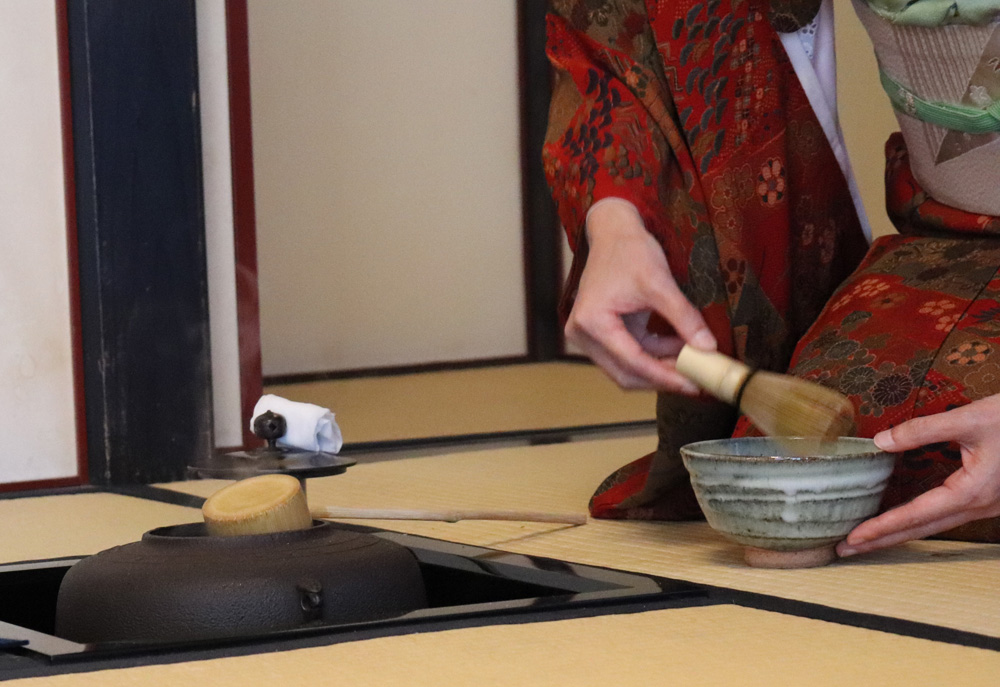
Today, the tradition of preparing and drinking matcha in chanoyu and the tea ceremony continues, while matcha is also widely used in lattes, confectionery and café menus. It has become a Japanese tea enjoyed not only in Japan, but around the world.
Where Is Matcha Produced? Japan’s Tencha Regions Beyond Uji
When people think of matcha, Uji in Kyoto is often the first place that comes to mind. Shaded cultivation (ōishita saibai) developed in Kyoto from around the 16th century, and in Uji, matcha evolved alongside the culture of chanoyu. Over time, the area established itself as one of Japan’s best-known centres of tencha and matcha production.
Today, however, tencha is produced on a substantial scale in several parts of Japan. According to the Ministry of Agriculture, Forestry and Fisheries report The Situation Surrounding Tea (as of July 2026), Kagoshima Prefecture was Japan’s largest producer of tencha in 2025, followed by Kyoto and Shizuoka. National tencha production reached 6,278 tonnes, around 3.2 times the level recorded in 2014.
Other areas also have established traditions of matcha and tencha production, including Nishio in Aichi Prefecture and parts of Fukuoka Prefecture.
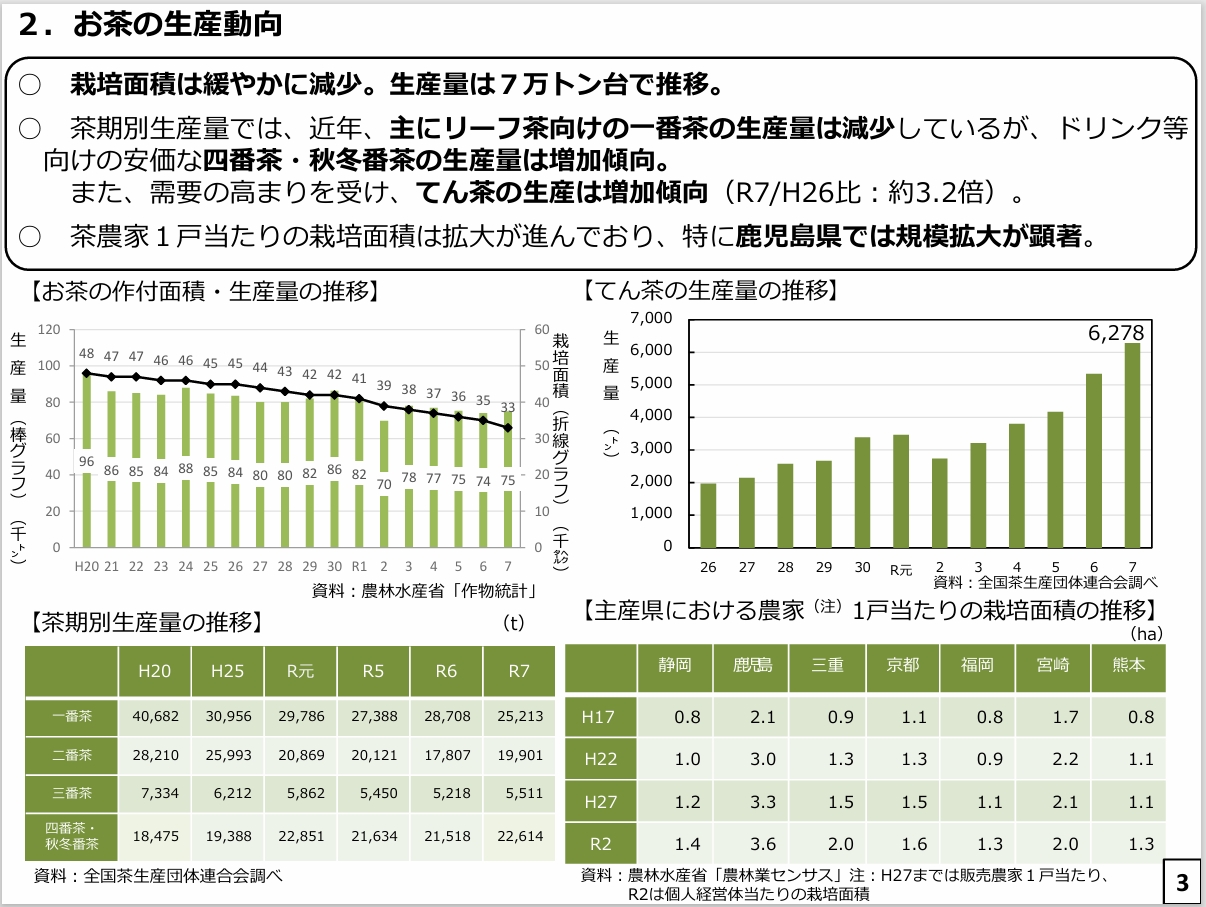 ▲ Trends in tencha production across Japan. Output reached 6,278 tonnes in 2025, approximately 3.2 times the level recorded in 2014. (Source: The Situation Surrounding Tea, Ministry of Agriculture, Forestry and Fisheries, as of July 2026)
As global demand for matcha continues to grow, tencha production is expanding into new areas across Japan. As a result, the regions traditionally associated with matcha are not necessarily the same as those producing the largest volumes of tencha today.
Shade Cultivation: How Matcha Develops Its Umami and Vivid Green Colour
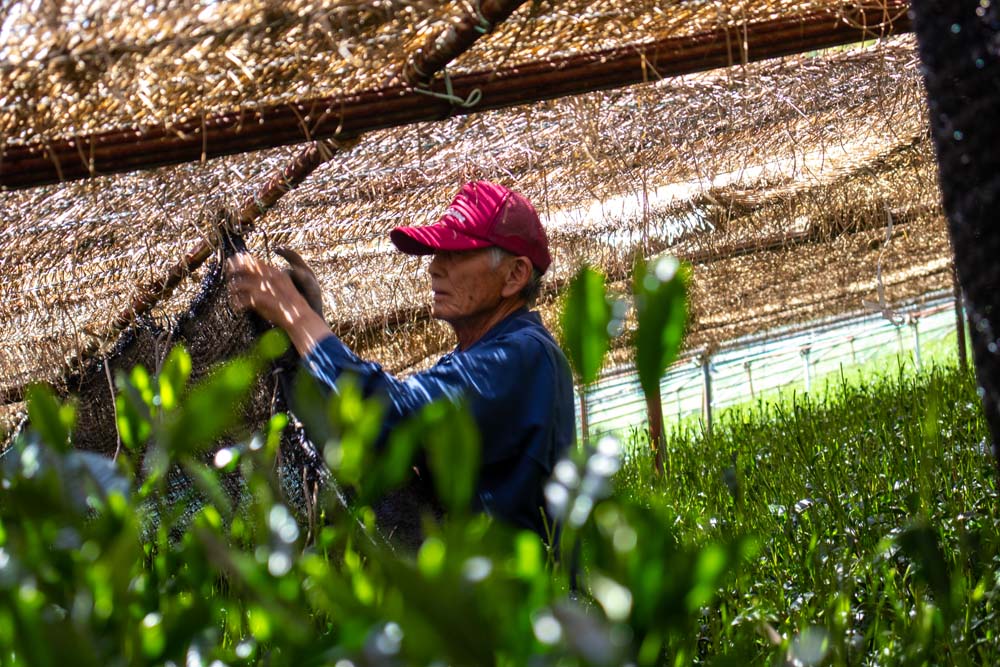
Shaded cultivation is an essential part of producing tencha, the raw material used to make matcha. For a set period before harvest, the tea plants are covered to reduce the amount of sunlight reaching the leaves. In tencha-producing tea fields, covering materials such as traditional woven straw mats (komo) or shade cloth(kanreisya) are used to shade the plants, typically for around two to three weeks before picking.
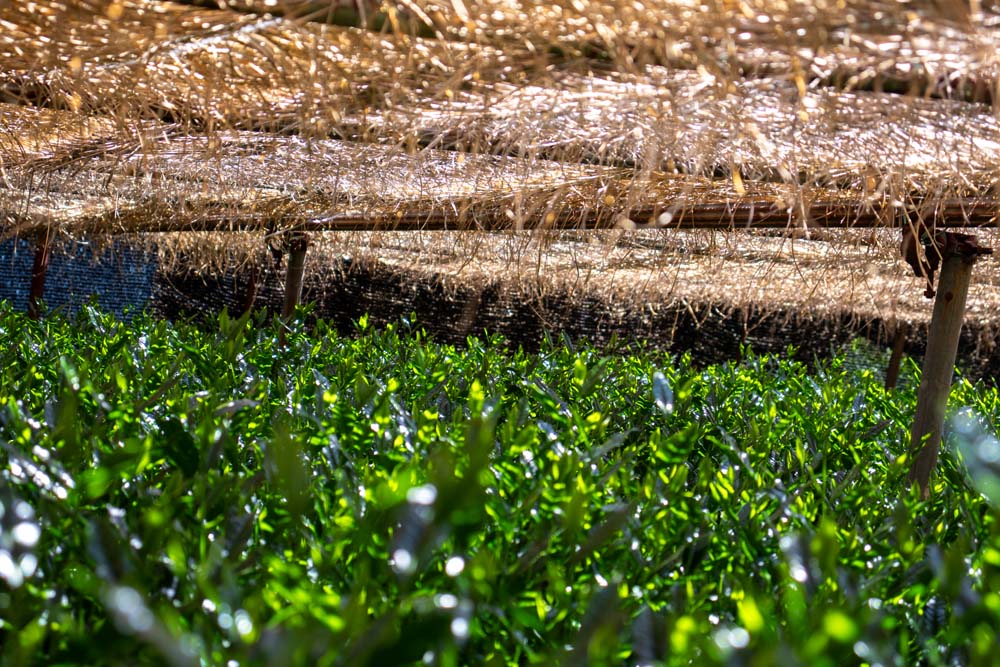
Reducing exposure to sunlight changes the composition of the tea leaves. Tea naturally contains theanine, an amino acid associated with umami. When sunlight is restricted, the formation of catechins — compounds associated with bitterness and astringency — is suppressed, while amino acids such as theanine tend to remain at higher levels.
As a result, shade-grown tea leaves generally have a more pronounced umami character and relatively less bitterness and astringency than conventionally grown leaves exposed to full sunlight. Shading also encourages an increase in chlorophyll, which deepens the green colour of the leaves.
Matcha’s vivid green colour, umami, sweetness and the distinctive aroma associated with shade-grown tea do not suddenly appear when the tencha is ground in a stone mill. They begin to develop much earlier, in the tea field, from the moment the plants are shaded from the sun.

(Like matcha, gyokuro is also characterised by shade cultivation before harvest. For more on how gyokuro is grown, along with its characteristics, production regions and brewing methods, see What Is Gyokuro? Characteristics, Growing Regions and How to Brew It
.)
How Matcha Is Made | From the Tea Field to the Finished Powder
Matcha production involves far more than simply grinding tencha into powder.The process begins in the tea field, where the leaves used to make tencha are cultivated, and continues through steaming, drying, refining and grinding before the finished matcha is produced.
The following sections take you through each stage, from the tea field to the final matcha powder.
How Matcha Is Made | From the Tea Field to Refined Matcha Shaded Cultivation | Growing Tea Leaves Under Cover
As the new shoots begin to grow, the tea fields are covered with materials such as traditional woven straw mats (kōmo) or shade cloth(kanreisya). The length of the shading period and the degree of light reduction vary according to the growing region and cultivation method. Techniques range from traditional overhead shading, in which a framework is built above the tea plants, to direct covering, where the shading material is placed directly over the tea bushes.

Shading is not simply a matter of blocking as much sunlight as possible. It is a cultivation technique that requires careful adjustment of both the duration and degree of shading, taking into account tea quality, yield and the strain placed on the plants.
Harvesting the Tea Leaves and Steaming Them Promptly
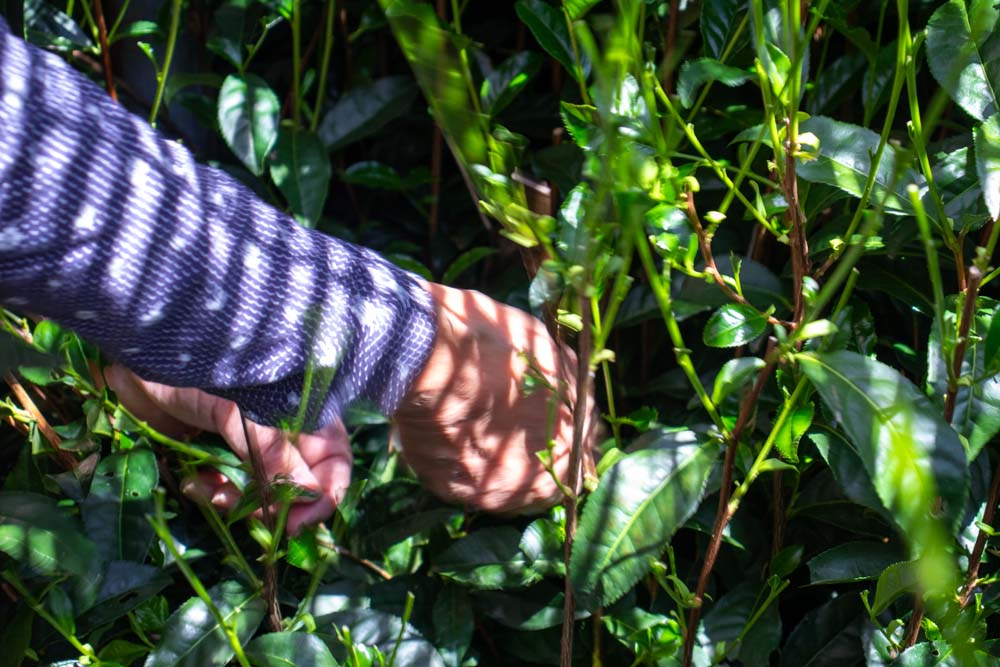
Once harvested, the fresh tea leaves are steamed promptly while their freshness is still intact. This step is also used in other steamed green teas, such as sencha, and the heat stops the enzymes responsible for oxidation. From this point onwards, however, the production process differs significantly from that of sencha.
Tencha Is Dried Without Rolling
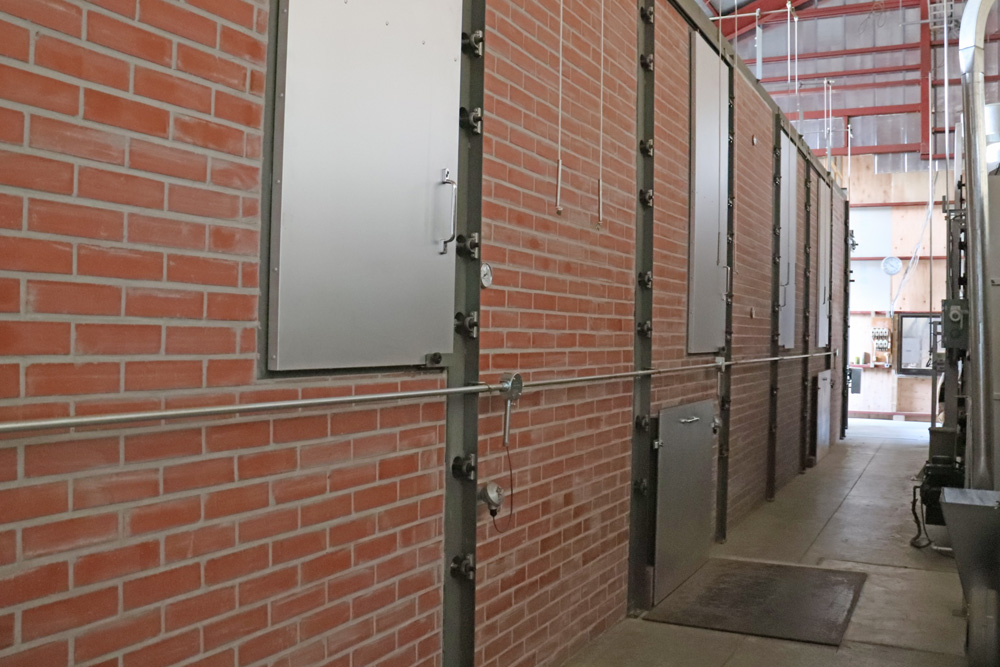
In sencha production, the tea leaves are rolled as moisture is gradually removed, shaping them into their characteristic slender form. Tencha, by contrast, is generally produced without a rolling stage. After steaming, the leaves are cooled and spread out, then dried without being rolled, resulting in thin, flat leaves.
Specialised equipment, including dedicated tencha drying furnaces, is used in tencha factories. At Yabuzaki-en in Okabe, Fujieda, Shizuoka Prefecture, which OCHATIMES visited for reporting, tencha was produced using a brick-built tencha furnace, with the leaves dried without being rolled.
Sorting and Cutting the Leaves to Produce Tencha Ready for Grinding
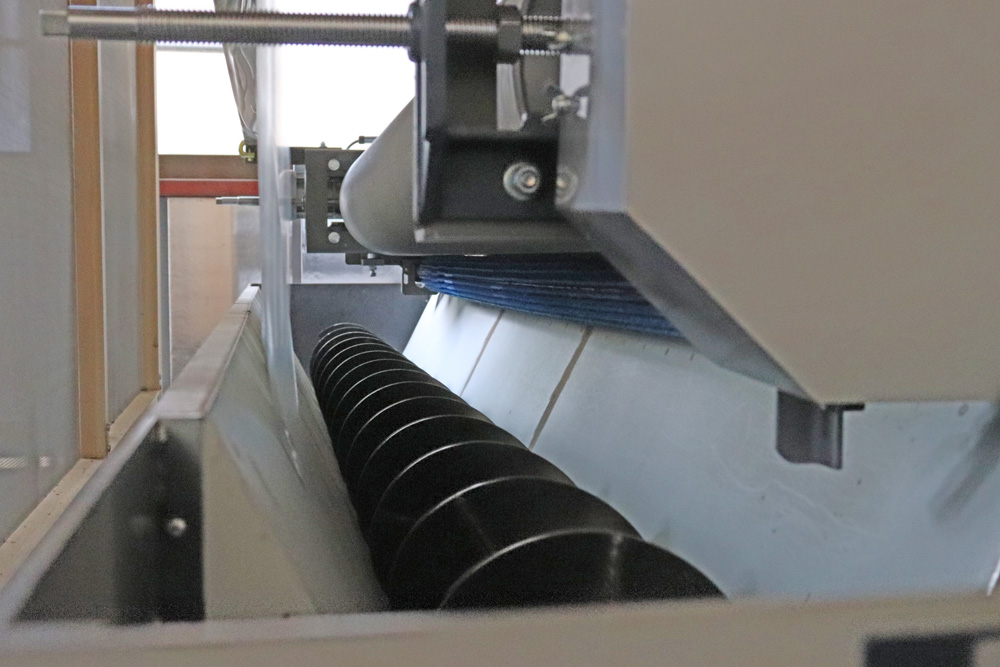
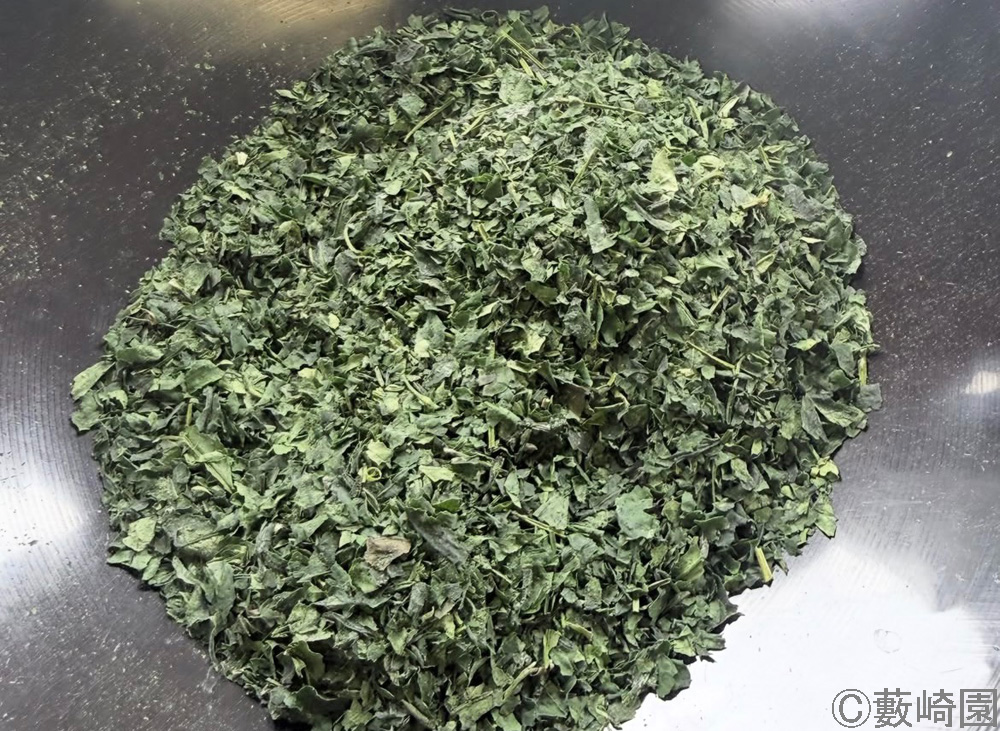
The dried tea leaves are not ground into powder straight away. They first undergo finishing processes such as sorting and cutting, during which stems, leaf veins and other unwanted material are removed. This produces finished tencha suitable for grinding.
Grinding Tencha into Matcha
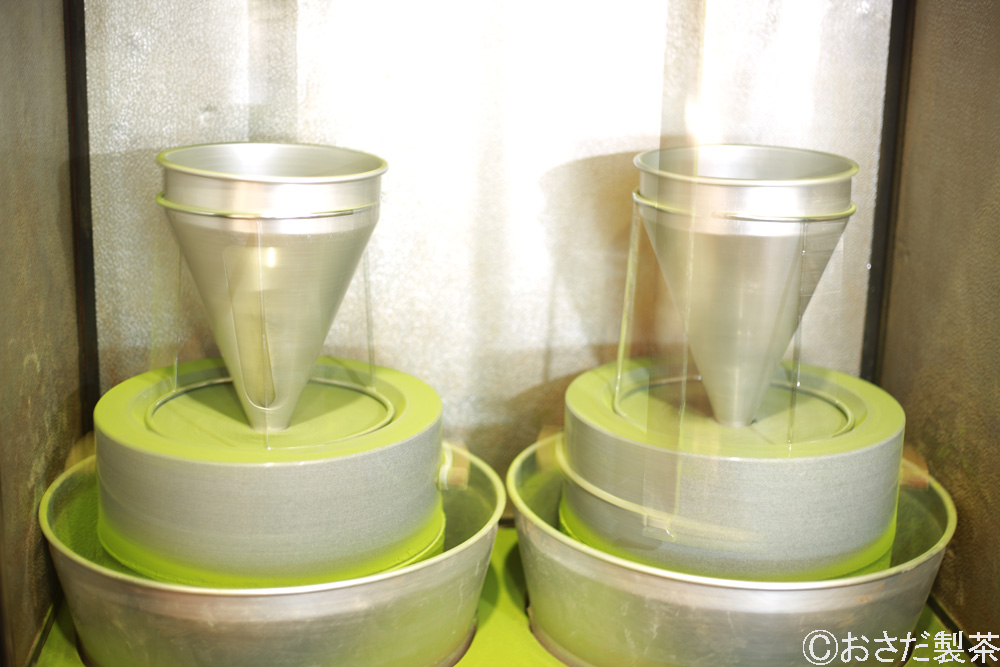
Finally, the finished tencha is ground into an extremely fine powder using a stone mill or similar equipment. With stone-milling, not only the fineness of the powder but also the grinding conditions can affect the aroma and quality of the matcha.
The moderate frictional heat generated during grinding is also considered to play a part in developing matcha’s characteristic flavour and overall quality. When a stone mill is used, small quantities of tencha are fed into the mill gradually and ground into a fine powder.
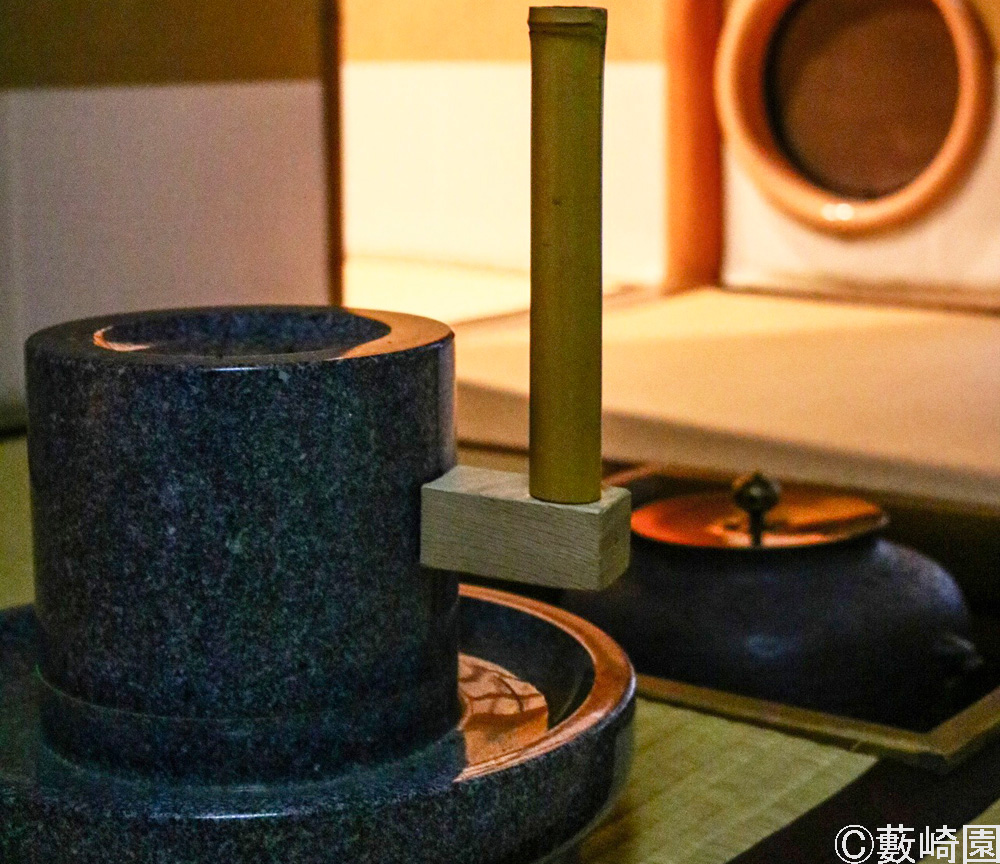
It is only at this stage that the tea becomes matcha. Because matcha is made by consuming finely ground tencha itself, its mouthfeel and the way its aroma and flavour are experienced differ from sencha, which is prepared by infusing tea leaves in hot water.
Matcha is also used in a wide range of ways beyond drinking, including in cooking and confectionery.
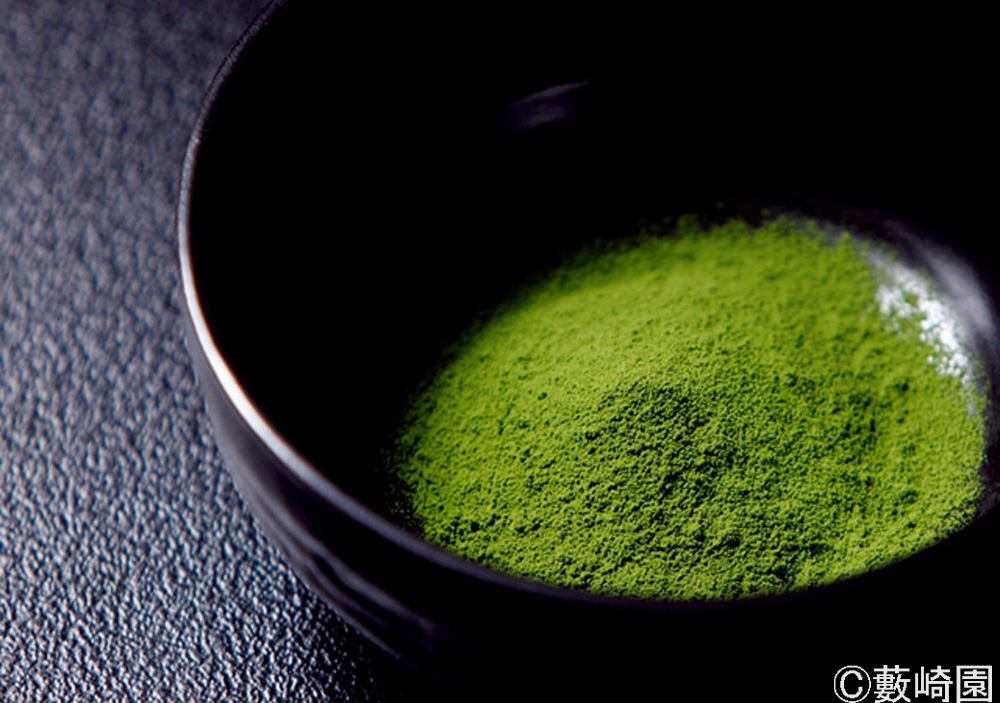
Key Components in Matcha and Their Potential Health Effects
Matcha contains a range of compounds naturally present in tea leaves, including catechins, theanine and caffeine. Catechins are known for their antioxidant properties, while studies have reported that theanine, an amino acid associated with umami, may help to reduce stress. Caffeine, meanwhile, has a stimulating effect and can promote alertness.
Unlike sencha, which is prepared by infusing tea leaves in hot water, matcha is made by grinding tencha into a fine powder and consuming the tea leaf itself. This means that matcha provides a wider range of compounds from the leaf, including some that are not readily soluble in water.
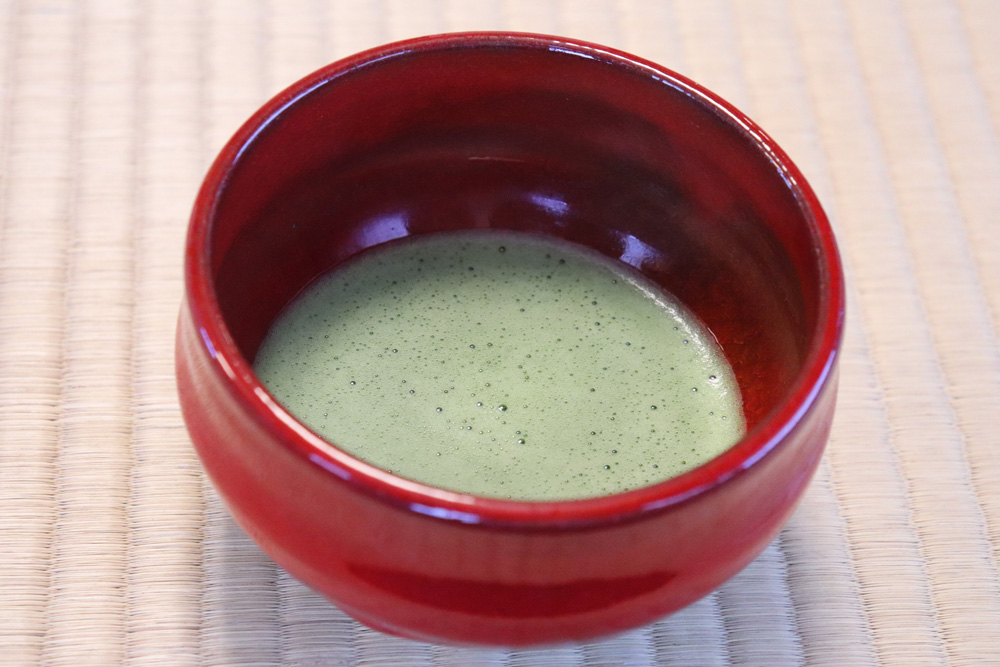
The amounts of these compounds can vary depending on factors such as cultivar, cultivation methods, harvest timing and processing. While matcha is often discussed in relation to its potential health benefits, it is best enjoyed first and foremost as a Japanese tea, appreciated for its flavour and aroma as part of a balanced diet.
How to Enjoy Matcha at Home
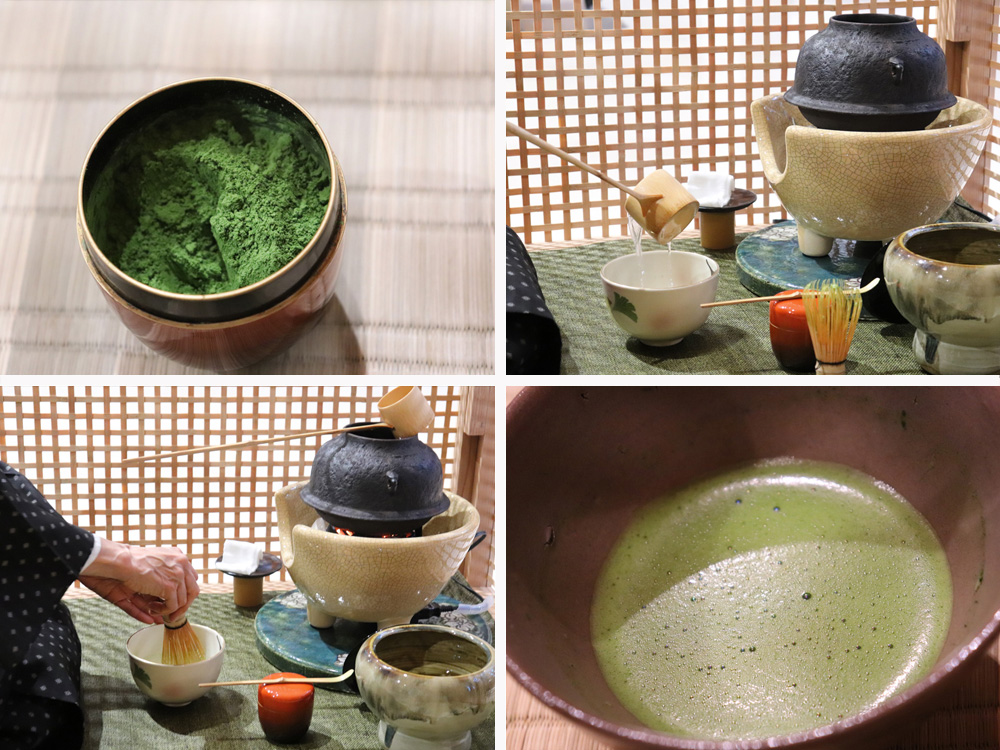
You do not need a knowledge of the tea ceremony to enjoy matcha. Warm the tea bowl, add the matcha, pour in water at around 80°C, then whisk it with a chasen in a brisk back-and-forth motion. This is enough to prepare usucha, or thin tea, at home. Sifting the matcha through a fine tea strainer beforehand helps prevent lumps and gives the tea a smoother texture.
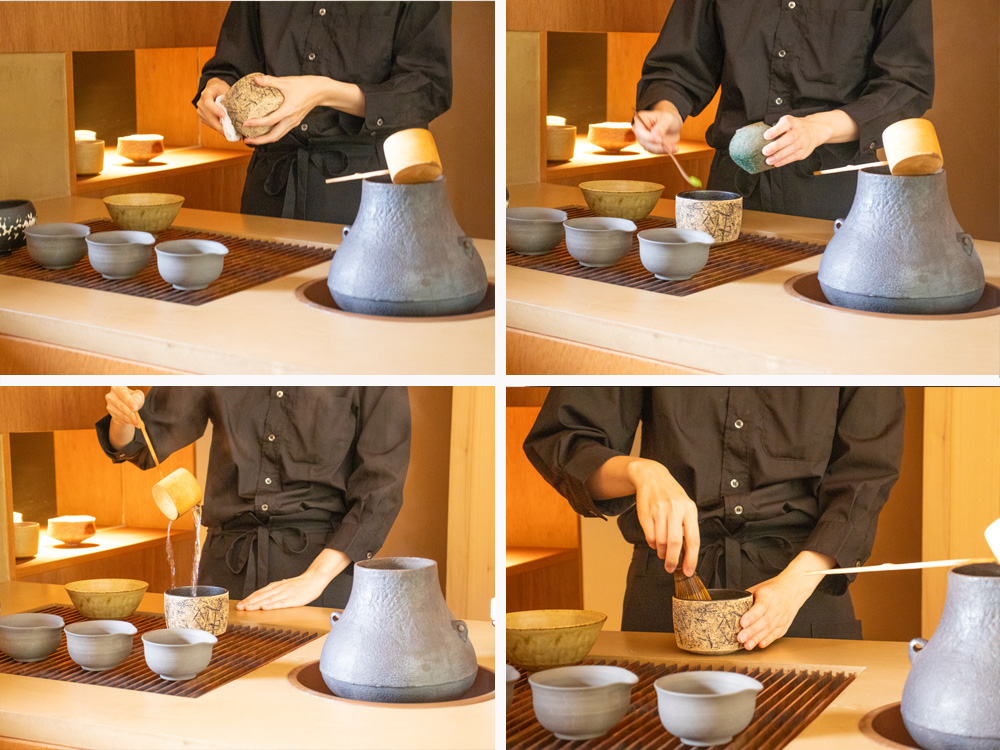
It is also possible to prepare matcha without a chasen, using a matcha shaker instead. At home, there is no need to be overly concerned with formalities; simply becoming familiar with matcha is a good place to start.
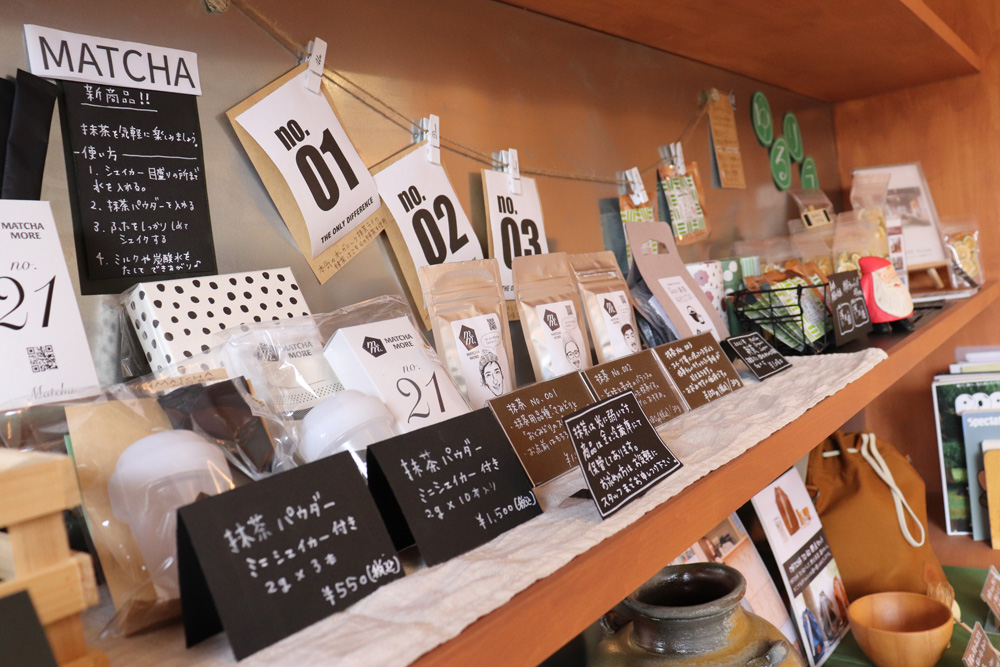
Matcha is traditionally prepared in two main styles: usucha and koicha.
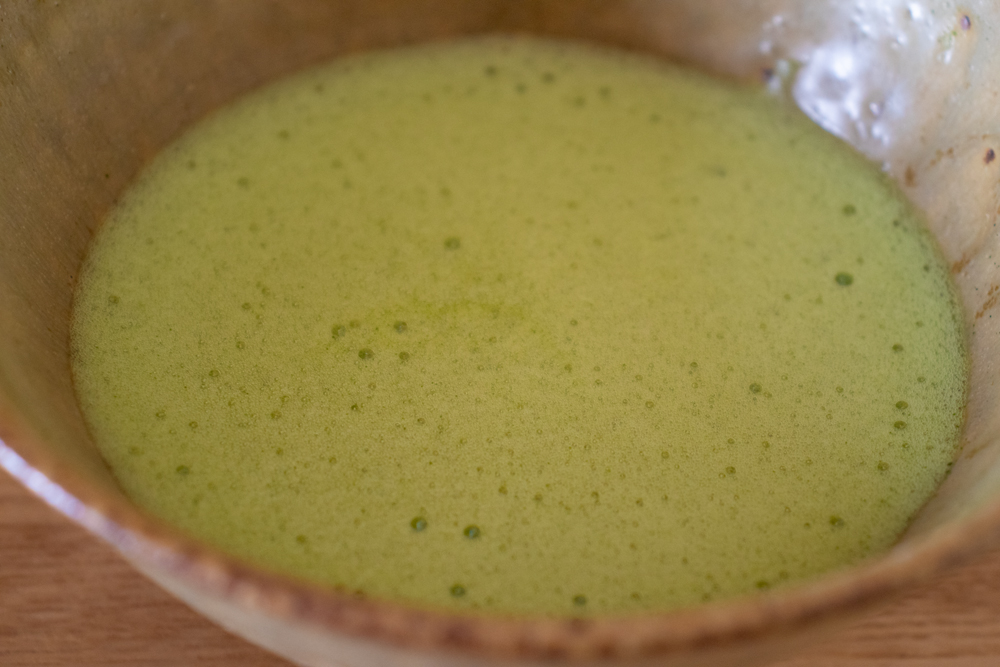
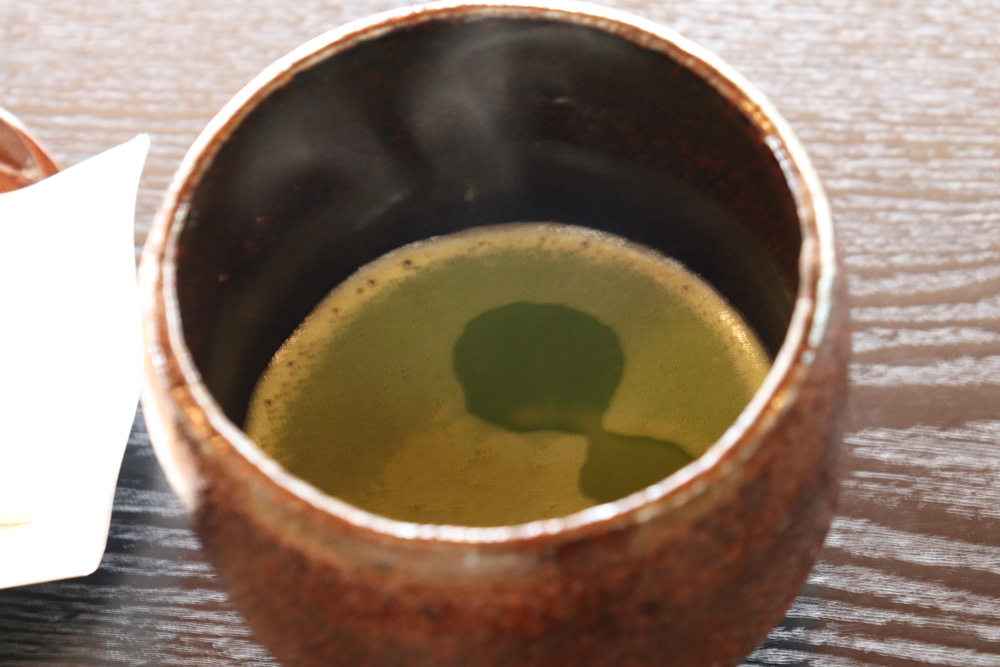
Usucha, or thin tea, is made by adding hot water to matcha and whisking it with a chasen bamboo whisk, producing a relatively light drink. Koicha, or thick tea, uses more matcha and less water and is prepared to a much denser consistency by kneading the tea with the whisk rather than whisking it into a froth.
The matcha itself is not produced differently for these two styles. The distinction lies in the amount of matcha and water used, as well as in the preparation technique. In the Urasenke tradition, usucha is whisked with a chasen, while koicha is worked into a smooth, thick consistency without being frothed.
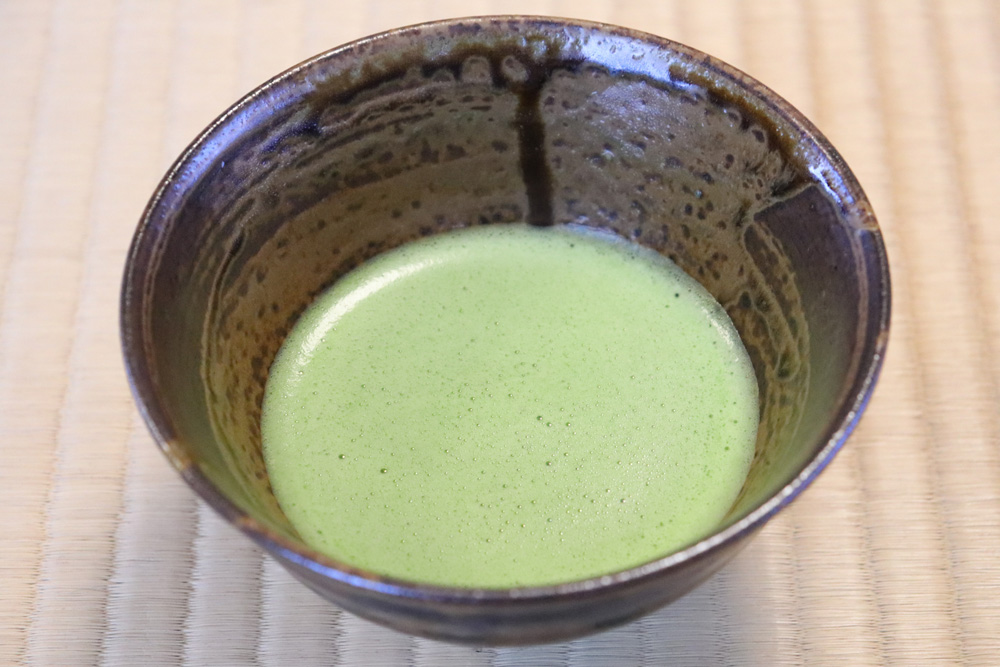 ▲ Usucha ▼ Koicha
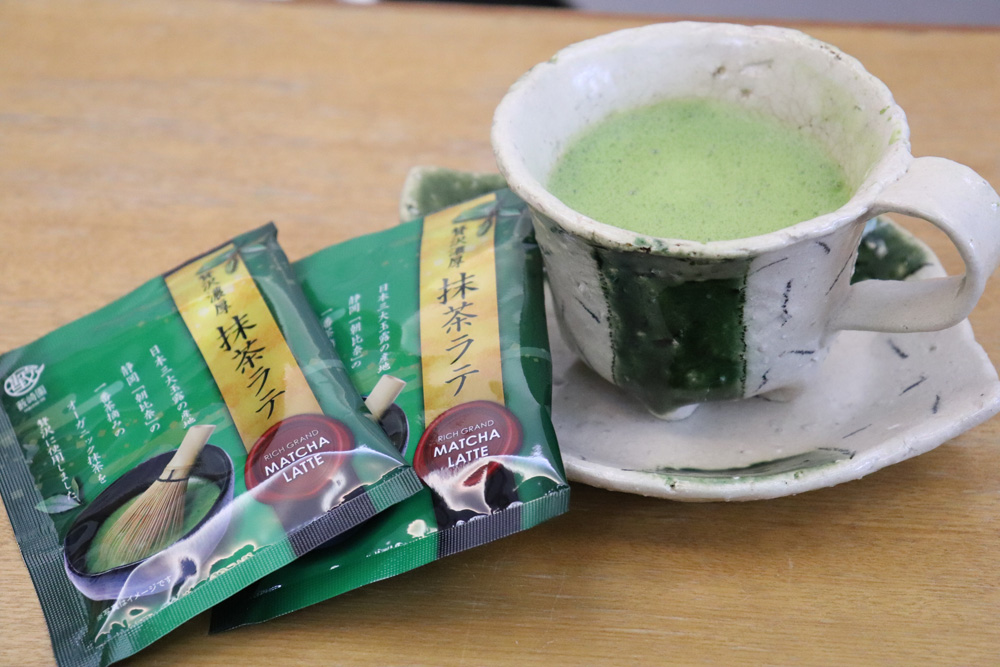
There is no need to make things complicated at first. A bowl of usucha, or something more familiar such as a matcha latte, can be an easy way to begin enjoying matcha.
Matcha Production in Shizuoka | From the Fields to the Market
Matcha has a long history shaped by the traditions of chanoyu. Today, however, the growing range of ways in which matcha is enjoyed is also bringing changes to how tea is produced and sold in Japan’s tea-growing regions.
Shizuoka is now one of Japan’s leading prefectures for tencha production. Through OCHATIMES reporting, we have visited producers and businesses across the prefecture to see how matcha is being made, sold and brought to consumers.
Matcha Production at Yabuzakien in Asahina, a Renowned Gyokuro Region | The Growth of Tencha Factories and Changes in Tea-Producing Areas
The Asahina area of Okabe, Fujieda City, Shizuoka Prefecture, is one of Japan’s best-known gyokuro-producing regions. Gyokuro and tencha share an important feature: both are made from tea leaves grown under shade before harvest. Yabuzakien, based in Asahina, produces matcha alongside gyokuro.
During our visit to Yabuzakien, we also heard about changes taking place across Shizuoka in recent years, particularly the rapid increase in the number of tencha processing factories.
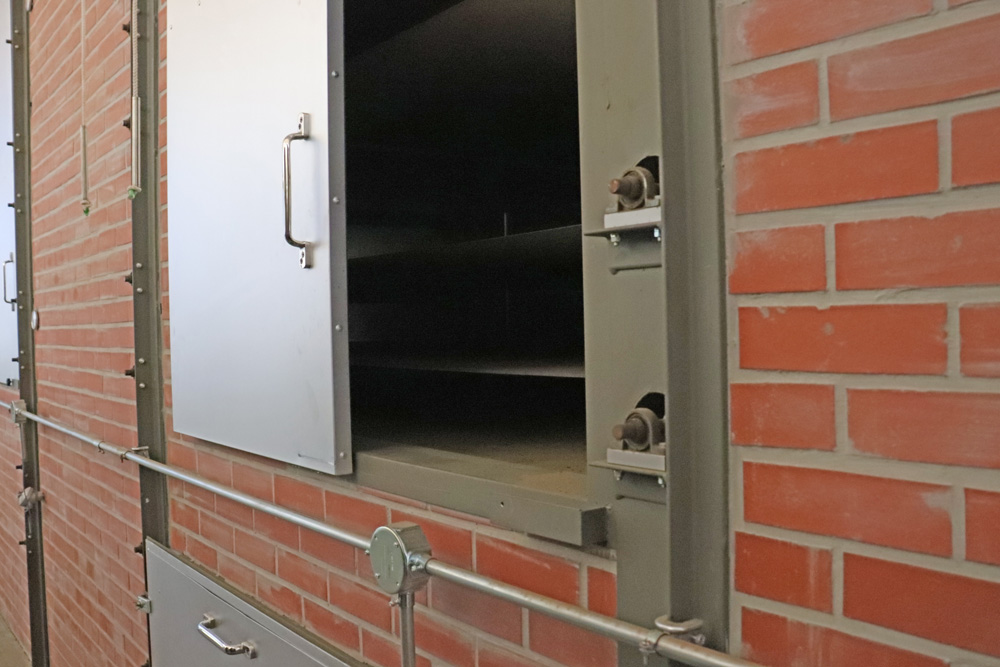
These developments show that rising demand for matcha is not only increasing the range of matcha products available to consumers, but is also beginning to reshape tea fields and processing facilities in Japan’s tea-producing regions.
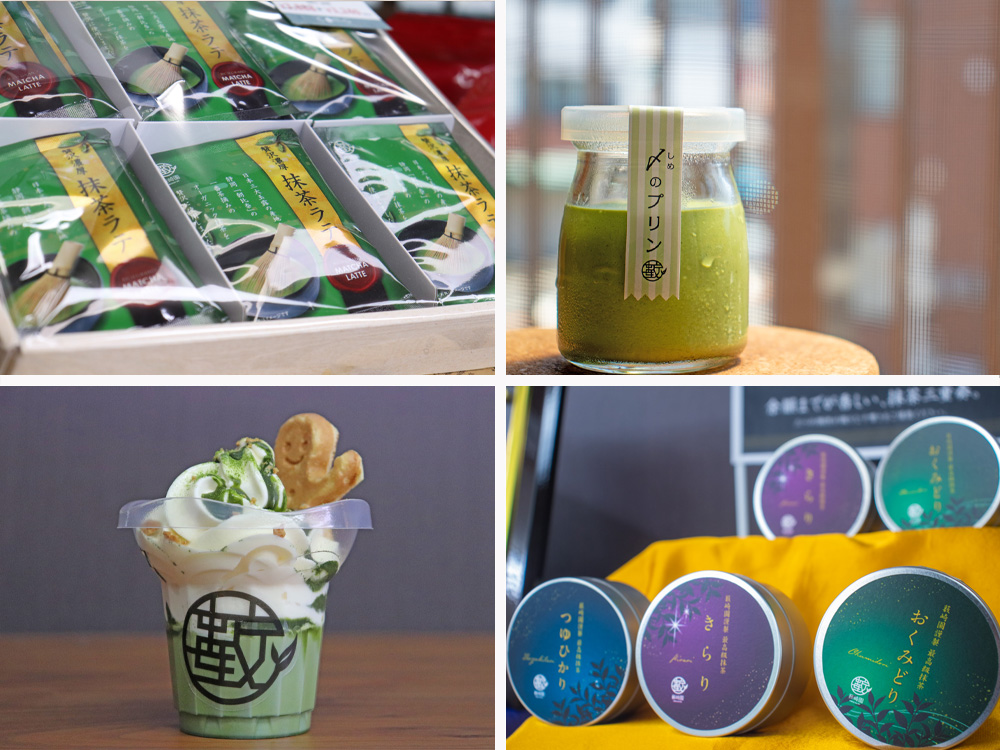
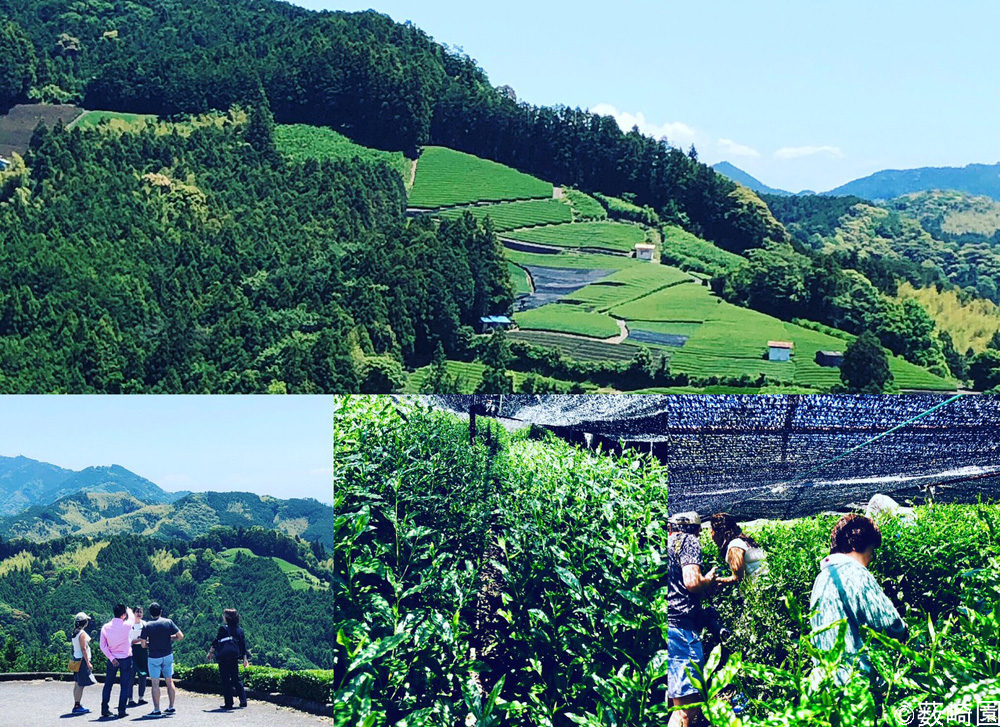
Marushichi Seicha | Nanaya: Producing Shizuoka Matcha Since 1988
Long before the current matcha boom, some producers in Shizuoka were already working to establish local matcha production. Marushichi Seicha, the company behind Nanaya, began producing matcha in 1988 in the mountainous area of Fujieda, Shizuoka Prefecture. Through years of trial and refinement, the company continued to develop its production methods and helped pioneer the way for Shizuoka matcha.
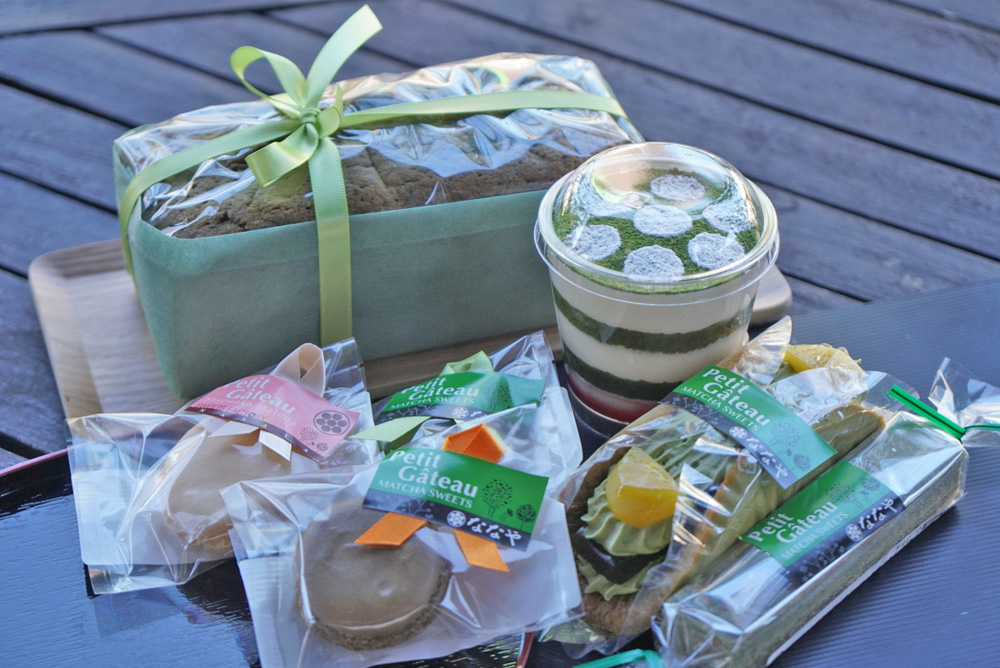
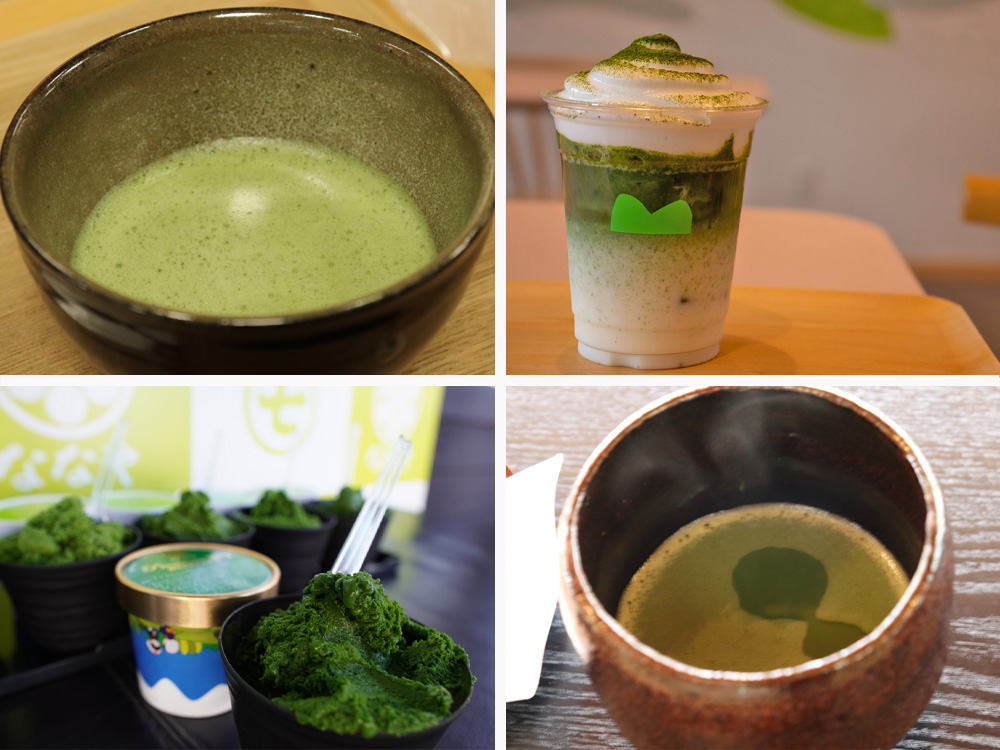
Today, its range extends beyond matcha itself to products including gelato, chocolate and roll cakes. One of Nanaya’s best-known creations is its matcha gelato, offered in several levels of intensity to highlight differences in matcha concentration and flavour.
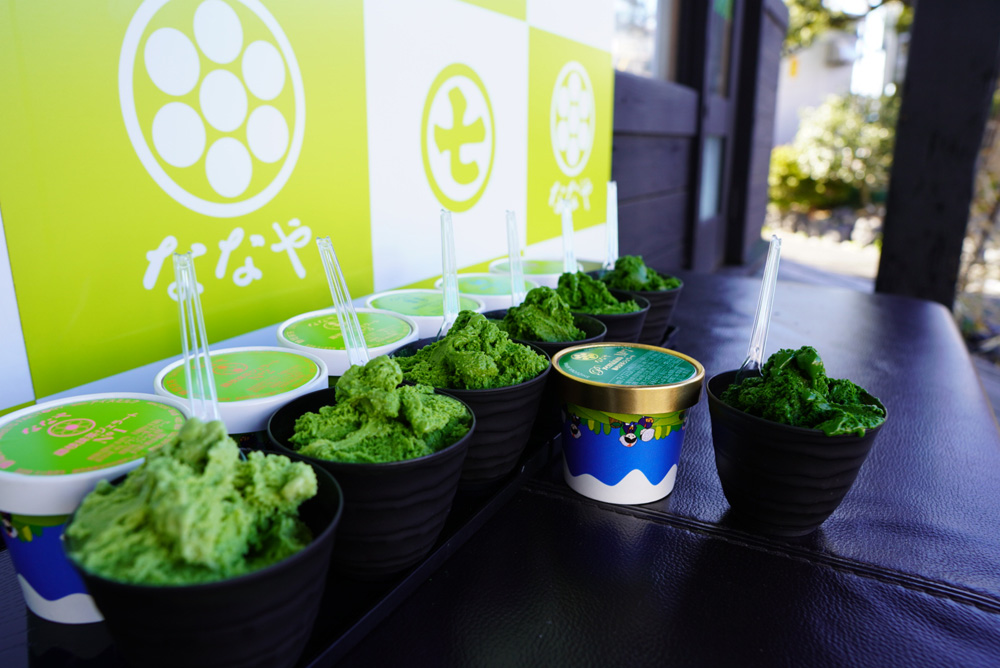
What is particularly notable is that the company has not simply focused on producing matcha, but has also developed a range of products that allow consumers to experience differences in its strength, aroma and flavour.
Matcha produced in a mountainous tea-growing region can now reach new audiences through confectionery and cafés. This, too, is one of the ways in which contemporary matcha culture continues to evolve.
Matcha from Its Own Tea Fields as a Gateway to Japanese Tea | Osada Seicha
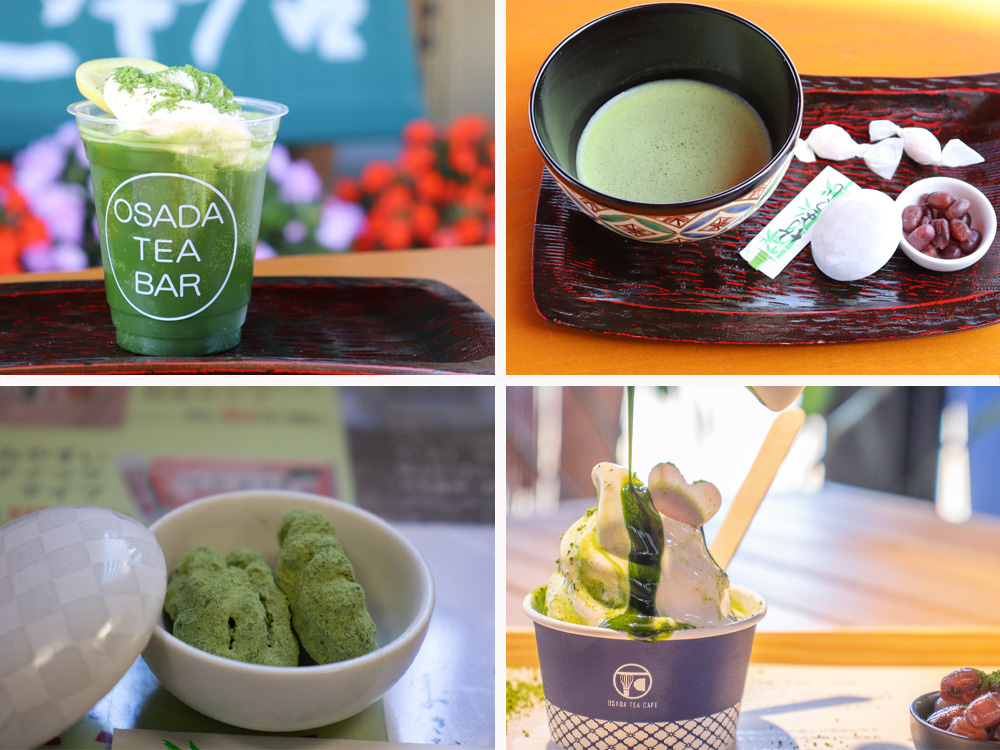
Osada Seicha, based in Mori, Shizuoka Prefecture, produces its Nono matcha using tea leaves grown in its own fields. At its directly operated shop, Osadaen, drinks and sweets are also made with matcha ground in a stone mill inside the shop.
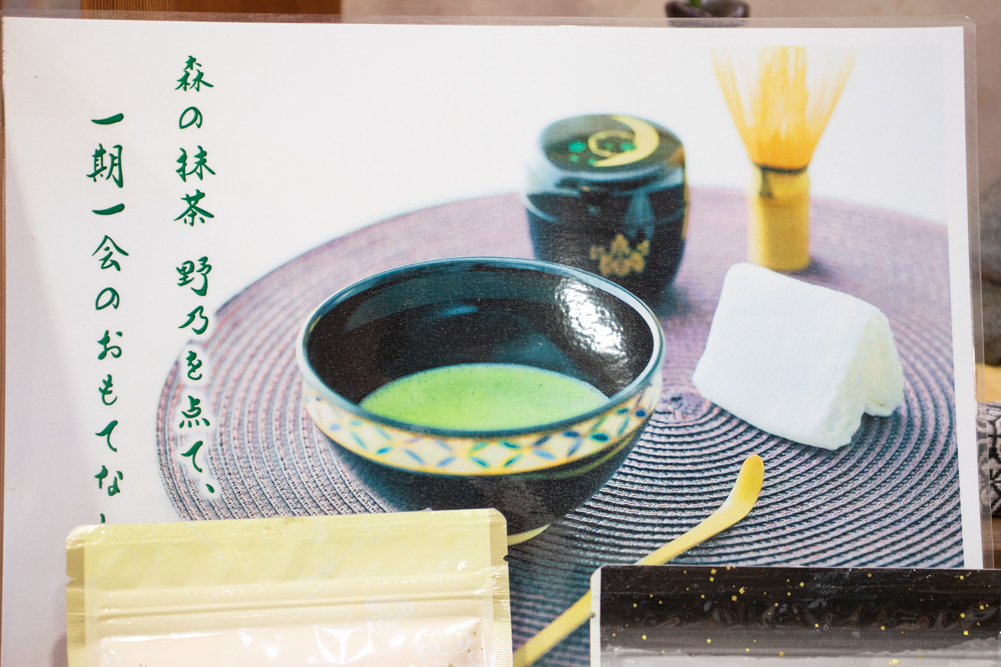
One idea that stood out during our visit was the belief that people do not necessarily need to begin with leaf tea brewed in a kyūsu teapot. Instead, Osadaen offers more approachable ways to discover Japanese tea, starting with matcha drinks and sweets. From there, people might move on to powdered tea or tea bags, and eventually to loose-leaf tea.
Osadaen’s matcha is therefore not only a traditional form of Japanese tea, but also a gateway for people who may previously have had little experience of drinking Japanese tea.
New Ways to Enjoy Matcha Through Cafés and Their Connections with Tea-Growing Regions
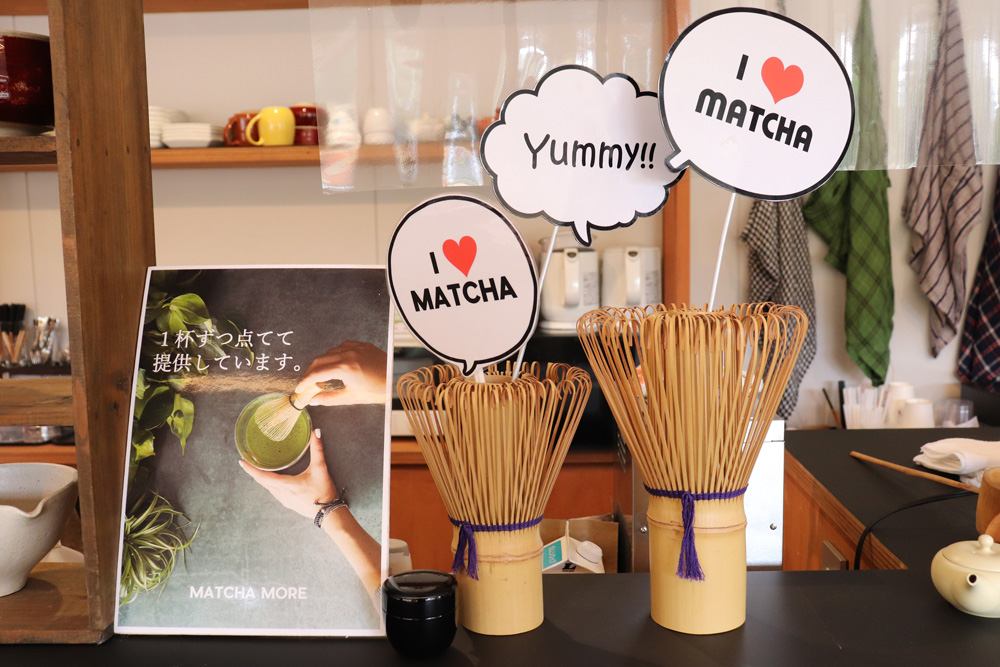
Kakuni Chato, a long-established tea company in Shizuoka, runs the café CHATO MATCHA & BAKERY with the aim of making authentic matcha more approachable for overseas visitors and introducing younger generations to genuine Japanese tea. The café offers new ways of enjoying matcha that fit naturally into contemporary life.
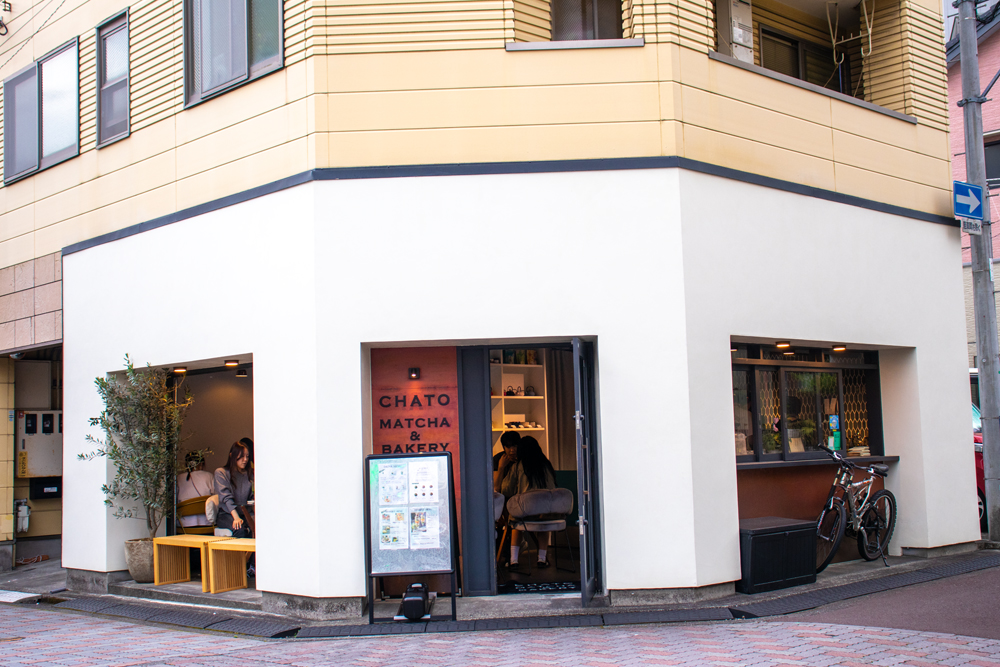
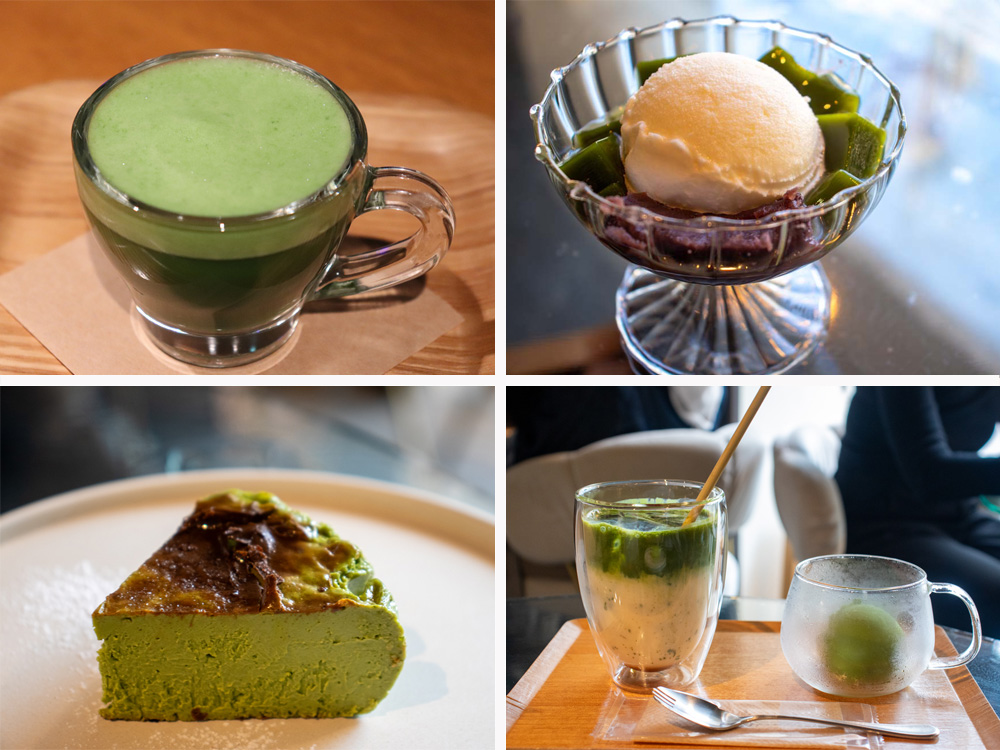
At CHATO MATCHA & BAKERY, Shizuoka matcha can be enjoyed in many forms. Alongside traditionally whisked matcha, the menu includes matcha lattes, NITRO matcha, bread, cheesecake and gelato.
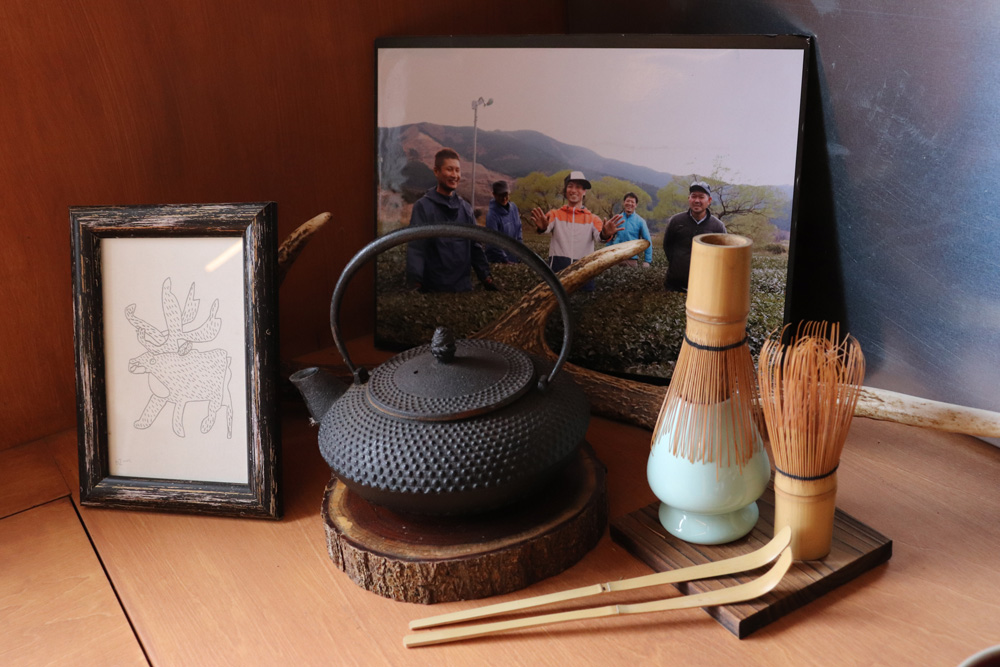
At Nagomi, an organic matcha café in Shizuoka City, the owner personally visits tea-growing regions and builds relationships with producers, serving organic matcha made in Shizuoka.

Matcha can be enjoyed as a bowl of traditionally prepared tea, combined with milk, made into sweets or bread, or served as a cold drink. The form may change, but each begins with the same Japanese tea-making techniques: growing tea leaves under shade, processing them into tencha, and grinding that tencha into a fine powder.
Cafés can also provide a link between consumers and the places and people behind the tea. Through initiatives such as these, matcha becomes more than simply a product; it can connect those who drink it with the tea-growing regions where it is produced.
Enjoying matcha today can therefore involve more than appreciating its flavour alone. Choosing tea with an awareness of where it was grown, who produced it and how it was made offers another way to engage with matcha.
(For more on matcha gelato, parfaits, matcha lattes and other matcha treats available in Shizuoka Prefecture, see Must-See for Matcha Lovers! Unique Feature on Top Matcha Sweets to Enjoy in Shizuoka, Japan’s Famous Tea Region.)
How Growing Matcha Demand Is Changing Japan’s Tea Industry | The Shift towards Tencha Production and Its Challenges
The rapid growth of matcha consumption worldwide has become a major driver of Japanese tea exports, accompanied by increasing production of tencha, the raw material used to make matcha. At the same time, production of sencha for loose-leaf tea has been declining. Across Japan’s tea-growing regions, the structure of production itself is beginning to change in response to shifting demand.
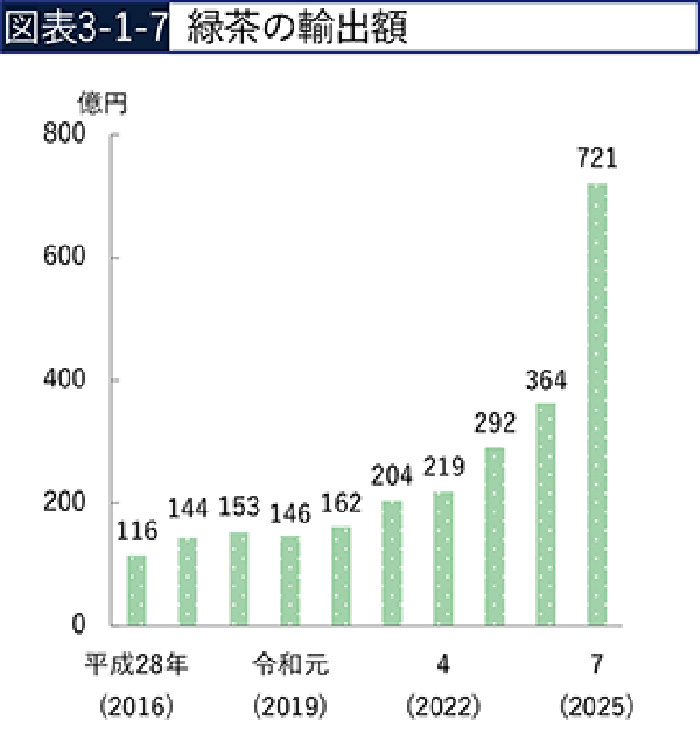 ▲ In 2025, the value of Japan’s green tea exports reached a record ¥72.09 billion, an increase of 98.2% from the previous year. Powdered green tea, a category that includes matcha as well as other powdered teas, accounted for ¥60.38 billion, or 84% of the total value of green tea exports.
However, converting tea fields traditionally used to produce leaves for sencha into tencha production is not a simple process. Growing tea leaves for tencha requires appropriate shading techniques for local conditions, careful fertilisation and soil management, pest and disease control, and the technical knowledge needed to balance both quality and yield.
The manufacturing process also differs from that used for sencha, meaning that dedicated equipment is required to produce tencha. Investing in such facilities can involve substantial costs, so producers need to consider carefully whether the investment makes sense from a business perspective.
As the industry assesses how matcha demand may develop in the years ahead, gradual changes are already taking place across Japan’s tea-growing regions, from cultivation systems in the fields to processing equipment in the factories.
What the Global Rise of Matcha Tells Us About the Future of Japanese Tea
Matcha is no longer enjoyed only through chanoyu, the Japanese way of tea. It has become one of Japan’s best-known teas around the world, with its uses extending beyond drinking it in the traditional way to café menus, confectionery and other products. Overseas, it has also developed into a substantial market.
Yet alongside these new markets and ways of enjoying it, matcha remains a traditional Japanese tea whose production depends on a series of techniques and decisions, from cultivation in the tea field to processing, refining and grinding.
Preserving the traditional methods used to make matcha, while also finding new ways for people to enjoy it, are both part of what defines matcha today. As these two aspects continue to develop alongside one another and matcha reaches an increasingly global audience, they also point to broader changes taking place within Japanese tea.
As matcha finds its way into cafés, confectionery and a growing range of food cultures, rising demand is beginning to reshape Japan’s tea industry as well, influencing cultivation, processing and the way tea products are developed. Following these changes offers a glimpse of how Japanese tea itself may evolve in the years ahead.
For people who are unfamiliar with Japanese tea, matcha may also become an important first point of entry.

When drinking matcha, it is worth looking beyond its flavour and aroma to the tea fields, producers and processing techniques behind it. Understanding how a bowl or cup of matcha is made, and the changes taking place as it reaches a wider global audience, can offer a different perspective on the tea itself.
| Writer | Norikazu Iwamoto |
| Profile | Editor-in-Chief of OCHATIMES. Served as a judge for the Shizuoka 100 Teas Award from 2021 to 2025 and met with the Vice-Governor of Shizuoka Prefecture. OCHATIMES has been featured on or linked from the websites of the World O-CHA Festival, the University of Shizuoka Tea Science Center, the City of Green Tea Shizuoka, and Japan’s Ministry of Agriculture, Forestry and Fisheries. |
Related articles
-
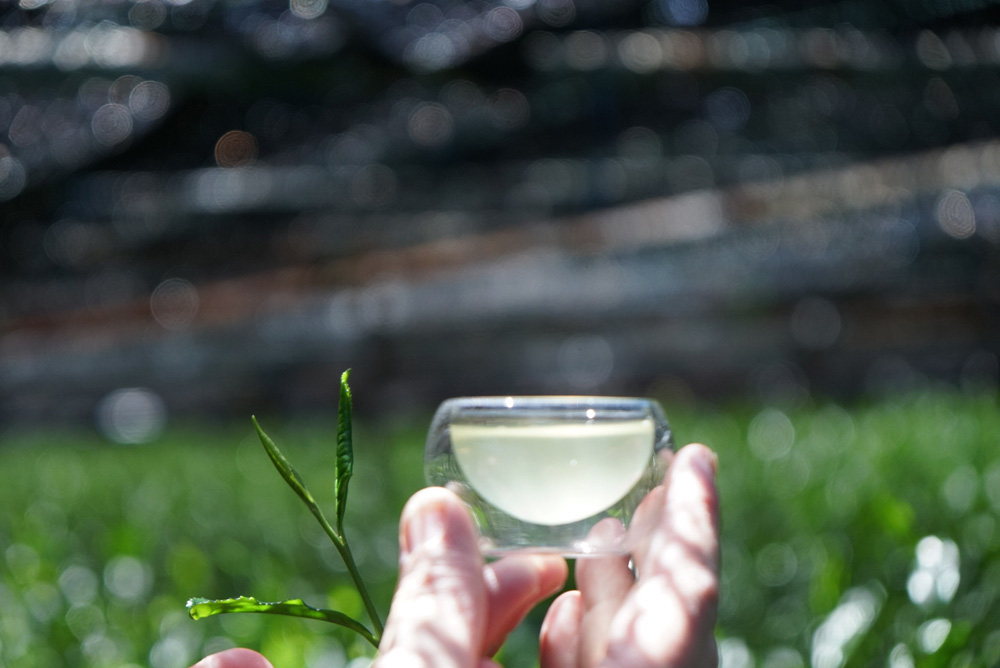
What Is Gyokuro? Characteristics, Growing Regions and How to Brew It
Gyokuro is one of Japan’s most highly regarded premium teas....
OCHATIMES編集部
-
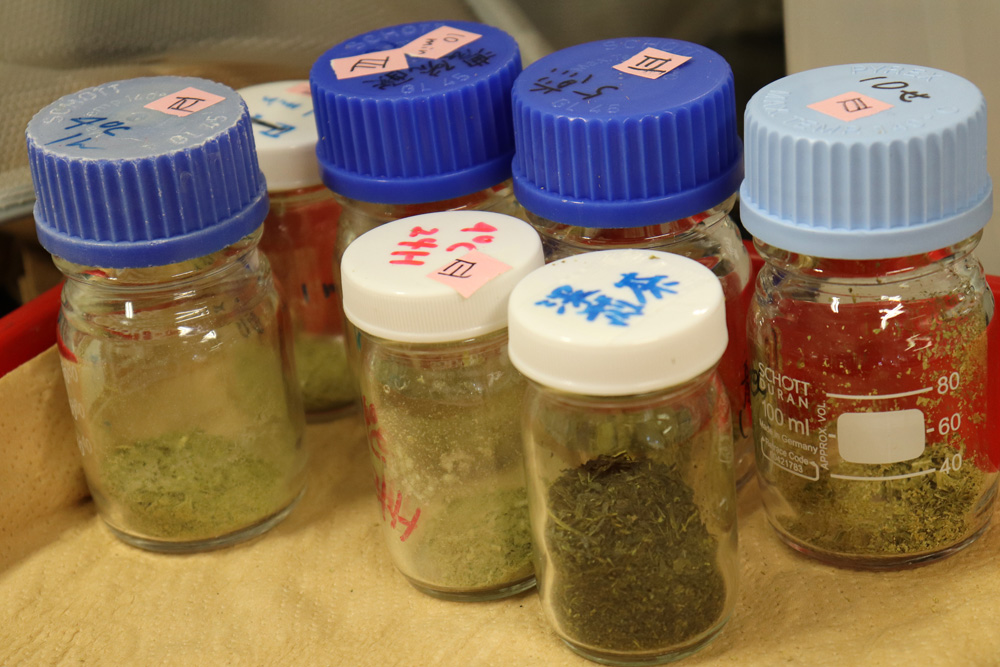
Insights from Dr. Yoriyuki Nakamura : Benefits, Culture, and History of Japanese Tea | University of Shizuoka Tea Science Research Center (Shizuoka City)
At the University of Shizuoka stands Japan’s first research ...
OCHATIMES編集部


 on the red bar to close the slide.
 to see the
distance between the current location to the Chaya.