

What Is Japanese Tea? Varieties, Growing Regions and Production – From Tea Farmers to Tea Wholesalers
 Go to Japanese page
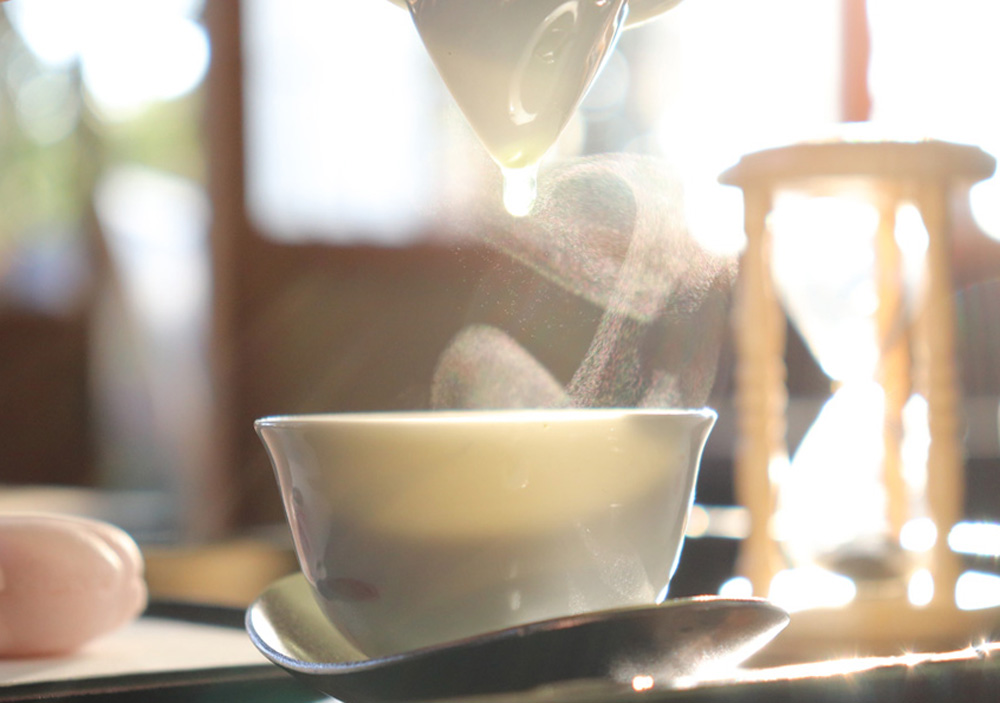
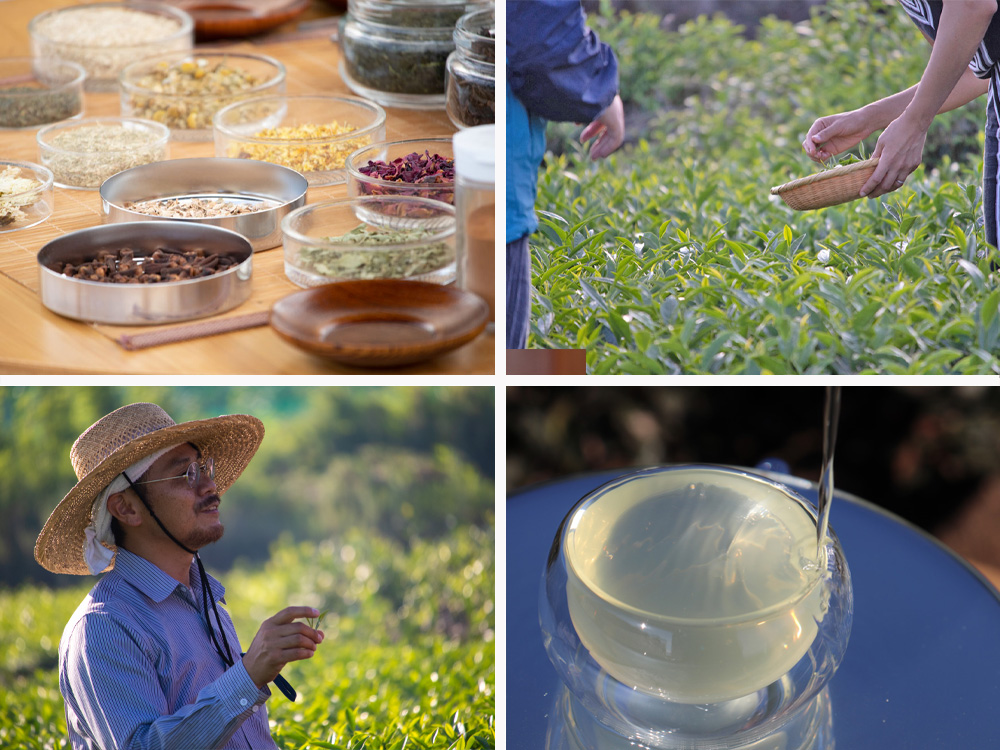
When people think of Japanese tea, green tea brewed in a traditional Japanese teapot or matcha prepared for the tea ceremony often comes to mind. Yet Japanese tea encompasses a wide range of varieties, including sencha, gyokuro, hojicha, kamairicha (pan-fired green tea) and Japanese black tea. Although they all come from the same tea plant (Camellia sinensis), differences in cultivation and processing give each tea its own distinctive flavour and aroma.
Behind every cup of Japanese tea are many people who help bring it to the consumer. Alongside tea farmers, tea wholesalers play an important role in refining and preparing aracha (unrefined tea), while tea shops and cafés connect people with the finished tea.
Drawing on first-hand visits to tea farms and production areas, this article explores what Japanese tea is, its main varieties and characteristics, where and how it is grown and processed, and its potential health benefits. We also look at the work of the farmers, tea merchants and others who support Japan’s tea industry, as well as the many ways Japanese tea can be enjoyed.
What Is Japanese Tea? Exploring the Different Types of Tea Produced in Japan
Japanese tea generally refers to tea made from leaves grown and processed in Japan. However, the term is not limited to a particular type of tea or method of production. Japanese tea encompasses a wide range of types, including sencha, gyokuro, matcha and hojicha. Although most tea produced in Japan is green tea, black tea and oolong tea are also made.
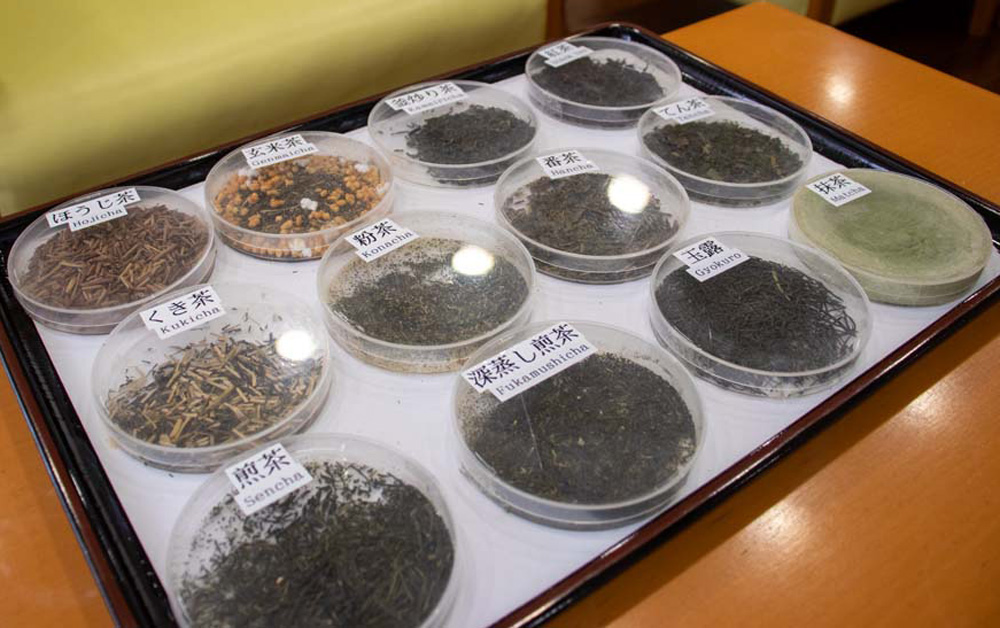
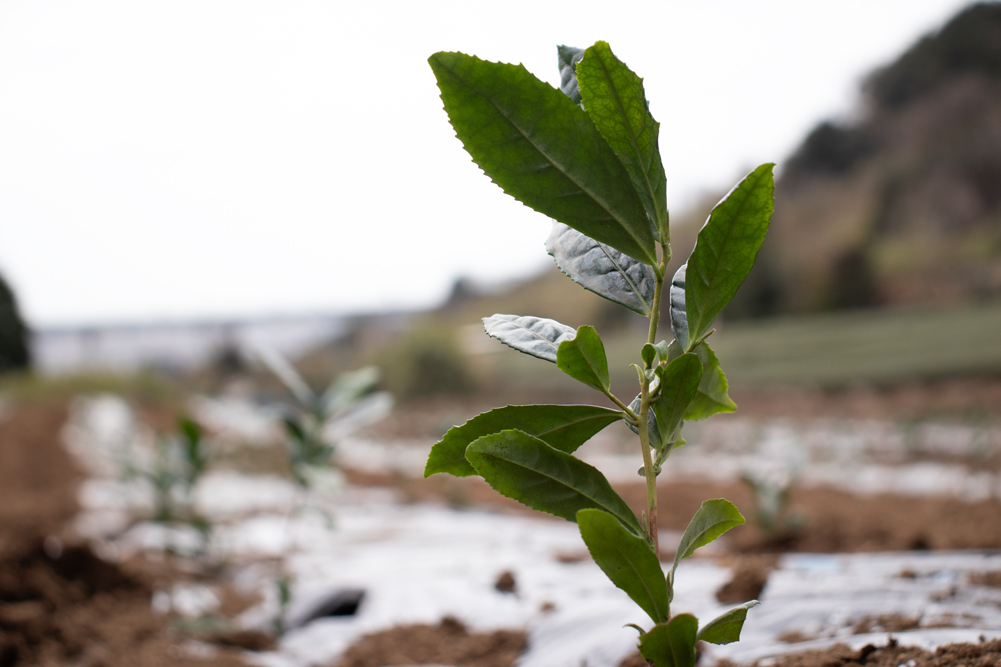
All these teas come from the leaves of the tea plant (Camellia sinensis), an evergreen species belonging to the camellia family. Despite originating from the same plant species, differences in cultivation and processing methods can produce considerable variations in flavour and aroma.
Rather than equating Japanese tea solely with sencha or green tea, it is more accurate to regard it as a diverse range of teas shaped by the cultivation techniques, processing methods and tea cultures that have developed across Japan’s tea-growing regions.
On 10 July 2026, ‘Japanese Tea’ was registered under the Geographical Indication (GI) protection system administered by Japan’s Ministry of Agriculture, Forestry and Fisheries. Under this registration, Japanese tea is defined as tea made from leaves grown in Japan and processed within the country.
Main Types of Japanese Tea | Different Teas from the Same Tea Plant
Although Japanese teas are made from the leaves of the same tea plant, Camellia sinensis, they vary according to how the plants are cultivated and the leaves are processed.
For most Japanese green teas, the freshly picked leaves are heated soon after harvesting to stop enzymatic oxidation. However, cultivation and processing methods differ depending on the type of tea. Here, we introduce some of the main varieties of Japanese tea.
Sencha | A Widely Enjoyed Japanese Green Tea
Sencha is one of Japan’s most widely produced and commonly enjoyed green teas. It is made by steaming freshly picked tea leaves, then rolling and drying them. Depending on how long the leaves are steamed, sencha is classified into different types, including asamushi (lightly steamed), futsumushi (standard steamed) and fukamushi (deep steamed).
Our dedicated article explores the characteristics of sencha and the differences between lightly steamed and deep-steamed green tea, along with its main production regions and brewing methods.
Gyokuro | A Premium Japanese Green Tea Grown Under Shade
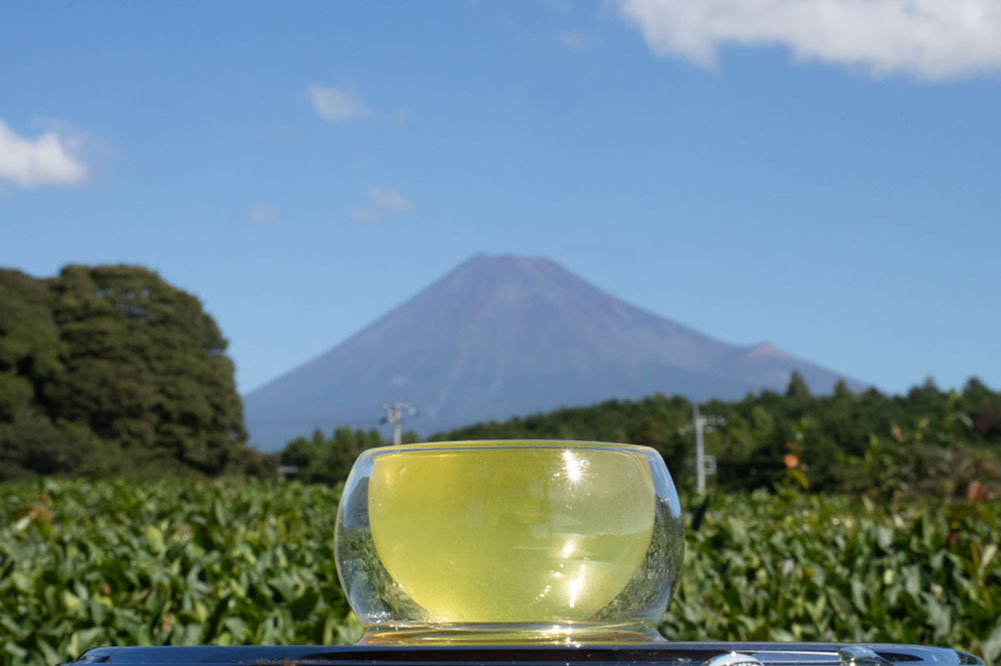
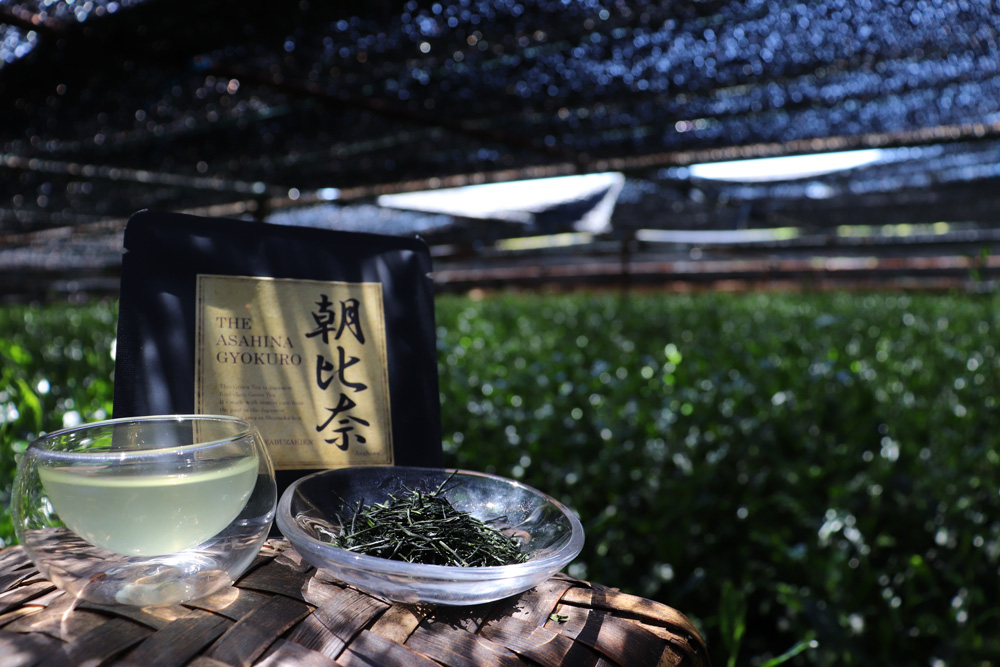
Gyokuro is a premium Japanese green tea grown using a shading technique known as hifuku saibai, in which tea plants are covered to limit their exposure to sunlight before harvesting. This reduces astringency and helps develop the tea’s rich umami, sweetness and distinctive shaded aroma.
Uji in Kyoto, Yame in Fukuoka and Asahina in Shizuoka are among Japan’s best-known gyokuro-producing regions. For a closer look at gyokuro’s characteristics, growing regions and how to brew it, including its cultivation and production methods, see our detailed guide.
Matcha | Japanese Green Tea Made from Finely Ground Tencha
Matcha is a type of Japanese green tea made by finely grinding tencha, tea leaves grown under shade, using a stone mill or similar equipment. To produce tencha, freshly harvested tea leaves are steamed and then dried without being rolled, unlike sencha and gyokuro.
Today, matcha is enjoyed not only in the traditional Japanese tea ceremony but also in a wide range of drinks and desserts, including matcha lattes and sweets. Our detailed guide to matcha, its characteristics and how it is made also explores its main production regions and the different ways it can be enjoyed.
Hojicha | Japanese Roasted Green Tea with a Distinctive Aroma
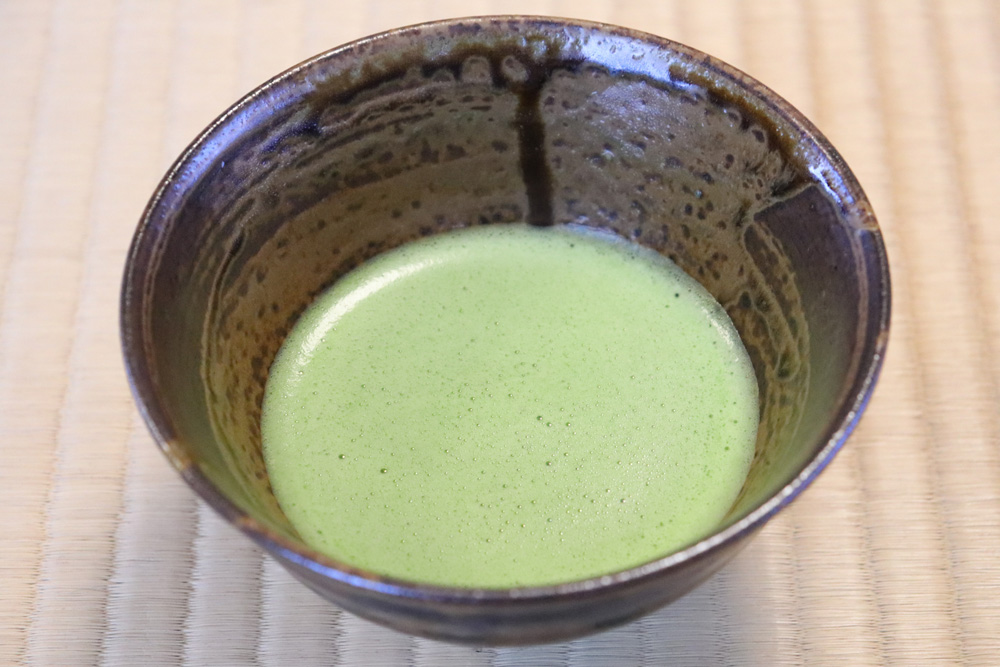
Hojicha is a type of Japanese green tea made by roasting tea leaves at high temperatures. It is known for its distinctive, toasty aroma, while its flavour and fragrance vary depending on the tea leaves used and how they are roasted.
To learn more, read our interview with Yamanaishi Shoten, which explores the company’s approach to hojicha production and the roasting techniques behind its tea.

Genmaicha | Green Tea with the Toasty Aroma of Roasted Rice
Genmaicha is a Japanese green tea made by blending tea leaves, such as sencha or bancha, with roasted rice. It is known for its approachable flavour, combining the taste of green tea with the distinctive toasty aroma of roasted rice.

Japanese Black Tea (Wakoucha) | Black Tea Made from Japanese Tea Leaves
Wakoucha, also known as Japanese black tea, is made from tea leaves grown in Japan. To produce it, the leaves are first withered, then rolled to encourage oxidation before being dried. This process develops the distinctive colour and aroma associated with black tea.
A range of tea cultivars are used, including Benifuuki, Yabukita and Koushun. Each produces different flavours and aromas, with further variations depending on the producer and processing methods.
For more information, read our in-depth article on the characteristics, history, cultivars and production methods of Japanese black tea.

Kamairicha – A Fragrant Japanese Green Tea Made by Pan-Firing
Kamairicha is a type of Japanese green tea made by heating freshly picked tea leaves in a hot pan rather than steaming them. Known for its fresh, sweet aroma and clean, smooth taste, it is produced mainly in Kyushu, particularly in Miyazaki, Saga and Oita prefectures. Accounting for less than 1% of Japan’s green tea production, kamairicha remains a relatively rare variety.
In Makinohara, Shizuoka Prefecture, a tea producer called Kamairicha Shibamoto is dedicated to making this traditional pan-fired tea. To learn more about the producer’s journey and approach to tea-making, read our interview article, Kamairicha Shibamoto’s Tea Production and Exploration of Aged Tea.
Other Varieties of Japanese Tea
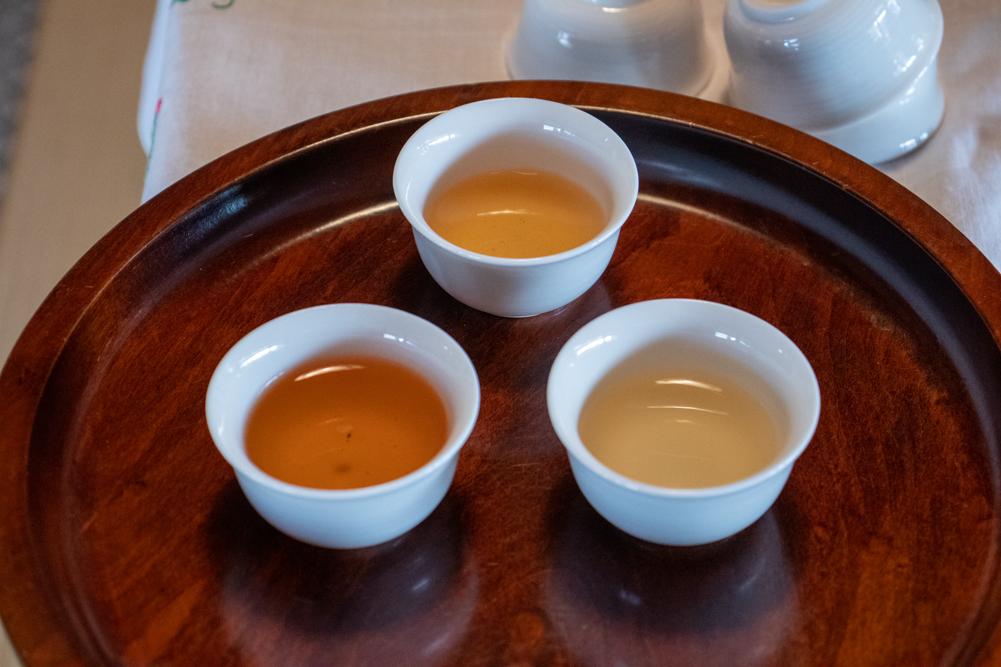
Japan is home to many other types of tea, including kukicha, made from stems separated from tea leaves; steamed tamaryokucha, known for its rounded, curled leaves; goishicha, pressed into pieces resembling the stones used in the board game Go; and Mimasaka bancha from Okayama Prefecture.
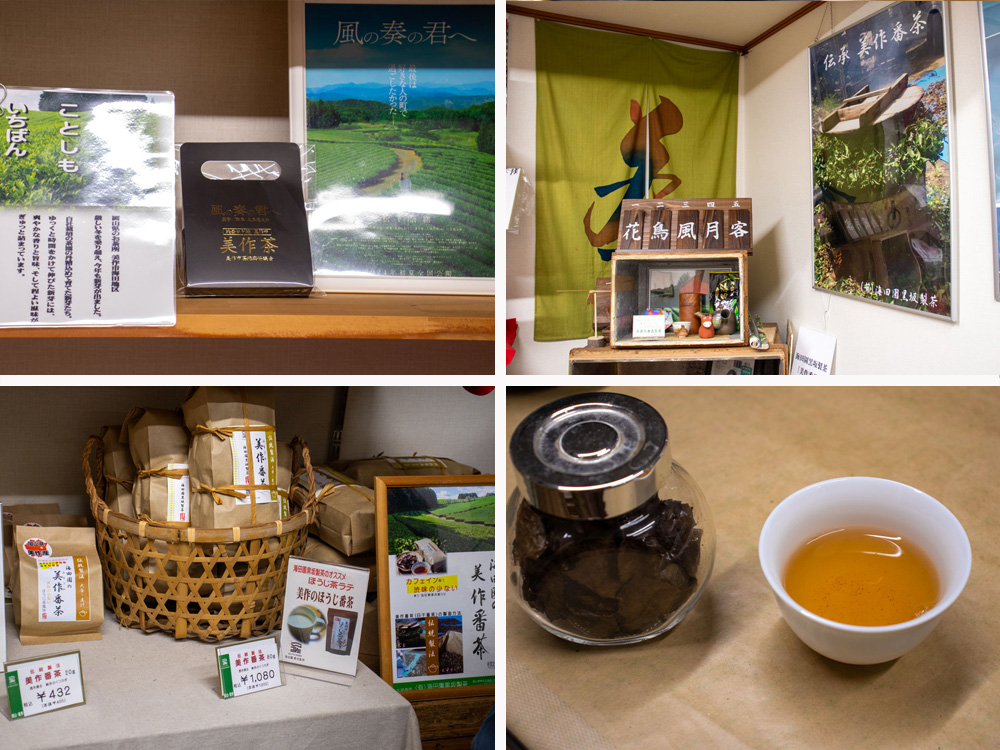 ▲ Mimasaka bancha, produced in the Mimasaka region of Okayama Prefecture. Mature tea leaves are boiled and then dried in the sun. During drying, the liquid used to boil the leaves is poured over them repeatedly, giving them their distinctive amber colour.
Japan’s Main Tea-Producing Regions: Shizuoka, Kagoshima, Kyoto, Fukuoka and Beyond
Japanese tea is produced across many parts of Japan. Some of the best-known tea-growing prefectures include Shizuoka, Kagoshima, Kyoto, Mie, Miyazaki and Fukuoka. In Shizuoka Prefecture, tea is cultivated in a wide range of environments, from flat plains to mountainous areas.
Kagoshima Prefecture benefits from a warm climate and is home to large-scale tea plantations growing a variety of tea cultivars. In recent years, production of tencha, the tea leaves used to make matcha, has increased alongside sencha.
Uji, in Kyoto Prefecture, is particularly well known for matcha and gyokuro. Tea production in the region has developed in close connection with Japan’s traditional tea ceremony culture.
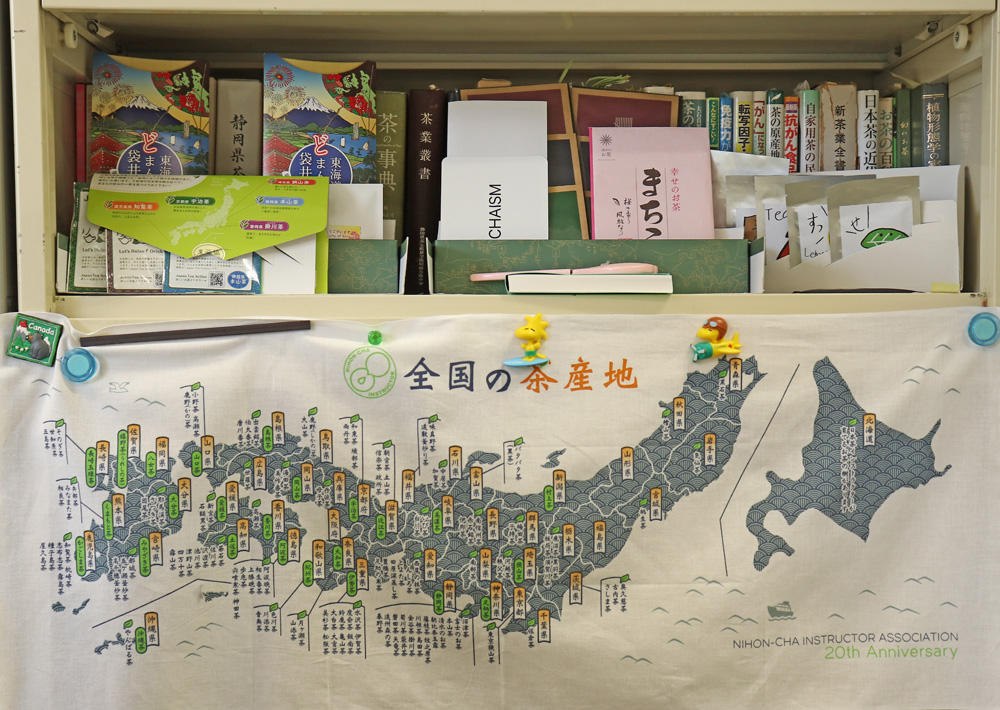
Mie Prefecture is known for its sencha and kabusecha (shaded green tea), while the Yame region of Fukuoka Prefecture is renowned for its gyokuro. Kamairicha, a type of pan-fired Japanese green tea, is also produced in prefectures such as Miyazaki and Saga.
Although these regions are all recognised as Japanese tea-producing areas, they differ in the types of tea they produce and the environments in which tea is grown. Even within the same category of tea, differences in climate, terrain, tea cultivars, cultivation techniques and processing methods can influence flavour and aroma.

What distinguishes Japan’s tea-growing regions is therefore not simply the volume of tea they produce, but also the tea-making techniques and cultural traditions passed down through generations.
Tea-Growing Regions of Shizuoka | Tea Cultivation in Mountainous and Lowland Areas
Shizuoka Prefecture, where OCHATIMES is based, is home to a variety of tea-growing regions.
In mountainous areas such as Kawane and Honyama, tea is cultivated using methods suited to the local terrain and climate. By contrast, the broad, relatively flat landscapes of Makinohara are home to many tea farms that make use of mechanisation. The Asahina area of Fujieda, meanwhile, has a long tradition of producing gyokuro, a premium Japanese green tea.
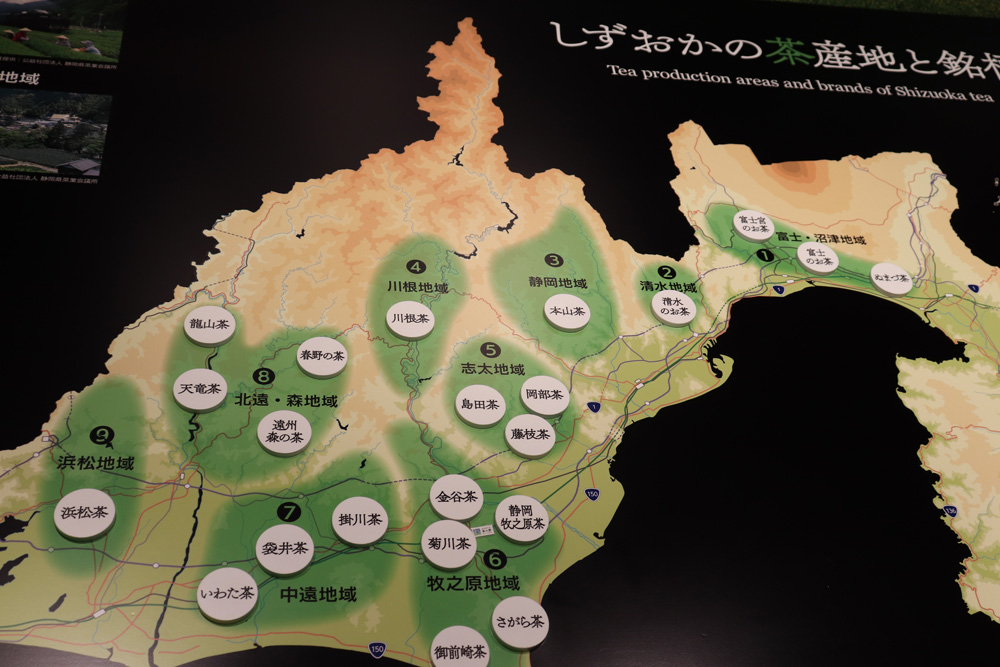
Even within Shizuoka, approaches to tea cultivation and processing vary from one region and producer to another. Discovering these differences is another way to deepen one’s appreciation of Japanese tea.
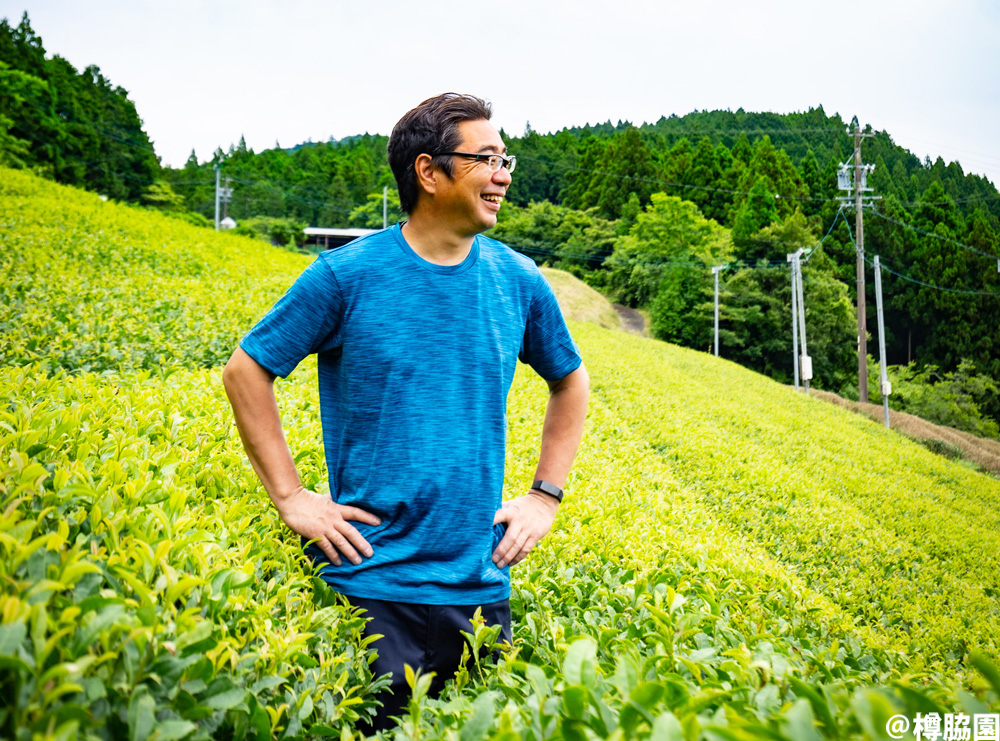 ▲ Taruwakien in Kawane runs an organic tea farm at an elevation of 630 metres, handling everything from cultivation and tea processing to sales. The farm also regularly hosts tea-picking experiences and other events, attracting a loyal following.
How Japanese Tea Is Made and the People Behind It
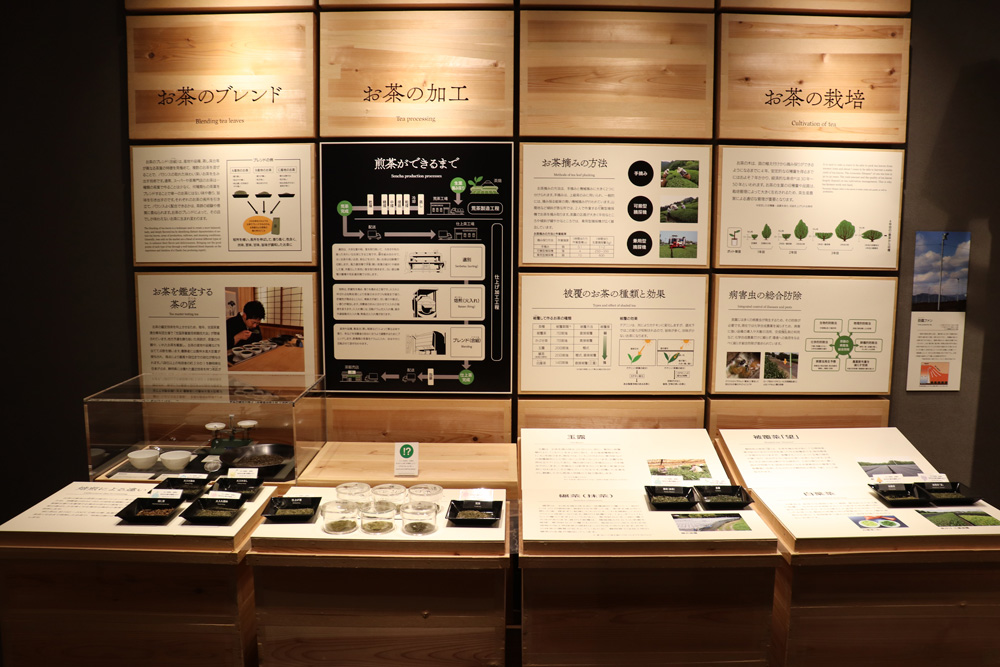
Japanese tea production begins in the tea fields, long before the leaves are harvested. Even within the same cultivar, the characteristics of the leaves can vary depending on factors such as altitude, sunlight, temperature, soil conditions, fertilisation and the timing of the harvest.
Once harvested, the leaves grown by tea farmers undergo processing. In the production of conventional sencha, the fresh leaves are first steamed to deactivate the enzymes responsible for oxidation, then rolled and dried to produce aracha, or unrefined tea. The aracha then undergoes further processing, including sorting, firing and blending, before becoming the finished Japanese tea sold to consumers.
In other words, the flavour and aroma of Japanese tea are shaped at every stage of production, from cultivation in the tea fields through to processing and final preparation.
What Are Japanese Tea Farmers? Growing Tea Leaves and Producing the Raw Material for Japanese Tea
Japanese tea production begins with tea farmers, who cultivate tea plants in tea fields. Their work involves far more than harvesting tea leaves during the spring shincha (first tea of the season) period.
Throughout the year, tea farmers tend their fields, pruning tea plants, applying fertilisers and managing pests and diseases. They also adapt their cultivation methods to suit the condition of the plants and changing weather conditions.
The scope of their work varies from farm to farm. Some supply freshly harvested tea leaves to tea processing factories, while others also produce aracha (unrefined tea). In recent years, some farmers have expanded their activities to include finishing and selling their own tea, running cafés, offering tea-picking experiences and developing tea tourism.
For a closer look at the work of Japanese tea farmers and the different ways they run their businesses, see our detailed article on Japanese tea farming and farm business models.

From Aracha to Finished Tea: The Role of Japanese Tea Wholesalers
Aracha, the unrefined tea produced by tea farmers and tea factories, contains leaves of varying shapes and sizes, along with stems and fine particles. Before it is sold as a finished product, it generally undergoes further processing, including sorting and roasting.
This work has traditionally been carried out by Japanese tea wholesalers. They assess the quality and characteristics of aracha before sorting, roasting and blending the tea leaves.
Roasting helps develop the tea’s aroma, while blending, known as gogumi in Japanese, brings together different batches of tea to achieve a balanced flavour. Even when starting with the same aracha, the finishing process can produce differences in aroma and taste.
While tea farmers grow and process the tea that forms the raw material, tea wholesalers develop it into a finished product and connect producers with consumers.
For a closer look at the work of Japanese tea wholesalers, including how they assess aracha, roast and blend tea leaves, read our detailed article on the work and role of Japanese tea wholesalers.
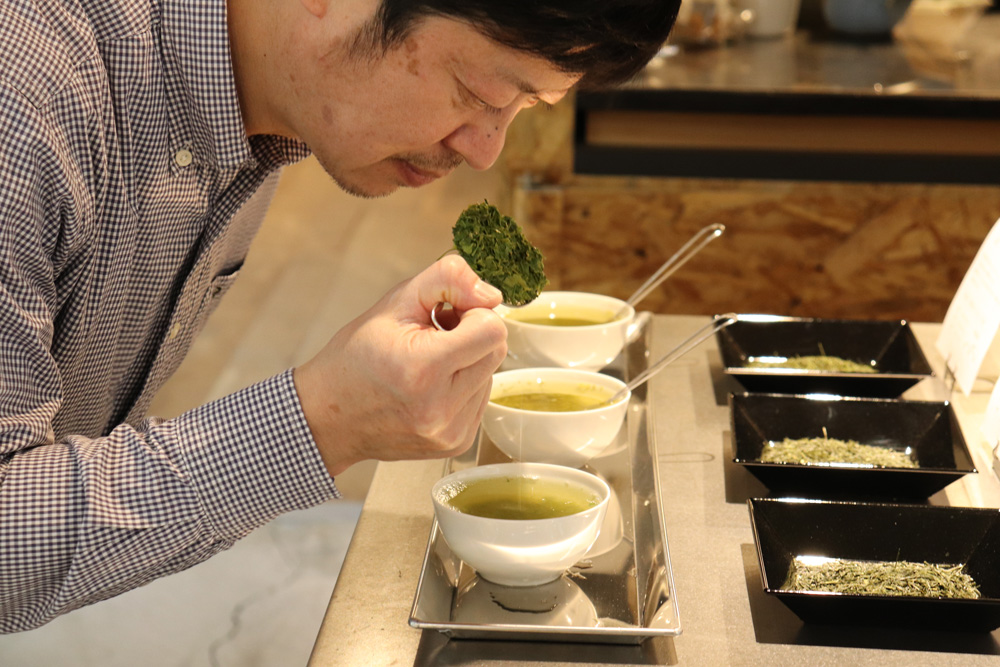
Key Compounds in Japanese Tea and Their Health Benefits
Japanese tea, particularly green tea, contains a range of naturally occurring compounds, including catechins, theanine, caffeine and vitamins.
Catechins are a type of polyphenol found in green tea and have been studied for their antioxidant properties.
Theanine is an amino acid that contributes to the umami flavour of tea, with research exploring its potential role in relaxation and the body’s response to stress. Caffeine has a stimulating effect and may influence sleep, depending on how much is consumed and the time of day.
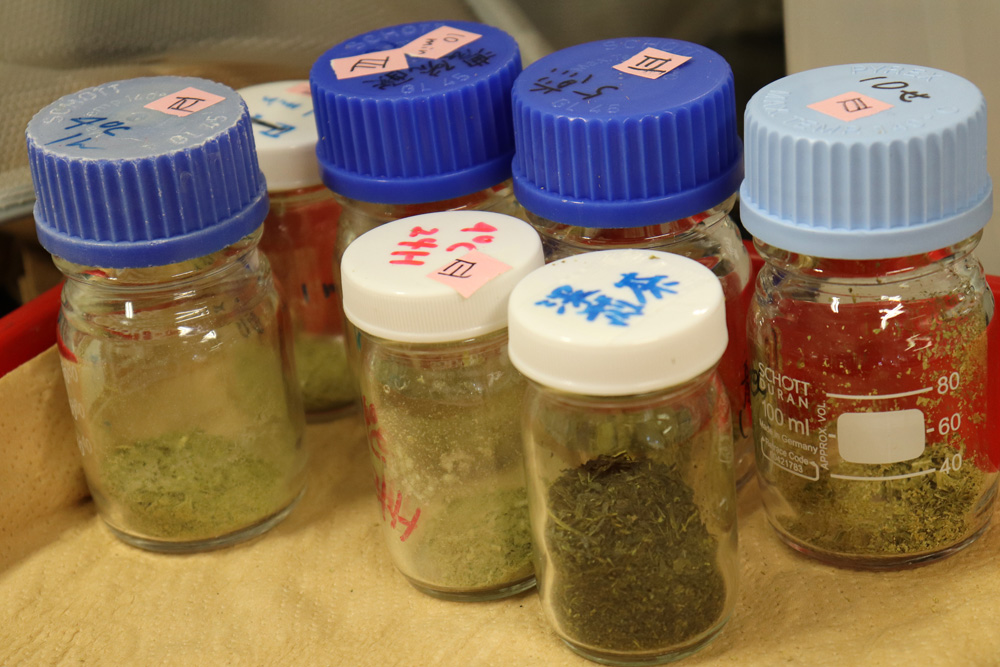
The types and amounts of these compounds vary according to the tea cultivar, cultivation methods, harvesting season, processing techniques and brewing method.
However, research into the properties of these compounds does not necessarily mean that drinking Japanese tea can prevent or treat specific diseases. Some reported effects have been observed in laboratory studies, including experiments conducted outside the human body, and may not produce the same results in people.
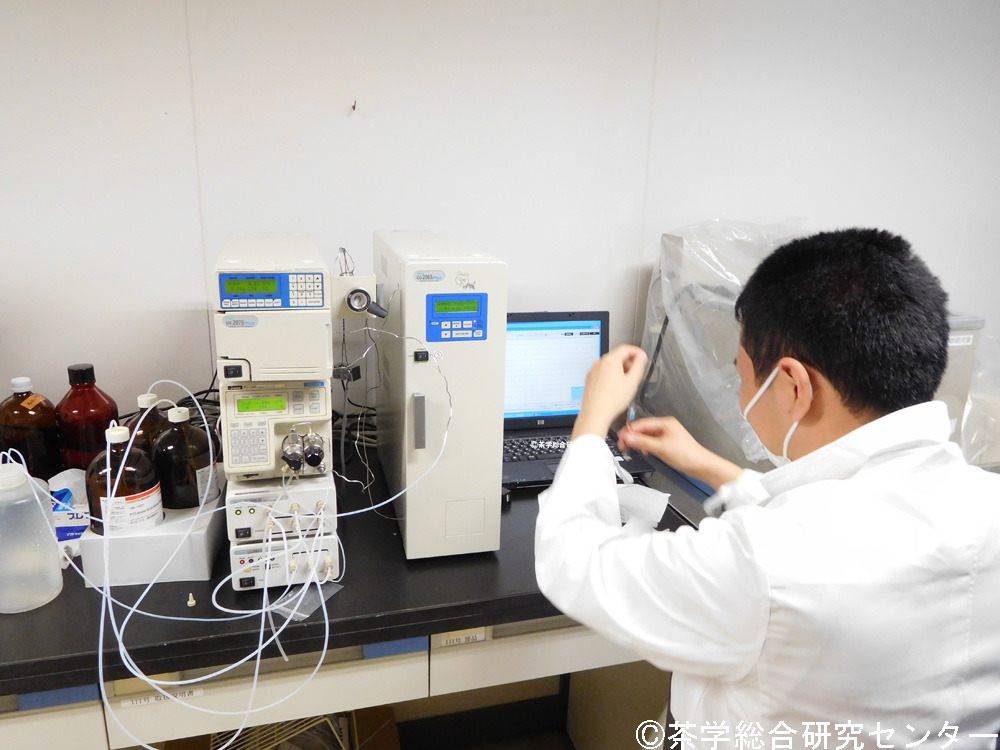
When considering the potential health benefits of Japanese tea, it is important to distinguish between findings from basic research and those from studies involving human participants. Japanese tea is not simply a drink consumed for its potential health benefits. It has long been enjoyed as part of everyday life, appreciated for its flavour and aroma.
OCHATIMES interviewed Dr Yoriyuki Nakamura of the Tea Science Center at the University of Shizuoka to learn more about the health-related properties of tea. For further insights, read Dr Yoriyuki Nakamura on the Health Benefits, Culture and History of Japanese Tea.
How to Brew Japanese Tea: Water Temperature and Flavour for Different Types of Tea
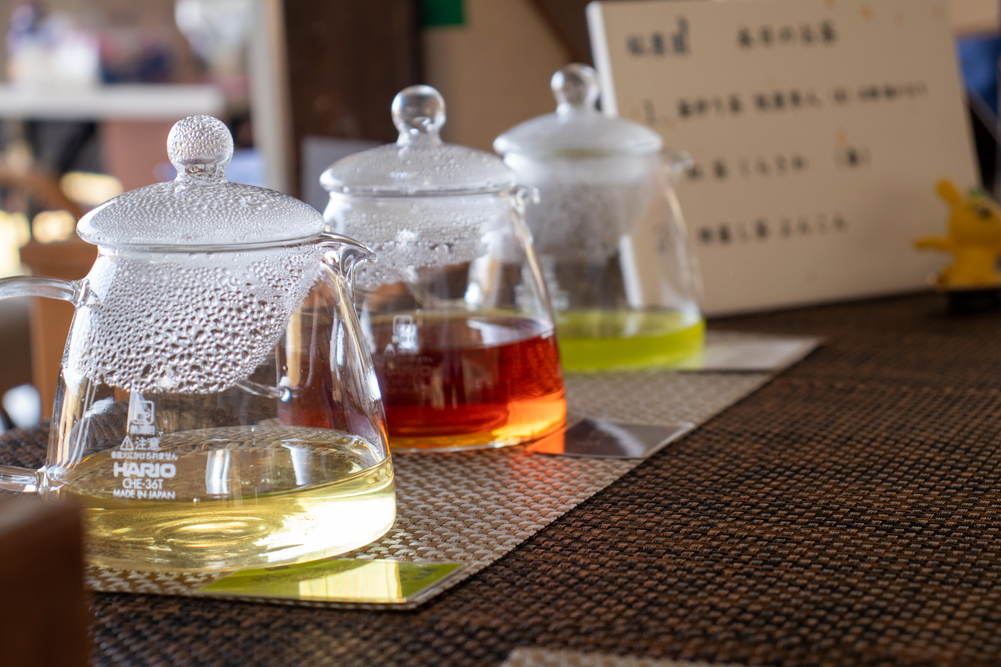
The best way to brew Japanese tea varies depending on the type of tea. Even when using the same leaves, adjusting the water temperature and brewing time can change the balance of umami, astringency and aroma. For example, brewing sencha with water that has been allowed to cool slightly helps achieve a balance between umami and astringency.
Gyokuro, on the other hand, is traditionally brewed with a small amount of water at an even lower temperature, allowing more time to draw out its rich umami flavour. Hojicha is generally brewed with hotter water, which helps bring out the distinctive roasted aroma of the tea.
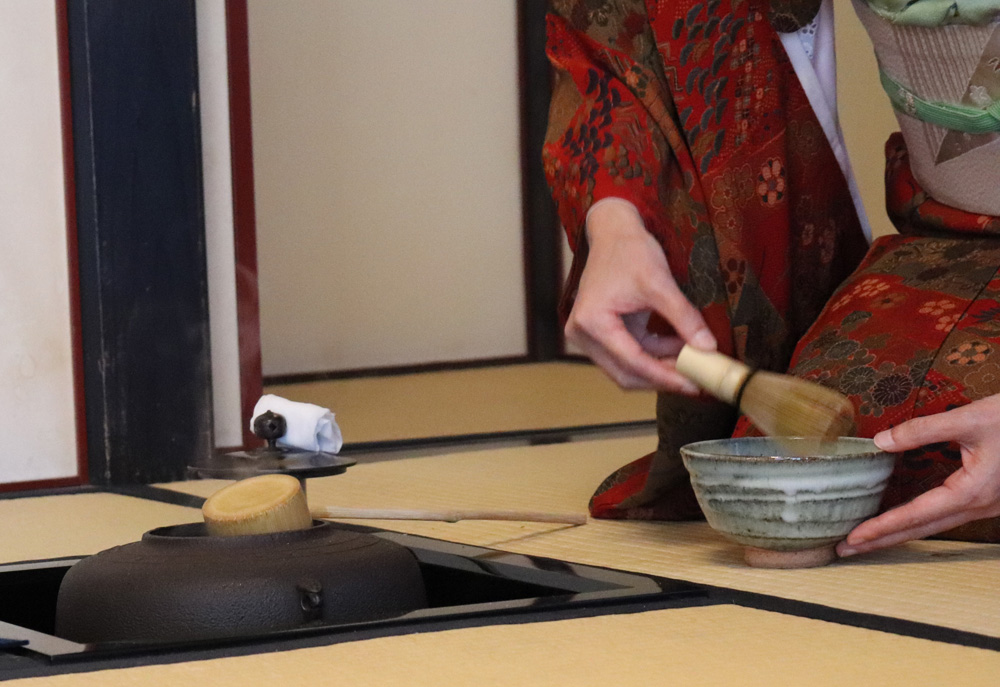
Matcha is prepared differently. Rather than steeping tea leaves in a teapot, hot water is added to matcha powder in a tea bowl and whisked with a bamboo whisk known as a chasen. The amount of tea used and the brewing time also affect the flavour, but there is no single ‘correct’ way to prepare Japanese tea.
A good starting point is to follow the brewing instructions recommended by the tea producer or retailer. From there, gradually adjusting the amount of tea, water temperature and brewing time can help you discover the flavours you enjoy most. Experimenting with these different methods is part of the pleasure of Japanese tea.
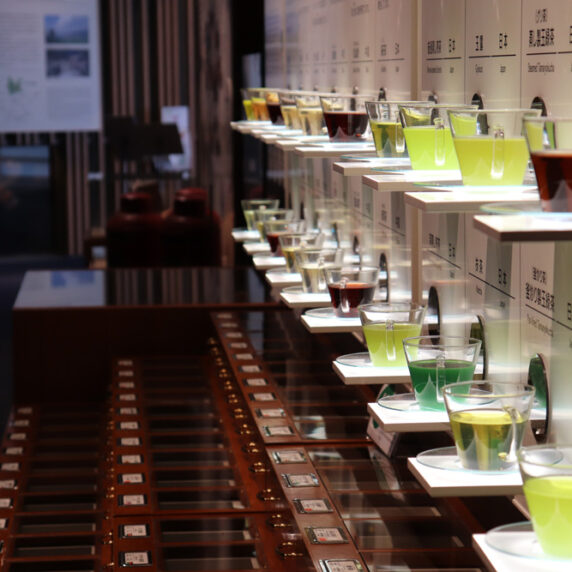
 ▲Charaku is a Japanese tea café in Okitsu, Shimizu Ward, Shizuoka City. It regularly holds tea workshops where visitors can learn how to brew Japanese tea and compare teas from different growing regions across Shizuoka Prefecture.
The History and Culture of Japanese Tea
Japanese tea has evolved over centuries, with changes in cultivation methods, tea-processing techniques and ways of preparing and drinking tea.
The Arrival of Tea in Japan and the Development of the Tea Ceremony
Tea is believed to have been introduced to Japan from China between the Nara period (710–794) and the Heian period (794–1185). Historical records show that in 815, the Buddhist monk Eichū prepared and served tea to Emperor Saga. At the time, tea was mainly consumed by a small section of society, particularly Buddhist monks and members of the aristocracy.
During the Kamakura period (1185–1333), the Buddhist monk Eisai returned from Song-dynasty China and introduced a method of preparing tea by mixing powdered tea leaves with hot water. He also wrote Kissa Yōjōki (How to Stay Healthy by Drinking Tea), a treatise describing the health benefits of tea. Over time, tea drinking and tea cultivation spread to different parts of Japan.

In Shizuoka, the origins of tea cultivation are traditionally traced to the Kamakura period, when the Buddhist monk Shōichi Kokushi is said to have planted tea seeds brought back from Song-dynasty China in Ashikubo, an area of present-day Shizuoka City.
From the Muromachi period (1336–1573) through the Azuchi–Momoyama period (1573–1603), figures such as Murata Jukō, Takeno Jōō and Sen no Rikyū helped develop chanoyu, the Japanese tea ceremony. Over the centuries, it became an enduring part of Japan’s cultural heritage.
The Development of Sencha and the Spread of Japanese Tea in Everyday Life
During the Edo period (1603–1868), the practice of brewing loose-leaf tea in a teapot, introduced from China, became increasingly widespread in Japan. Alongside the traditional tea ceremony, a distinct culture centred on sencha began to develop.
In 1738, Nagatani Sōen of Ujitawara, Kyoto, is credited with developing a method known as aosei sencha seihō, in which steamed tea leaves are rolled while being dried. The technique gradually spread throughout Japan and laid the foundations for modern sencha production.
During the Meiji period (1868–1912), Japanese tea became a major export alongside raw silk, while tea production became increasingly mechanised. Japanese producers also began making black tea using techniques introduced from overseas, further diversifying the methods used to process tea in Japan.

Tea production and drinking habits continued to evolve in the decades that followed. Today, Japanese tea is enjoyed in many forms, from traditionally brewed loose-leaf tea to bottled tea drinks and a wide range of products made with matcha.
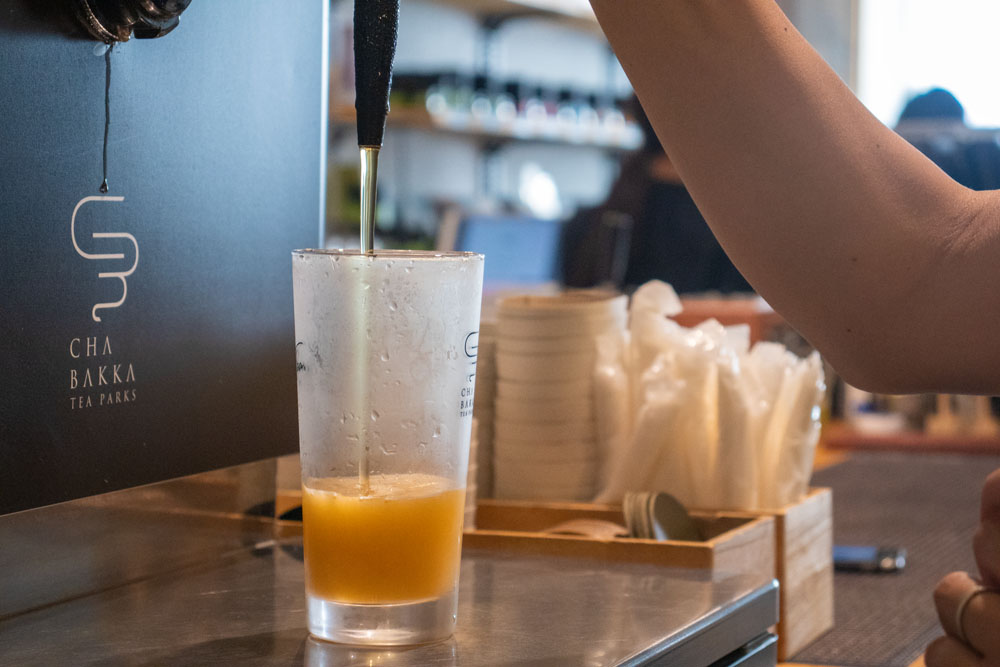
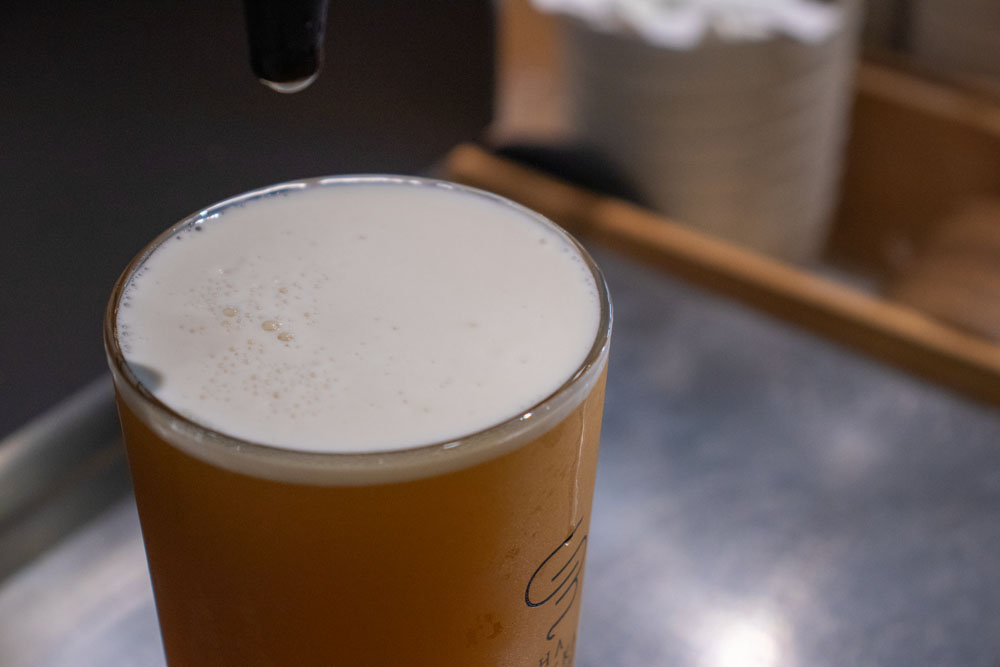 ▲CHABAKKA TEA PARKS’ ‘Draft Tea’ is poured directly from a specially adapted beer tap, producing a creamy, nitrogen-infused head of foam that gives the tea a distinctive texture.
Ways to Enjoy Japanese Tea: Cafés and Experiences in Tea-Growing Regions
The ways people enjoy Japanese tea are changing. Traditionally, tea was mainly prepared at home using a kyusu (Japanese teapot), but today there are more opportunities to enjoy it, from specialist Japanese tea cafés to experiences in tea-growing regions.
Enjoying Tea at Japanese Tea Cafés and Specialist Shops
Japanese tea cafés serve carefully brewed sencha and gyokuro, as well as matcha prepared using a bamboo whisk. Some also offer a range of tea-based drinks and desserts. Matcha lattes, hojicha lattes, matcha gelato and sweets made with hojicha are just some of the ways Japanese tea can now be enjoyed.
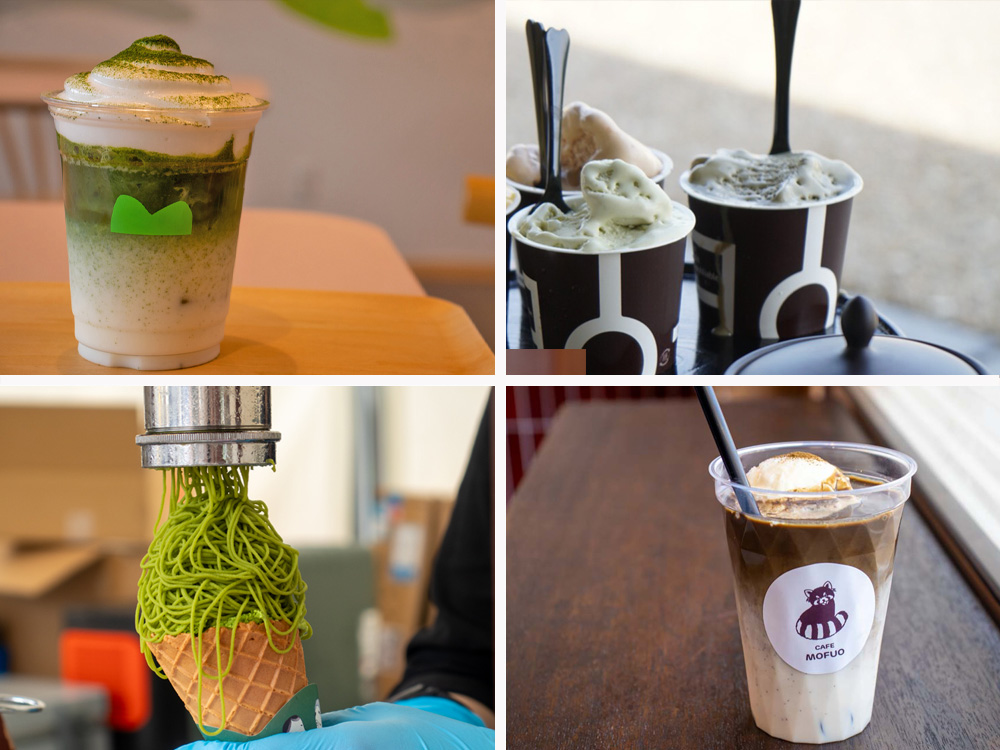
Some tea farmers and tea wholesalers also run their own shops, where they not only sell tea leaves but also introduce customers to the characteristics of different teas and how best to prepare them. While some establishments focus on traditional methods of tea preparation, others offer products designed to make Japanese tea more accessible to younger generations and international visitors.
OCHATIMES has visited and reported on a range of Japanese tea cafés. You can explore them in our Japanese tea café articles.
Visiting Japanese Tea-Growing Regions | Tea Picking, Tea Factory Tours and Tea Terraces
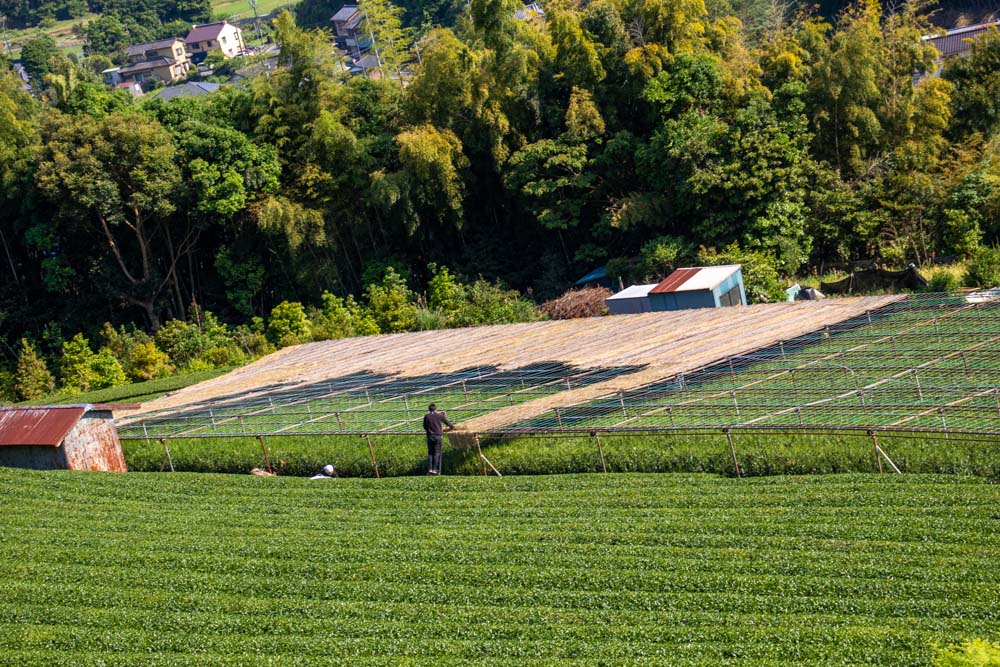
Visiting tea-growing regions offers another way to learn about Japanese tea. Visitors can speak directly with tea producers, take part in tea picking, observe tea processing and enjoy tea at terraces overlooking the tea fields. The steepness and altitude of the tea fields, the materials used to shade tea plants, harvesting machinery and tea factories all offer insights into tea production that cannot be gained from the finished tea alone.
These experiences also create opportunities for tea farmers and consumers to meet and exchange ideas. Increasingly, people are discovering Japanese tea not simply as a product, but through the land, industry and culture behind it.
OCHATIMES introduces a range of experiences from the tea-growing regions we have visited in our tea experience articles.
The Changing Japanese Tea Industry and What Lies Ahead
Japanese tea is not something that has remained unchanged over time. While traditional techniques continue to be passed down, the industry is expanding into new products, shops, experiences and markets.
Changing Demand for Japanese Tea and the Challenges Facing Tea-Producing Regions
In Japan, tea consumption has shifted from loose-leaf tea brewed in a traditional teapot towards ready-to-drink beverages, including bottled tea. At the same time, new demand has emerged for matcha and other Japanese teas in drinks, confectionery and café menus.
Overseas, interest in Japanese tea is growing, particularly in matcha, and exports are increasing. In response, producers across Japan are expanding production of tencha, the processed tea leaves used to make matcha.
These changes in demand are also affecting tea-producing regions. Tea farmers and processing factories that have traditionally focused on sencha must now consider future demand and the investment in equipment needed to adapt.
The Japanese tea industry also faces a number of challenges, including an ageing farming population, a shortage of successors, fluctuations in tea prices and the rising costs of materials and fuel.
At the same time, new approaches to bringing Japanese tea to consumers are becoming more widespread. These include direct sales of tea leaves, product development, Japanese tea cafés and tea-picking experiences.

One example is Chatsutei, a tea company based in Numazu, Shizuoka Prefecture. Through an interview with the company’s president, we explore how Chatsutei combines traditional sencha production with new initiatives under its brand, Delicious Japanese Tea Laboratory.

The People Behind Japanese Tea: Insights from Our Visits
At OCHATIMES, we have visited tea farms, tea wholesalers, tea producers and Japanese tea cafés across Shizuoka Prefecture. Through these visits, we have come to appreciate the wide range of people, skills, places and perspectives that lie behind the term ‘Japanese tea’.
Some dedicate themselves to growing high-quality tea leaves. Others focus on refining tea-processing techniques. Tea wholesalers assess the quality and characteristics of tea leaves, then use roasting and blending techniques to create finished products. There are also those who introduce new ways to enjoy Japanese tea through direct sales, product development and the running of cafés.
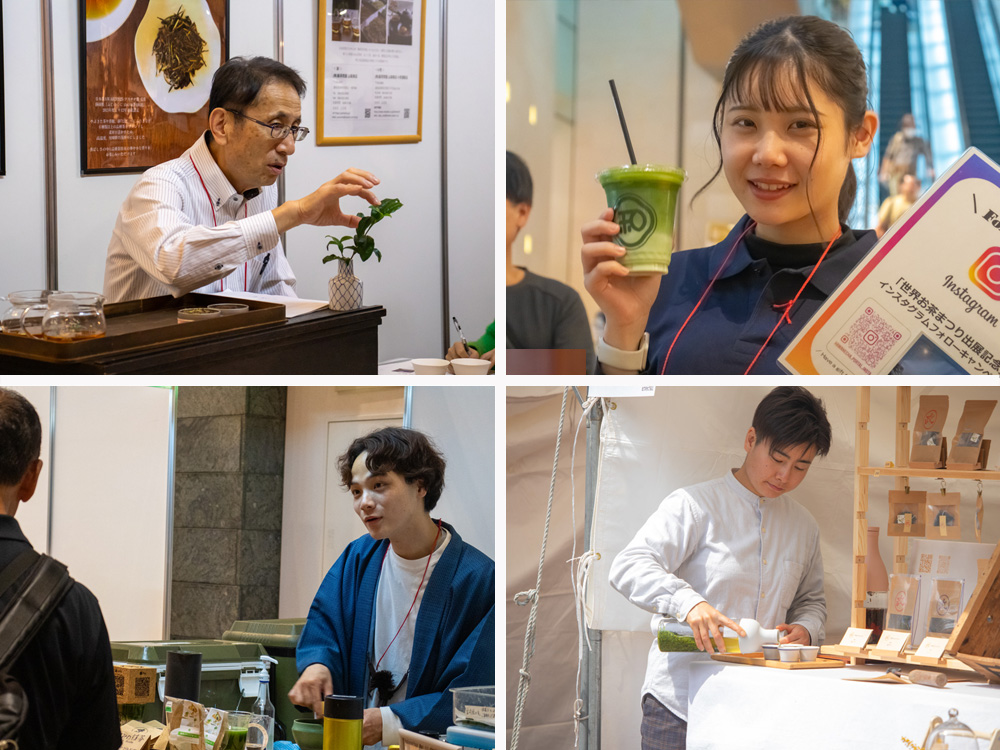
These different approaches all relate to a common question: Who will Japanese tea reach in the future, and how can it be brought to them?
From cultivation and processing to finishing, distribution and retail, Japanese tea reaches us through the work of many people.
The next time you enjoy a cup of Japanese tea, consider the tea fields, farmers, wholesalers and others whose work has made it possible.
Perhaps, in doing so, you will begin to discover more of the depth and diversity of Japanese tea culture.
| Writer | Norikazu Iwamoto |
| Profile | Editor-in-Chief of OCHATIMES. Served as a judge for the Shizuoka 100 Teas Award from 2021 to 2025 and met with the Vice-Governor of Shizuoka Prefecture. OCHATIMES has been featured on or linked from the websites of the World O-CHA Festival, the University of Shizuoka Tea Science Center, the City of Green Tea Shizuoka, and Japan’s Ministry of Agriculture, Forestry and Fisheries. |
Related articles
-
Aitouen’s the world-renowned tea production in the face of a challenging climate within the Kawane tea brand【Kawanecha, Shizuoka Prefecture】
Every year, Japanese tea farmers pit their precious harvests...
OCHATIMES編集部
-
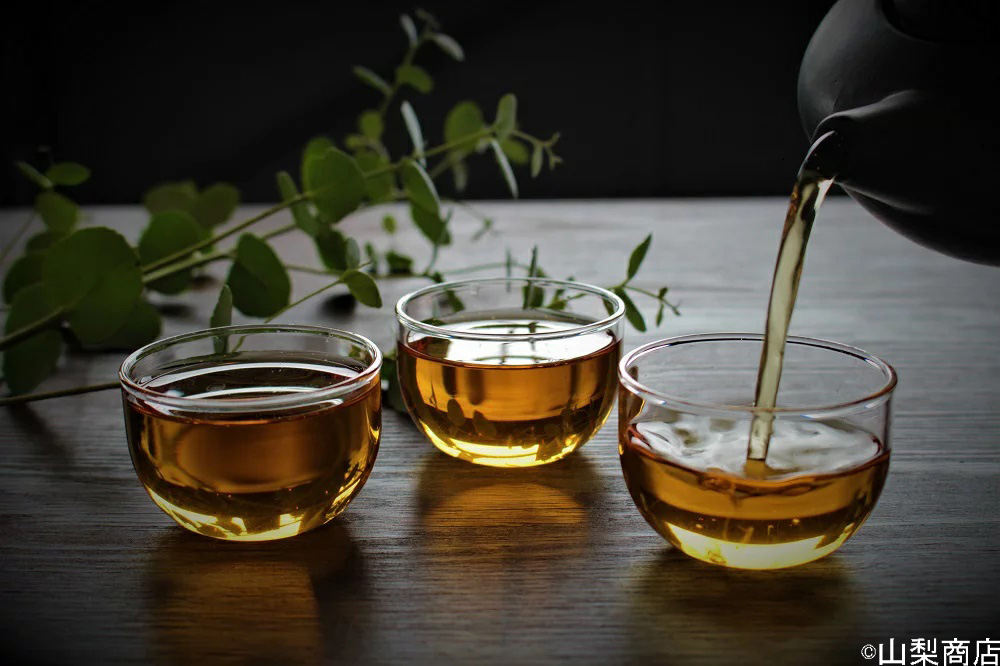
The Past and Present of Japanese tea in the Making of Hojicha at Yamanashi Shoten.【Shizuoka city, Shizuoka Prefecture】
Shizuoka being a famous tea producing region, it has also be...
OCHATIMES編集部


 on the red bar to close the slide.
 to see the
distance between the current location to the Chaya.