

What Is Wakocha (Japanese Black Tea)? Its History, Varieties, Production and How It Differs from Other Black Teas
 Go to Japanese page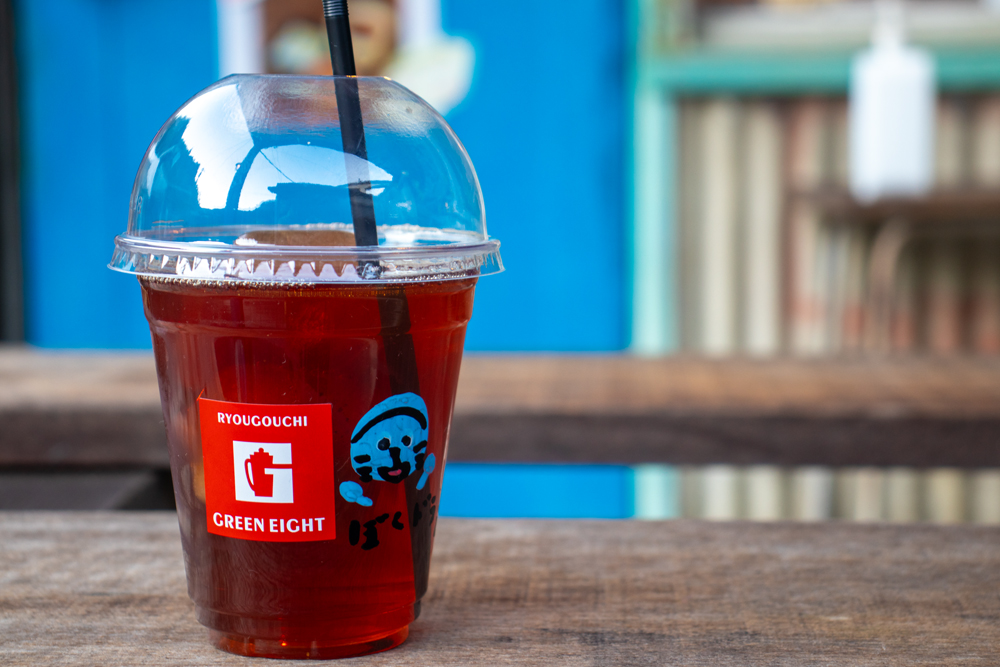
When people think of black tea, they may picture teas produced overseas, such as Darjeeling and Assam from India or Ceylon tea from Sri Lanka. Yet black tea is also produced across Japan using tea leaves grown domestically. These Japanese-made black teas are known as wakoucha, or Japanese black tea.
Wakoucha is remarkably diverse, with flavour and aroma varying considerably according to the producer, tea cultivar and production method. At OCHATIMES, a specialist Japanese tea web publication, we have visited tea farmers and tea producers making wakoucha across Shizuoka Prefecture to learn about their work first-hand.
Drawing on these on-site interviews, this article explores what wakoucha is, how it differs from black teas produced overseas, its history, the tea cultivars and production methods involved, and the distinctive character that individual producers bring to their teas.
What Is Wakoucha (Japanese Black Tea)?
Wakoucha is black tea made in Japan using tea leaves grown domestically. As it is produced from Japanese-grown tea leaves, it is also sometimes referred to as *kokusan kocha* (domestically produced black tea) or *ji-kocha* (locally produced black tea).
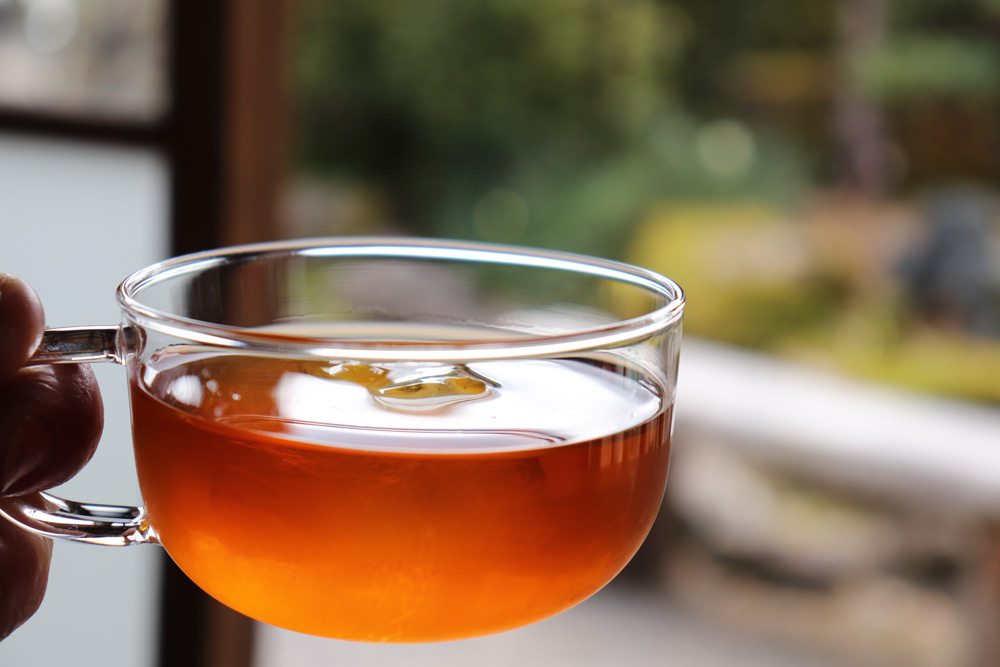
One of the main factors that distinguishes green tea from wakoucha is the oxidation of the tea leaves during processing.
Sencha is generally made by steaming freshly picked leaves soon after harvesting. This heat treatment deactivates the enzymes in the leaves and prevents further oxidation. Black tea, by contrast, is not heated immediately. The leaves are first withered, allowing oxidation to progress through the action of their natural enzymes.
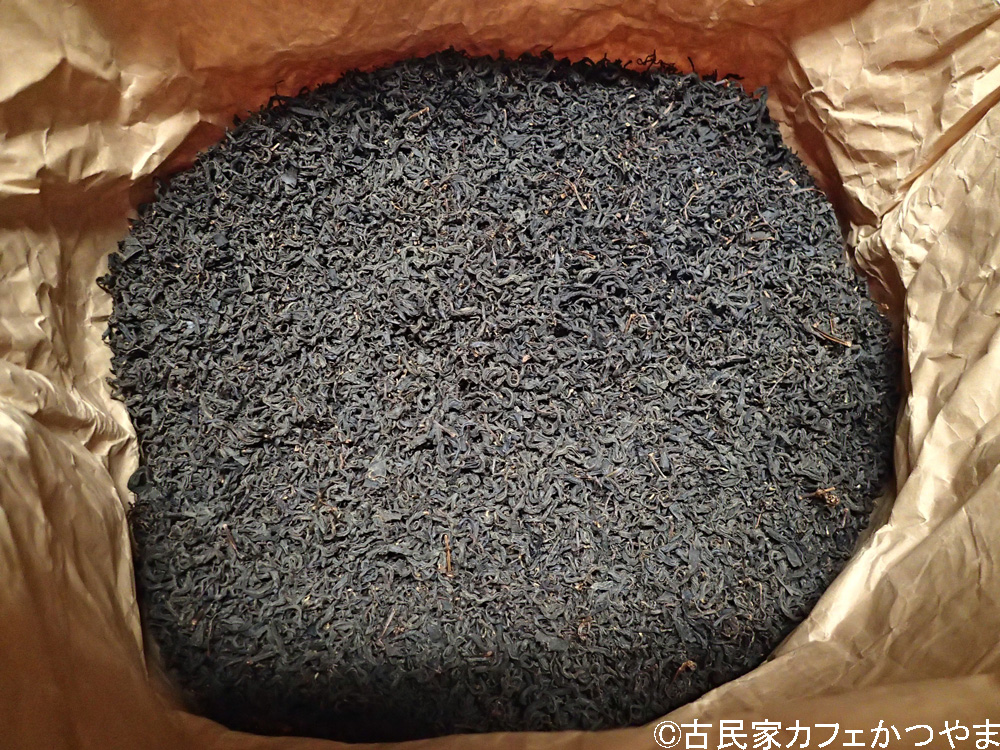
The leaves are then rolled in a process known as *juunen* (揉捻) before being dried. As a result, the once-green leaves gradually turn reddish-brown, developing the distinctive aroma and liquor colour associated with black tea.
Through these different methods of processing, the leaves of the same tea plant, *Camellia sinensis*, can be transformed into a wide variety of teas, including green tea, black tea and oolong tea.
What Is the Difference Between Wakocha (Japanese Black Tea) and Black Tea Produced Overseas?
The most straightforward difference between wakoucha and black tea produced in countries such as India and Sri Lanka is where it is grown and made. Wakoucha is produced in Japan using tea leaves cultivated domestically.
By contrast, overseas black teas are made from tea leaves grown and processed in regions outside Japan, including Darjeeling, Assam, Uva and Nuwara Eliya.
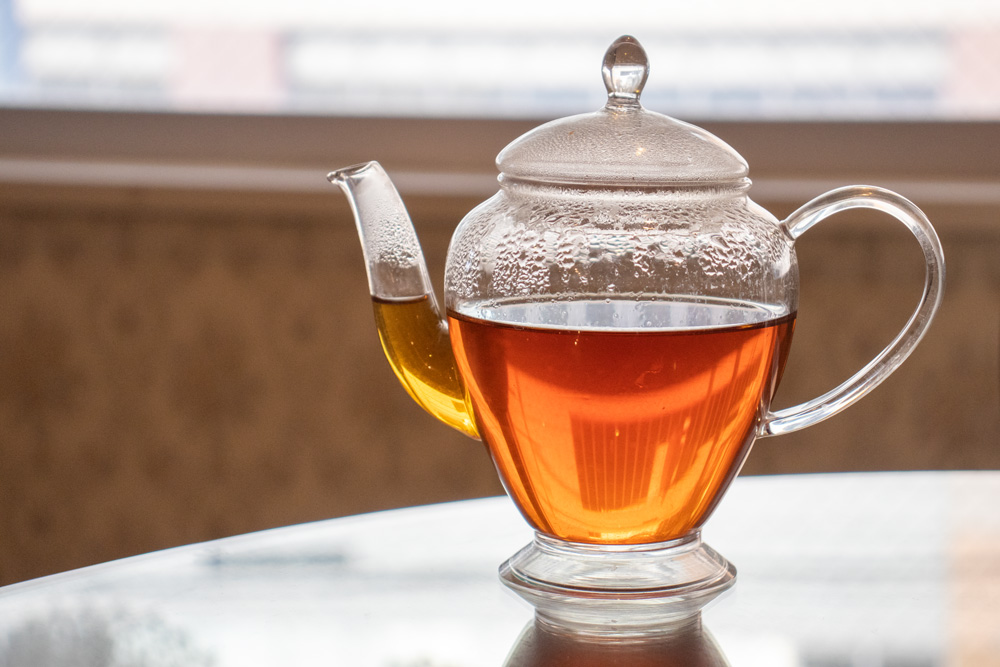
But how do they differ in flavour?
There are numerous black tea-producing regions around the world, and their flavour and aroma can vary considerably depending on factors such as tea cultivar, climate, harvest season and processing methods. It is therefore difficult to define overseas black tea as having any single characteristic flavour.
The same is true of wakoucha. Tea grown in the mountainous areas of Shizuoka develops under different conditions from tea cultivated on warmer, flatter land. The cultivars used and the way the leaves are processed also influence the resulting flavour and aroma.
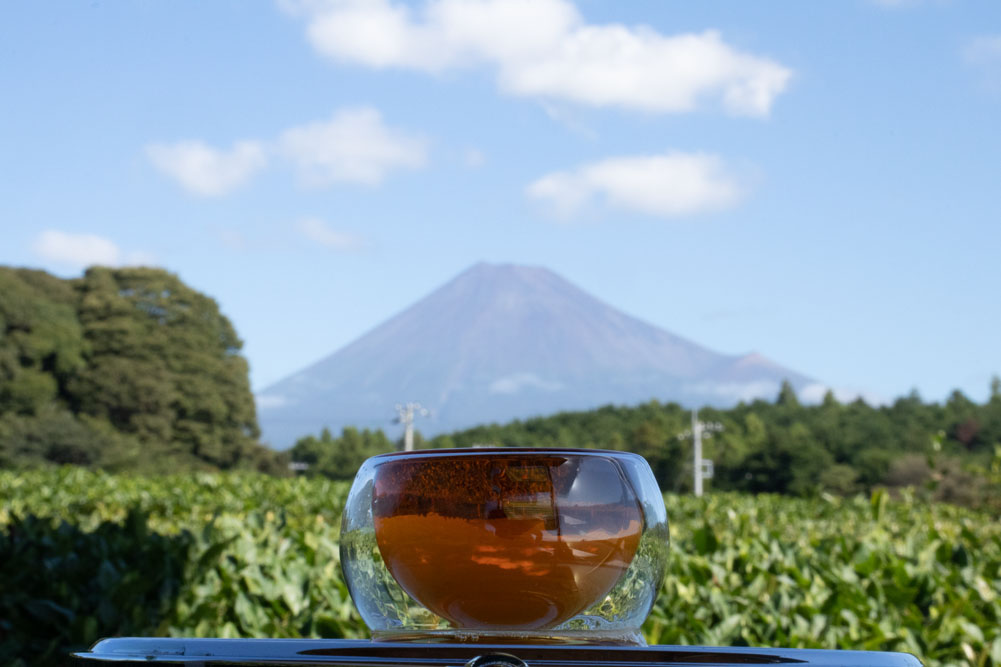
What Japanese Black Tea Learnt from Overseas Black Tea Traditions — and How It Took Root in Japan
Japanese black tea, or wakoucha, did not develop in isolation from the black teas produced overseas.
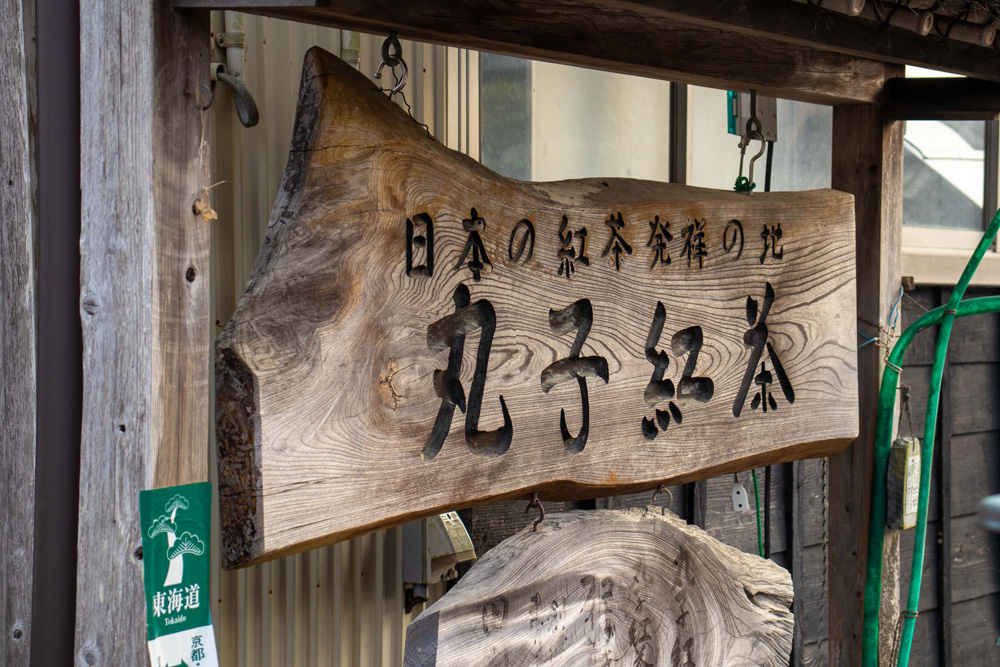
One place that embodies this history is Mariko, in Suruga Ward, Shizuoka City, which is known as the birthplace of domestically produced black tea in Japan. Motokichi Tada, a former retainer of the Tokugawa shogunate, moved to Mariko in 1869 and established a tea garden there.
He later travelled to China and to tea-growing regions of India, including Darjeeling and Assam, as an official of the Meiji government, studying methods of black tea cultivation and production.
The tea seeds he brought back, along with his knowledge of production techniques and tea-processing machinery, were introduced to tea-growing regions across Japan. By 1881, Japan had begun producing black tea in earnest using Indian methods.
From its earliest days, Japanese black tea production developed by learning from overseas tea regions and adapting their techniques to local conditions.
After the Second World War, however, Japanese producers faced increasingly intense price competition from imported black tea. When Japan liberalised black tea imports in 1971, domestic production declined sharply.
Against this backdrop, one producer became determined that the tradition of black tea should not disappear from Mariko, the place where it had begun. That producer was niroku Muramatsu of Mariko Koucha.
From around 1989, Muramatsu began devoting himself seriously to black tea production. His research ranged from soil preparation and tea cultivation to the processes involved in oxidation.
He sought guidance from specialists at tea research institutes and universities, and also travelled to tea-producing countries such as Sri Lanka to study their techniques first-hand.
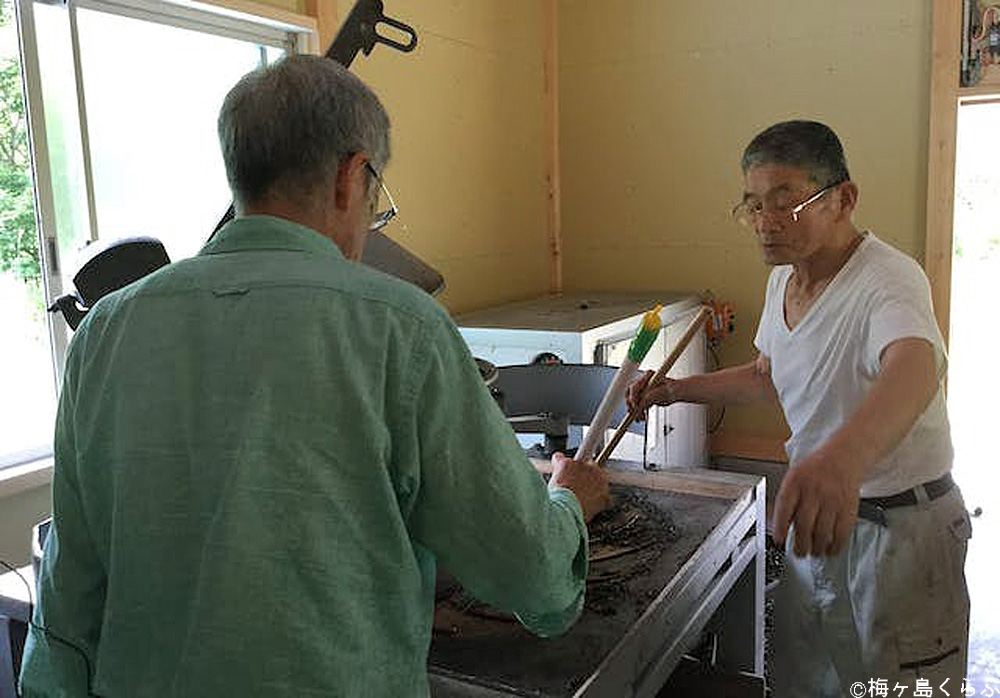 ▲ The late Niroku Muramatsu (right)
Muramatsu also developed his own withering and fermentation equipment, obtaining a Japanese patent for the latter. Tea farmers from across the country came to learn black tea production from him, and his techniques were gradually passed on to producers of Japanese black tea in other regions.
The knowledge that Motokichi Tada brought back from overseas was carried forward by Niroku Muramatsu into modern Japanese black tea production, before being passed on again to a new generation of producers.
The history of Mariko Koucha shows how Japan’s black tea tradition has taken root in its tea-growing regions while continuing to learn from techniques developed overseas.
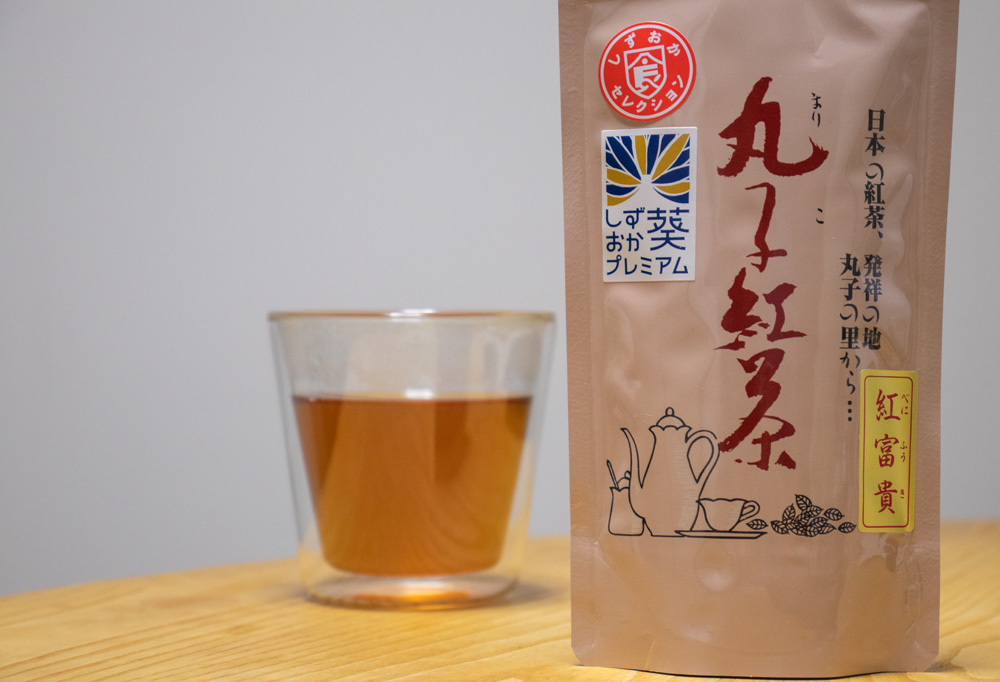
That exchange continues today. Some contemporary Japanese black teas are created by combining knowledge from overseas tea production with Japanese tea cultivars and the particular conditions of local growing regions.
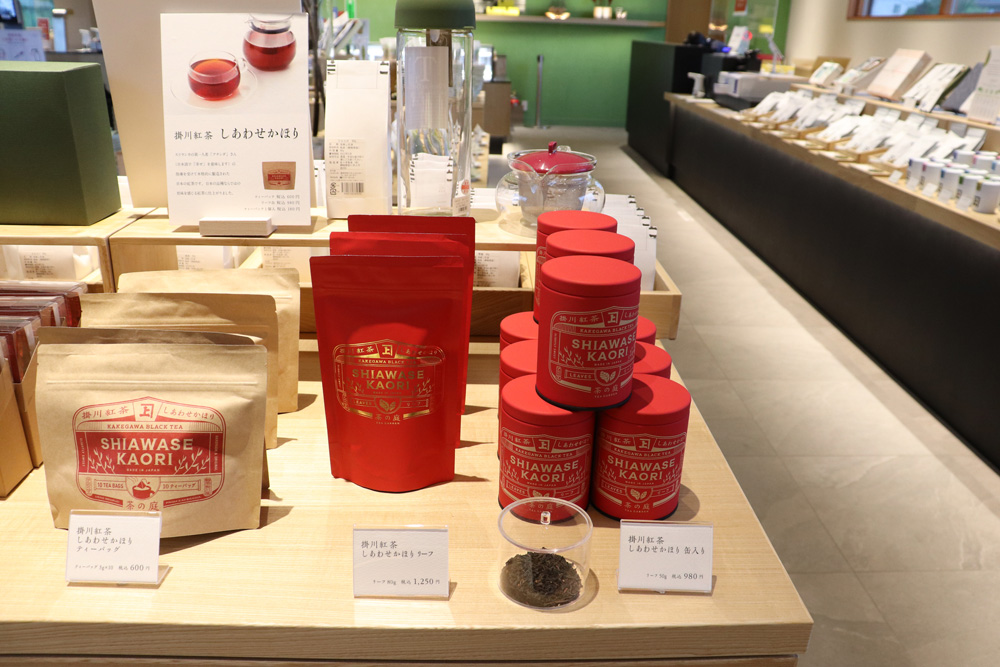
Kakegawa Koucha Shiawase Kahori, produced by Cha-no-Niwa in Kakegawa City, is one example of a tea born from a connection between a Japanese tea-growing region and Sri Lankan black tea expertise.
The tea was developed and produced under the guidance of Ananda Feld, a former factory manager at New Vithanakande Tea Factory, one of Sri Lanka’s respected tea producers. Made from the Japanese tea cultivar Benifuki, it incorporates black tea production knowledge developed in Sri Lanka.
To understand wakoucha, it is more useful to look beyond questions of whether Japanese or overseas black tea is superior. What matters is the tea being grown in each region of Japan, who is producing it, where they learnt their techniques, and how those influences and ideas are ultimately expressed in the finished tea.
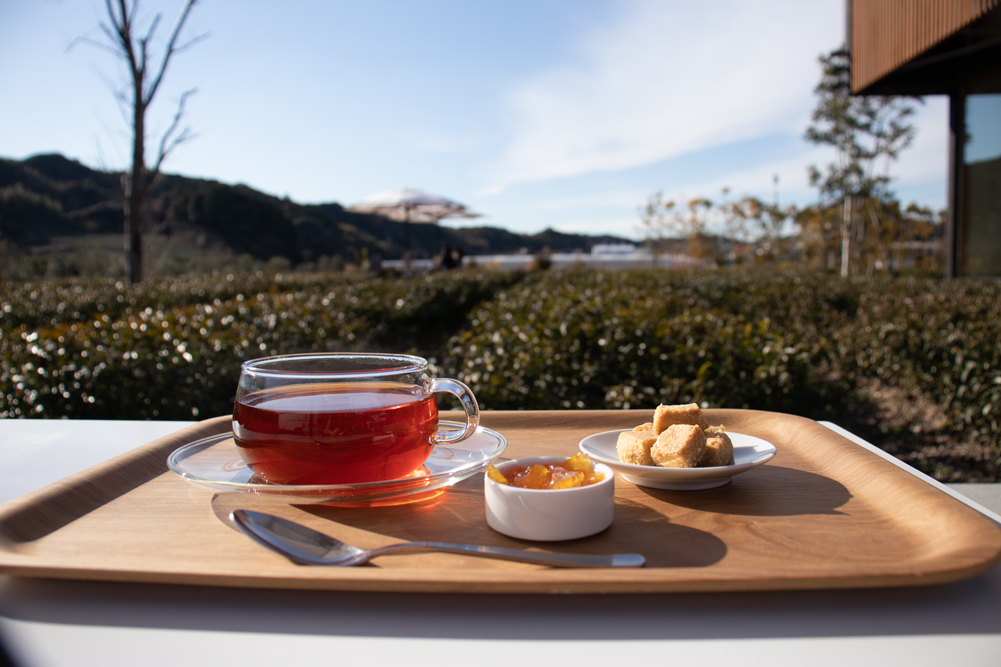
How Japanese Black Tea Changes with Cultivar and Production Method: Why Each Producer’s Tea Has Its Own Character
Wakoucha (Japanese Black tea) is generally made by processing freshly picked tea leaves through the following stages:
Withering(ichou)
Rolling(juunen)
Oxidation
Drying
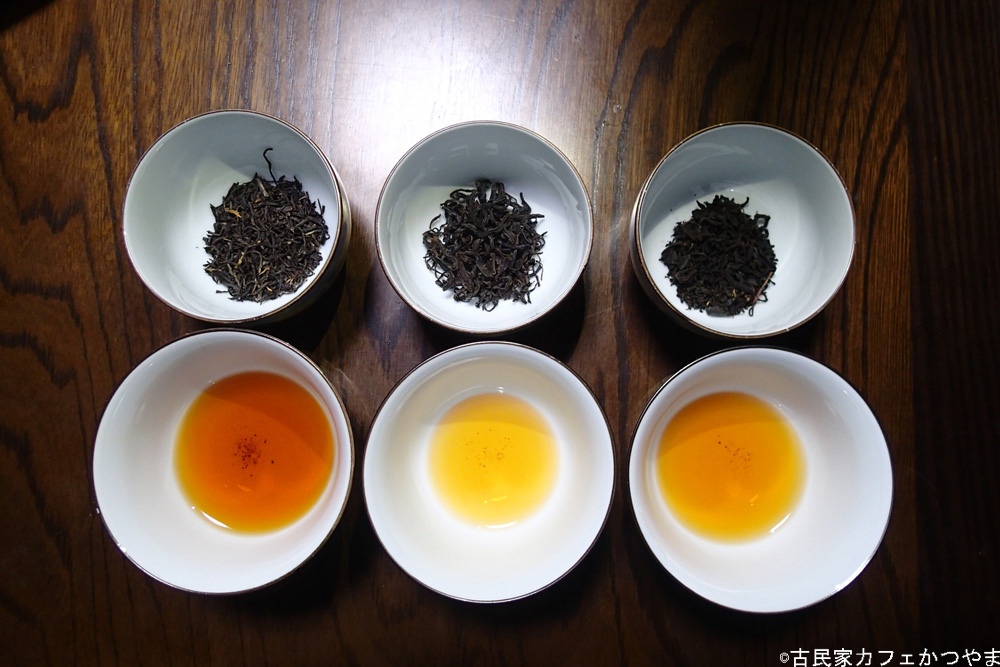
Here, we look at how Japanese black tea is made, accompanied by photographs provided by Katsuyama Seicha,: Kominka (traditional Japanese house) Cafe Katsuyama, which grows and processes its own tea in Mizumiiro, Aoi Ward, Shizuoka City.
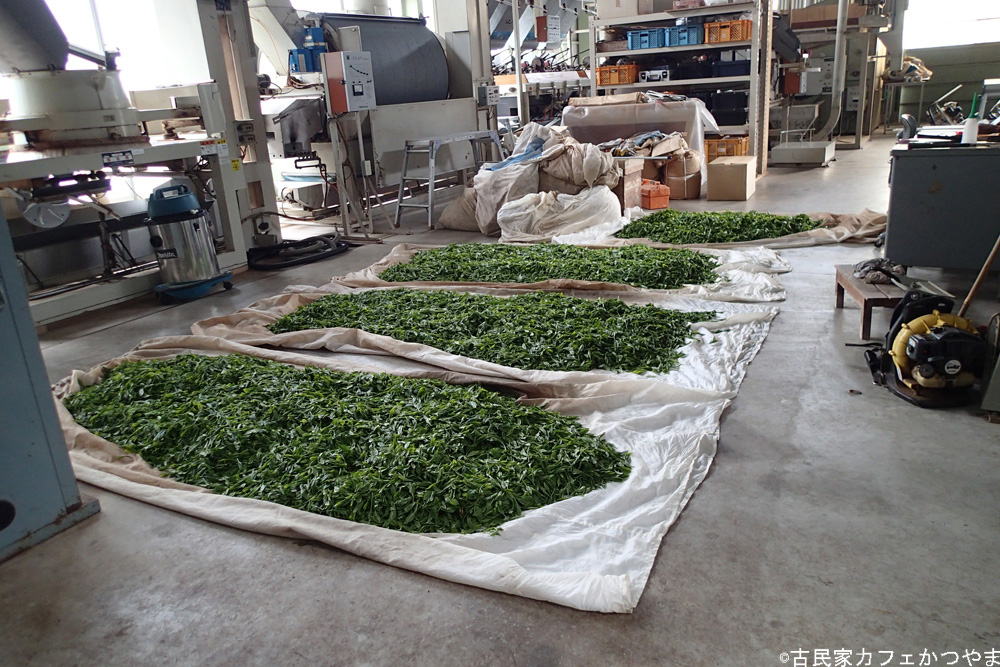
Withering is the process of leaving freshly picked tea leaves for a period of time so that they gradually lose moisture and soften. As well as making the leaves easier to roll, this stage plays an important role in developing the aromas associated with black tea.
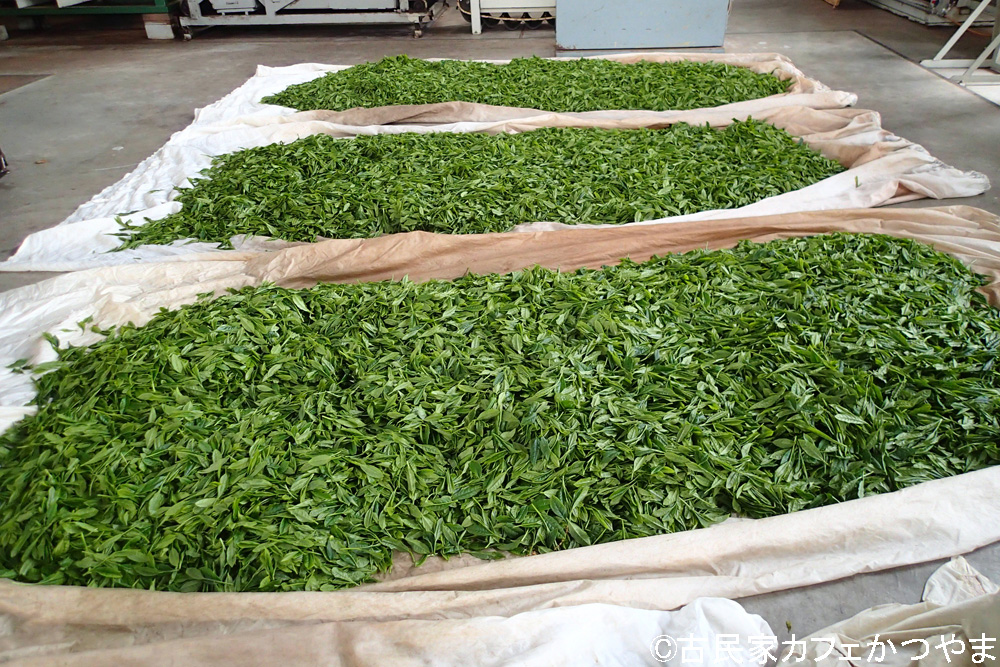 ▲ Freshly picked tea leaves from the tea fields. Green tea and black tea both begin with leaves from the same tea plant.
Once the leaves have softened through withering, they are rolled. This breaks down the cellular structure of the leaves, allowing their natural compounds to come into greater contact with oxidative enzymes.
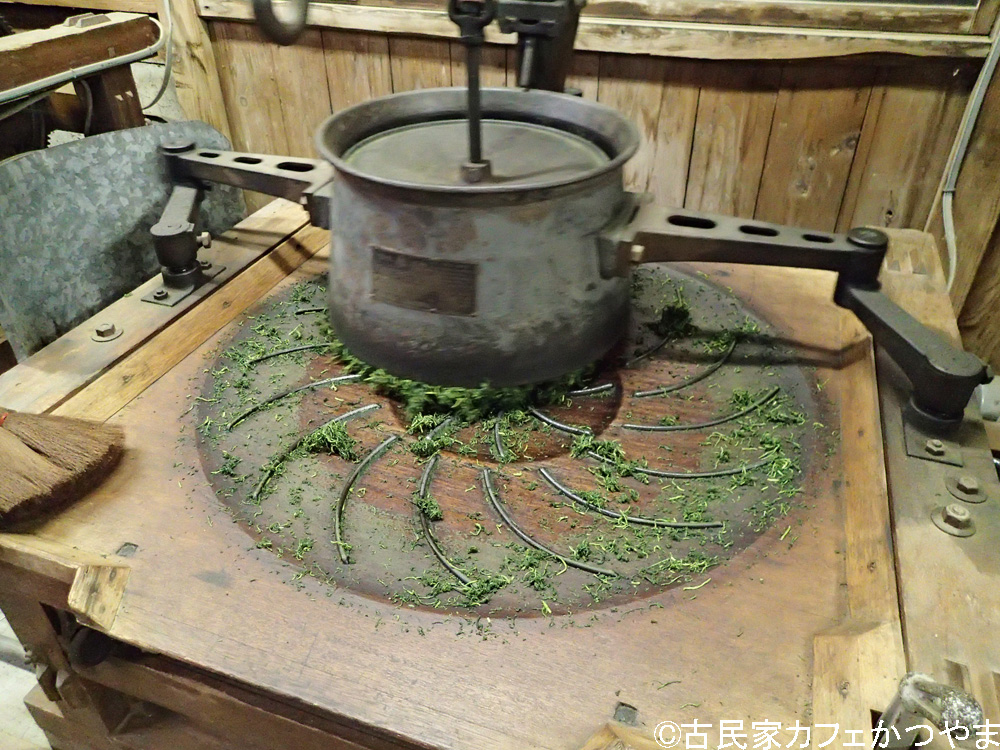
As oxidation progresses, the colour and aroma of the leaves gradually change. In black tea production, this process is traditionally referred to in Japanese as hakkō, or ‘fermentation’. Strictly speaking, however, it differs from microbial fermentation such as that involved in making miso or yoghurt.
In tea, the transformation is caused by the action of oxidative enzymes naturally present in the leaves.
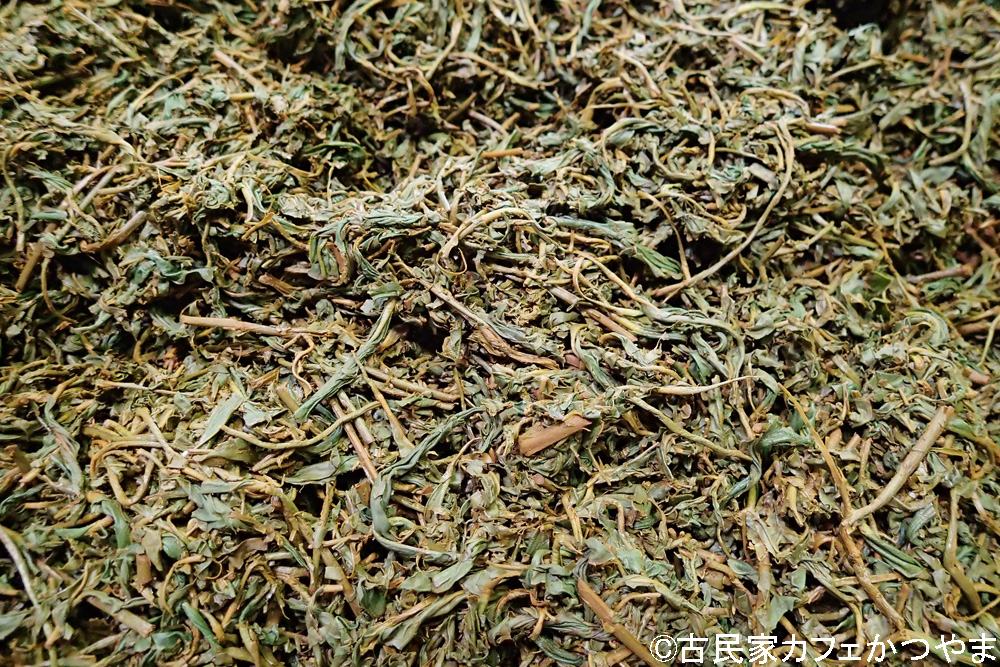
Throughout the process, the tea maker checks the condition and aroma of the leaves to determine when to move on to the next stage. Once the desired level of oxidation has been reached, the leaves are dried to halt the process and produce a stable finished black tea.
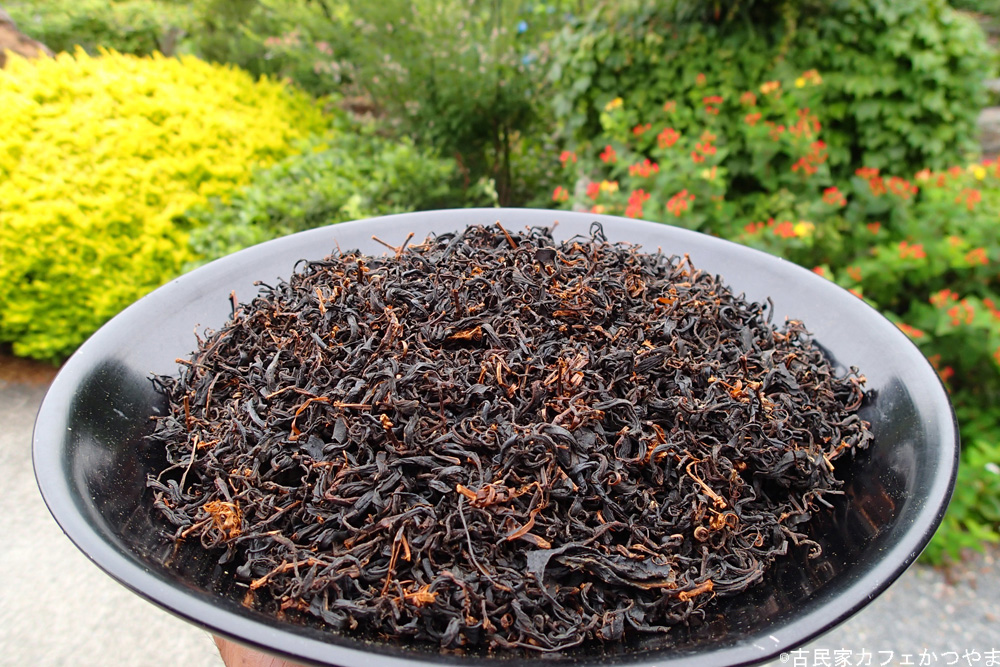
Even when starting with the same leaves, considerable differences in flavour and aroma can emerge depending on how the tea is withered, rolled, oxidised and dried, as well as how it is matured afterwards.
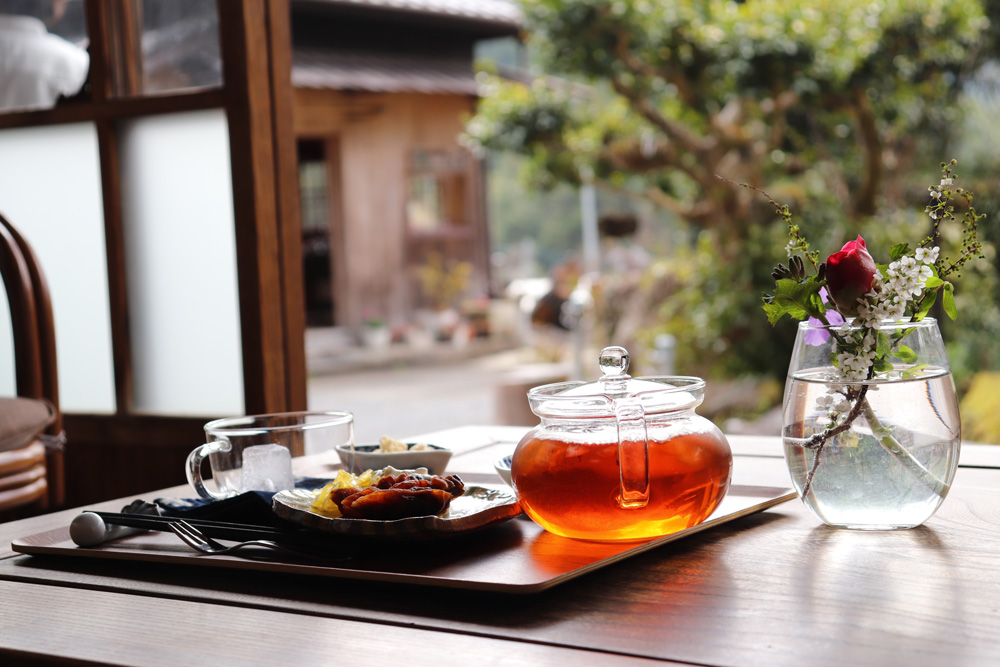
Alongside sencha and other types of Honyama tea, Katsuyama Seicha produces its own Japanese black tea, Yama no Kocha. The finished tea can also be enjoyed at Kominka Cafe Katsuyama, housed in a traditional Japanese home more than 170 years old that has been carefully converted into a café.
There is no single cultivar used to make Japanese black tea. Some producers work with Yabukita, Japan’s most widely grown tea cultivar, while others use cultivars such as Benifuki, which was bred specifically for black and semi-oxidised tea production.
During OCHATIMES reporting, we have encountered Japanese black teas made from cultivars including:
Yabukita
Benifuki
Tsuyuhikari
Shizu 7132
Zairai, or seed-grown local tea plants
The character of the cultivar itself is only one part of the equation. Each producer also makes different choices in withering, rolling, oxidation, drying and maturation. It is the combination of these variables that gives Japanese black teas their remarkably diverse flavours and aromas.
Beyond Sweet and Mellow: Discovering the Diversity of Wakoucha Through On-Site Reporting
Wakoucha is often described as having little astringency, with a sweet, mellow character. Many Japanese black teas do indeed share these qualities.
However, our visits to producers revealed just how diverse wakoucha can be in flavour and aroma. There is no single way to enjoy it, either. While it can certainly be drunk on its own, wakoucha also lends itself well to milk, can be served chilled, or paired with fruit and spices. This versatility allows it to move beyond conventional ideas of how Japanese tea should be enjoyed.
Here, we introduce three producers whose wakoucha differ in flavour, production methods and ways of serving.
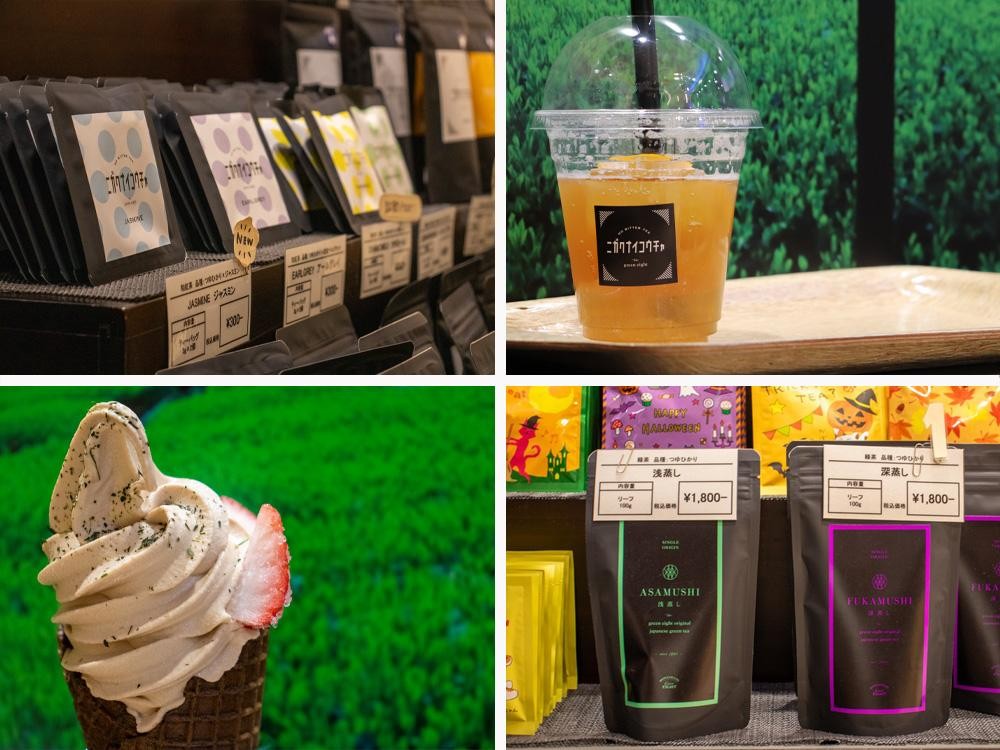
Ryogouchi | GREEN Eight and the Japanese Black Tea Specialist NIGAKUNAIKOUCHA
At GREEN Eight in Ryogouchi, Shimizu Ward, Shizuoka City, Japanese black teas are made from cultivars such as Tsuyuhikari and Shizu 7132. By varying the production methods and ageing periods, the team draws out the distinctive qualities of each tea.
Even within its signature Kohaku series, there is a remarkable range of flavour profiles, from mild and fruity to bitter and smoky. Kohaku Sweet is made with Tsuyuhikari, while Kohaku Mild uses Shizu 7132, a cultivar known for its distinctive aroma reminiscent of cherry leaves. Each cultivar brings a different character to the finished tea.
GREEN Eight also explores the versatility of Japanese black tea in many other forms, including fruit teas, sparkling teas, Earl Grey, Japanese black tea soft-serve ice cream and parfaits.
The story behind GREEN Eight’s move into Japanese black tea, as well as its specialist brand NIGAKUNAIKOUCHA, is explored in greater detail in GREEN EIGHT CAFE: Hope Found in Japanese Black Tea — How Green Eight and its New Brand “Nigakunai Koucha” are Shaping the Future of Shizuoka Tea (Ryogouchi Tea)
Umegashima, a Mountain Community in Aoi Ward, Shizuoka City | Umegashima Club
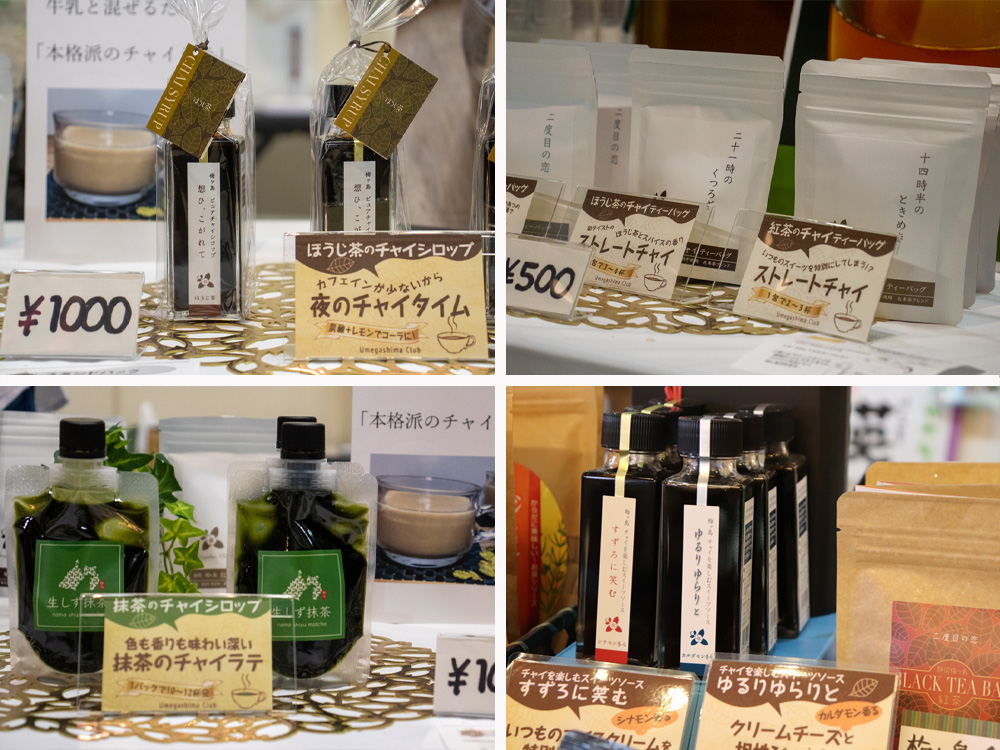
At Umegashima Club in Umegashima, Japanese black tea is made by combining Yabukita, Japan’s best-known tea cultivar, with native seed-grown tea plants. The resulting tea has a sweet aroma reminiscent of brown sugar, a deep richness and a long, lingering finish.
Umegashima Club has also developed Umegashima Chai, which blends Japanese black tea with spices including cinnamon, ginger and cloves.
The background to Umegashima Club’s black tea production, and its efforts to use both tea and chai as a means of supporting the local community, are covered in greater depth in Umegashima Club Chai Project, a tea farm in the secluded village of Umegashima (Umegashima Black Tea, Shizuoka)
Makinohara | Aged Black Tea from Kamairicha Shibamoto
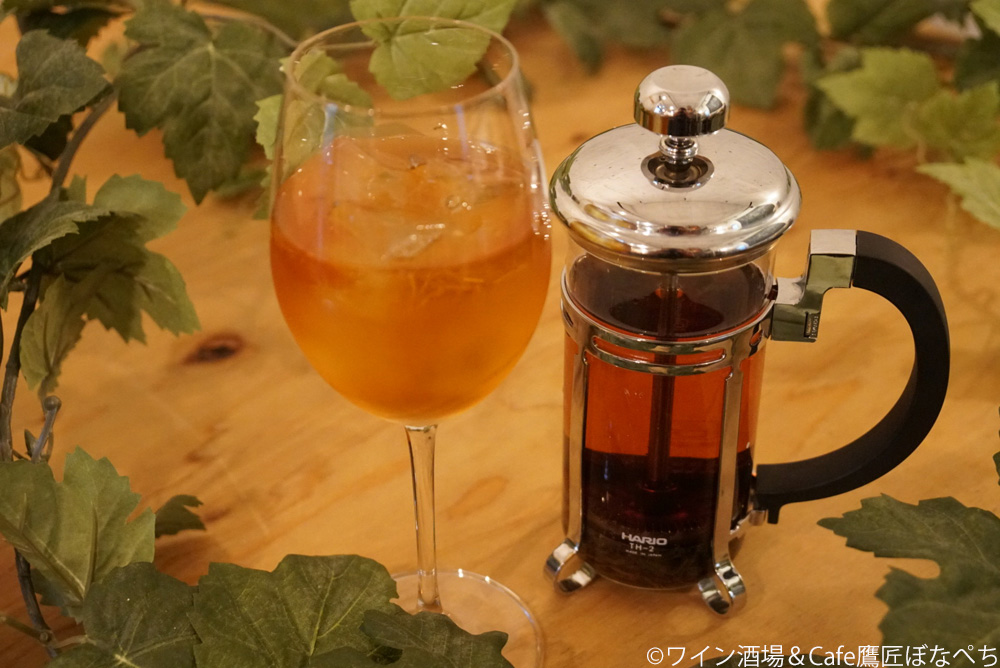
At Kamairicha Shibamoto in Makinohara City, Benifuki leaves are hand-picked and aged for a year before being finished as Mitsukoucha, a black tea distinguished by a sweet, refreshing aroma reminiscent of Muscat grapes.
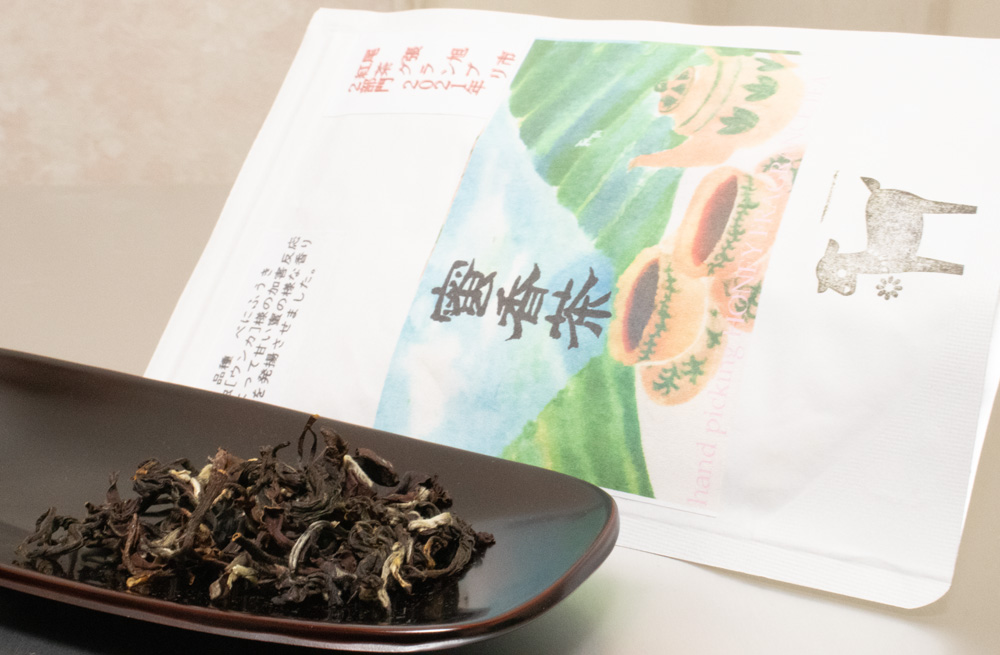
Kamairicha Shibamoto also suggests brewing Mitsukoucha slightly stronger, chilling it and serving it in a wine glass or similar glassware.
More about Kamairicha Shibamoto’s approach to tea-making, and the complexity of aroma that develops through ageing, can be found in Kamairicha Shibamoto’s Aged Teas: Depth, Time, and Aroma [Pan-Fired Tea, Shizuoka]
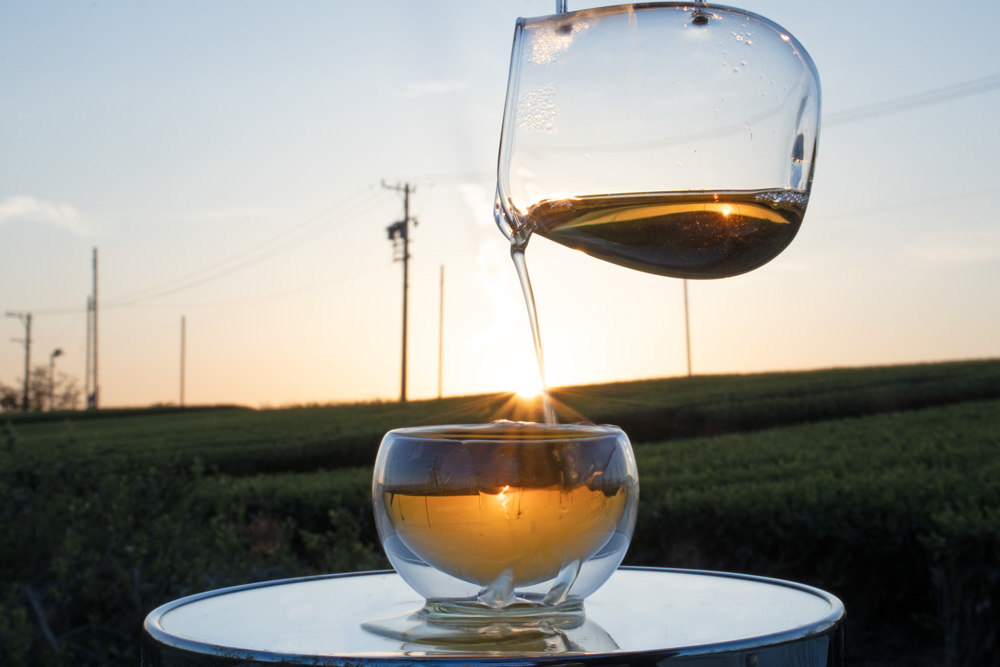
The appeal of Wkoucha(Japanese black tea), then, cannot be reduced to a single flavour simply because it is produced in Japan. Its depth lies precisely in the diversity created by cultivar, place, producer and method of production.
Editor’s note: OCHATIMES visits tea farmers across Japan who produce a wide range of Japanese teas, including Japanese black tea. Explore more in our Japanese Tea Farmers and Tea Farm Articles.
Why Do Producers Choose to Make Wakoucha? Three Distinct Stories from Our Visits
One of the most striking things OCHATIMES discovered while visiting producers of wakoucha, or Japanese black tea, across Shizuoka Prefecture was that it is far more than simply ‘black tea made in Japan’. Even within Shizuoka, the role that wakoucha plays varies considerably from one region and producer to another. The paths that led each producer to begin making it are equally distinct.
GREEN Eight began producing wakoucha around 2012. Behind the decision was a desire to reach new consumers who had not connected with green tea alone.
What distinguishes GREEN Eight is its view of wakoucha not simply as another tea product, but as a gateway for people who are unfamiliar with Japanese tea.
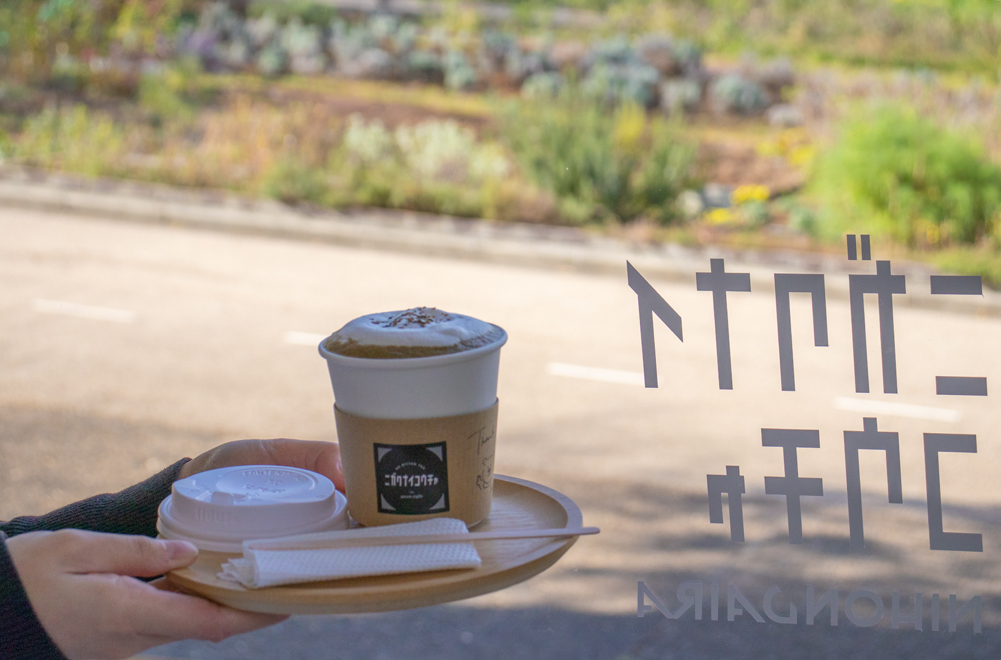 ▲ NIGAKUNAI KOCHA’s Nihondaira shop, specialising in Waokucha(Japanese black tea). It serves as a base for sharing the appeal of tea with audiences in Japan and overseas.
Miyoko Tsuji, head of Umegashima Club, was struck by similarities between Umegashima’s climate and that of Darjeeling in India, one of the world’s best-known black tea-producing regions. This observation helped inspire her to establish Umegashima Club in 2018.
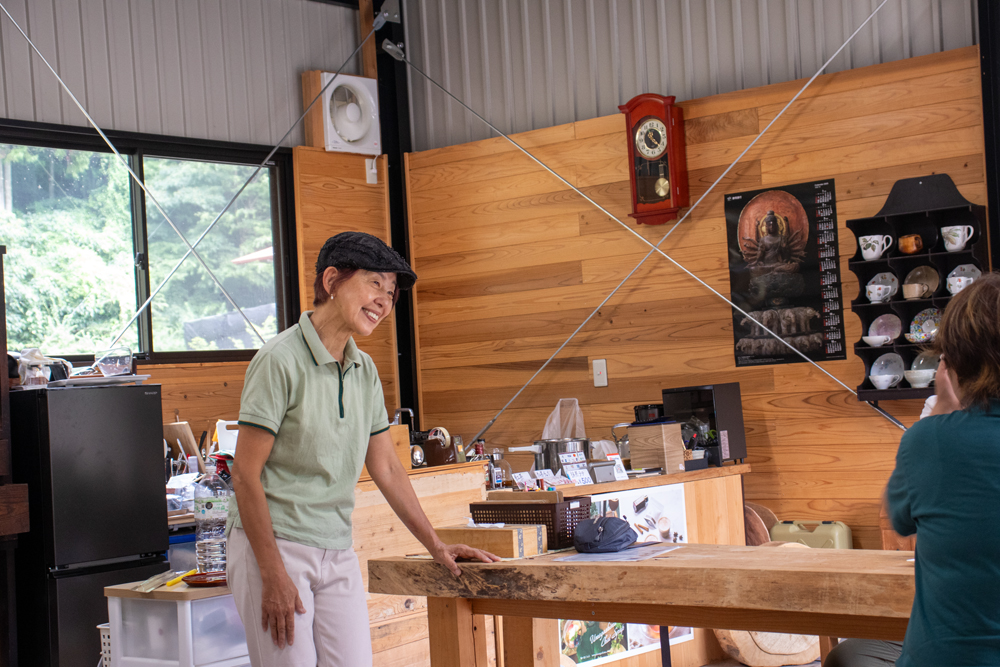
Here, wakoucha is more than an agricultural product. It also plays a role in bringing people to the area, through initiatives that combine Umegashima’s identity as a hot-spring destination with chai, as well as a hands-on workshop where visitors can learn how black tea is made. In this mountainous community, where depopulation and an ageing population are continuing concerns, tea has also become a means of creating new local industry.
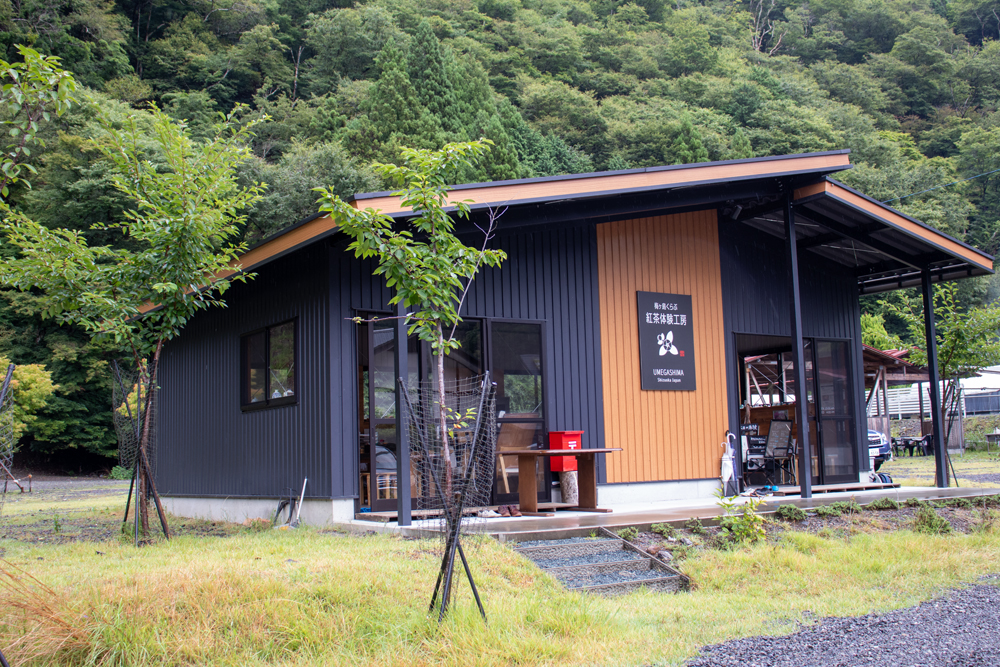 ▲ A hands-on tea-making workshop beside Kogane-no-Yu in Umegashima, where visitors can learn how black tea is produced. It has become a place for introducing tourists to the appeal of tea.
For Mr Shibamoto, head of Kamairicha Shibamoto, the aim is to introduce more people to outstanding teas that remain little known. His first priority is to create an accessible starting point from which people can explore tea more widely. With this in mind, he began producing approachable fermented teas, including wakoucha and oolong tea.
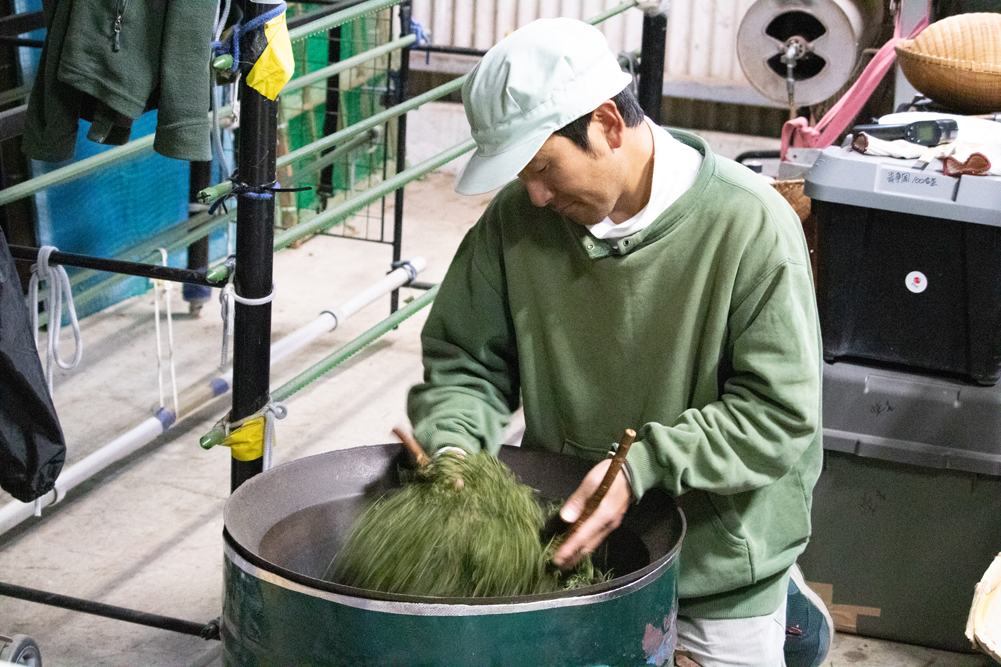
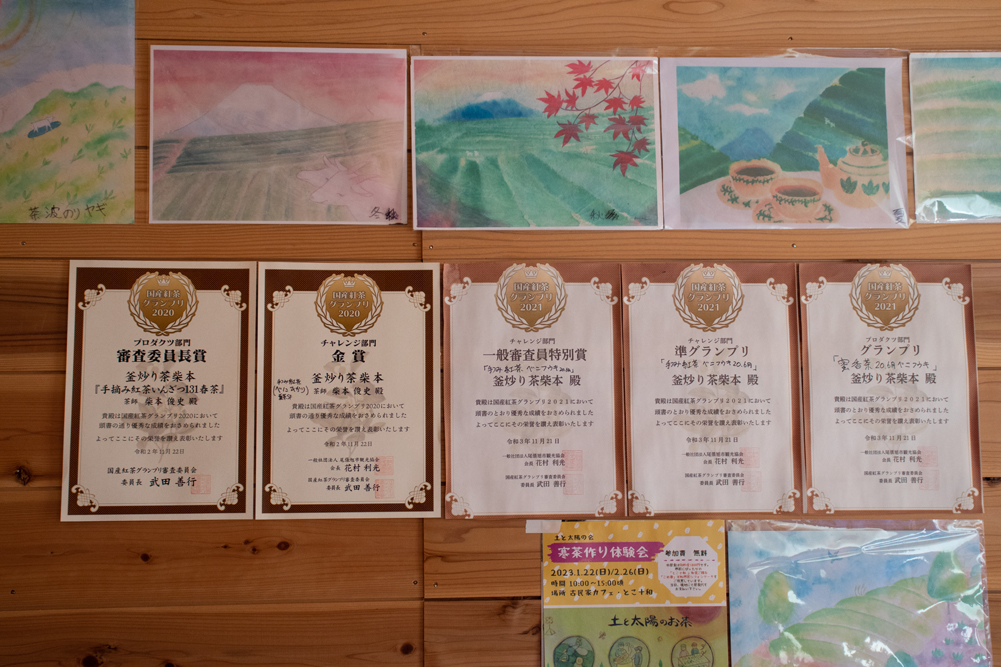 ▲ Kamairicha Shibamoto has won numerous awards in Japanese black tea competitions and also exports its teas overseas.
More Than One Flavour: How Place and Producer Shape Wakoucha
What exactly is wakoucha(Japanese Black Tea)?
There is no single flavour that defines wakoucha. It can be described simply as black tea made in Japan from Japanese-grown tea leaves, but that definition alone does not fully capture its character or appeal.
The wakoucha producers OCHATIMES has visited across Shizuoka have each created teas with distinctly different qualities. This diversity is, in itself, one of the great attractions of Japanese black tea.

Rather than judging wakoucha by a single tea, try comparing several from different regions, cultivars and producers. You may discover expressions of Japanese tea-making that cannot be conveyed by the words ‘Japanese black tea’ alone.
| Writer | Norikazu Iwamoto |
| Profile | Editor-in-Chief of OCHATIMES. Served as a judge for the Shizuoka 100 Teas Award from 2021 to 2025 and met with the Vice-Governor of Shizuoka Prefecture. OCHATIMES has been featured on or linked from the websites of the World O-CHA Festival, the University of Shizuoka Tea Science Center, the City of Green Tea Shizuoka, and Japan’s Ministry of Agriculture, Forestry and Fisheries. |
Related articles
-
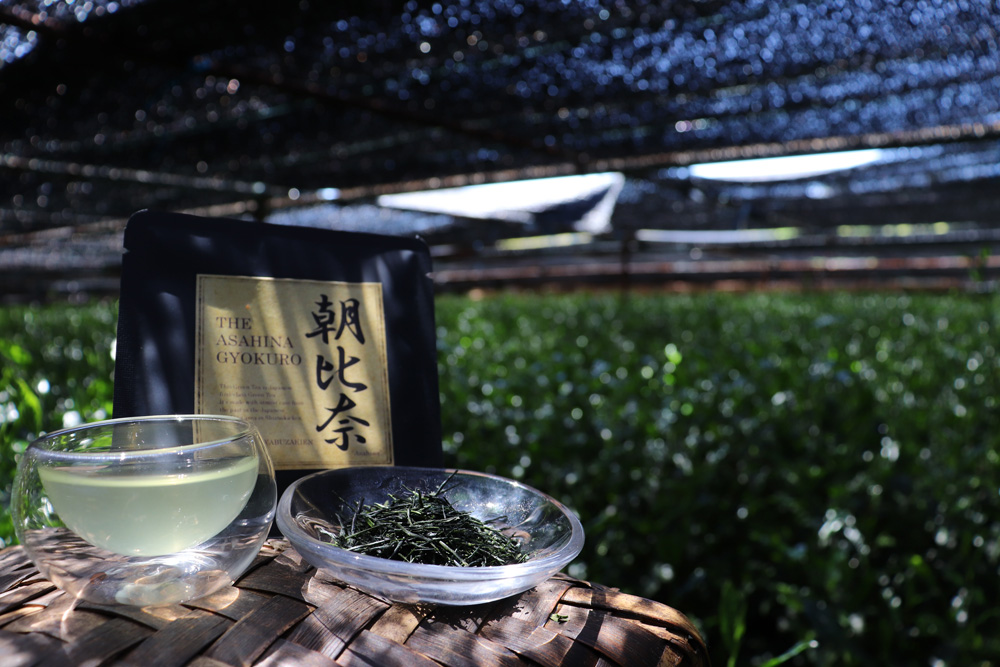
Yabuzaki-en’s Global Ambition —From Asahina, One of Japan’s Finest Gyokuro Regions (Gyokuro & Matcha)
Shizuoka’s Asahina district, located in Okabe, Fujieda City,...
OCHATIMES編集部
-
Shizuoka Tea Experience Cycling Tour【Local Travel Partners】
Located in the central region of the Japanese archipelago, S...
OCHATIMES編集部



 on the red bar to close the slide.
 to see the
distance between the current location to the Chaya.
to see the
distance between the current location to the Chaya.