

A Non-Alcoholic Beverage Priced Over 10,000 Yen: A New Pairing Concept Between Luxury Bottled Tea and Japanese Sake. Featuring Tokyo Sake Department (Tokyo) and Nagashima Sakaya (Shizuoka)
 Go to Japanese page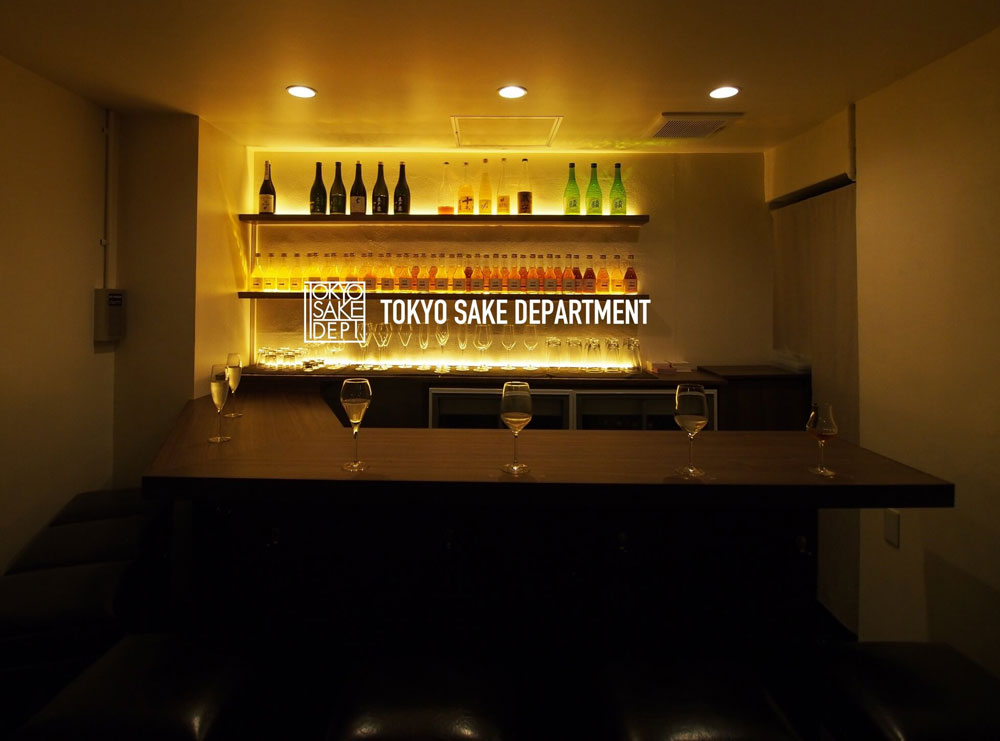
Japanese tea can be enjoyed in many forms — from teapots and tea bags to bottled beverages. In recent years, a new trend has been gaining attention: bottle tea. Among them, premium varieties priced at over 10,000 yen per bottle have captivated many with their brilliant umami and aroma, offering a refined non-alcoholic experience.
Interestingly, these key elements — umami and aroma — also complement Japanese sake remarkably well, making tea and sake an intriguing pairing to explore.So, can a luxurious bottle tea truly pair harmoniously with sake? To find out, we decided to put this unlikely combination of non-alcoholic and alcoholic beverages to the test.
For this experiment, we collaborated with Tokyo Sake Department, a sake bar in Ginza, Tokyo, and Nagashima Sake Shop in Shizuoka to explore the potential of pairing premium bottle tea with Japanese sake.
In this article, we share the results of that fascinating tasting experience.
The Moment Tea Turns to Wonder — Experiencing a Luxury Bottled Brew Priced Over 10,000yen
Luxury bottled tea is a non-alcoholic beverage made by carefully extracting premium tea leaves—sourced directly from selected producers—and bottling the liquid with precision and time. Prices range widely from around 5,000yen to over 100,000 yen per bottle, and more than 40 varieties are now available on the market.
Leading producers include Benefitea Co., Ltd. in Shizuoka: CRAFT BREW TEA, the bottled tea brand from Marushichi Seicha, the company behind the ‘Nanaya’ brand: and Royal Blue Tea Japan Co., Ltd. based in Kanagawa.
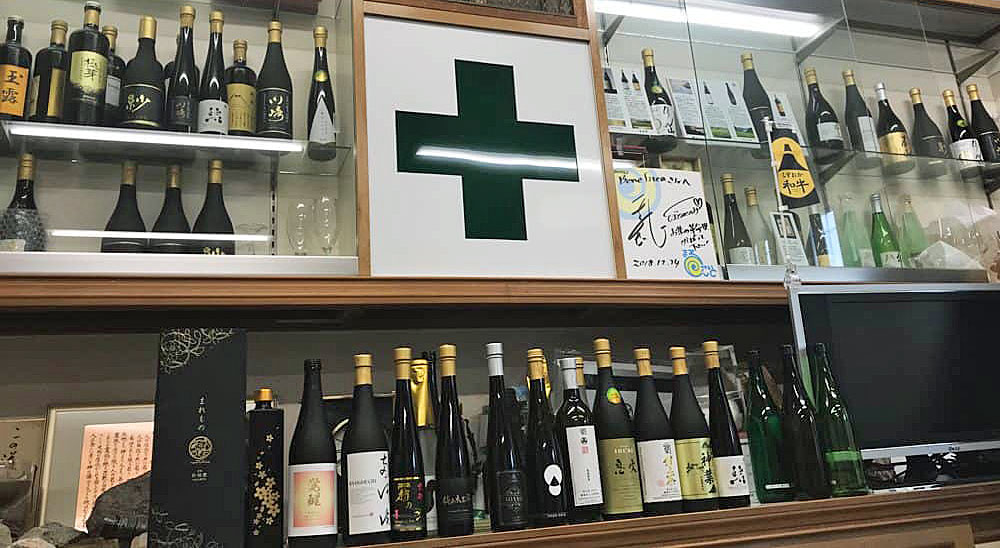 ▲Benefitea Co., Ltd.
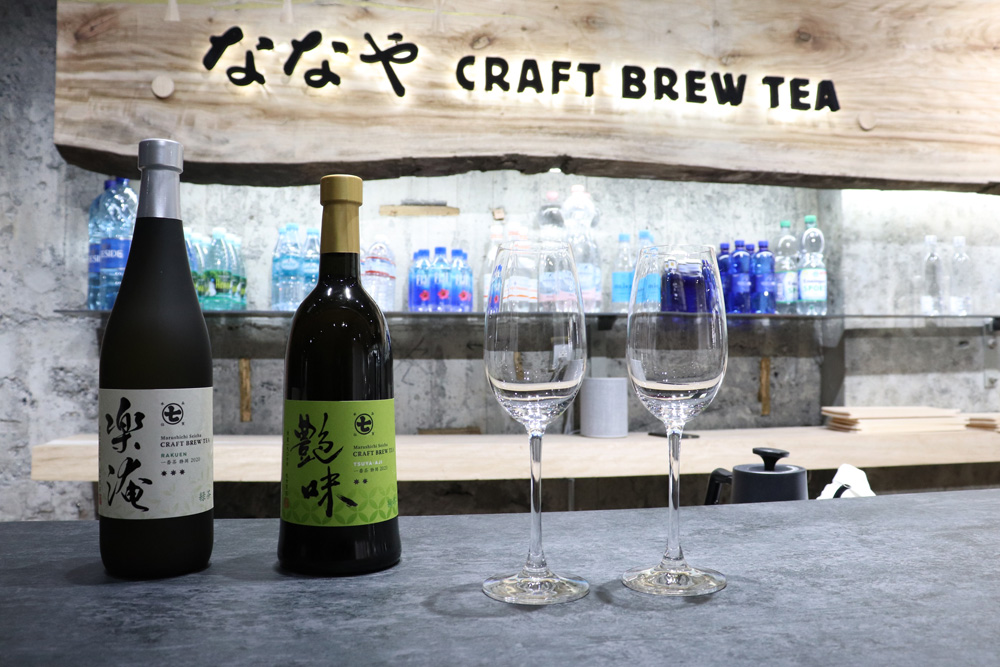 ▲Marushichi Seicha’s bottled tea brand, CRAFT BREW TEA
High-end bottled teas priced above 10,000 yen typically require around a week to produce, and as such, most are made to order.
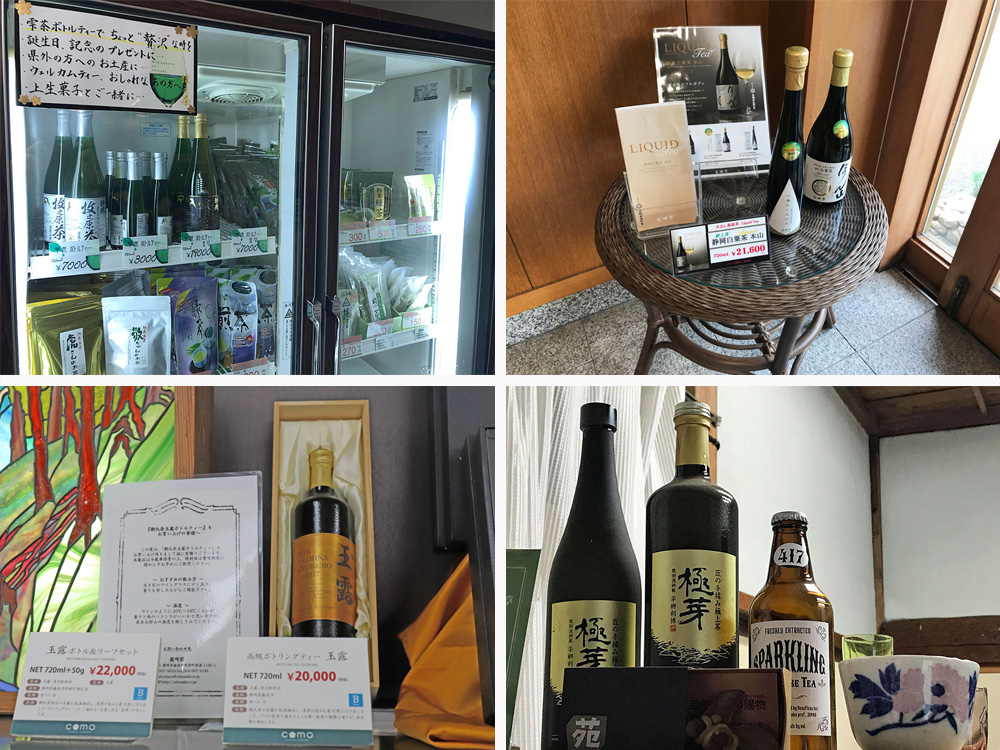 ▲Examples of luxury bottled teas include ‘Hakuyou Hon-yama’ by Chatsuutei, ‘Makinohara Shizuku-cha’ by Takayanagi Seicha, ‘Gyokuro’ by Yabusaki-en, and ‘Gokume’ by Yamahiraen.
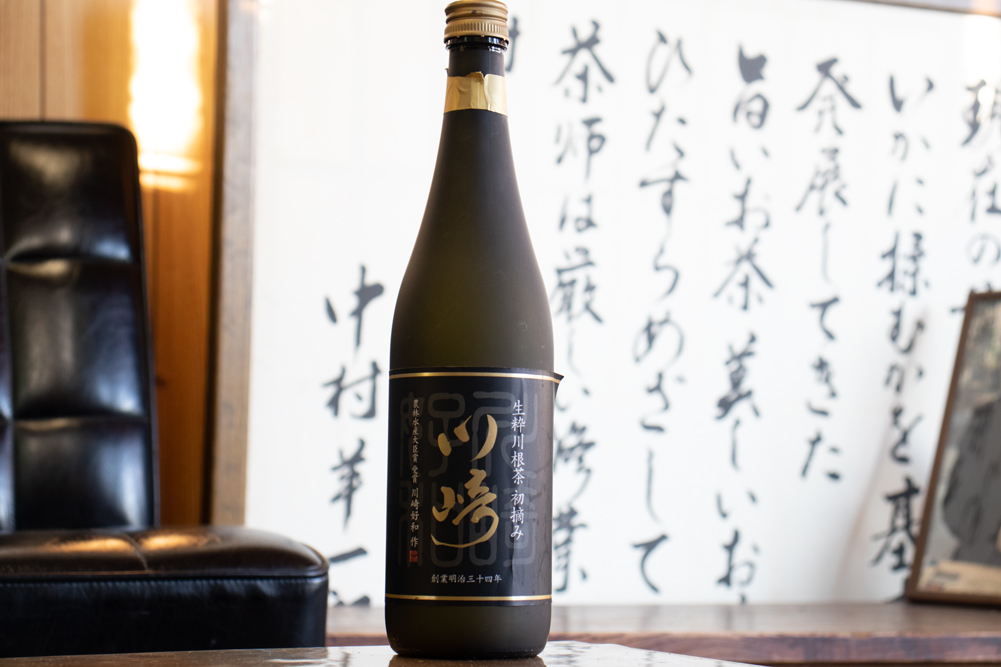
My first encounter with luxury bottled tea was ‘Kawasaki’ a product I tasted at the tea farm Matsushima-en. Its flavour was striking—rich umami paired with an intensely concentrated aroma. It felt unlike any beverage I had ever experienced before, opening the door to an entirely new genre of non-alcoholic drinks.
A Day When Tea Stands Beside Sake – A New Proposal to Tempt the Palates of Sake Lovers
The vivid umami of premium bottled tea is an experience worth having at least once. Yet, given its high price, it may not be something to enjoy casually.
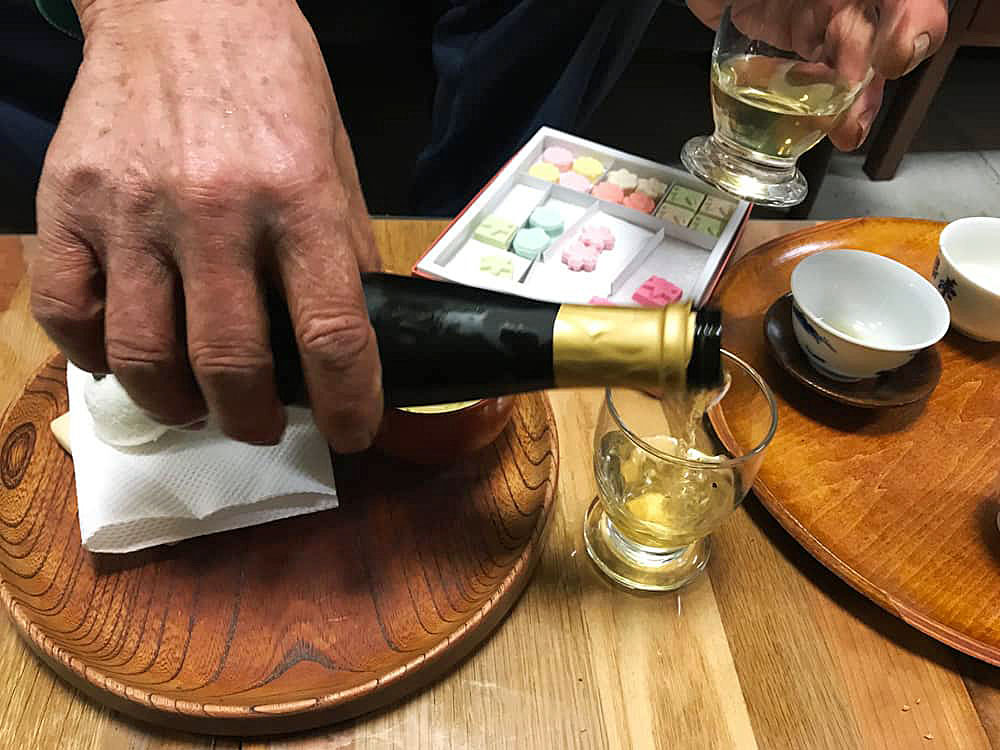
With that in mind, I began exploring a more accessible way to savour it — and arrived at the idea of pairing it with Japanese sake. (Pairing refers to combining different foods or drinks to bring out new layers of flavour and enjoyment.)
As someone who regularly enjoys sake and has experimented with a wide range of pairings, I’ve come to believe that the rich, refined taste of premium bottled tea could harmonise beautifully with the nuances of sake.
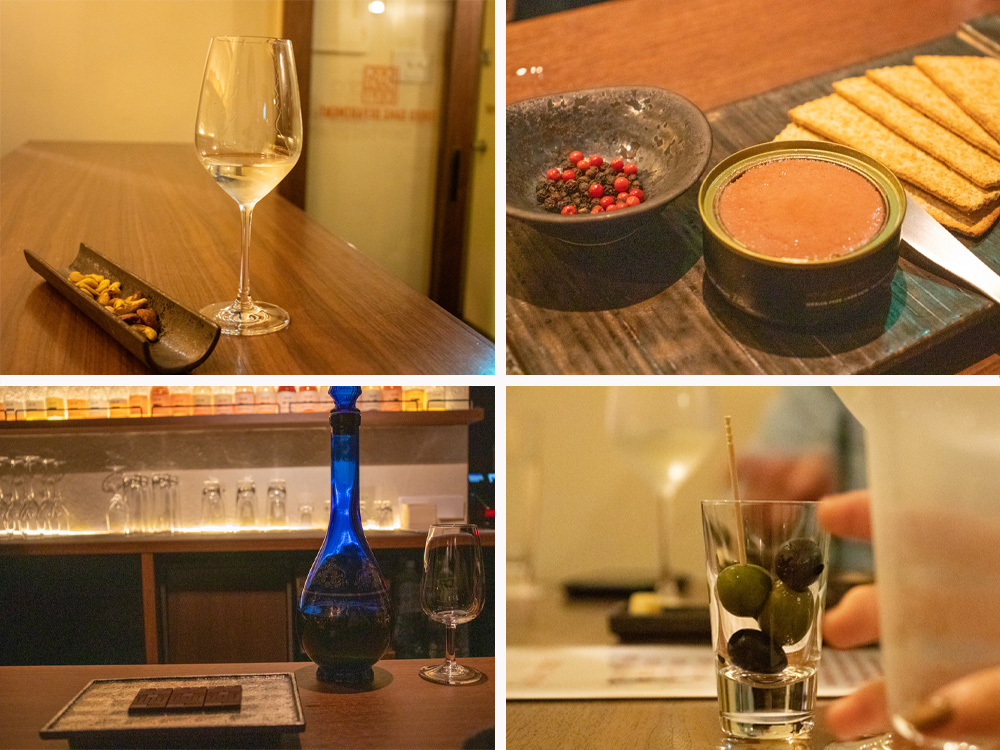 ▲From nuts and chocolate to olives and liver pâté, there is a remarkable variety of foods said to complement sake.
Through my encounters with many sake enthusiasts, I’ve often heard people say, ‘I don’t mind paying any price for good sake.’ Yet, I’ve never once heard someone declare, ‘I’d pay anything for a cup of excellent Japanese tea.’
With that in mind, introducing premium bottled tea as a companion to sake might offer these connoisseurs an entirely new kind of pleasure.
It may sound like an unconventional experiment, but by pairing sake — an alcoholic beverage — with high-grade bottled tea — a non-alcoholic one — we might discover a truly unique harmony of flavours. It’s certainly an experience worth trying.
A Night Where Shizuoka’s Luxury Bottled Teas Meet a Ginza Sake Bar — Exploring the Unknown World of ‘Tea × Sake’ Pairings
However, the only true way to explore pairings is by actually testing them — tasting a variety of sake alongside the teas. For individuals, assembling such a wide selection of sake is often impractical.
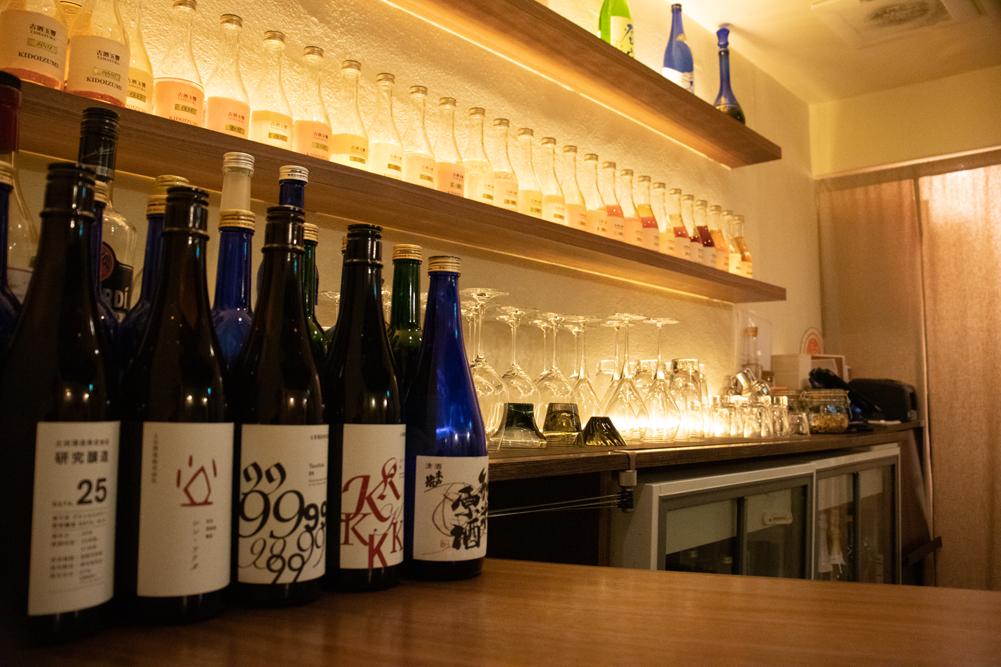
That’s why, for this experiment, we collaborated with Tokyo Sake Department, a sake bar located in the heart of Ginza, Tokyo.
The bar offers a diverse lineup of sake — dozens of delicious varieties, including freshly brewed namazake, sparkling happōshu, and even aged sake.
The bar’s owner, Tiiya, holds multiple prestigious qualifications: Kikizakeshi (Sake Sommelier), Nihonshu-gaku Lecturer (Sake Studies Instructor), and the highly selective Sake Expert (Sakasho). Only about 250 people in Japan possess this top-level certification.
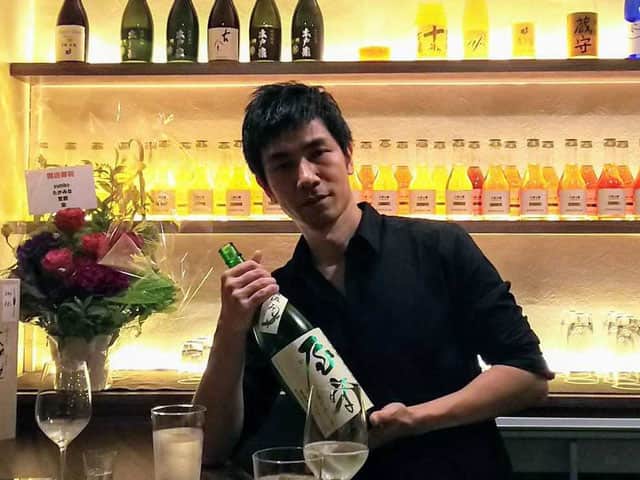
Beyond running her bar, Tiiya also manages the Tokyo Sake Club, a community of over 800 sake enthusiasts. Together with breweries and liquor shops, she organises hands-on experiences such as Kurabito (brewery worker) experiences, Toji (master brewer) workshops, and ‘Sake School’ events. Her work has been featured on major media outlets, including NHK’s Shutoken Jōhō Netadori! and others.
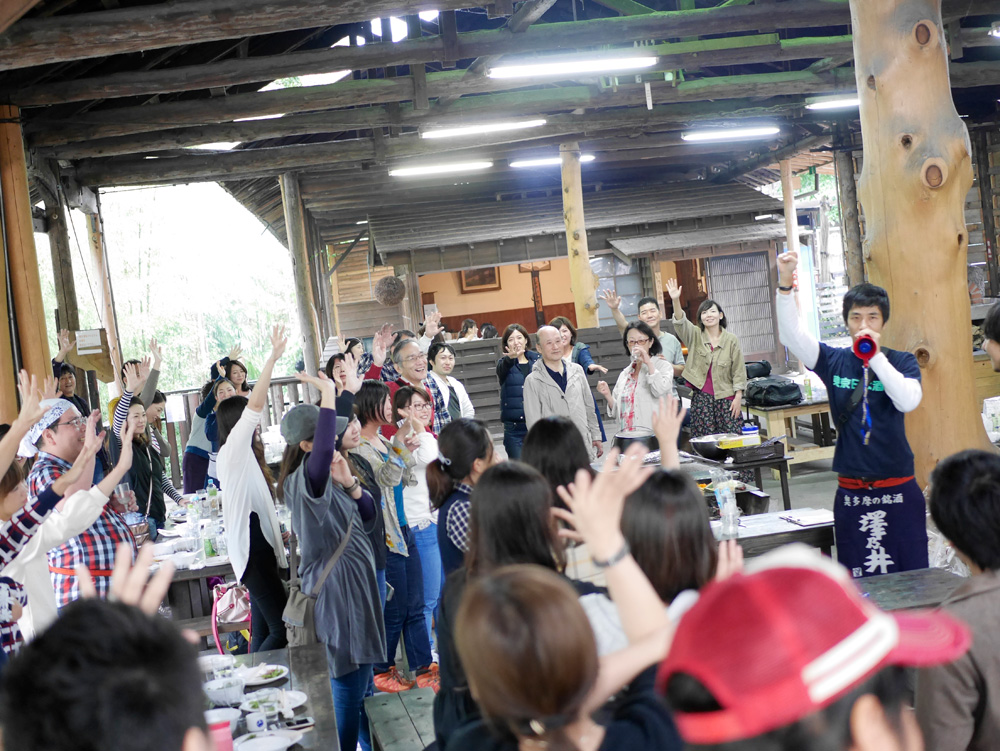 ▲ A BBQ event hosted by Tokyo Sake Club – featuring only ‘Sawanoi’ sake.
For this project, we privately reserved Tokyo Sake Department for just the two of us — Tiiya and myself — and conducted a pairing experiment using the sake stocked at the bar. The success or failure of each pairing was judged by Tiya, using her professional palate as a certified Sake Expert.
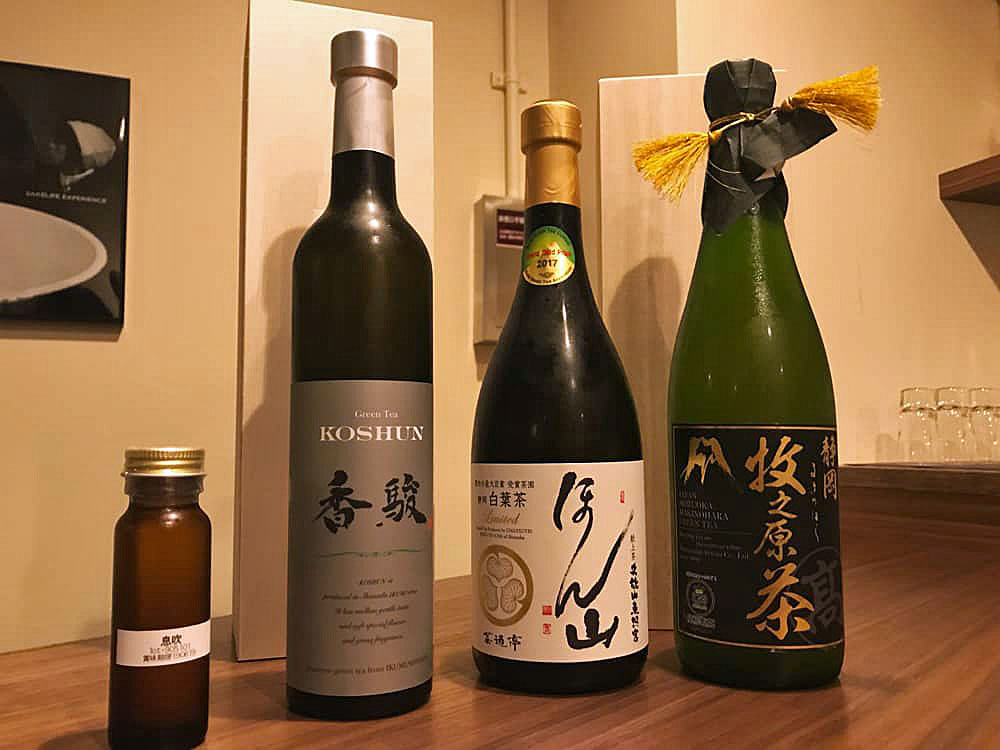
We prepared four bottles of premium bottled tea for the test, all of which are available from Shizuoka producers:
• Chatsutei ‘hakuyou Hon-yama’ – 21,600 yen
• Takayanagi Seicha ‘Makinohara Shizuku-cha’ – 20,000 yen
• Kanesu Seicha ‘Kōshun’ – 10,800 yen
• Plus a complimentary sample of ‘Ibuki’ tea
Total value: 52,400 yen
Each of these teas is made to order and available only in limited quantities, meaning they often require time to obtain. As for 7Ibuki,’ it was out of stock, but upon explaining the concept of this project to the retailer Wacha Club, they kindly provided a sample for our use.
Now, the question is — can these four high-end Shizuoka bottled teas find perfect harmony with the sake offered at Tokyo Sake Department?
Let’s find out.
The Experimental Lab Where Sake Meets Tea — Unravelling the True Worth of Premium Bottled Tea
(From here, we’ll share how the pairing experiment unfolded.)
Let’s begin the pairing test. But before we start, there’s something I should mention — I’ve actually never tasted premium bottled tea before. And to be honest, the teas prepared for this session are far more expensive than I had ever imagined.
To match such an exquisite tea, we must select sake of equally high value; otherwise, the pairing might not work as intended. For that reason, I may not be able to meet expectations.
— That’s fine. Please go ahead.
I can feel the weight of responsibility. Depending on the results, we might even need to reschedule the session.
— No matter the outcome, please continue with the experiment.
Understood. Then, let’s start by analysing the flavour and aroma of the premium bottled tea.
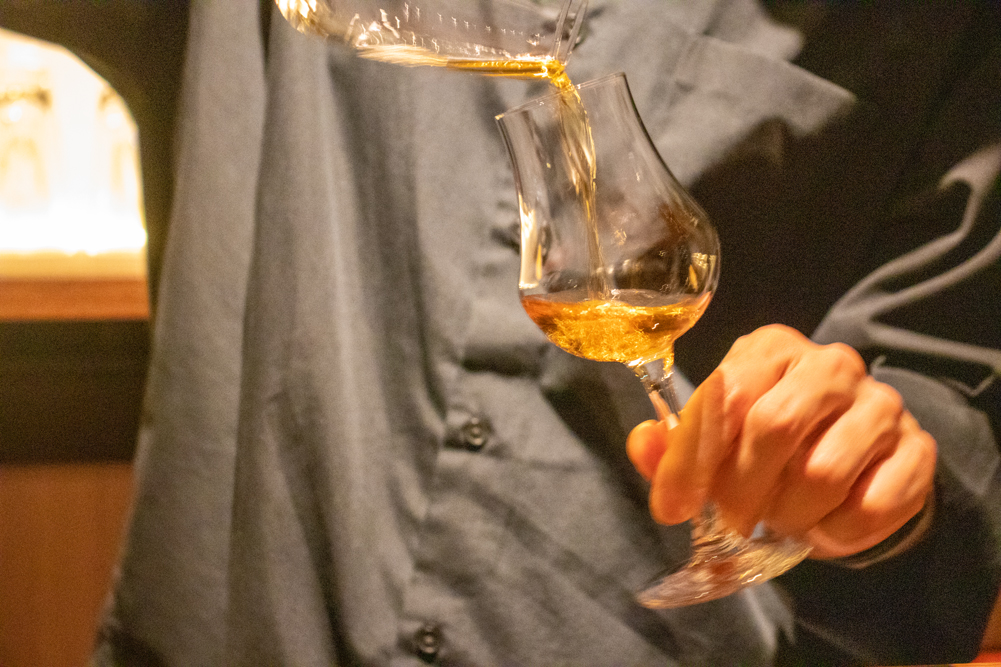 ▲He pour the premium bottled tea into a wine glass and carefully examine its aroma and flavour. First, they measure the temperature of the tea inside the glass using a laser thermometer, observing how its taste changes with the temperature.
Kanesu Seicha’s Kōshun offers a distinctive hay-like aroma, with firm tannins woven into its savoury umami body.
Takayanagi Seicha’s Makinohara Shizuku-cha fills the mouth with a gentle sweetness reminiscent of roasted chestnuts, with hardly any bitterness or astringency. When savoured mindfully, a subtle sweetness akin to young soybeans can also be detected.
These two bottled teas would likely pair beautifully with full-bodied Japanese sake rich in umami.
Kanesu Seicha’s Ibuki and Chatsutei’s Hakuyou-Honzan are both strikingly vibrant in colour and carry a fragrance reminiscent of sweetcorn. As for their flavour—simply delicious! What a delightful surprise. They would seem well suited to kimoto-style sake or aged sake.
So, this is what high-end bottled tea is like—fascinating indeed. You could enjoy it with chilled water or on the rocks, or experiment with sample-sized blends to explore new combinations. Enhancing the bottles with refined wrapping and colour gradations could make the presentation even more appealing. It might also be intriguing to enjoy them as tea-based cocktails.
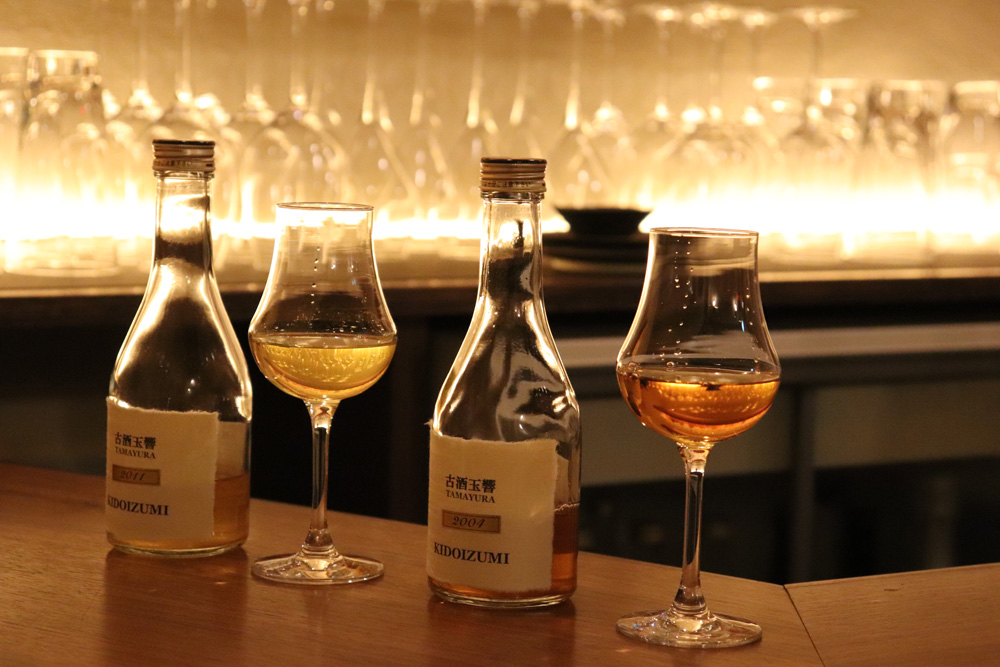
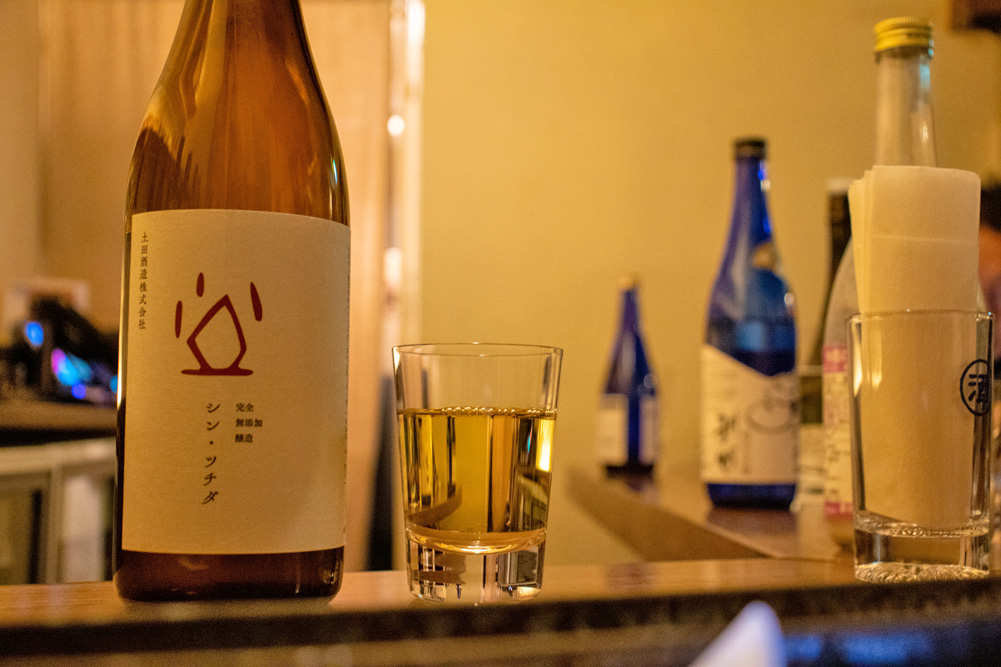
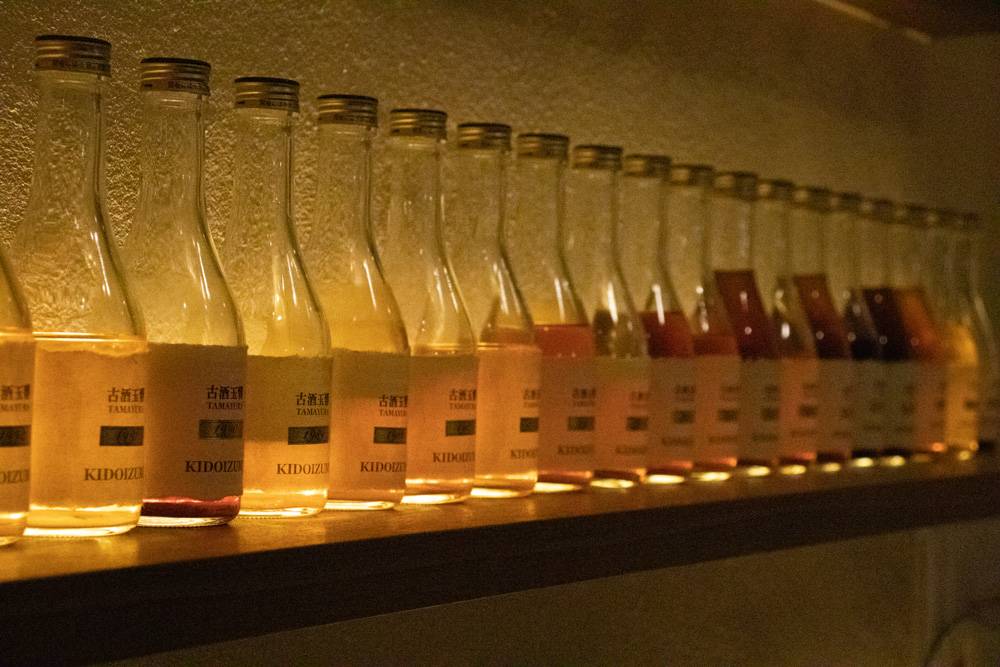 ▲The aged sake from Kidoizumi Brewery. Its amber hue deepens with the length of maturation, creating a beautiful gradation that delights the eyes as much as the palate.
There’s a sense that premium bottled tea and sake could make an excellent pairing. Let’s begin by trying it with Kidoizumi’s sake.
(From there, we explored various combinations of fine bottled teas and sake, uncovering new possibilities for pairing.)
Editor’s note: This experiment also suggests how wide the possibilities of Japanese tea can be. Please also see our Japanese Tea Cafés and Tea Experience Articles, which brings together more experience-based articles on Japanese tea.
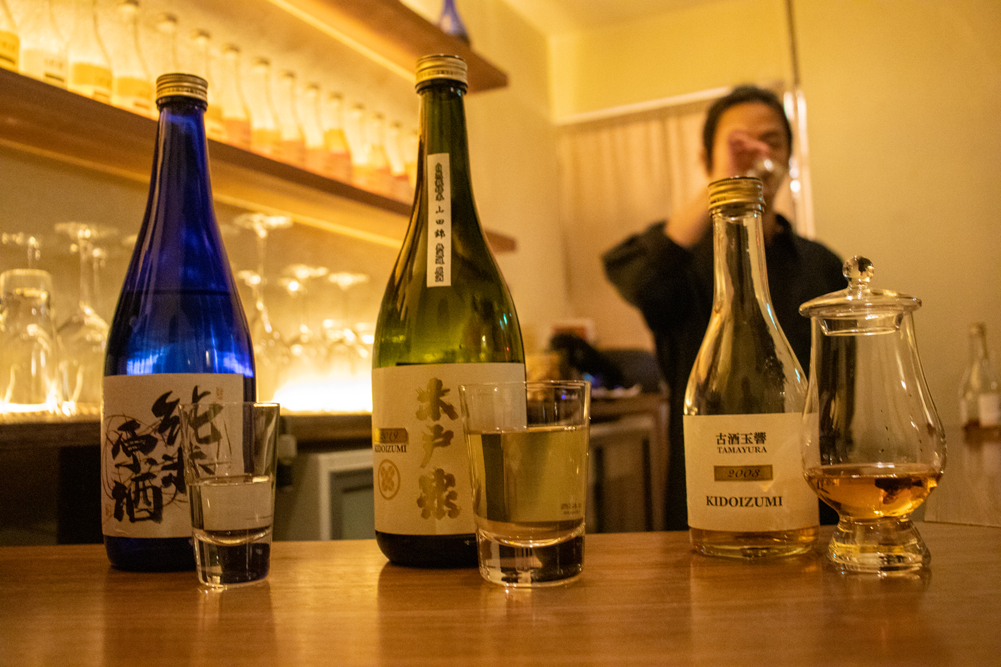
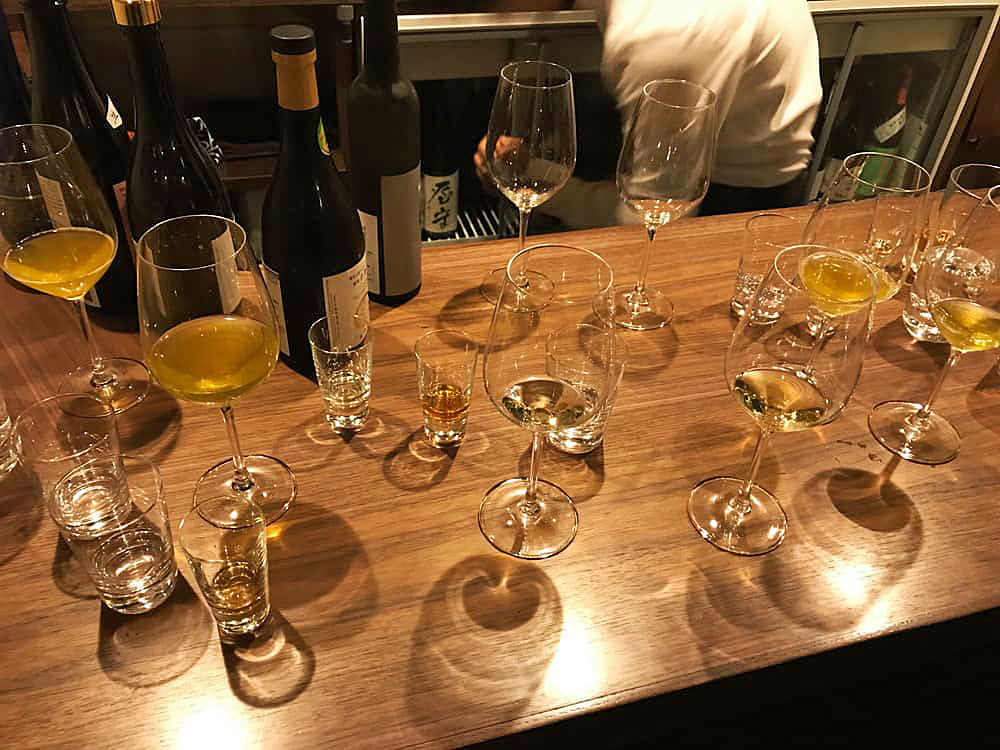 ▲We tried pairing premium bottled teas with a variety of fine Japanese sakes, tasting each combination one after another to explore how their flavours interact.
Results Announced: The Answer Guided by a Master of Sake – The Birth of a Captivating Pairing Between Premium Bottled Tea and Japanese Sake
In this latest experiment, two remarkable pairings between premium bottled tea and Japanese sake have been successfully established.
The first pairing combines ‘Chatsuutei – Hakuyou Honyama’ with Kidoizumi Brewery’s sake ‘Kokin.’
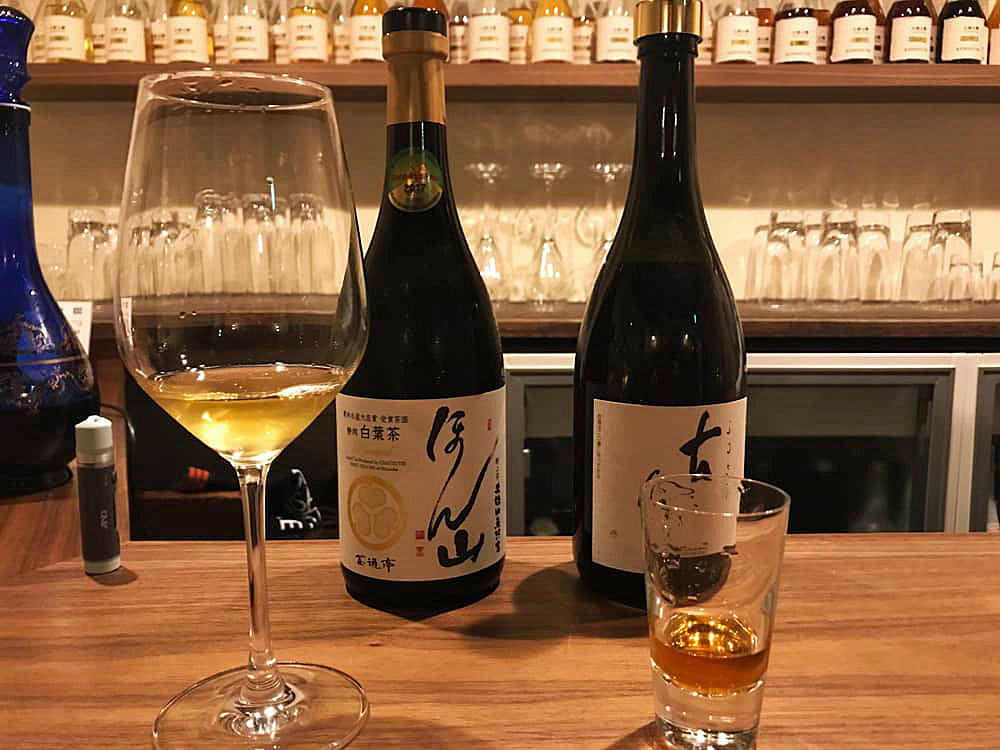
The second pairing features the same ‘Chatsuutei – Hakuyou Honyama’ alongside Izumibashi Brewery’s ‘Izumibashi Kimoto-jikomi.’
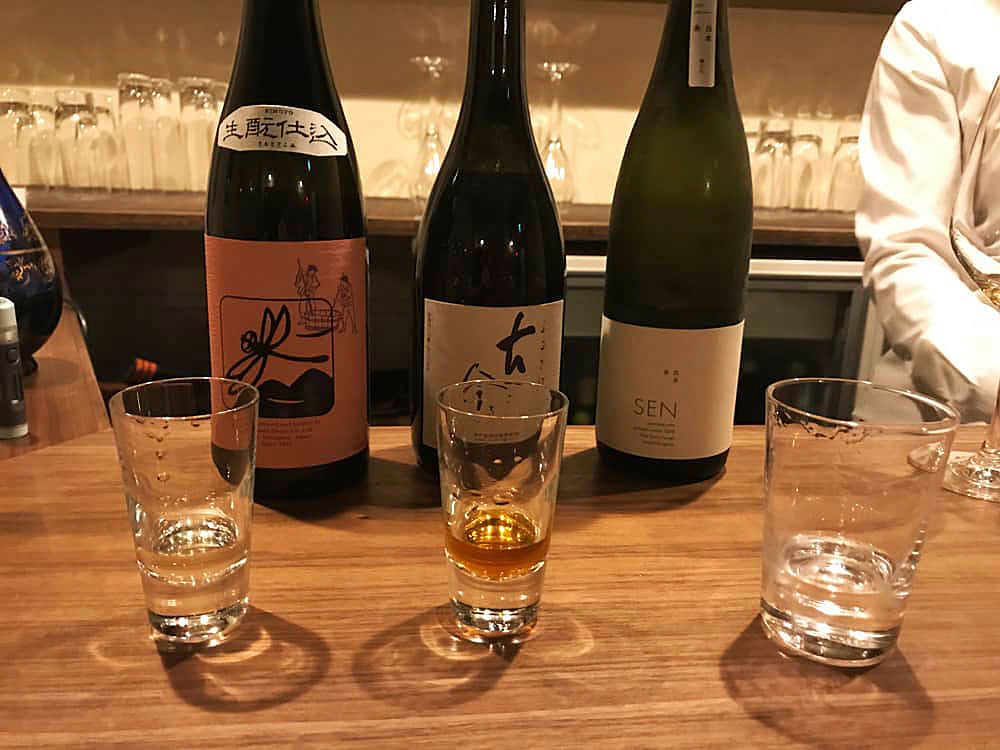
At present, our sake selection contains relatively few bottles rich in umami, yet this experiment suggests that premium bottled teas tend to harmonise beautifully with sakes possessing a pronounced savoury depth.
Another key factor in achieving successful pairings is the accessibility of the sake itself. Even the most exquisite combination is meaningless if the sake in question cannot easily be obtained.
–I see. During the experiment, I noticed something intriguing: many tea farmers mentioned that ‘the best tea is brewed using the water from the very land where the tea is grown.’ Perhaps pairing Shizuoka tea with Shizuoka sake could yield even more outstanding results.
Indeed, sake breweries also pay meticulous attention to water quality—often using carefully selected well water unique to their locality.
–It seems we should take these findings back and conduct another round of testing using Shizuoka tea and sake. This has been a truly fascinating outcome. Thank you very much, Tiiya-san, for your invaluable cooperation.
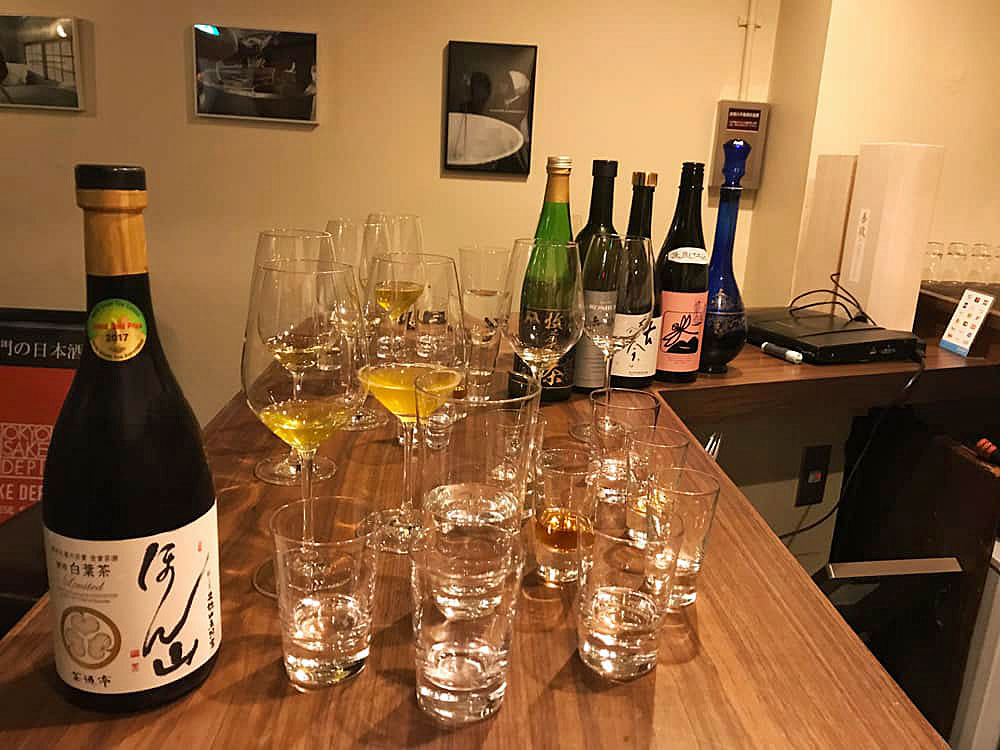 ▲After Extensive Testing of Countless Pairing Combinations
Japanese Tea × Sake × Cheese: A Triple Pairing Discovered at Nagashima Liquor Store in Shizuoka
Later on, we returned to Shizuoka to conduct another pairing experiment—this time featuring premium bottled teas and Japanese sake. Our collaborator was Nagashima Sake Store, a long-established liquor shop located in Aoi Ward, Shizuoka City.
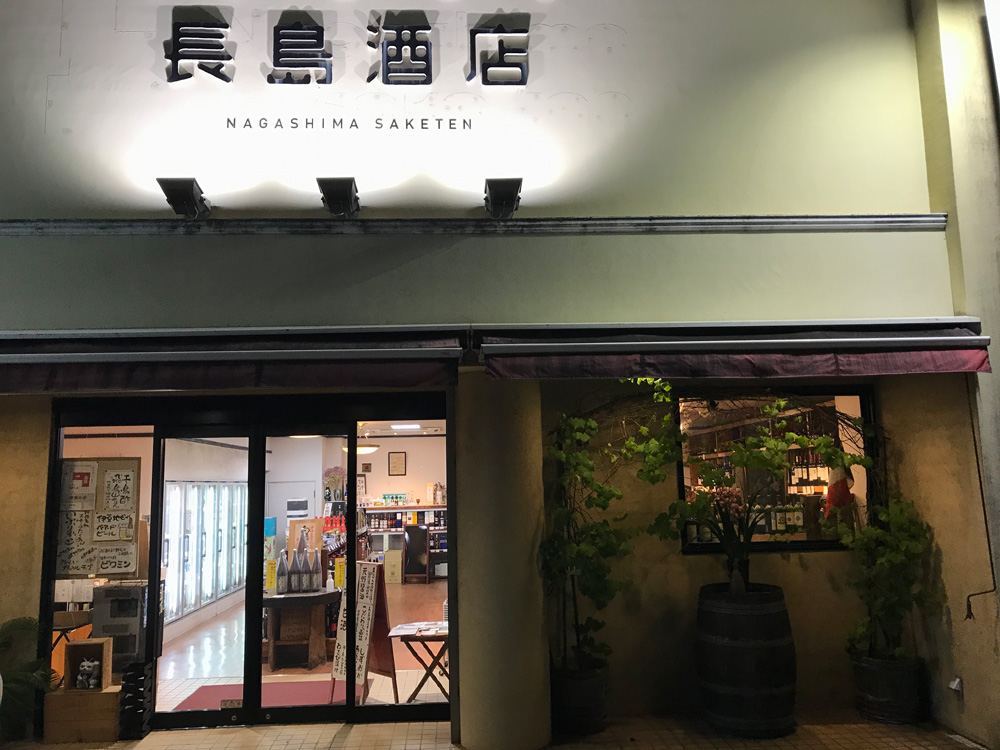
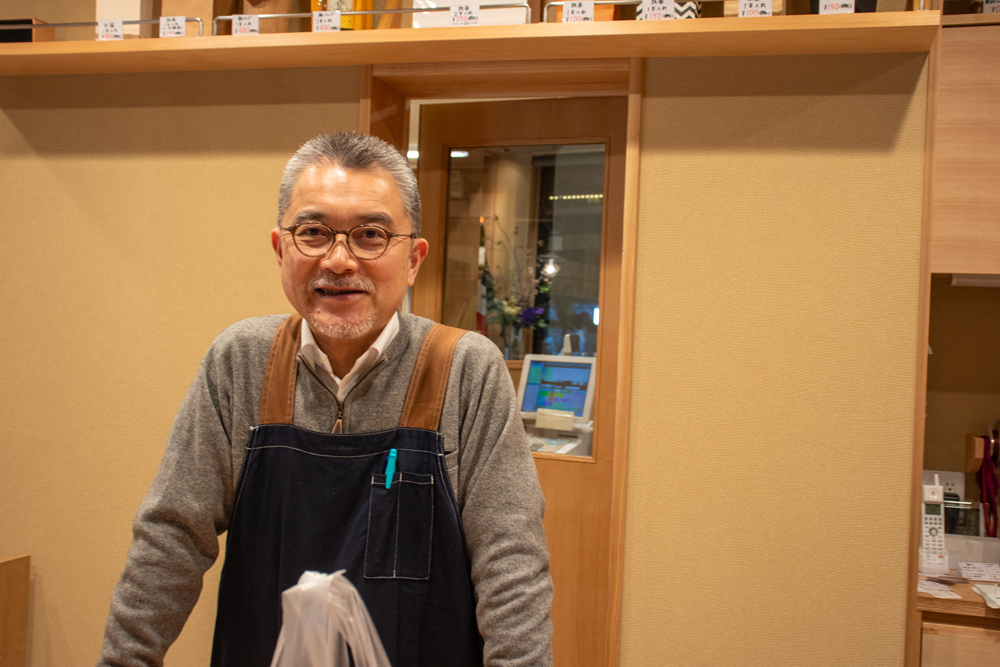
The second-generation owner, Takahiro Nagashima, spent two and a half years studying in France after graduating from university. During his stay, he attended a wine-tasting course at the University of Bordeaux Institute of Oenology, where he obtained the prestigious DUAD (Diplôme Universitaire d’Aptitude à la Dégustation) qualification.
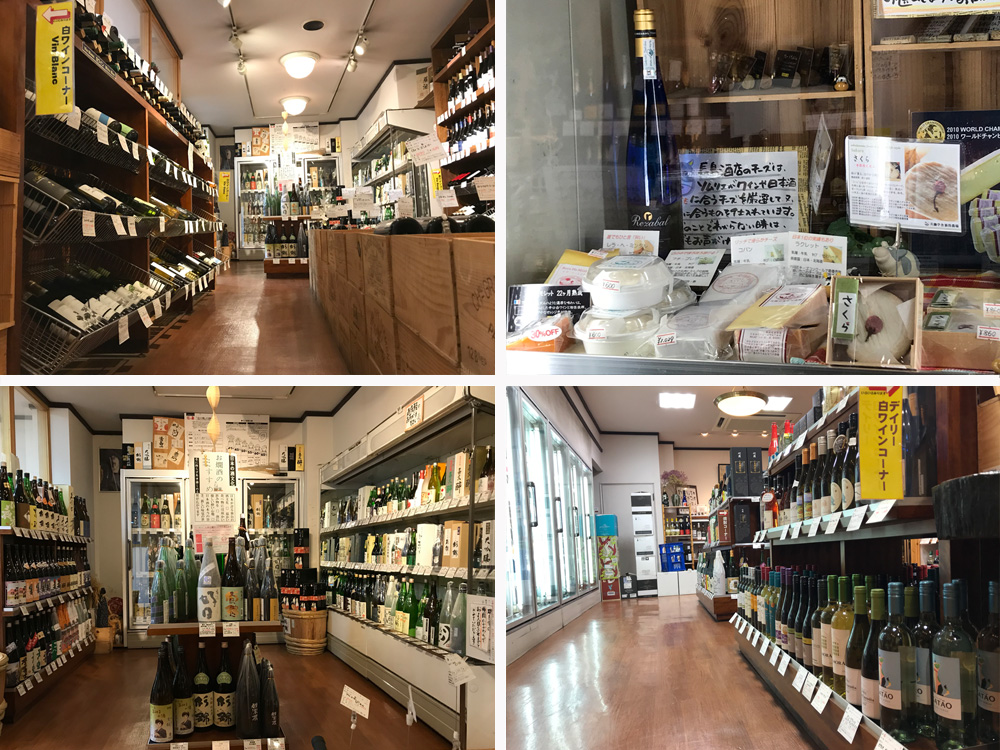
Inside the shop, you’ll find a wide range of sake, local brews, wines, and even cheese and other delicacies. What makes Nagashima Sakayaten special is its uncompromising curation: every product on the shelf has been personally tasted and approved by Nagashima himself. His discerning palate and dedication to quality form the heart of the shop’s appeal.
For this experiment, we brought two premium bottled teas that hadn’t quite succeeded in our previous pairing test:
• Takayanagi Seicha – Makinohara Shizukucha Gold
• Kanesu Seicha – Kōshun
This time, we limited the pairing partners exclusively to Shizuoka sake.
Nagashima was intrigued—’Tea and sake pairing!?’ he exclaimed—but as expected from a professional, he produced outstanding results. In fact, we discovered two new triple pairings—combinations of three elements that beautifully complemented one another.
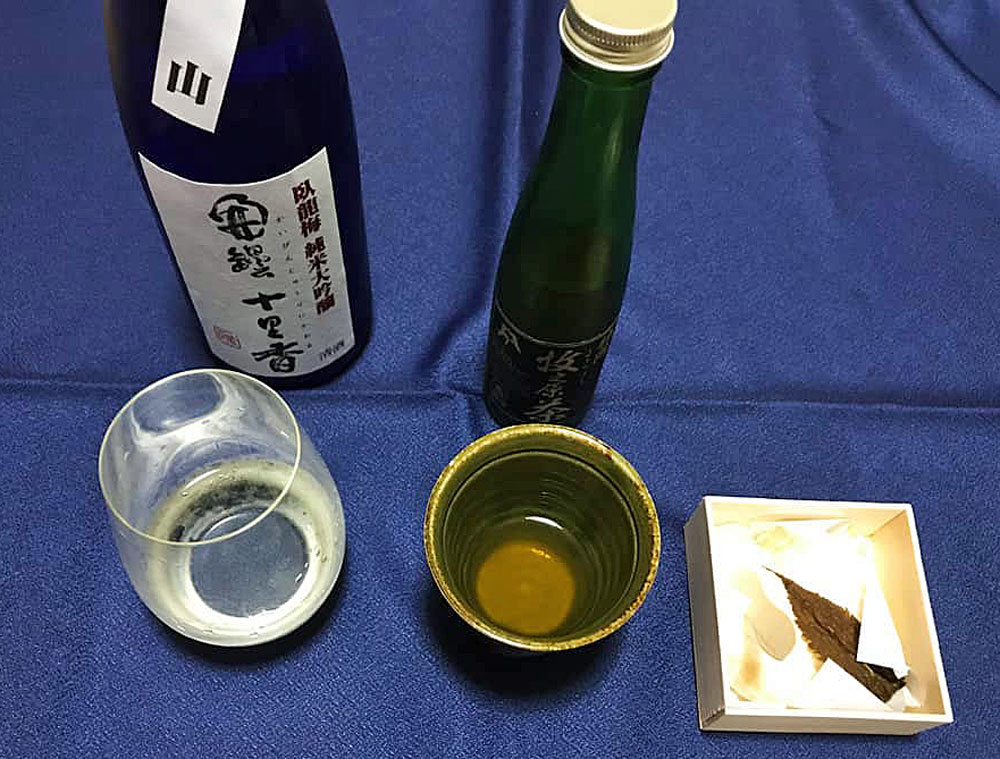
First Triple Pairing
• Sanwa Shuzō – Garyūbai Junmai Daiginjō Muroka Namacho Genshu Aiyama Kaitō Jūriko
• Takayanagi Seicha – Makinohara Shizukucha Gold
• Cheese – Sakura no Affiné
When we previously interviewed Moriuchi Tea Farm, Mr Moriuchi mentioned that ‘Japanese tea pairs surprisingly well with cheese.’ Japanese sake and cheese are already a well-known match, so we decided to test a Japanese sake × Japanese tea × cheese trio—and the result was a perfect harmony.
Second Triple Pairing
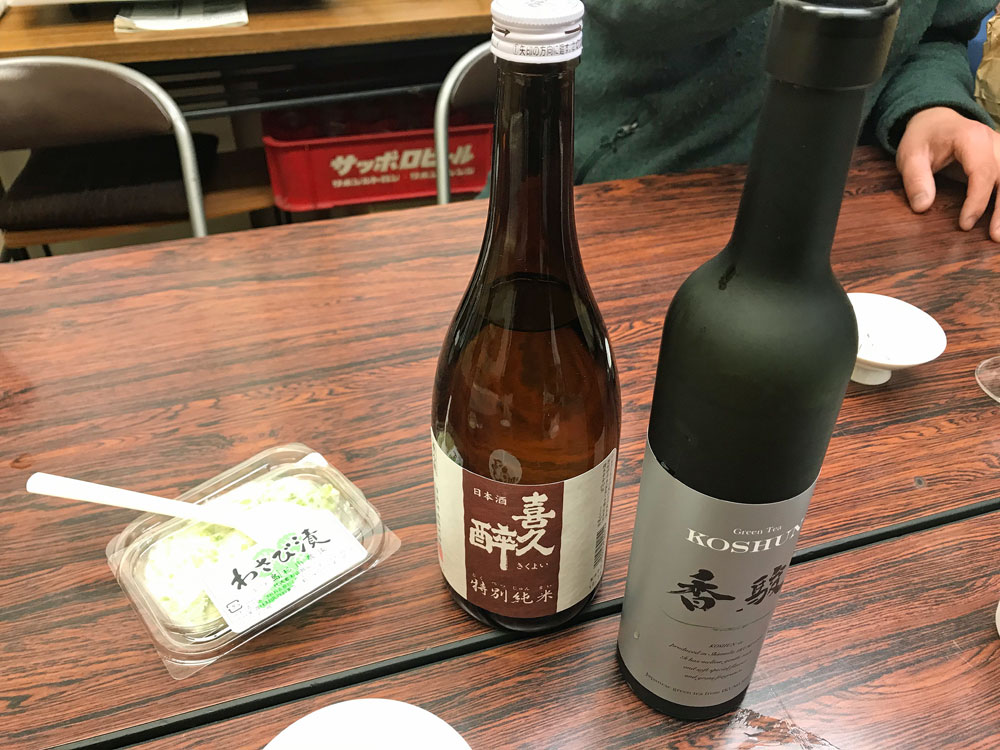
• Kanesu Seicha – Kōshun
• Aoshima Shuzō – Kikuyoi
• Sugiyama Farm – Wasabi Pickles
This combination also delivered a remarkable outcome. While sake and wasabi pickles are a classic pairing, adding Kanesu Seicha’s Kōshun elevated the experience, allowing each flavour to enhance the others and creating a more layered, lingering enjoyment.
Many thanks to Mr Takahiro Nagashima for his generous cooperation in this fascinating exploration of flavour.
A Non-Alcoholic Drink Priced Over 10,000 Yen! Exploring New Pairings Between Premium Bottled Tea and Sake — Impressions —
The pairing of premium bottled tea and Japanese sake that I tried this time revealed some fascinating possibilities. Premium bottled teas are extremely expensive and not easily accessible.
However, their exquisite flavour can be almost entirely replicated by carefully extracting tea leaves over time — using methods such as brewing in a kyusu teapot or slow ice infusion.
A cup that draws out the same depth of umami and aroma from loose-leaf tea may well hold the potential to spark new demand for Japanese tea.
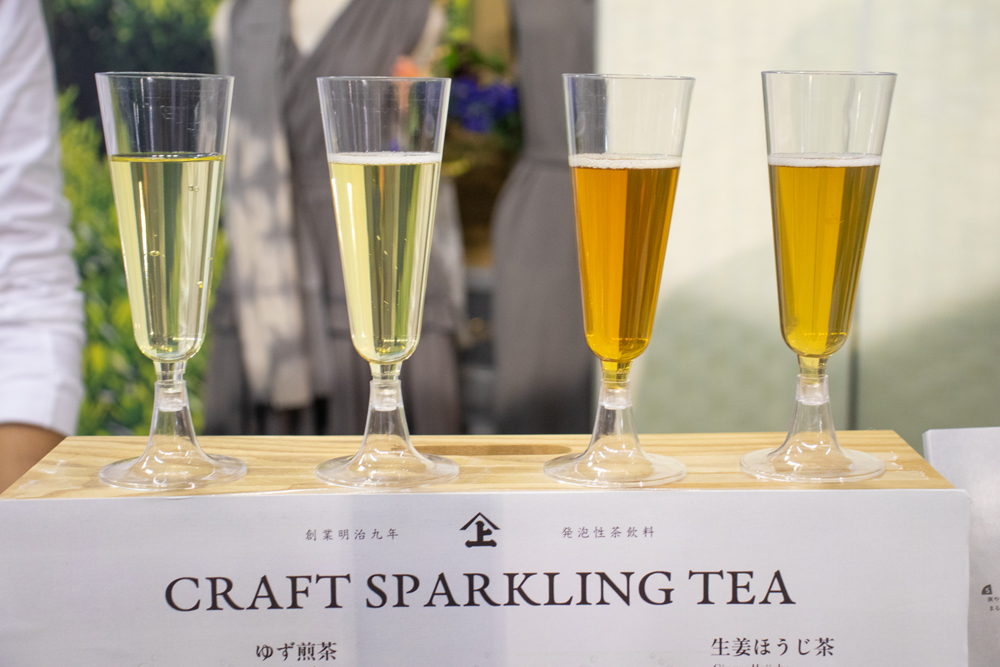
It is also an intriguing idea to serve Japanese tea as a chaser for sake. Cold tea could accompany chilled sake, while warm tea would pair beautifully with hot sake, offering countless ways to enjoy the combination.
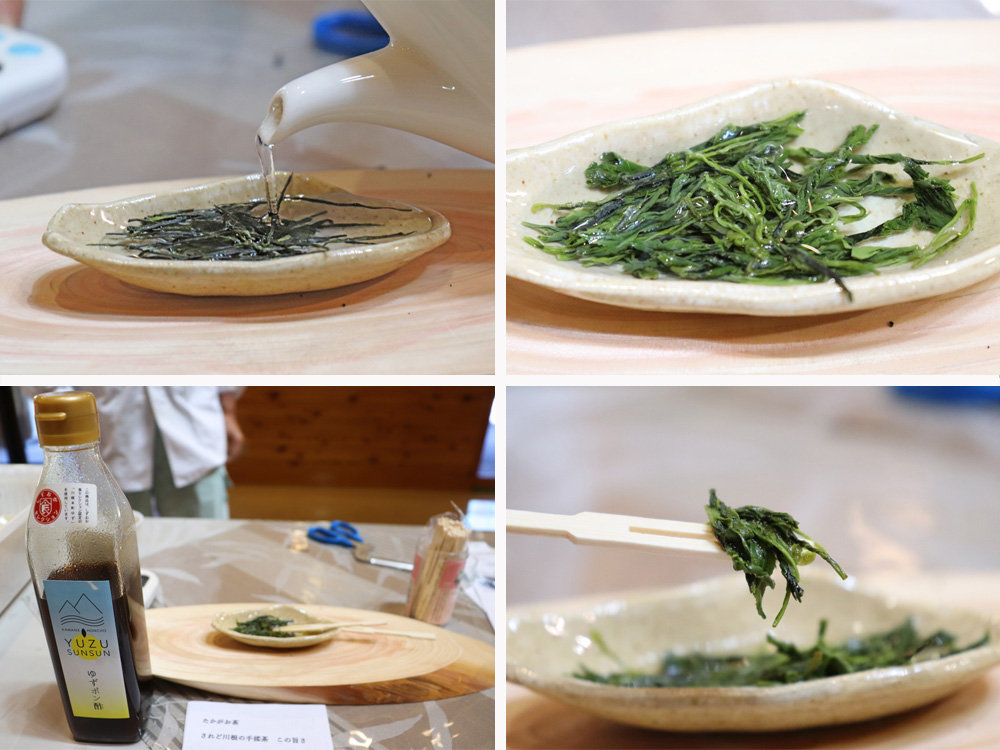
Moreover, using spent tea leaves as a snack — seasoned with yuzu miso or shichimi spice — would surely create a delightful pairing for sake.
That said, tea is an agricultural product: no two harvests are ever quite the same. To fully enjoy such pairings, it would require specialists with both a refined palate capable of discerning subtle variations between harvests and a broad depth of knowledge.
That concludes ‘A Non-Alcoholic Drink Priced Over 10,000 Yen. Exploring New Pairings Between Premium Bottled Tea and Sake.’
TOKYO SAKE DEPARTMENT
| Address |
XCD Ginza Building 5F, 4-14-2 Ginza, Chuo-ku, Tokyo |
| Website | https://www.tokyosake.net/tokyosakedept/ |
| Phone number | +81 50-5328-5136 |
| E-money and credit cards | No cash available. Cards and e-money only. |
| Open | 18:00 to 23:00 (Last order: 22:30) Non smoking |
| Closed | Sundays (See the website) |
| Parking lot | Not available |
| Access | [ SUBWAY ] Higashi-Ginza Station 2 mins walk, Ginza Station 8 mins walk (Ginza Line, Hibiya Line, Marunouchi Line). [J R ] 10-minute walk from Yurakucho Station. |
Nagashima Sake Store
| Address |
1-12-7 Ryunan, Aoi-ku, Shizuoka City, Shizuoka Prefecture, 420-0804, Japan |
| Website | http://nagashimasaketen.com/ |
| Phone number | 054-245-9260 |
| E-money and credit cards | Available |
| Open | 10:00 to 20:00 |
| Closed | Tuesday. |
| Parking lot | 6台 |
| Access | Access By bus [Shizutetsu Justline] 1-minute walk from the Bus Stop, Ryunan 1-chomeBy car A 15-minute drive from the JR Shizuoka Station |
| Writer | Norikazu Iwamoto |
| Career | OCHATIMES chief editer. Meeting with Vice Governor of Shizuoka prefecture. Judge of Shizuoka 100 tea’s award in 2021~25. Ocha Times link introduced at website of World O-CHA(Tea) Festival 2022, Tea Science Center, The City of Green Tea Shizuoka, Ministry of Agriculture, Forestry and Fisheries. |
![Suzuki Chaen’s Vision of Green Tea in Everyday Life [Kawane Tea, Shizuoka]](https://ochatimes.com/en/wp-content/uploads/sites/3/2020/02/suzuki90.jpg)


 on the red bar to close the slide.
 to see the
distance between the current location to the Chaya.
to see the
distance between the current location to the Chaya.