

Suzuki Chaen’s Vision of Green Tea in Everyday Life [Kawane Tea, Shizuoka]
 Go to Japanese page
![Suzuki Chaen’s Vision of Green Tea in Everyday Life [Kawane Tea, Shizuoka]](https://ochatimes.com/en/wp-content/uploads/sites/3/2020/02/suzuki90.jpg)
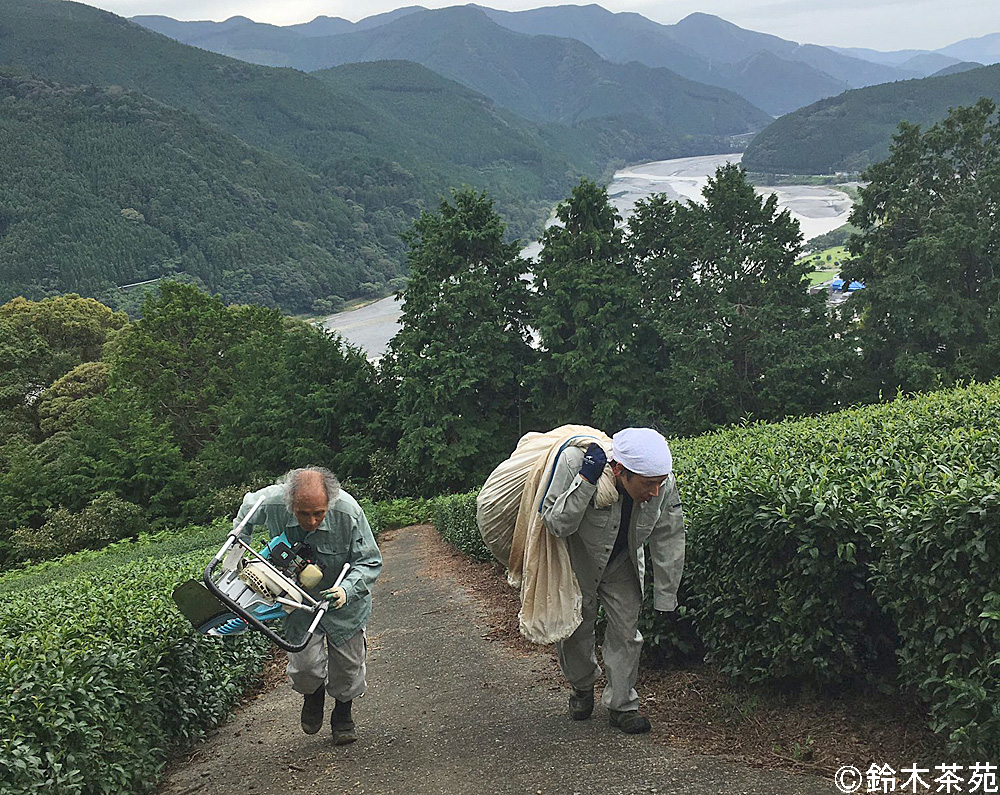
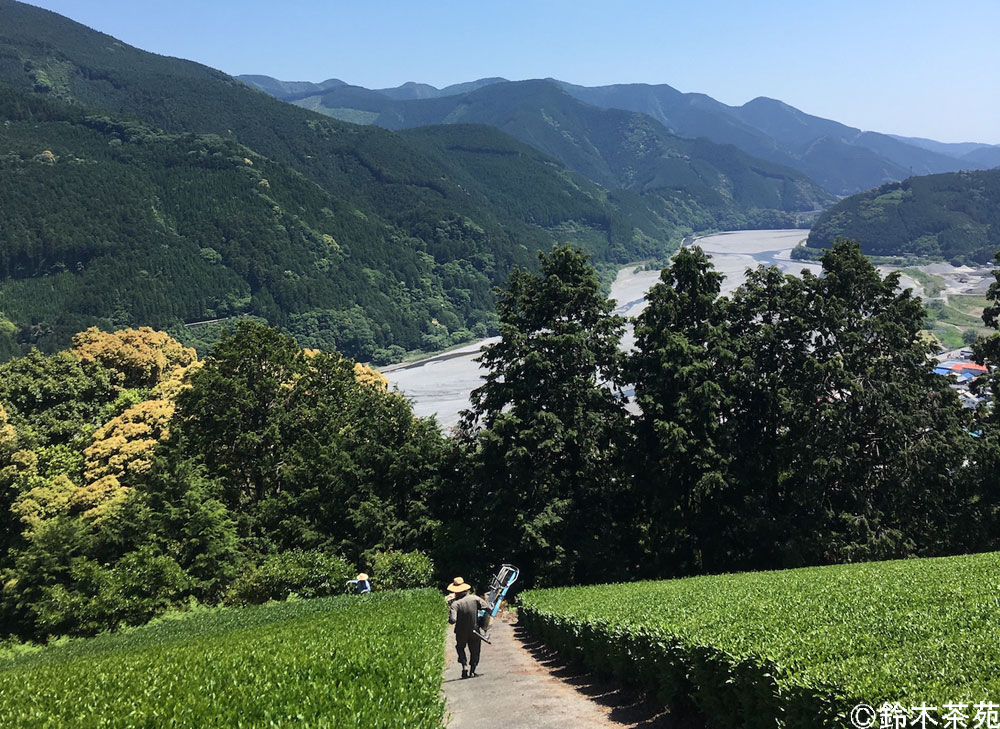
Nestled in the mountainous region of Tokuyama, Kawanehoncho in Shizuoka Prefecture, lies Suzuki Chaen — a family-run tea producer in a small community of around 1,000 people. Here, they cultivate a diverse range of teas, from sencha and black tea to pan-fired varieties, all grown, processed, and sold directly by the farm. Alongside production, they actively share the appeal of tea through social media and by taking part in local events, helping to bring their craft to a wider audience.
Even in an age where bottled drinks, coffee, and countless other beverages are readily available, Suzuki Chaen hopes that tea will remain a comforting presence in people’s daily lives. With this belief at the heart of their work, they continue to refine their tea-making each day.
In this article, we share an interview with Kenji Suzuki, exploring why Suzuki Chaen began creating such distinctive teas, and how imagining the smiles of those who enjoy their tea plays an essential role in their craft.
Contents
- 1 What is Suzuki Chaen
- 2 Introducing the Teas of Suzuki Chaen
- 3 Interview: With the Community, With Tea — Brewing Tea for Everyday Smiles.
Suzuki Chaen’s Gentle Vision
- 3.1 What ‘Aojishi’ and ‘Yamasemi’ Reveal Character and Terroir in Suzuki Chaen’s Packaging
- 3.2 ‘Flavour and aroma over water colour. The drinker’s smile over the shape of the leaf.’ The true essence of tea, as preserved by Suzuki Chaen
- 3.3 Bottled Japanese Tea as a First Encounter: A Gateway to Tea Culture for a Changing Age
- 3.4 In an Age of Mass Production, Tea Made for Smiles — The Quit Pursuit of Suzuki Chaen
- 4 Information about Suzuki Chaen and how to buy
What is Suzuki Chaen
Suzuki Chaen is a tea farm located in Tokuyama, Kawanehoncho, Shizuoka Prefecture. Operating on a fully integrated model of growing, processing, and direct sales, the farm produces a wide range of teas that bring out the unique characteristics of each cultivar. Alongside sencha, Suzuki Chaen also crafts black tea and kamairicha, exploring diverse styles of tea-making rooted in the region’s natural environment.
The current head of the farm is Kenji Suzuki, the second-generation owner. His late father, Katsuhiko Suzuki, was a prominent figure in the Shizuoka Prefecture Mountainous Region 100 Selected Teas Council, where he served as its founding chairman. The council is now led by its current chairman, Mohei Honda, the fifth-generation head of Fuji Marumo Tea Garden.
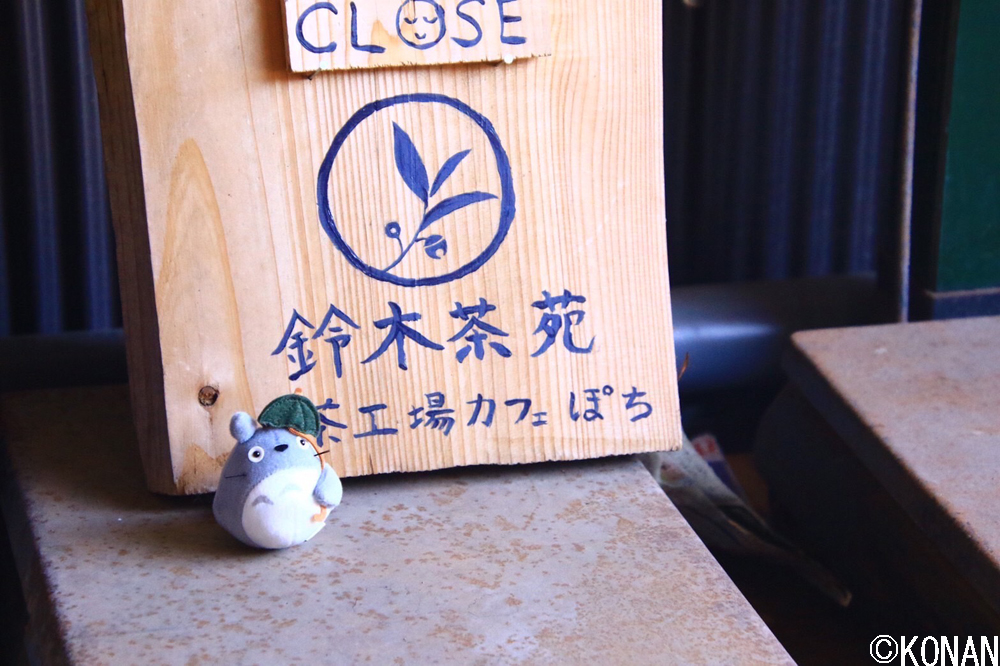
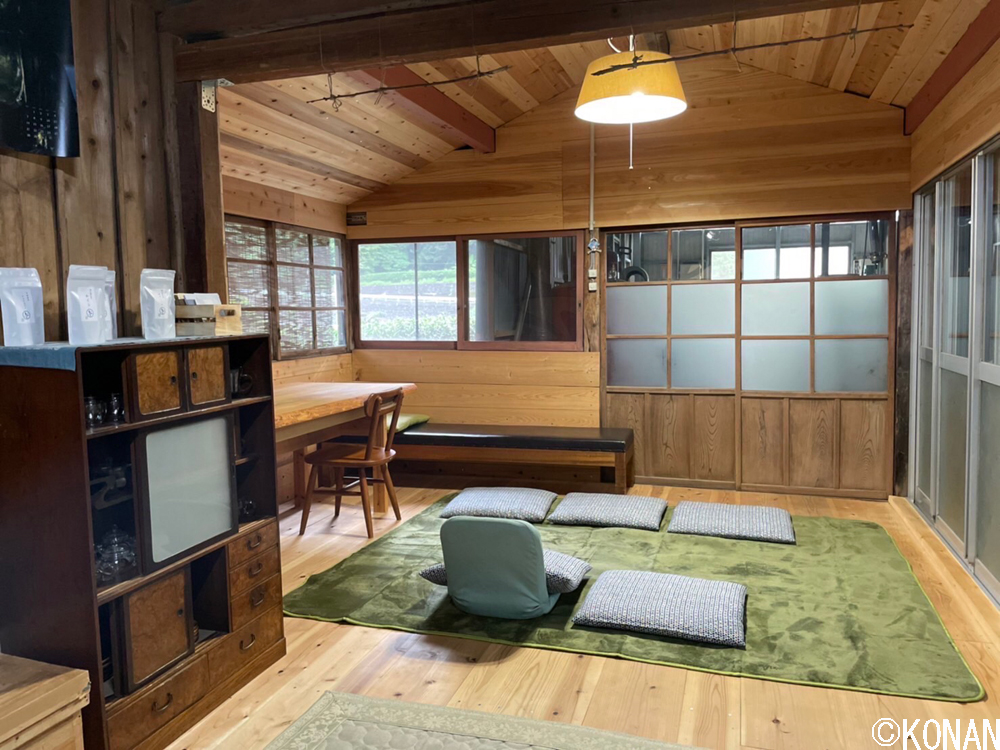
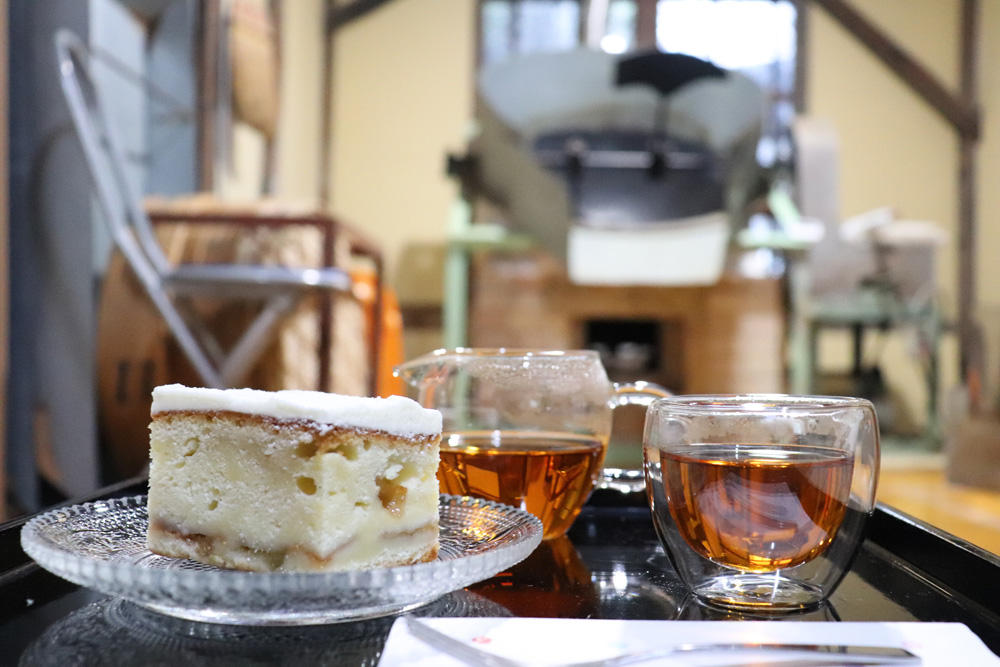
About the Reservation-Only Tea Factory Café Pochi
At Suzuki Chaen, we operate Pochi, a reservation-only tea factory café. Reservations are accepted via direct message on Instagram or X (formerly Twitter).
Please note that retail sales are not conducted at the private residence, and visits without prior arrangement cannot be accommodated. Thank you for your understanding.
Introducing the Teas of Suzuki Chaen
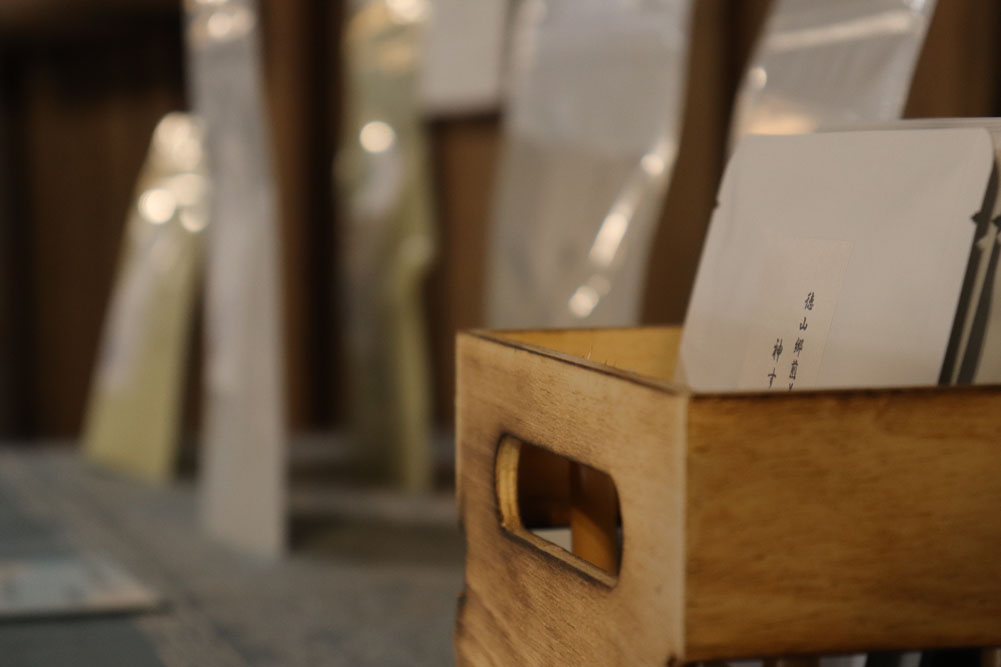
At the tea fields of Suzuki Chaen, located in Tokuyama, Kawanehoncho, Shizuoka Prefecture, a wide variety of tea cultivars are grown. These include indigenous tea varieties, the well-known Yabukita, and rarer cultivars such as Fujimidori and Kurasawa. Making the most of each cultivar’s unique character, Suzuki Chaen produces sencha, kamairicha (pan-fired green tea), black tea, and more, which are sold primarily through online channels.
All tea names are created in-house. Names such as Aojishi (‘Blue Lion’) and Yamasemi (‘Crested Kingfisher’), used for their fermented teas, are inspired by animals native to the local area. Many of these names are coined by Kahori, Kenji’s wife. Exploring not only the teas’ flavoursbut also the stories behind their names is one of the unique pleasures of Suzuki Chaen, where tea is grown, processed, and sold entirely in-house.
Please note that the tea selection may vary depending on the season. For the latest information, visit the official Suzuki Chaen website.
Editor’s Note: Up next, we take a closer look at Suzuki Chaen’s work and philosophy through an interview. If you would like to learn more about the people behind Japanese tea, we also invite you to explore Japanese Tea Farmers and Tea Farm Articles, drawn from on-site visits and firsthand reporting.
Interview: With the Community, With Tea — Brewing Tea for Everyday Smiles.
Suzuki Chaen’s Gentle Vision
We spoke with Kenji Suzuki, the representative of Suzuki Chaen, to hear his story.
What ‘Aojishi’ and ‘Yamasemi’ Reveal Character and Terroir in Suzuki Chaen’s Packaging
— In today’s world, how do you envision sharing the appeal of tea with a wider audience?
In an age when drinks are easily picked up at convenience stores and cafés, loose-leaf tea brewed in a teapot is often seen as time-consuming. Recognising this shift, Suzuki Chaen has long focused on communicating tea’s appeal to a wider audience – not only through the tea itself, but through the way its story is shared.
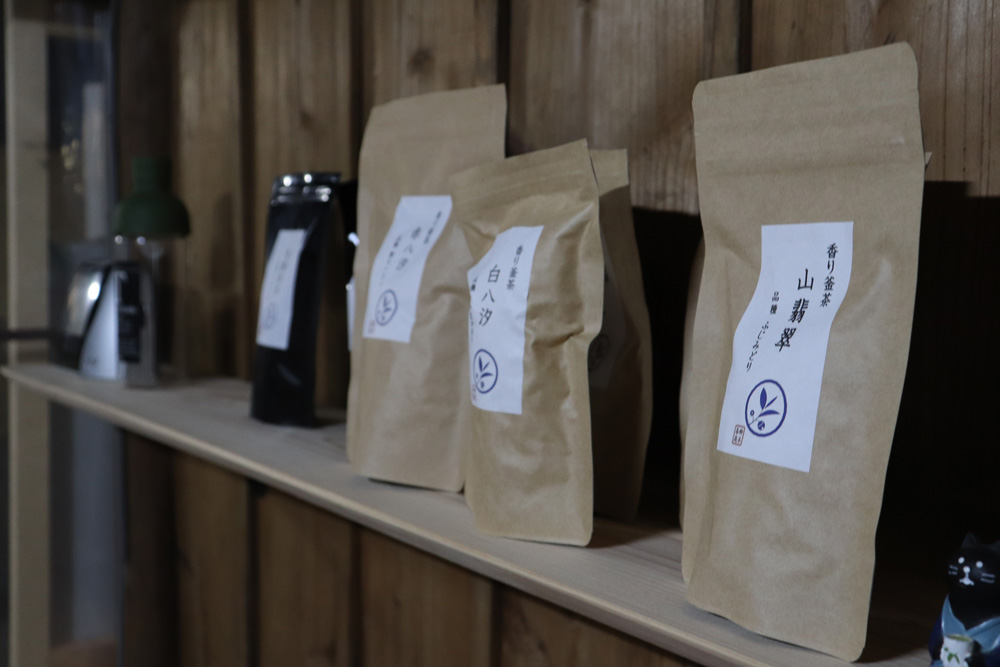
One example is their packaging design. Each type of tea is given a distinct look so that its character is immediately recognisable at a glance. Kamairicha features kraft paper packaging, black tea is presented in black, and sencha in white — designs carefully chosen to reflect the individuality of each tea.
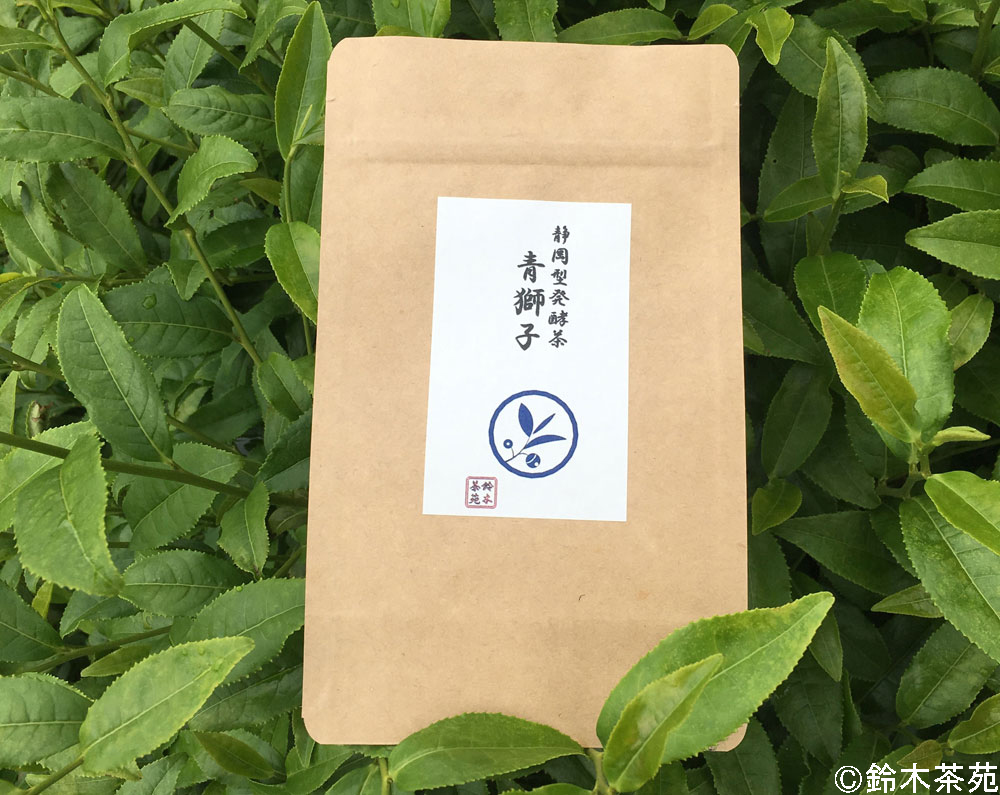 ▲Inspired by the imagery of shaded tea, the name ‘Aojishi’ was chosen, with the logo likewise designed by Suzuki Chaen.
–Suzuki Chaen is also known for producing fermented teas, which are still relatively uncommon. What lies behind this choice?
My father had long sensed the potential of fermented tea, and as a result, we began working on both its production and promotion at a comparatively early stage. Over time, these steady efforts have gradually borne fruit, and recently we have seen more opportunities for our teas to be featured on social media. We feel truly grateful for that.
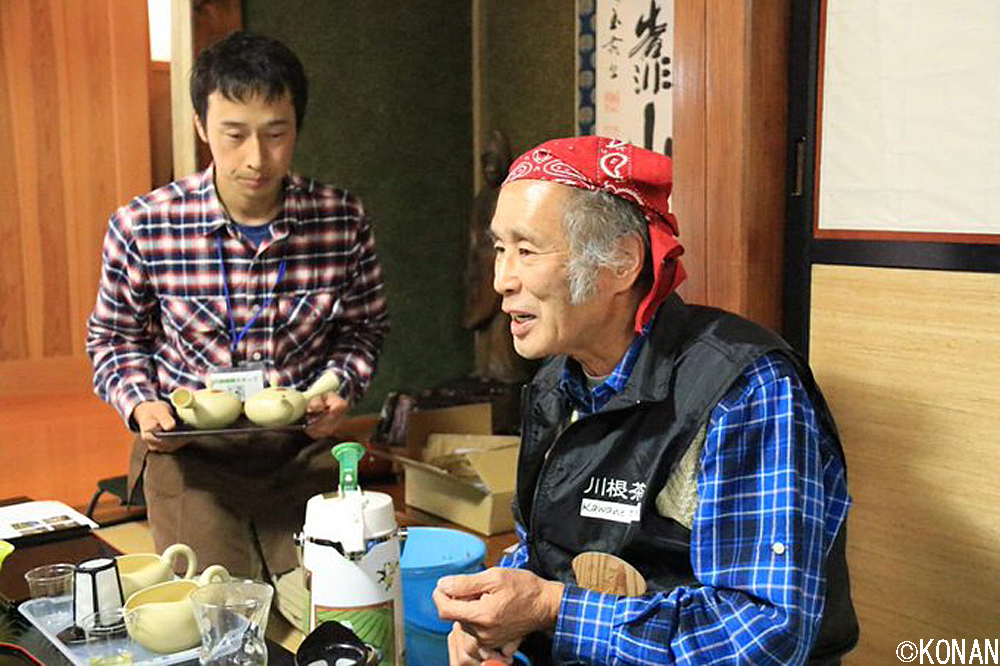 ▲Suzuki Chaen serving tea at an event (Right: the late Katsuhiko Suzuki Left: Kenji Suzuki)
— Names such as the Shizuoka-style fermented tea ‘Aojishi’ and the pan-fired fermented tea ‘Yamasemi’ (Kingfisher) are particularly striking.
Thank you. We chose these names because we wanted to convey not only the tea itself, but also the charm of the area it comes from — Tokuyama in Kawanehoncho.
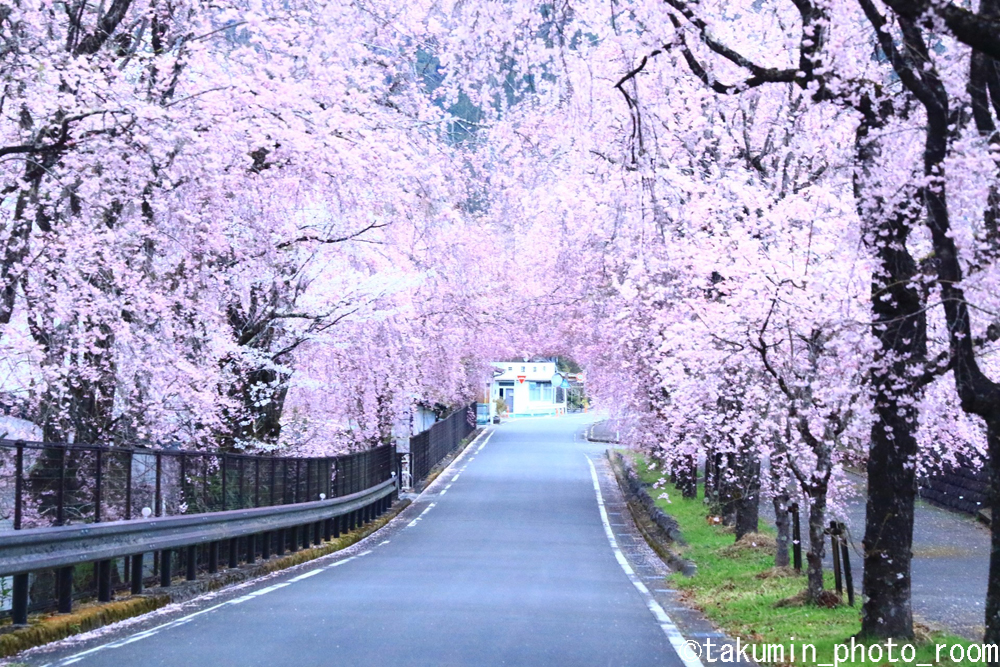
This region offers beauty throughout the year, not only during the new tea season. In summer, fireflies dance through the night air; in autumn, the mountains are vividly coloured with autumn leaves. Winter attracts many birdwatchers, with opportunities to encounter rare species, while in spring, rows of weeping cherry trees gently soothe the hearts of visitors.
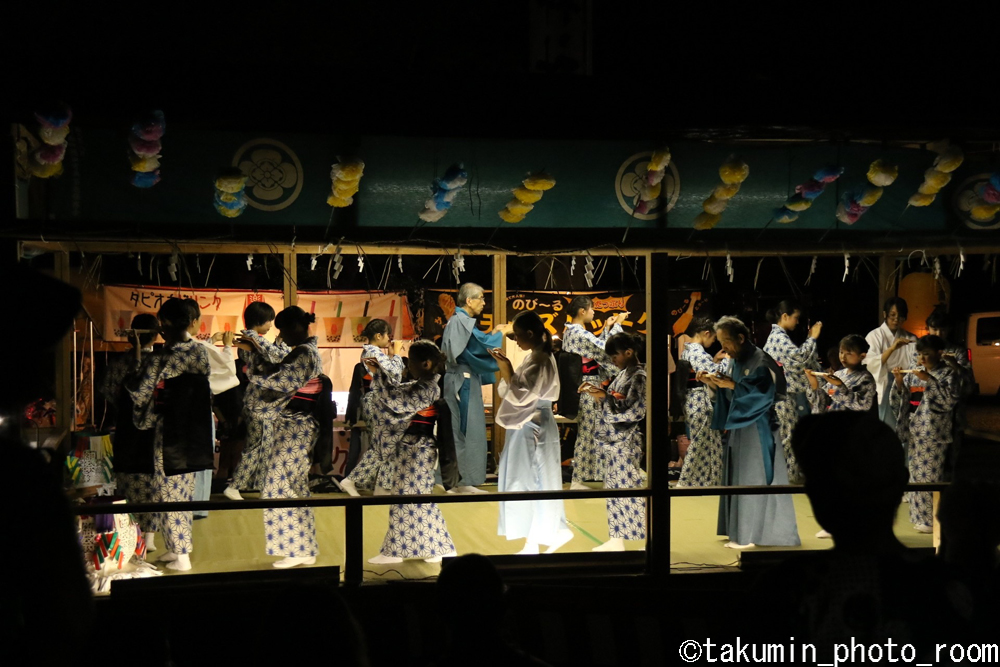
The area also continues to cherish traditional performing arts such as Tokuyama’s Bon dances and kagura. Nearby, the Oigawa Railway still operates steam locomotives in regular service. We would be delighted if these local stories and landscapes could be shared alongside our tea.

‘Flavour and aroma over water colour. The drinker’s smile over the shape of the leaf.’ The true essence of tea, as preserved by Suzuki Chaen
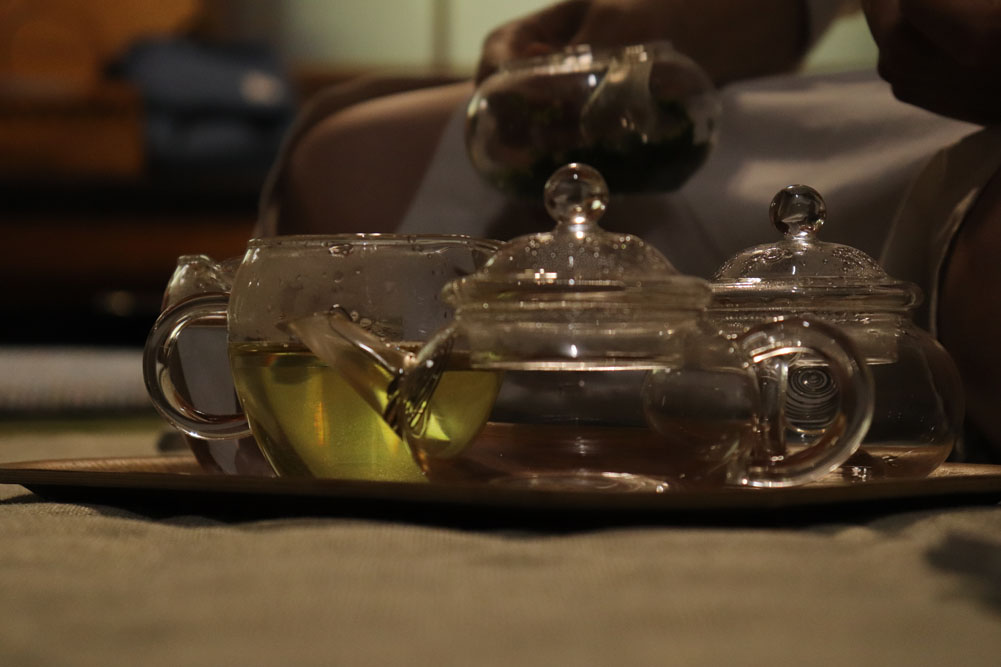
At Suzuki Chaen, the belief is simple and unwavering: the real appeal of tea lies in its refreshing aroma and gentle, natural sweetness. In recent years, however, the tea industry has increasingly placed emphasis on the colour of the suishoku (water color), the appearance of the dry leaves before brewing, and numerical values for so-called “umami components” derived from chemical analysis.
But are these truly the qualities that tea drinkers are seeking? Are teas being crafted with the image of the drinker’s smile in mind? We often hear that ‘tea no longer sells,’ yet it is hard to ignore the feeling that this decline may be the result of leaving the perspective of the drinker behind.
— Do you believe that this industry mindset is one of the reasons tea consumption has declined?
I think there are several factors at play. Compared with the past, the range of beverages available today has expanded dramatically, and many of them are easy to obtain and inexpensive. In that context, it may be only natural that tea brewed in a teapot has come to be avoided.
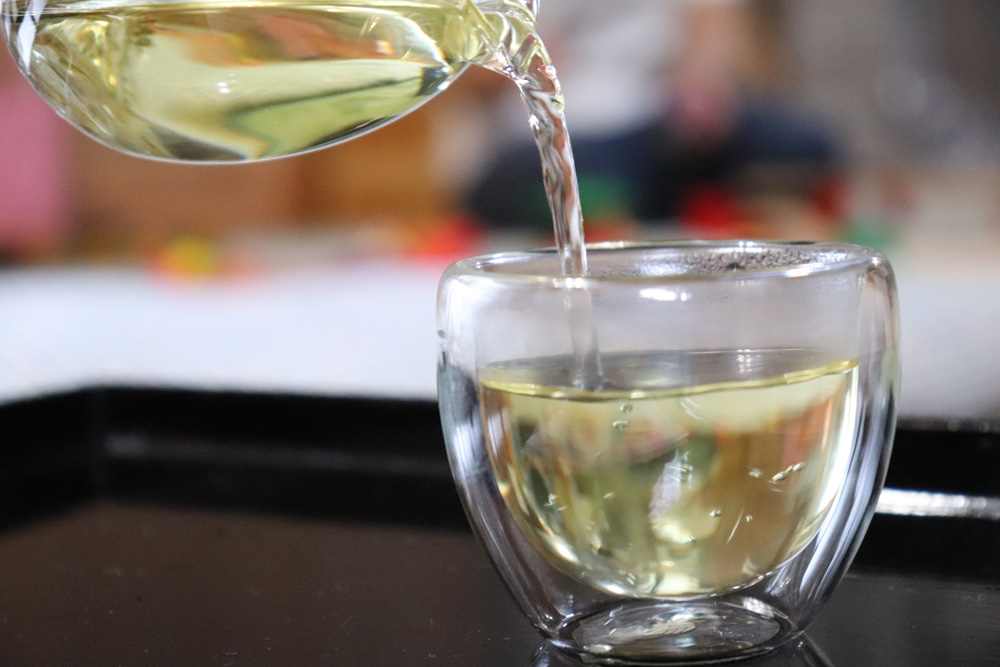
That said, I also feel that an excessive fixation on water colour and leaf appearance has pushed aside the more essential qualities of tea — its aroma and flavour. As a result, the true value of tea is no longer being communicated, and this, I believe, has contributed to people drifting away from tea.
Bottled Japanese Tea as a First Encounter: A Gateway to Tea Culture for a Changing Age
— Some people point to bottled japanese tea as one of the reasons behind the decline in sales of loose-leaf tea. What is your view on this?
I do not see bottled japanese tea as an ‘enemy’ of loose-leaf tea. On the contrary, I regard it as a source of encouragement. The fact that major beverage companies continue to roll out bottled tea products is, to me, clear evidence that tea is still very much in demand and valued by a wide range of people today.
As more households no longer own a teapot, there are surely many people who, without bottled Japanese tea, would have had little to no opportunity to encounter tea at all. From that perspective, bottled Japanese tea serves as a kind of gateway to tea — an entry point that plays an important role in sustaining tea culture itself.
We live in an age overflowing with products and information of every kind. Within that abundance, the simple fact that tea continues to be chosen gives me great encouragement. It makes me realise just how many people are still reaching for tea and making it part of their daily lives.
My hope is that even ten per cent of those who drink bottled Japanese tea might one day develop an interest in tea brewed in a teapot. When that moment comes, the key question will be how compelling and appealing a tea we are able to offer them. I believe this is what will ultimately determine whether tea culture can continue to grow and spread.
And it is precisely here that I feel both the meaning of my work in the tea industry, and the responsibility that comes with it.
In an Age of Mass Production, Tea Made for Smiles — The Quit Pursuit of Suzuki Chaen
— The Suzuki Chaen website offers very detailed information about tea, including how to brew it.
At its heart, we hope that everyone will enjoy tea in a way that feels natural and free to them. The brewing methods introduced on our website are meant simply as one point of reference — nothing more than a guide if you find it helpful.
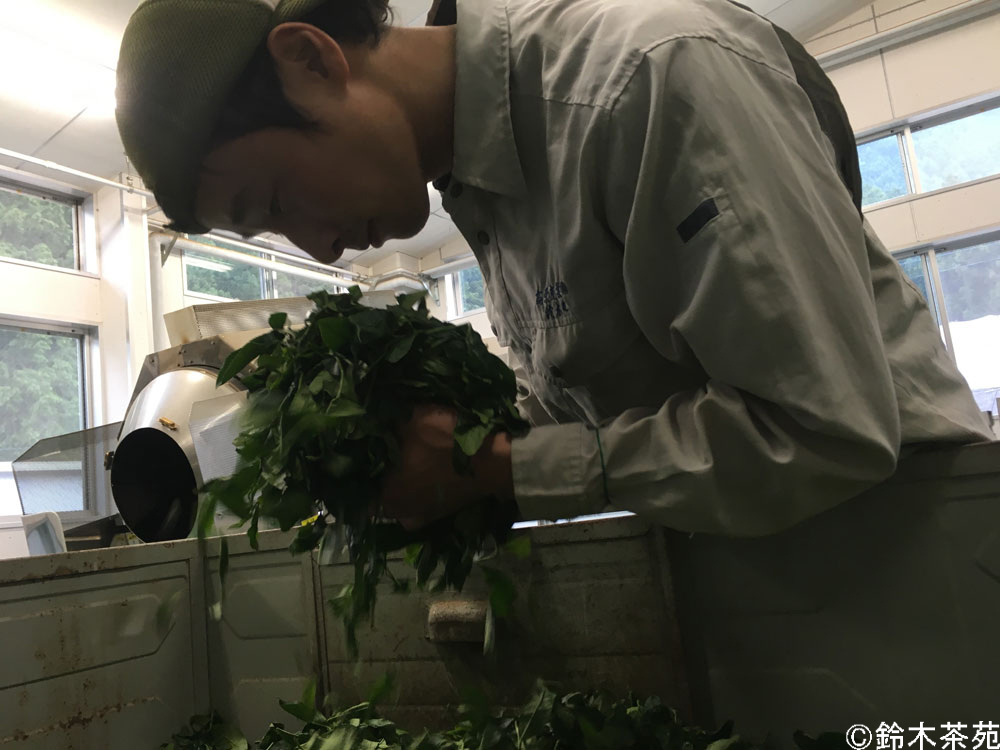
Every tea producer brings their own personality to their craft, and each farming family has its own distinct character. By embracing these differences, we want to propose a wider range of ways to enjoy tea, as well as new ways of sharing it with others.
Many things in today’s world exist within a cycle of mass production and mass consumption, and it would be impossible to deny that tea has been influenced by this trend. In recent years, tea has increasingly been treated as a luxury or indulgence, and at times it can feel as though the culture surrounding it has become somewhat rigid.
That said, I do not view this situation pessimistically. On the contrary, I believe that what the coming era truly calls for is tea that answers someone’s smile — tea that brings quiet happiness to another person. And when I look towards that future, I see nothing but hope.
Information about Suzuki Chaen and how to buy
| Address |
Never visit without a prior appointment. |
| Website
(japanese only) |
http://suzukichaen.com/
(You can directly purchase tea at the tea farm except from April to May, which is the busiest time of the year. Please don’t visit the farm from April to May.) |
| Phone number | +81 547-57-2612
(japanese only) Please do not suddenly visit tea farms without an appointment in advance, as it troubles farmers. |
| E-money and credit cards | not available |
| Open | Contact Suzukichaen |
| Closed | Contact Suzukichaen |
| Parking lot | Available (the number is limited) |
| Writer | Norikazu Iwamoto |
| Career | Ochatimes chief editer. Meeting with Vice Governor of Shizuoka prefecture. Judge of Shizuoka 100 tea’s award in 2021~25. Ocha Times link introduced at website of World O-CHA(Tea) Festival 2022, Tea Science Center, The City of Green Tea Shizuoka, Ministry of Agriculture, Forestry and Fisheries. |
| English translator | Calfo Joshua |
| Career | Born and raised in England, living in Japan since 2016. Studying arboriculture in Shizuoka Prefecture whilst operating his landscape business Calfo Forestry. Appreciating the nature of Japan and the culture that places such importance in it. |
Related articles
-

Aitouen’s the world-renowned tea production in the face of a challenging climate within the Kawane tea brand【Kawanecha, Shizuoka Prefecture】
Every year, Japanese tea farmers pit their precious harvests...
OCHATIMES編集部
-
![Matsushimaen’s Tea Master speaks on his passion for Hiire tea leaves by charcoal-fire and perspective on current market [ Kawane Tea, Shizuoka Prefecture ]](https://ochatimes.com/en/wp-content/uploads/sites/3/2019/09/matushima01.jpg)
Matsushimaen’s Tea Master speaks on his passion for Hiire tea leaves by charcoal-fire and perspective on current market [ Kawane Tea, Shizuoka Prefecture ]
Kawanehoncho has an environment that is conducive to the cul...
OCHATIMES編集部



 on the red bar to close the slide.
 to see the
distance between the current location to the Chaya.
to see the
distance between the current location to the Chaya.