

Takayanagi Seicha’s Strategy for Expanding the Market for Shizuoka Tea [Makinohara, Shizuoka]
 Go to Japanese page
![Takayanagi Seicha’s Strategy for Expanding the Market for Shizuoka Tea [Makinohara, Shizuoka]](https://ochatimes.com/en/wp-content/uploads/sites/3/2026/07/takaya075.jpg)
About 25 minutes by car from JR Kanaya Station, the Makinohara area—one of Japan’s leading tea-producing regions—spreads out across a broad stretch of tea fields on flat land at an elevation of around 180 metres. Blessed with a mild climate and long hours of sunshine, this area produces tea leaves with notably thick flesh. By steaming these leaves slowly over an extended period, producers create fukamushi-cha, or deep-steamed tea, known for its richness and umami.
For this interview, we visited Takayanagi Seicha, a tea producer based in Makinohara City, Shizuoka Prefecture. In addition to producing and selling tea made from high-quality locally grown leaves, the company is also actively developing confectionery and sweets made with tea.
In this article, we look at the appeal of the teas and sweets created by Takayanagi Seicha, while also introducing the company’s approach to promoting tea and expanding its market through an interview with its representative, Takamasa Takayanagi.
About Takayanagi Seicha
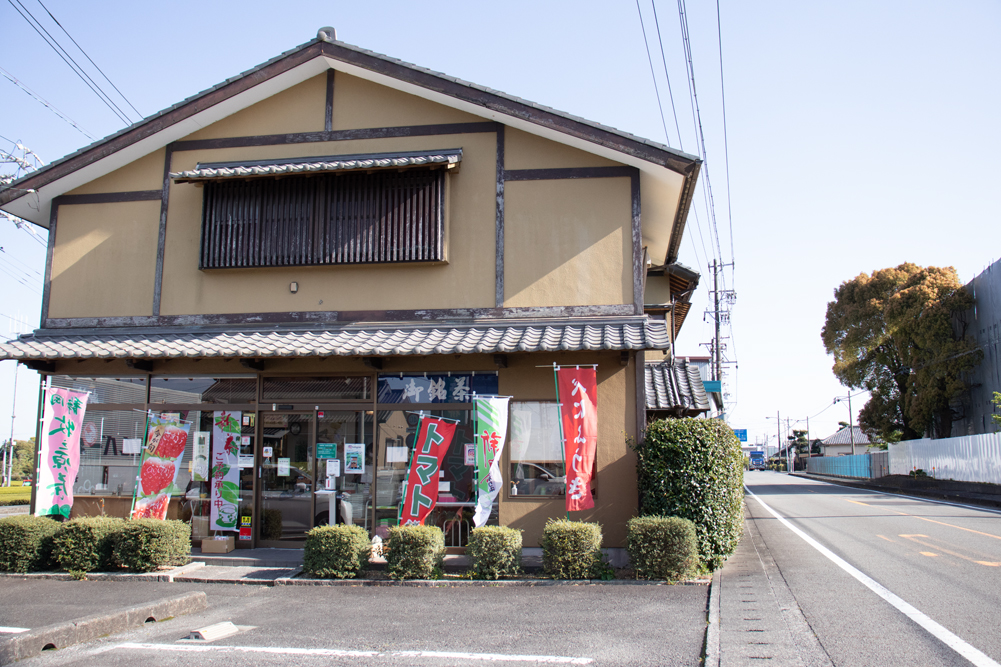
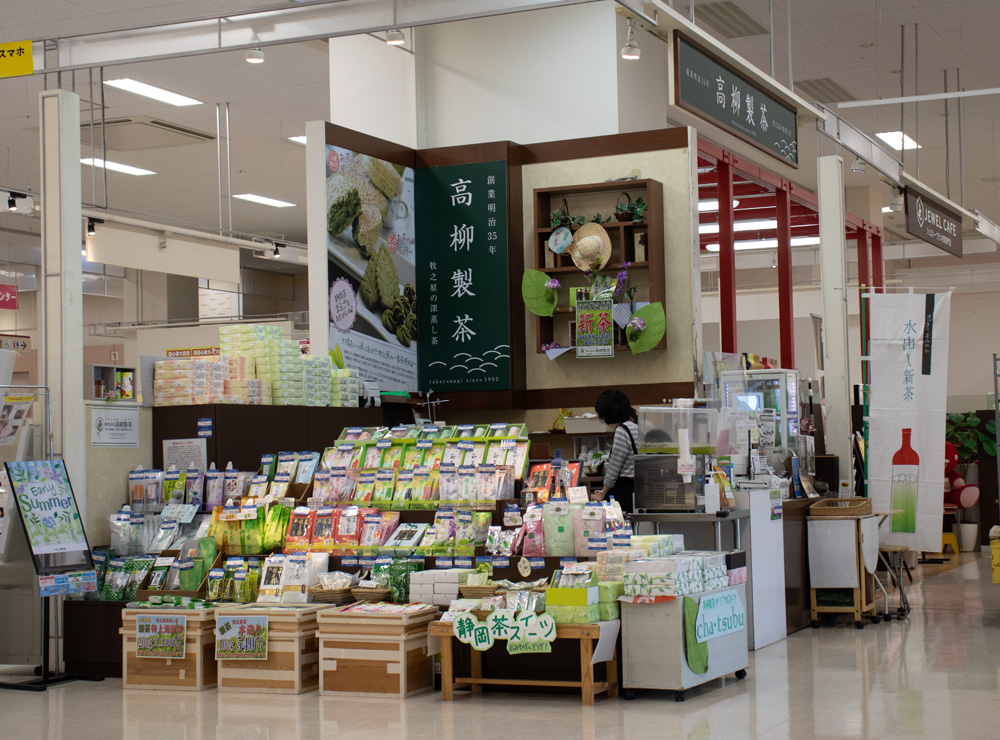
Takayanagi Seicha is a long-established tea company founded in 1902, with its headquarters in Makinohara, Shizuoka Prefecture. It produces and sells tea grown locally in Makinohara, and currently operates two shops: the Makinohara Main Shop and the Aeon Yaizu Shop. The current representative, Takamasa Takayanagi, is the fourth generation of the founding family.
An Introduction to Takayanagi Seicha’s Tea Products
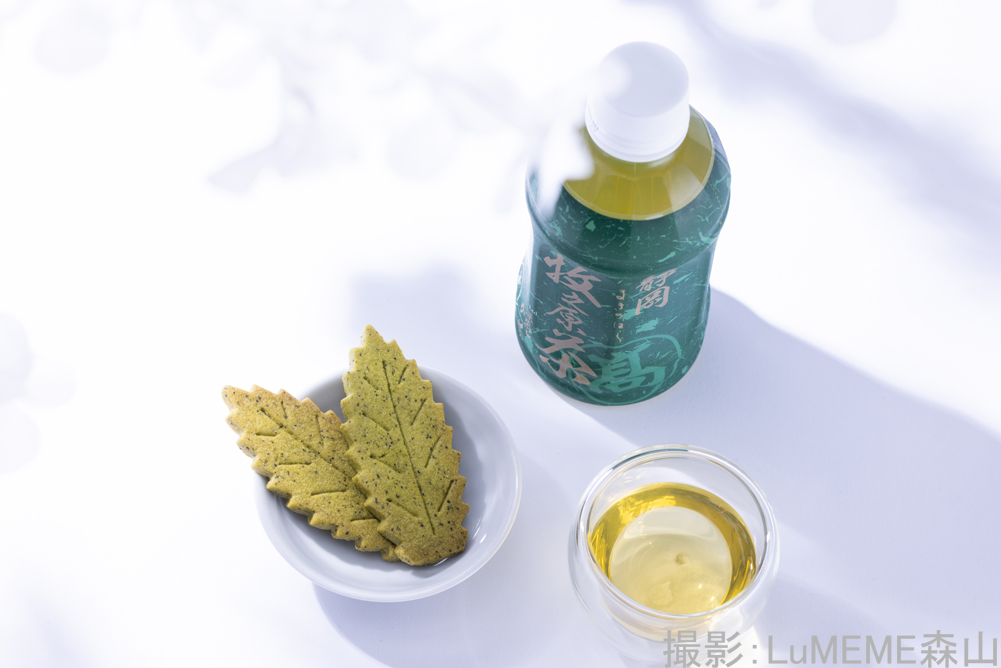
Located in Makinohara, Shizuoka Prefecture, Takayanagi Seicha is known not only for producing high-quality Japanese tea, but also for developing sweets and confectionery made with tea. Its original product range includes loose-leaf tea for brewing in a kyusu teapot, as well as bottled Japanese tea, tea bags, tea-picking cookies, cream puffs, ice cream, and daifuku filled with fresh cream.
This time, we introduce a selection of its popular products.
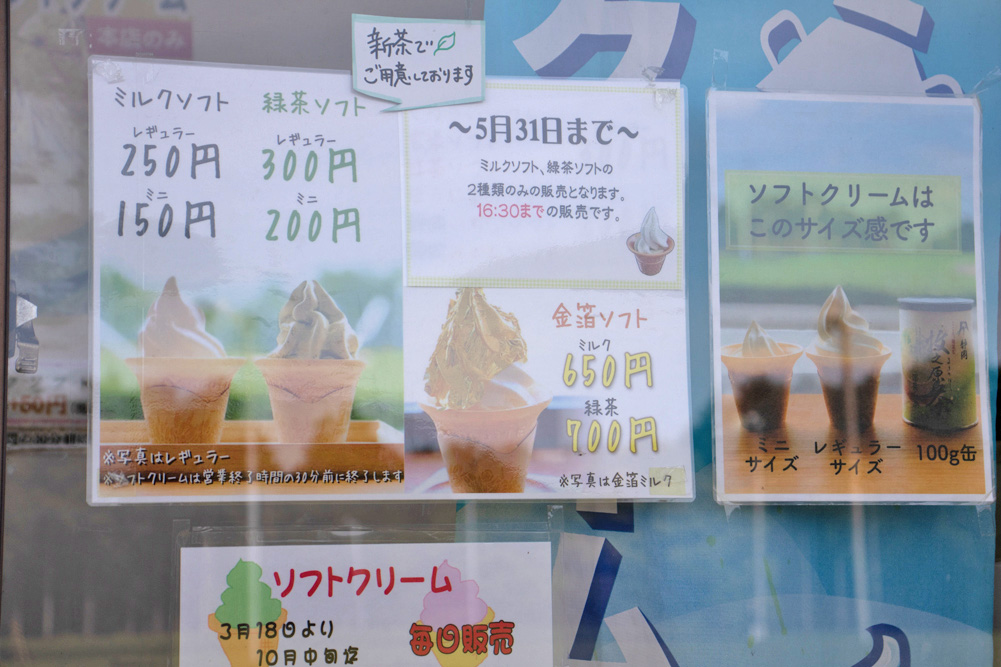 ▲ At the main shop, Takayanagi Seicha also sells its special green tea soft serve. One standout is the green tea soft serve topped generously with gold leaf from Kanazawa, offering both a striking appearance and the aroma of tea.
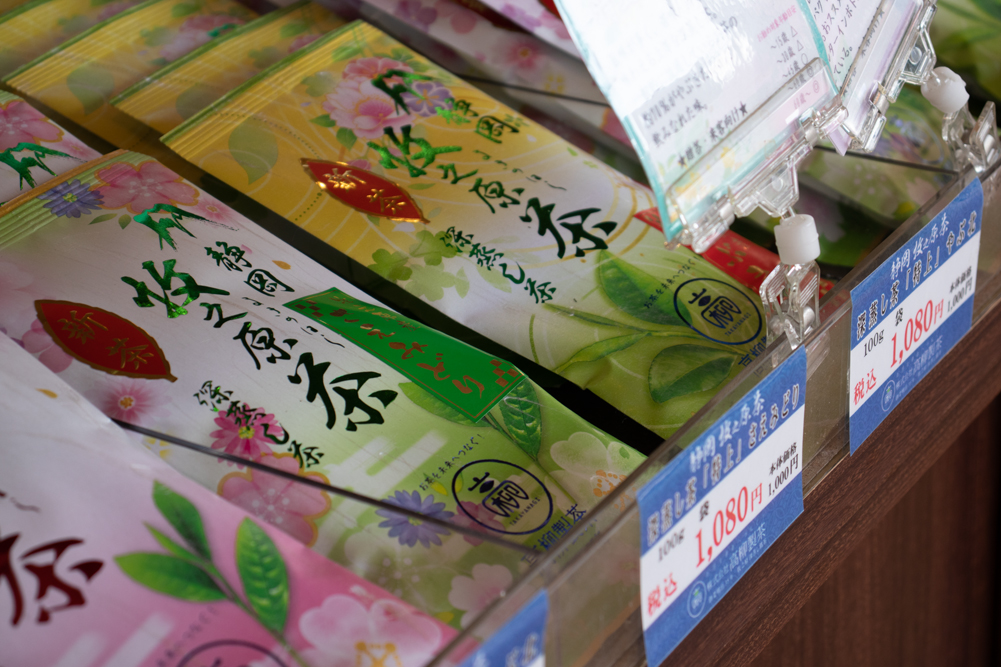
Shincha Deep-Steamed Tea: Premium Saemidori
Premium Saemidori is a mellow deep-steamed tea with pronounced umami and richness, made from tea leaves carefully grown over the course of a year in sun-filled tea fields on the Makinohara Plateau.
It is also easy to brew, allowing anyone to prepare a beautifully deep green cup with little difficulty, which makes it well suited to serving guests. With relatively low astringency, it is easy for children to drink as well, and its sweetness is brought out even more when enjoyed with confectionery.
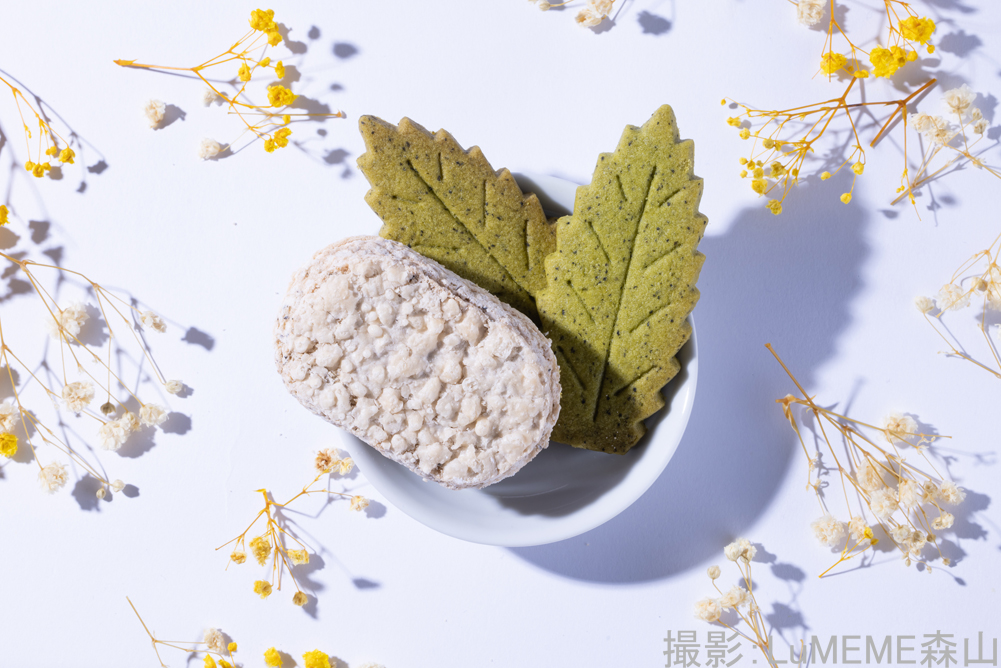
Ocha Tsubu Leaf Cookies
Ocha Tsubu Leaf Cookies were created from the idea of making a tea sweet that would also appeal to children. Development began with round prototype biscuits, but they attracted attention for comments such as, “They melt smoothly in the mouth, and the tea flavour spreads beautifully,” which led to the product being commercialised.
They have since become a popular item, with annual sales reaching 700,000 cookies, or around seven tonnes.
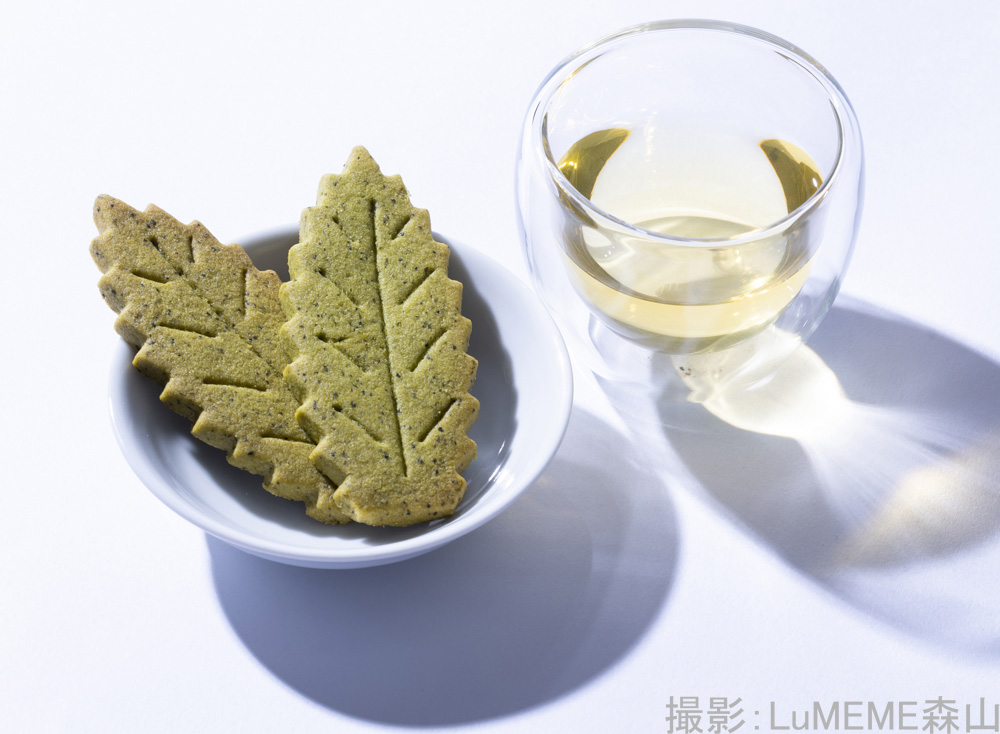
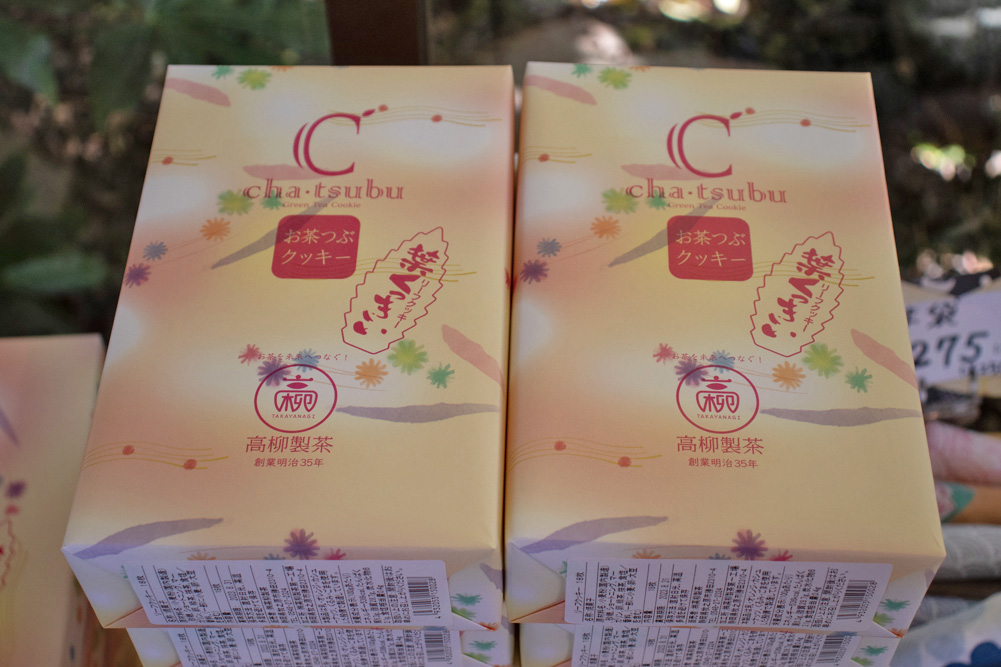
In bringing the product to market, Takayanagi Seicha placed the highest priority on ensuring that the tea flavour could be enjoyed to the fullest, and continued to refine its quality.
Through repeated trial and error, Ocha Tsubu Leaf Cookies were developed with a texture and firmness that bring out the flavour of Makinohara tea while delivering a pleasant bite and a smooth melt-in-the-mouth finish.
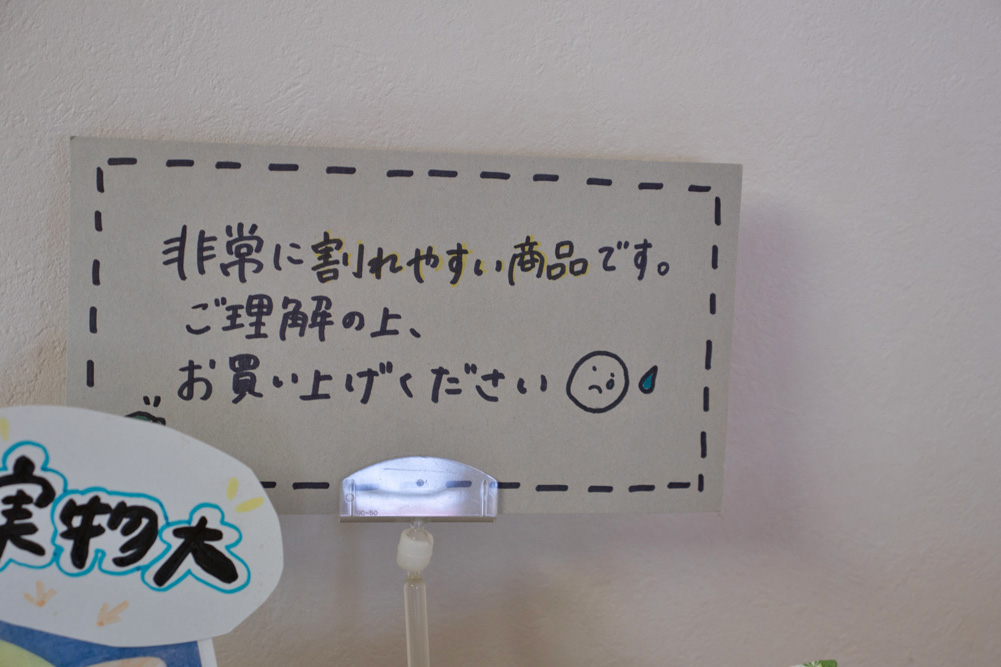
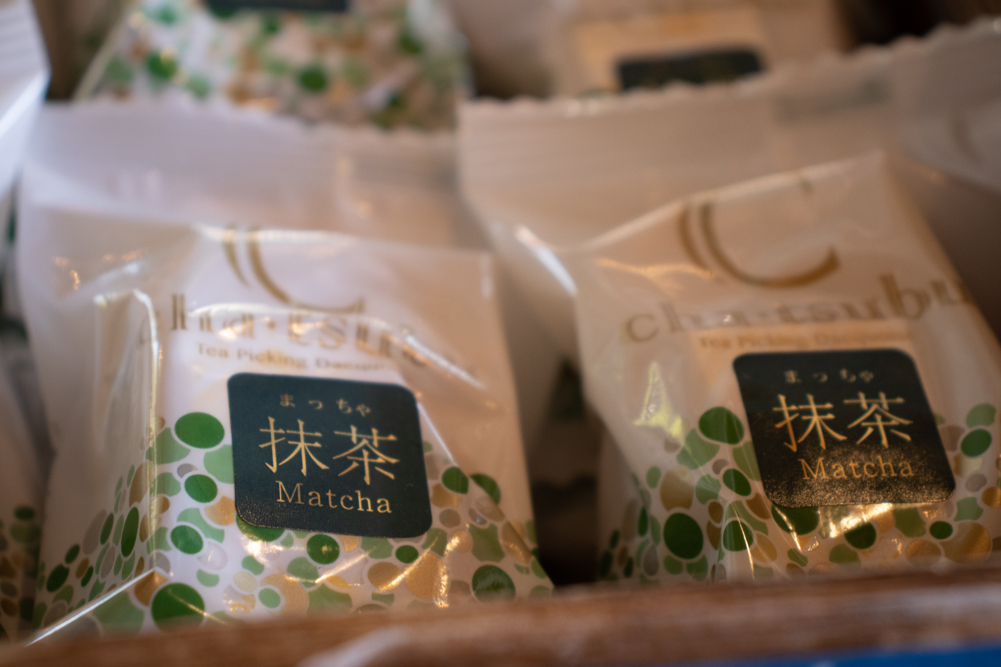
Tea-Picking Dacquoise
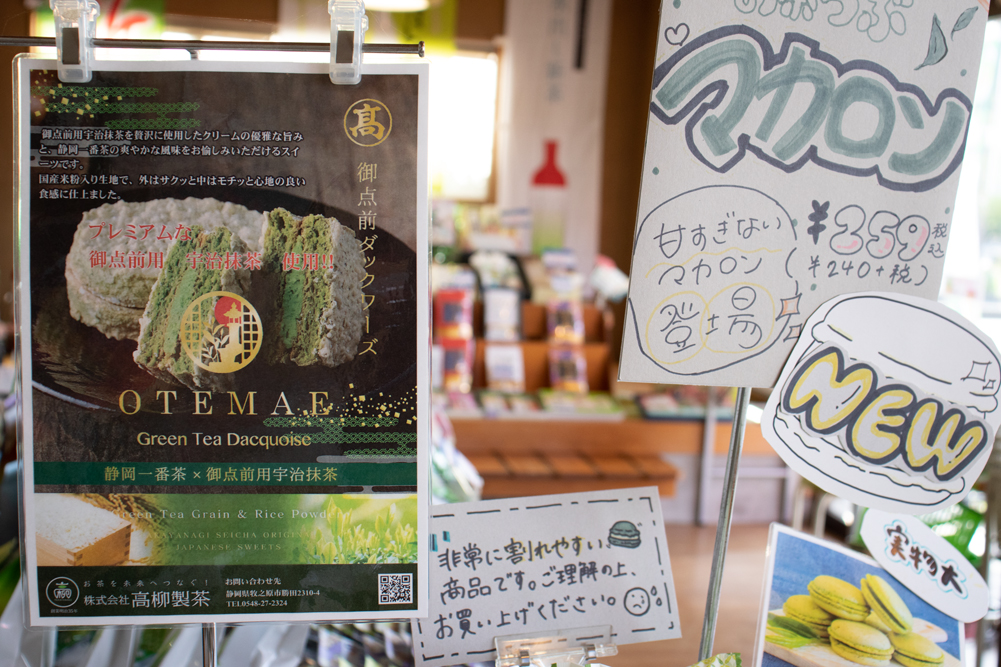
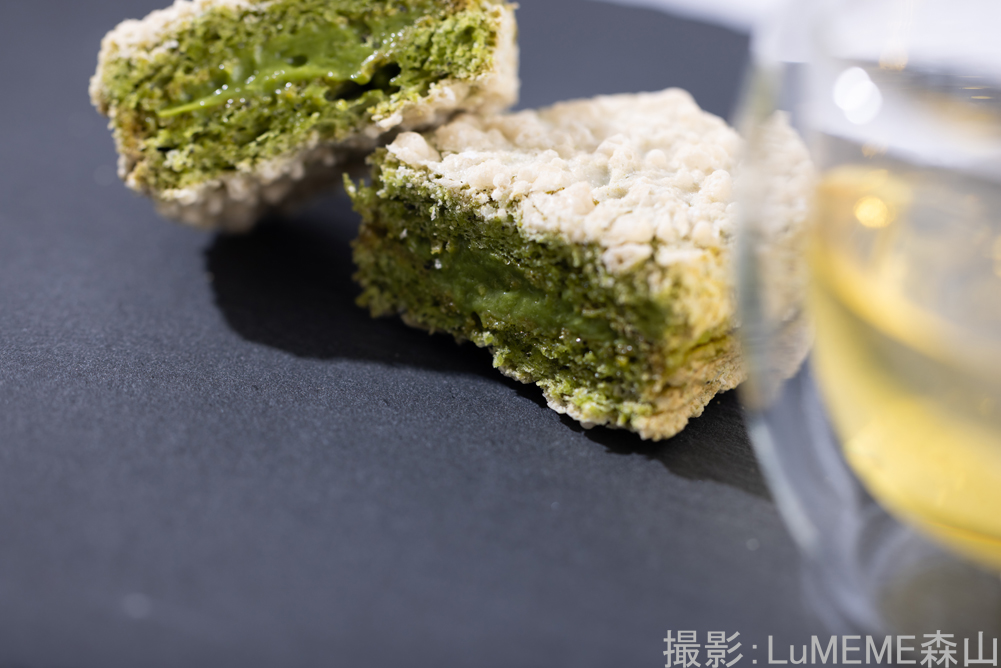
Tea-Picking Dacquoise is made with generous amounts of first-flush tea from Makinohara, grown under ample sunlight, and uses 100% domestically produced rice flour. It has a crisp exterior and a soft, pleasantly chewy centre. The rich aroma of tea and its refined sweetness spread across the palate.
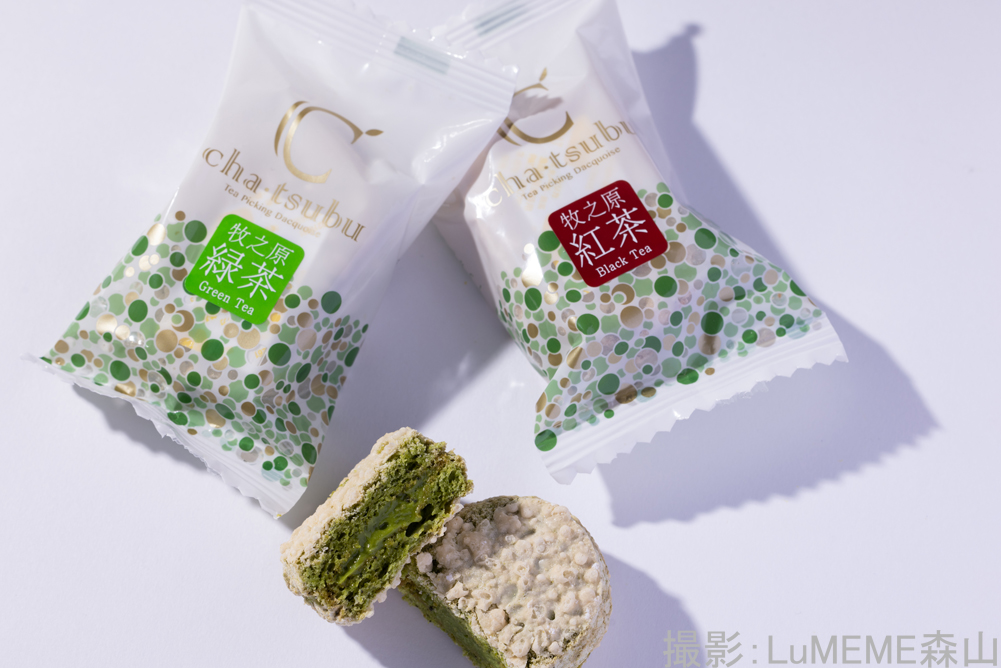
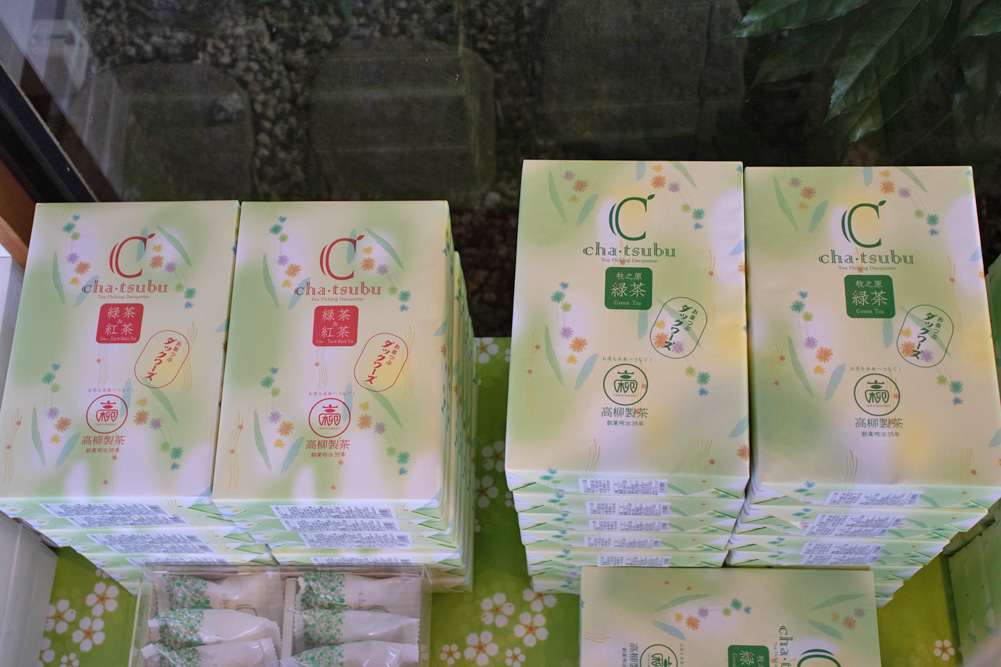
It comes in three varieties: matcha, green tea and black tea. As it keeps well and can be enjoyed at room temperature, it is also well suited as a souvenir or gift.
Better than tea brewed in a kyusu? Makinohara Tea Premium PET Bottled Japanese tea
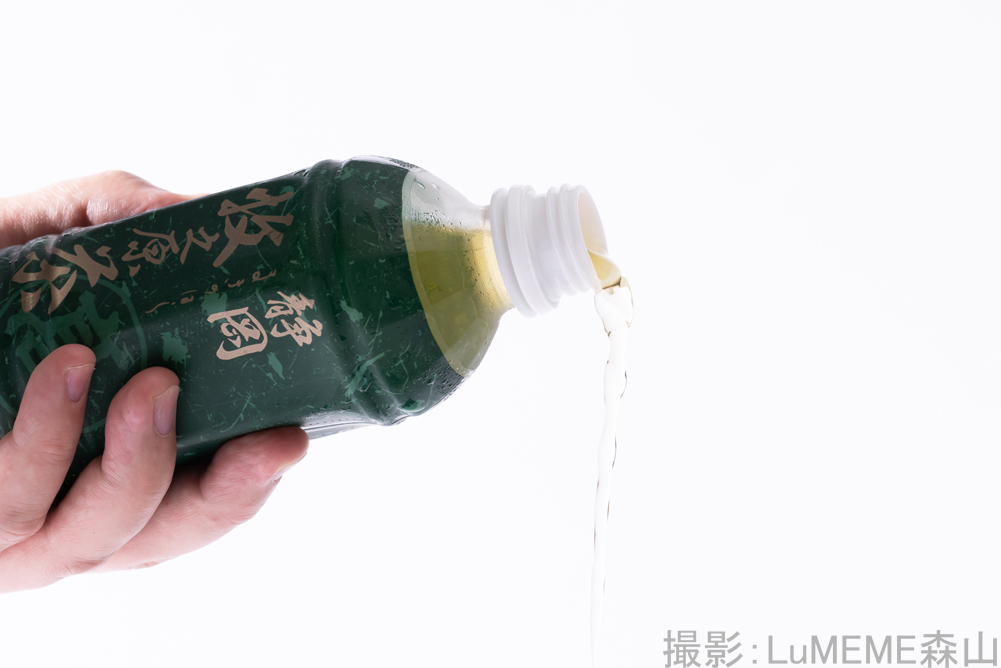
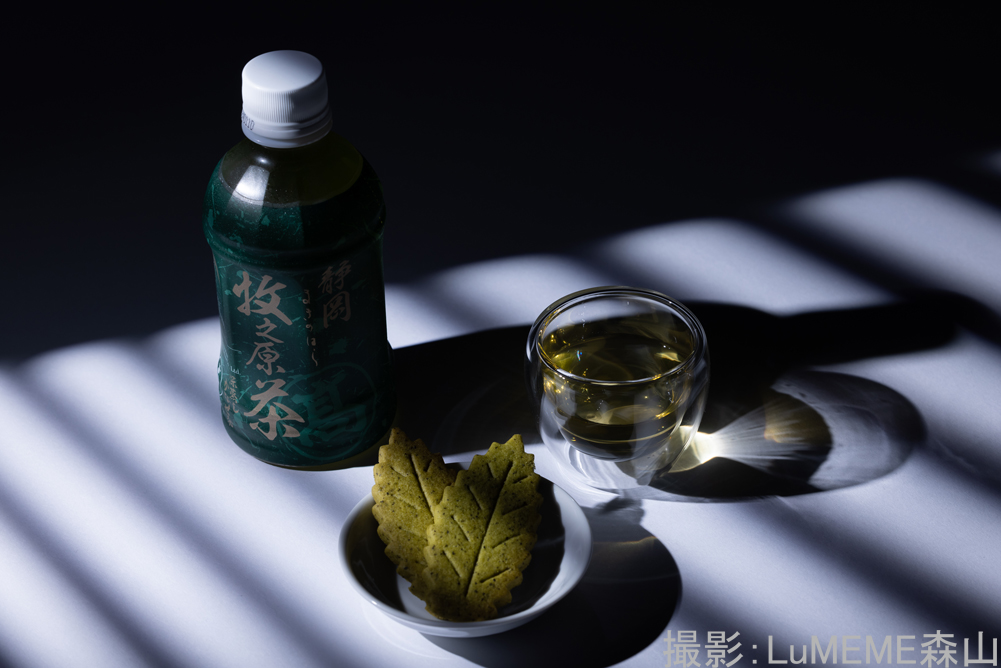
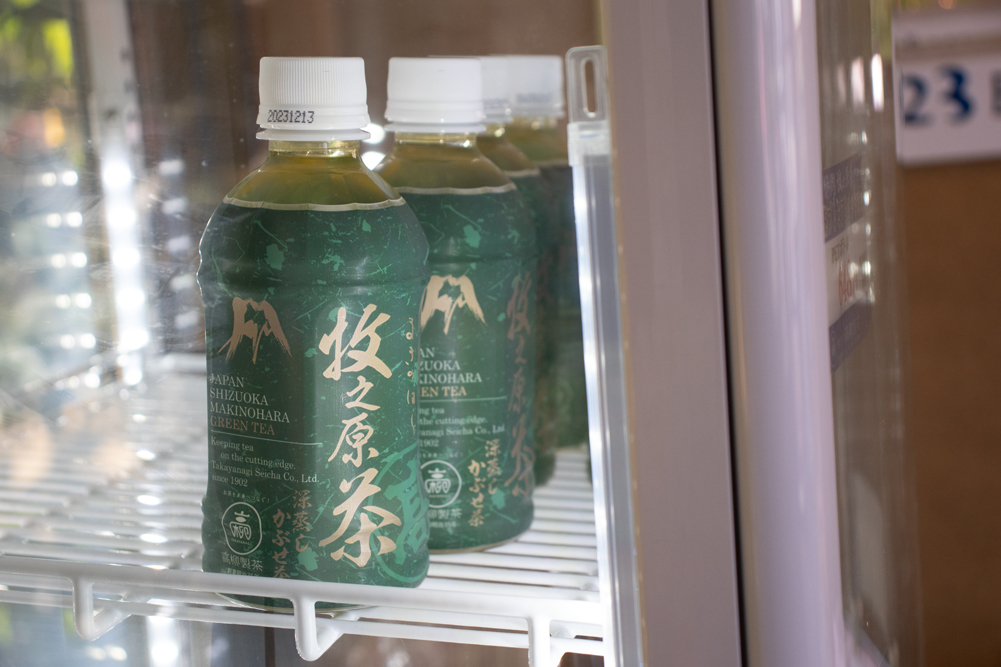
The premium PET- bottled Japanese tea Makinohara no Shizukucha is made with first-flush kabusecha. Grown under shade, the tea leaves are produced in a way that reduces tannins and draws out the umami component theanine.
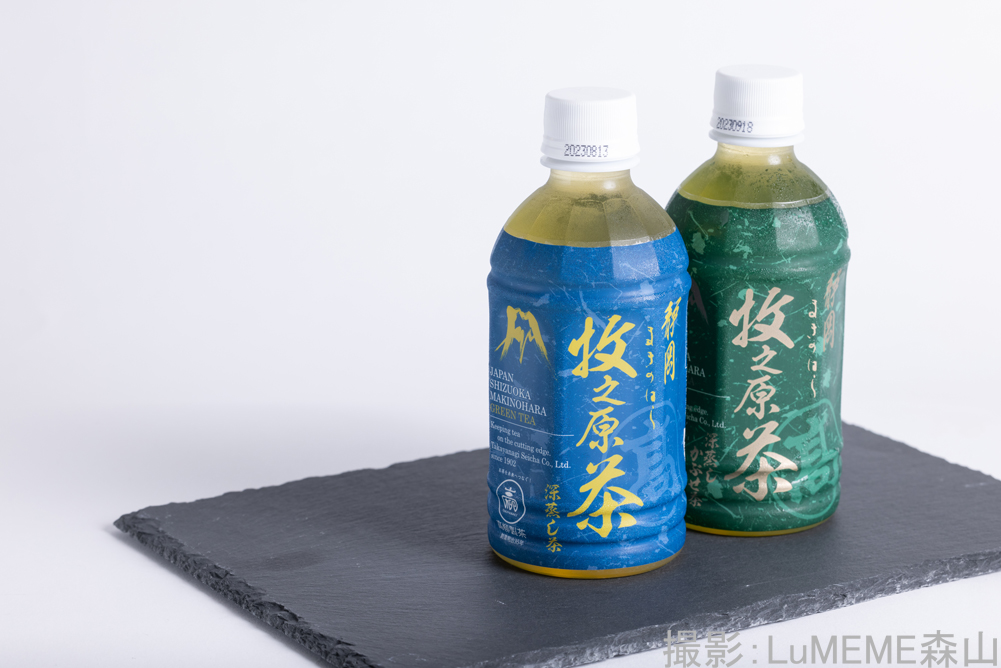
This tea is the result of careful attention to every stage of extraction, including water temperature and brewing time, and reflects the full extent of Takayanagi Seicha’s technical expertise.
It is also served at leading hotels in Tokyo. The company president describes it as a product he is confident in, saying that it is “even better than tea brewed in a kyusu”.
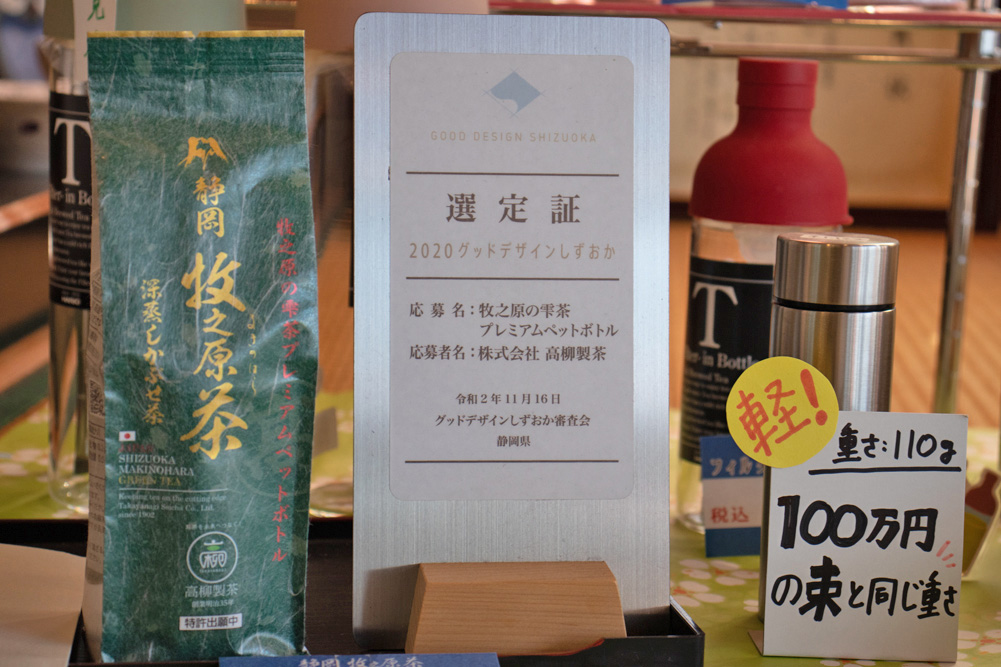
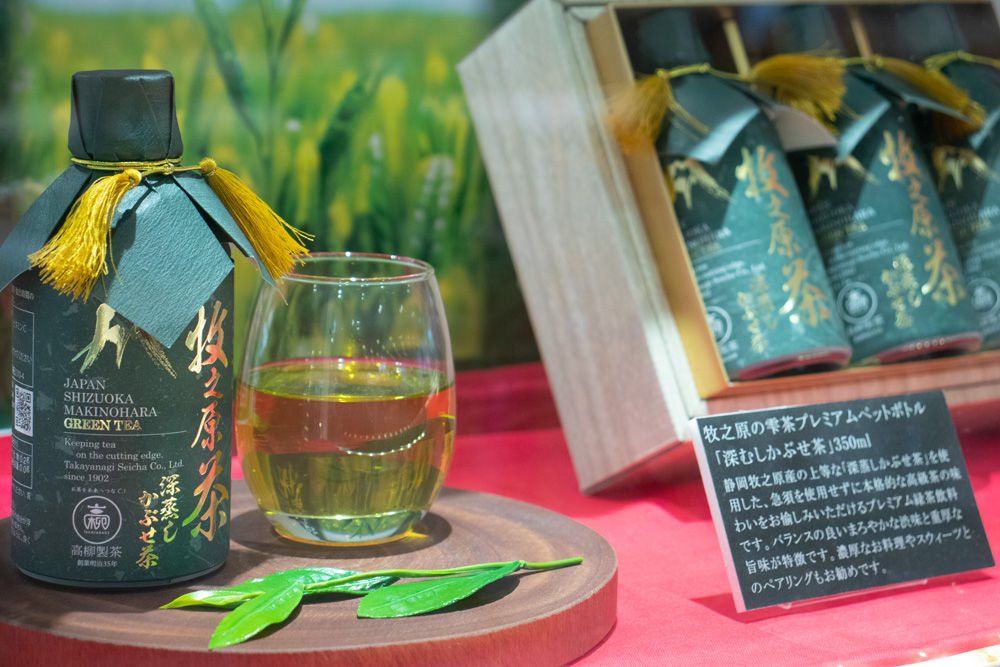
Premium Bottled Japanese Tea: Makinohara no Shizukucha
Makinohara no Shizukucha is a bottled tea developed to make a top-grade tea experience accessible without the need for a kyusu teapot. It is characterised by a concentrated depth of umami and sweetness, and is presented in a paulownia wood box as a premium product. It is also well suited as a gift or for celebratory occasions.
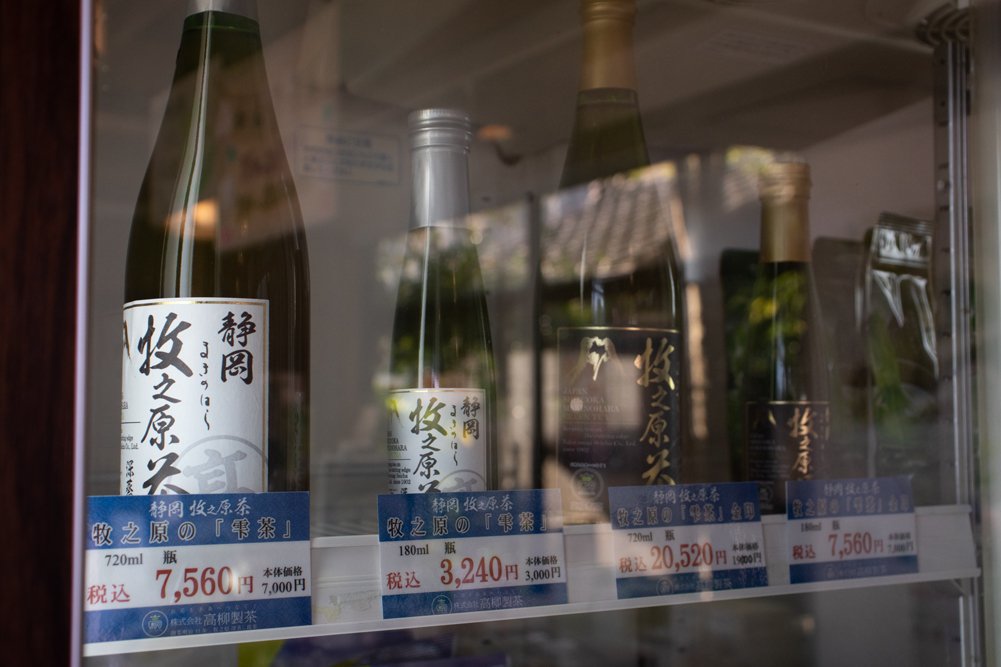
Editor’s note: Across Shizuoka’s tea industry, the challenge extends beyond producing exceptional tea to finding meaningful ways to share its value with others. We have also visited tea growers and tea-making sites across the region, so if you would like to explore more of these stories, please see our collection of Japanese Tea Farmers and Tea Farm Articles.
Interview: Expanding the Value of Shizuoka Tea — Takayanagi Seicha’s Market Development and PR Strategy
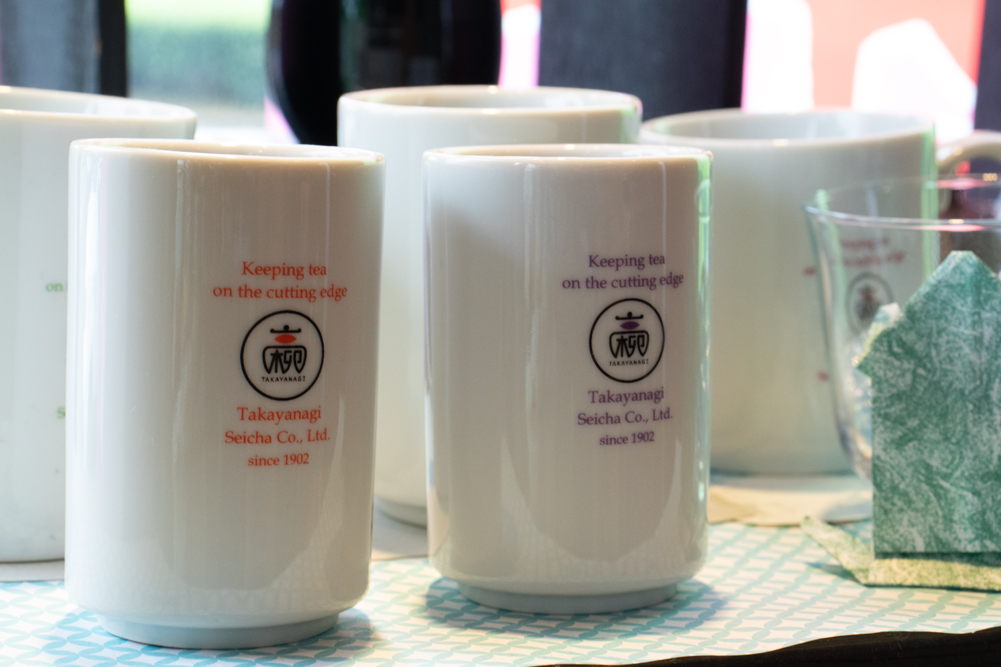
We spoke with Takamasa Takayanagi, Representative Director of Takayanagi Seicha.
At the Front Line of Sales and PR at Takayanagi Seicha: Staying Committed in Harsh Conditions
— Could you tell us about Takayanagi Seicha?
Takayanagi Seicha operates with the principle of carrying tea forward into the future. At present, the tea industry as a whole is facing challenges such as falling prices and rising fuel costs.
For example, costs are increasing across the board, including steam ovens used to steam tea, petrol for harvesting machines, transport costs, electricity for refrigerated storage, and packaging materials. By contrast, there is very little room to reduce expenses.
Even under these difficult conditions, we want to continue supporting the tea farmers in Makinohara who grow tea and bring it to market.
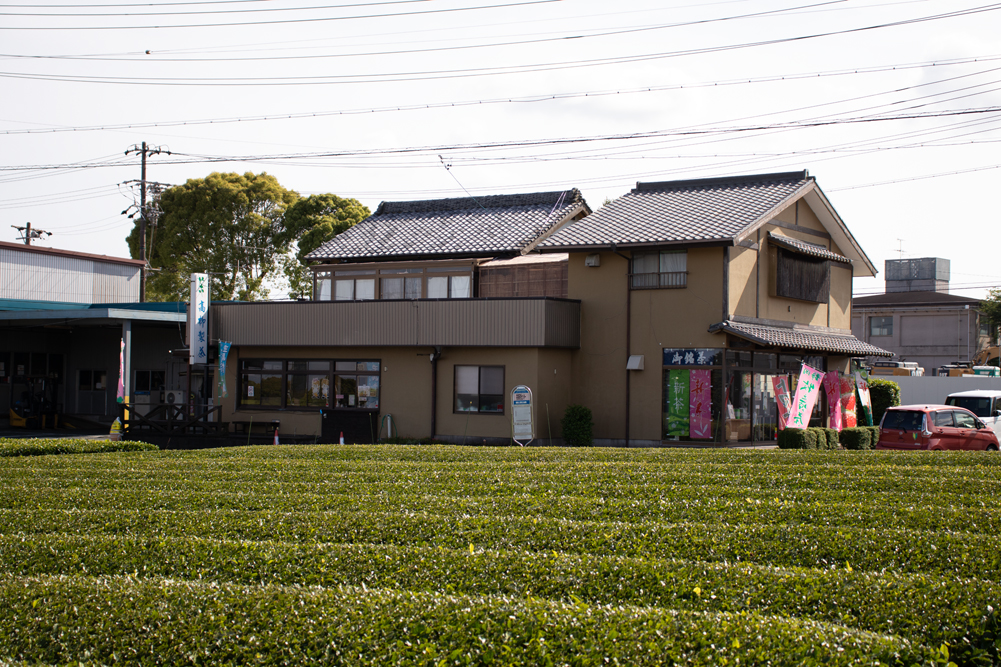
To do that, it is essential to promote tea more widely and expand the market. Alongside producing high-quality tea, we are also developing new products that use tea.
In addition, we are actively engaged in PR with tea shops, retailers and mass-market stores in different regions, with the aim of introducing tea produced in Shizuoka’s Makinohara, a well-known tea-growing area, to audiences outside the prefecture.
We also take part in trade fairs such as FOODEX, where we approach buyers directly. Through these opportunities, we continue negotiations so that Takayanagi Seicha’s tea can be stocked by specialist tea shops outside Shizuoka.
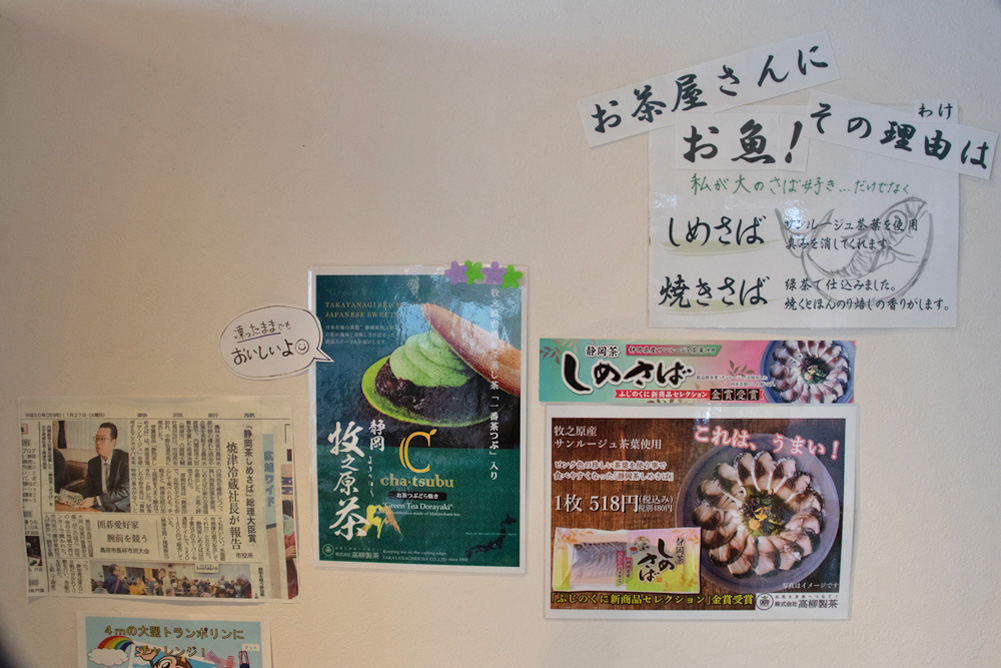
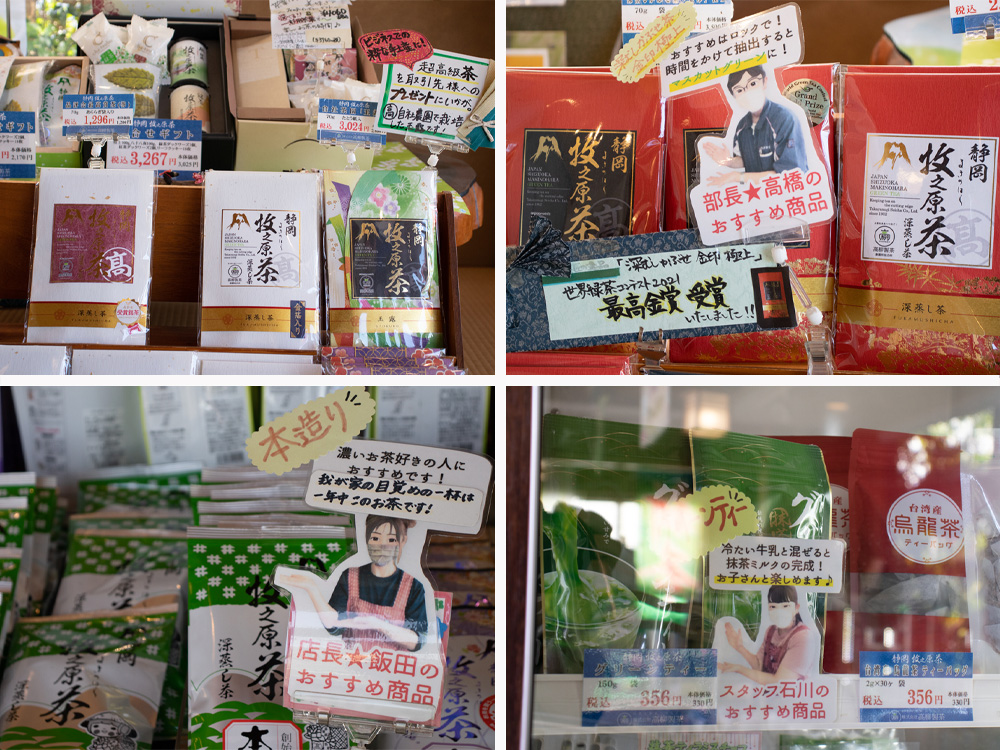 ▲Takayanagi Seicha also places emphasis on careful product presentation, including the creation of display cards tailored to each retail setting.
Confident in Quality, but Still Not Selling? The Market Barrier Revealed by Selling Shizuoka Tea Outside the Prefecture
— How are you finding the effort to sell tea produced in Makinohara, Shizuoka, to customers outside the prefecture?
As Takayanagi Seicha, we take part in trade fairs with Shizuoka tea that we can present with complete confidence in its quality. To be frank, however, it is not easy to break into markets that have already been established by other companies.
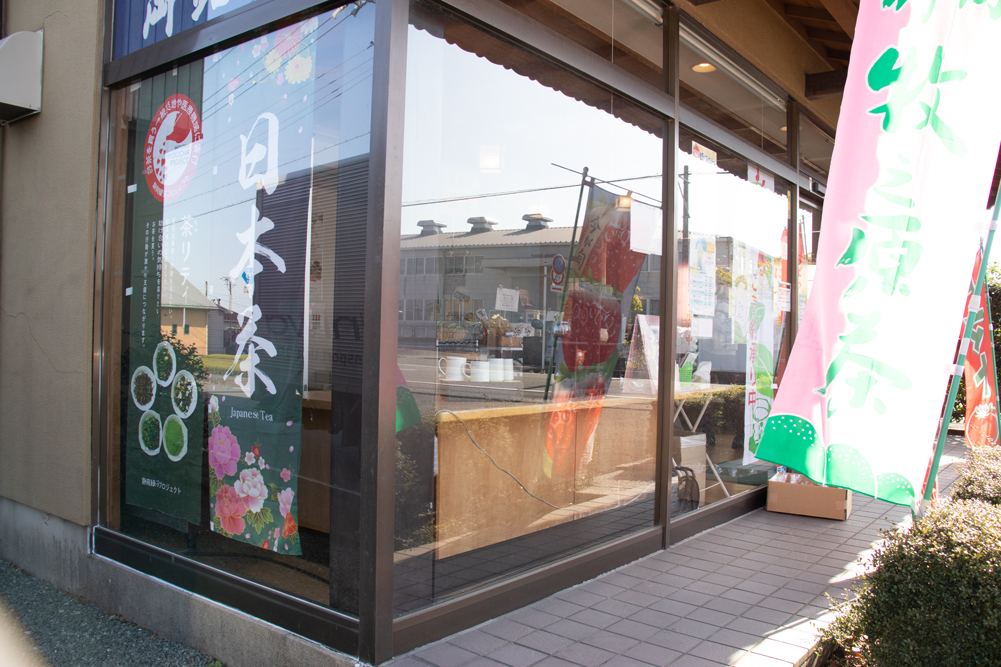
Many tea specialists and retailers outside the prefecture already have fixed suppliers, and it is very unusual for them to change them. If a business sources tea from several producers, there may be some room for review in part, but in most cases the overall trading relationship is already fixed, with trust built up over many years. This may also be related to the fact that tea is a traditional consumer product.
Even if we were added as a new supplier, there is a limit to the volume we could deliver from the outset. And even if a retailer begins to stock a new tea, if sales do not increase, it simply results in a larger product range. That serves no purpose.
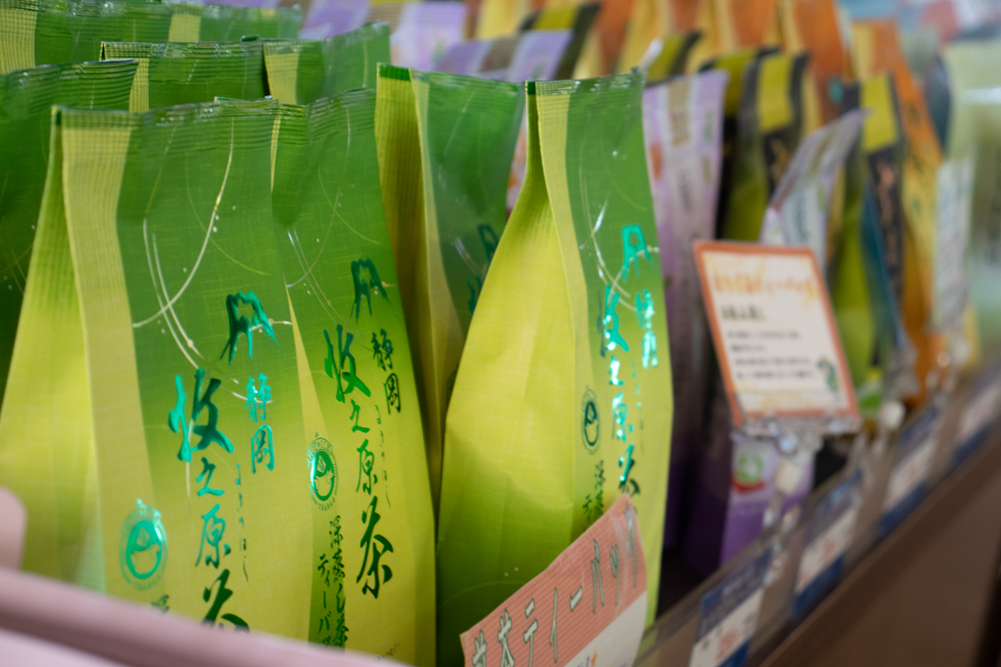
At present, there is enough supply of leaf tea, and there are already enough trading partners. However, overall tea sales are not growing, and there are signs of a slight decline. The market is already saturated, and competition is becoming more intense.
Co-creation over competition: Takayanagi Seicha’s view of the future of the tea industry
— So, in practice, many tea specialists and retailers already have long-standing suppliers in place, leaving very little room for new entrants. And the market itself is also shrinking.
We work hard to promote tea from Makinohara, and we are confident in its quality. Producing good tea is a given. In manufacturing, we maintain a thorough hygiene management system, and we have obtained a range of certifications and qualifications. We also introduced HACCP operations in the lead-up to the Olympics.
All of this comes from our wish for customers to feel confident when they choose tea from Takayanagi Seicha. That is the reality.
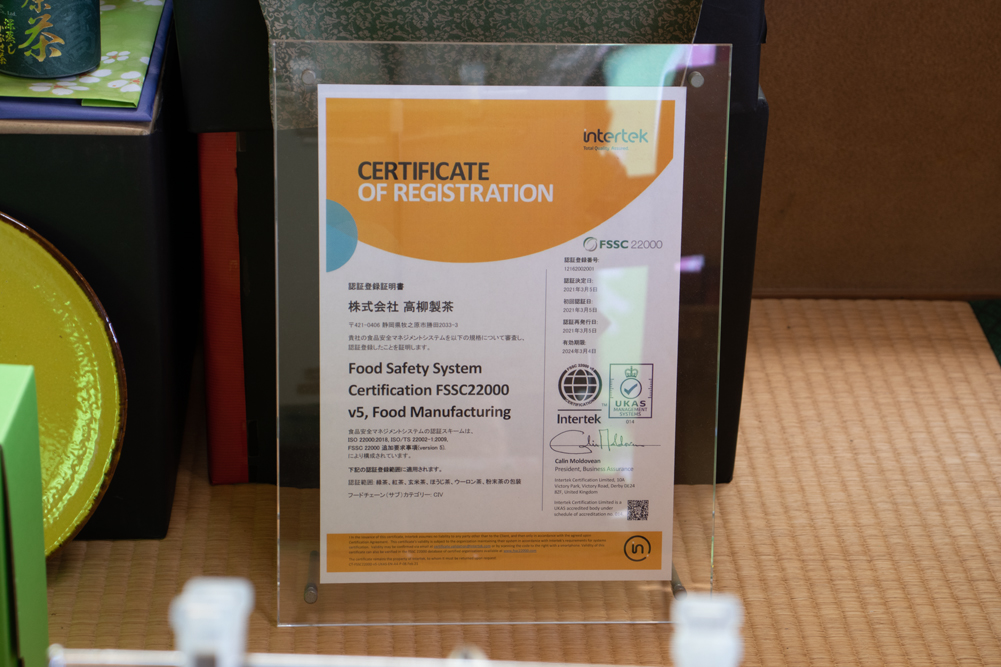
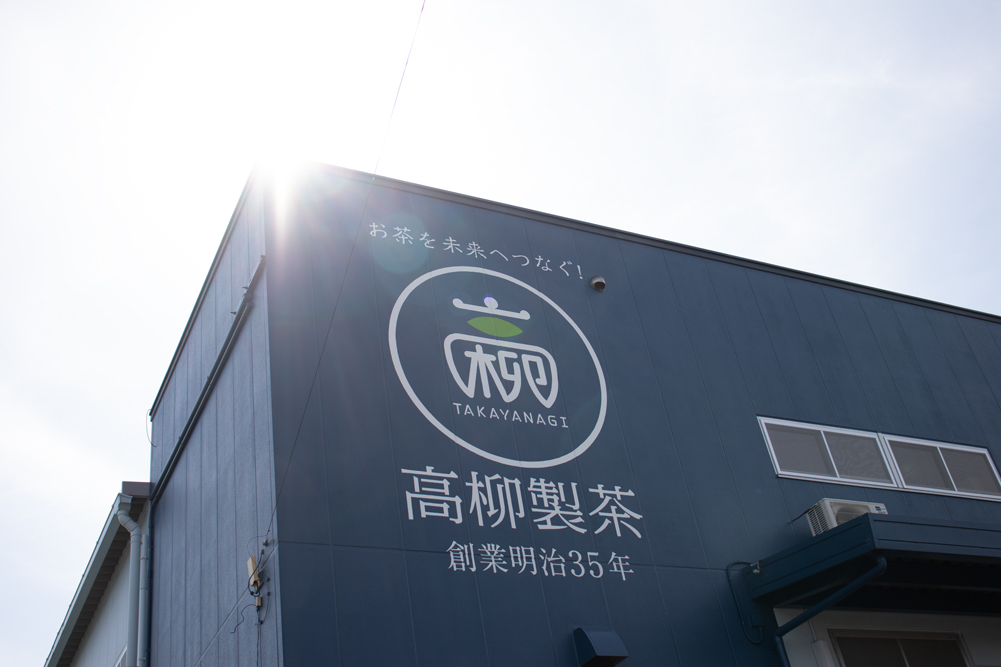
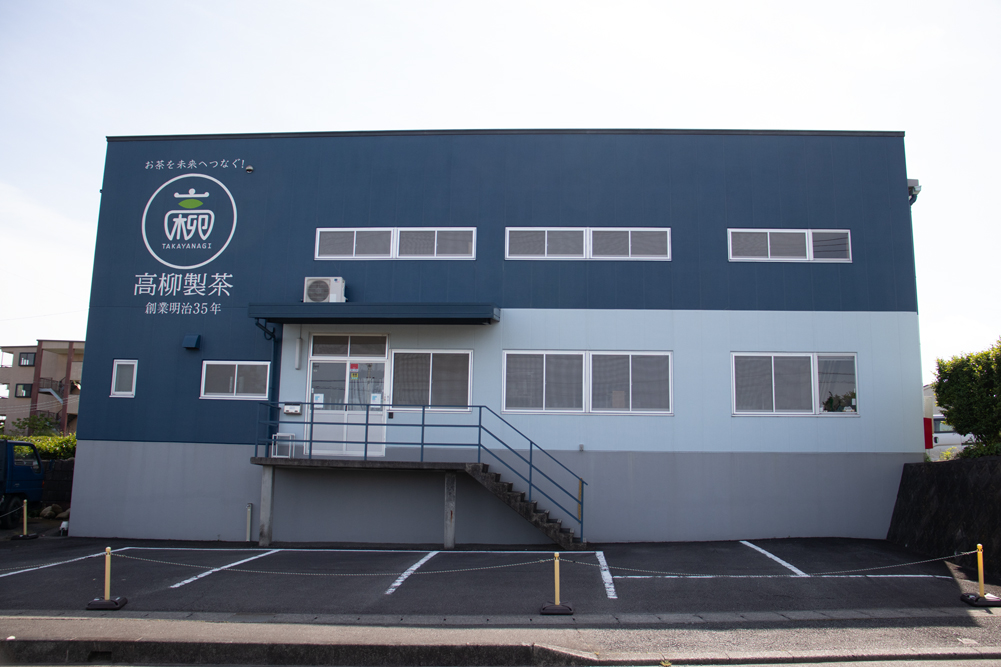 ▲Takayanagi Seicha’s factory. This is where both tea production and the manufacture of tea sweets take place.
Some buyers may feel that they would like to source our Makinohara tea rather than continue with the suppliers they have worked with for many years.
Even so, Takayanagi Seicha’s guiding principle is to carry tea into the future. Other companies surely share the same desire to expand the tea market. That is why we regard businesses with that outlook as fellow partners.
We have no intention of taking market share from those partners, nor do we want to engage in excessive price-cutting competition that would harm the tea industry as a whole. What matters is finding the best way to deliver high-quality tea at a fair price.
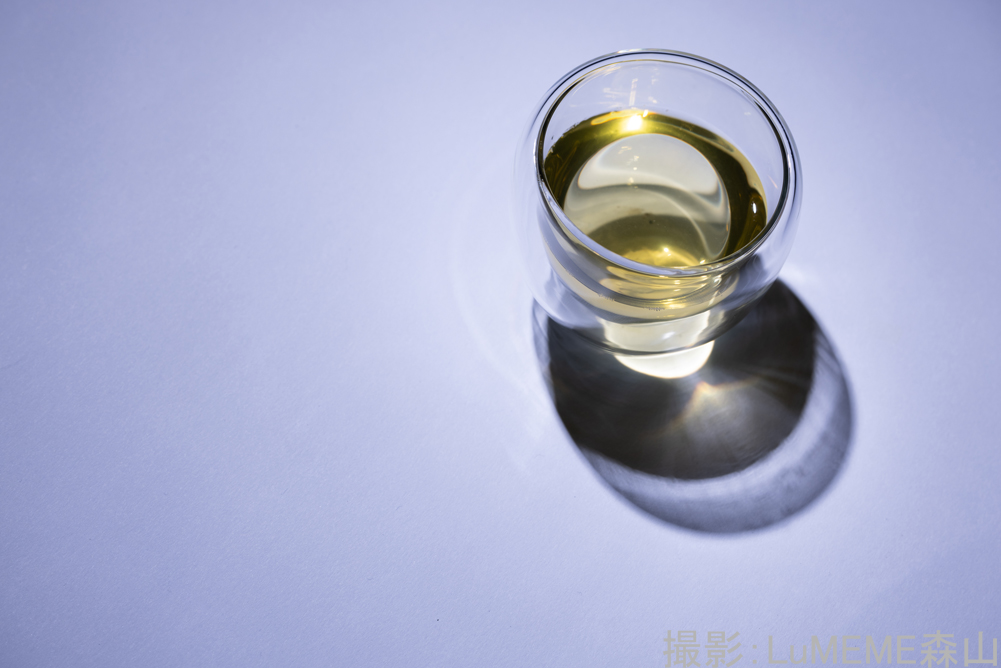
Not Just Leaf Tea: Behind the Scenes of a Sweets and Bottled Tea Strategy Shaping Tea’s Future
–Indeed, offering high-quality tea at an appropriate price is extremely important. From that perspective, marketing also becomes an important consideration.
Tea specialists and retailers are making various efforts to increase sales. However, when looking at the sales mix, products other than leaf tea are becoming more prominent.
These include tea bags, powdered tea, tea-based sweets, and confectionery that pairs well with tea. It is also not unusual for sales not to correspond directly to the amount of shelf space allocated in store.
In response to these market changes, we have been developing products from new angles, including sweets and drinks, in order to communicate the appeal of tea to a wider audience. Among them, several products have received particularly strong recognition.
One product attracting particular attention is Makinohara no Shizukucha Premium PET Bottled Japanese Tea. It is made using Takayanagi Seicha’s high-quality tea leaves, with close attention paid to every stage of production. We have complete confidence in its taste, and buyers are often surprised by its quality when they sample it.
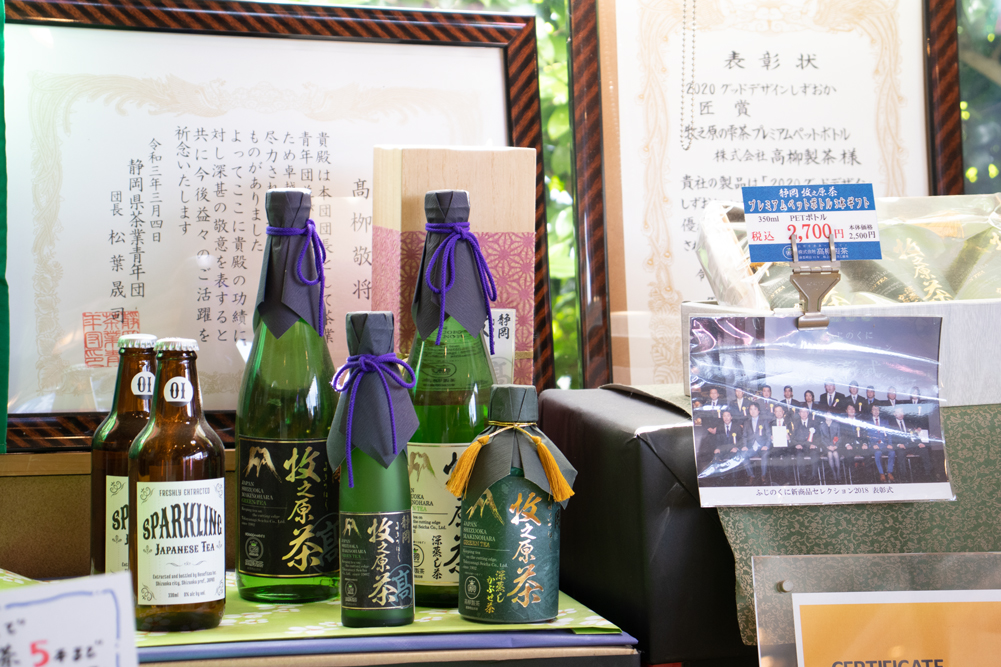 ▲Through the development of products such as sparkling tea and premium bottled tea, Takayanagi Seicha has received a range of awards.
Speaking personally, I find it even more delicious than tea brewed in a kyusu. It has been adopted by trading companies that share our philosophy, as well as by luxury hotels and restaurants. The product is also stocked at Shizuoka Airport, Haneda Airport, and well-known hotels in Tokyo.
Ocha Tsubu Leaf Cookies have also been very well received, with annual sales of around 700,000 pieces (7 tonnes). Going forward, we plan to continue using new products as an entry point to tea, while expanding the range in diverse directions.
“The Possibilities of Experience”: What Overseas Expansion Has Shown Beyond Simply “Drinking” Tea
— We often hear that exports of Japanese tea are increasing. How do you see that trend?
There is no doubt that interest in Japanese tea is growing overseas. We have a member of staff in Poland, and each tea-brewing workshop held at venues such as the embassy attracts around 50 participants. The age range is also broad, and people of all ages, both men and women, show an interest in Japanese tea.
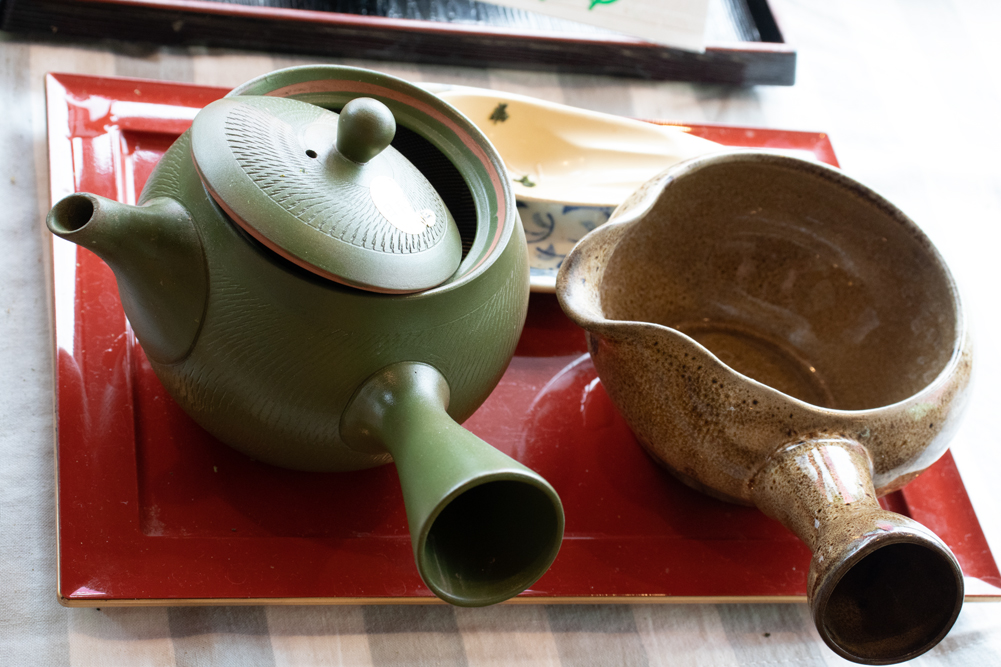
In fact, at trade fairs outside Shizuoka Prefecture, we had not previously offered many experiences such as brewing tea in a kyusu and serving it for tasting. The reason was simple: that alone was not enough to attract buyers’ interest.
However, in Poland, when we carefully explain that we have come from Japan and talk about how the tea is produced, people listen with great attention. The tasting sessions have also been very well received, and this has once again made us realise that experience is key to overseas expansion.
As we continue to pursue exports, we are also considering a shift to organic cultivation. That said, it is still unclear how much demand there is for high-priced organic tea. Current demand for Japanese tea cannot necessarily be assumed to transfer directly to organic tea, so more detailed market data is needed.
There is also the issue of tariffs, which inevitably push prices up, along with many other challenges.
At the same time, it is also true that some overseas visitors come to Japan in search of Japanese tea. They seem to be drawn not only to the tea itself, but also to its story and background. That is why conveying the appeal of tea through experience and story, and connecting that to sales and purchase, feels to us like an important part of carrying Japanese tea into the future.
Takayanagi Seicha – Makinohara Main Store
| Address | 2310-4 Katsuta, Makinohara, Shizuoka 421-0406, Japan |
| Website | https://www.makinohara-cha.com/ |
| Phone number | +81 (0)548-27-2325 |
| E-money and credit cards | E-payment and major credit cardsavailable |
| Open | 9:00 am – 5:00 pm (Weekdays) 9:00 am – 5:00 pm (Weekends and public holidays) |
| Closed | Open every day of the year |
| Parking lot | 14 spaces available at the front and rear of the shop |
| Access | Approximately 2 km north of Sagara-Makinohara Interchange by car. |
Takayanagi Seicha – Yaizu AEON Store
| Address | 555 Negishima, Yaizu, Shizuoka 425-0045, Japan |
| Phone number | +81 (0)54-656-2413 |
| E-money and credit cards | E-payment and major credit cardsavailable |
| Open | 9:00 am – 5:00 pm (Weekdays) 9:00 am – 5:00 pm (Weekends and public holidays) |
| Closed | Open every day of the year |
| Parking lot | Available |
| Access | Approximately 16 minutes by car from the Yaizu Interchange (inbound exit) on the Tomei Expressway. |
| Writer | Norikazu Iwamoto |
| Profile | Editor-in-Chief of OCHATIMES. Served as a judge for the Shizuoka 100 Teas Award from 2021 to 2025 and met with the Vice-Governor of Shizuoka Prefecture. OCHATIMES has been featured on or linked from the websites of the World O-CHA Festival, the University of Shizuoka Tea Science Center, the City of Green Tea Shizuoka, and Japan’s Ministry of Agriculture, Forestry and Fisheries. |
Related articles
-
Umegashima Club Chai Project, a tea farm in the secluded village of Umegashima (Umegashima Black Tea, Shizuoka)
Umegashima, located about an hour's drive from downtown Shiz...
OCHATIMES編集部
-
Honoring Tradition, Embracing Innovation: Chatsutei’s New Brand-Delicious Japanese Tea Laboratory-【Numazu City, Shizuoka Prefecture】
Located in Numazu City, Shizuoka Prefecture, Chatsutei is a ...
OCHATIMES編集部



 on the red bar to close the slide.
 to see the
distance between the current location to the Chaya.
to see the
distance between the current location to the Chaya.