

Insights from Dr. Yoriyuki Nakamura : Benefits, Culture, and History of Japanese Tea | University of Shizuoka Tea Science Research Center (Shizuoka City)
 Go to Japanese page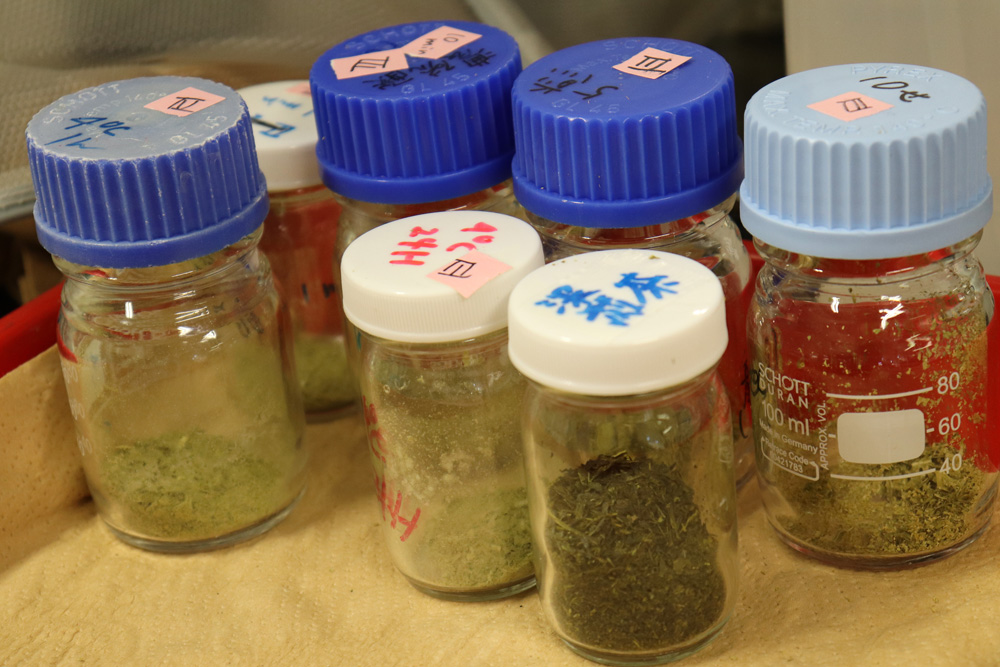
At the University of Shizuoka stands Japan’s first research institute dedicated exclusively to tea — the Tea Science Research Center. Here, research is conducted from multiple perspectives, from tea production and processing, history, nutrition, pharmacology, to business management. In addition to collaborations with other universities, the center works closely with public research institutions, government bodies, and the tea industry to advance the promotion and development of tea culture and commerce.
In this feature, we spoke with Dr Yoriyuki Nakamura, Director of the Tea Science Research Center, whose remarkable contributions to the advancement of the tea industry have earned him numerous awards. He shared his insights on the health benefits and enduring appeal of tea.
This article delves into the history and properties of tea, highlighting Dr Nakamura’s expert perspective throughout the interview.
Contents
- 1 Japan’s First Research Institute Dedicated to the Study of Tea: The University of Shizuoka’s Tea Science Research Center
- 2 Learn, enjoy, and explore tea in depth at the hub of tea research: Tea Science Research Center
- 3 The History and Evolution of Japanese Tea – Exploring Its Benefits and Allure
- 4 Tea’s Legacy of Health and Culture: From Gentle Preventive Medicine to a Beloved Beverage
- 5 Does Tea Help Prevent Colds, Influenza, and COVID-19? What Research Reveals
- 6 Delivering the Allure of Japanese Tea to the World — Research Achievements and International Exchange
- 7 Information Of the Center for Tea Research
Japan’s First Research Institute Dedicated to the Study of Tea: The University of Shizuoka’s Tea Science Research Center
In May 2013, the University of Shizuoka established Japan’s first comprehensive course in tea science. This pioneering programme approaches tea from multiple academic perspectives—covering its production and processing, nutrition, pharmacology, and even business management.
In addition to partnerships with other universities, the programme also collaborates with public research institutes, government bodies, and tea industry officials to promote the advancement of tea culture and industry.
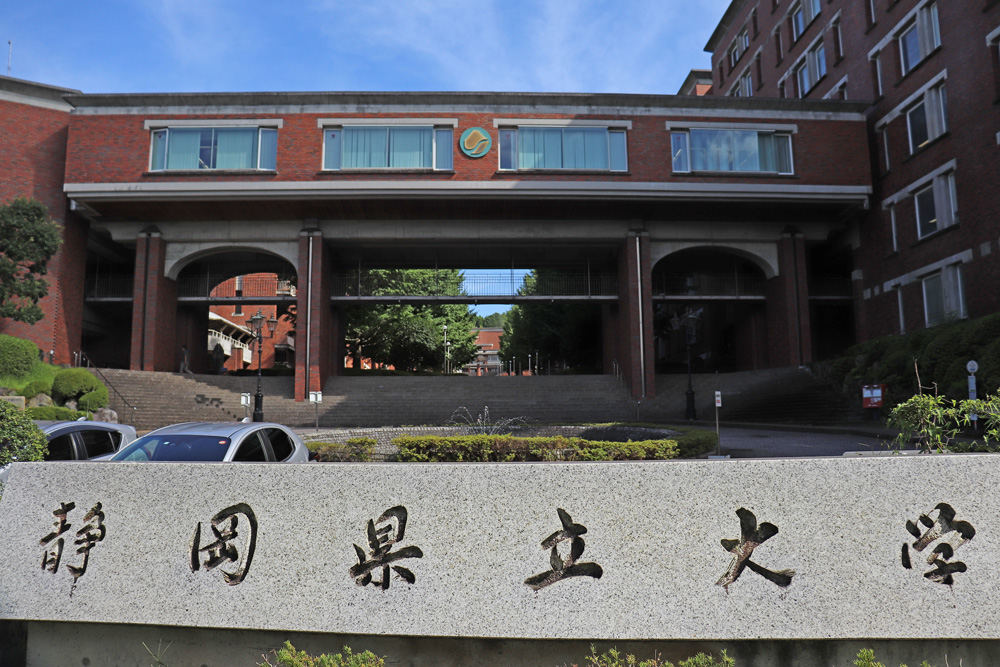
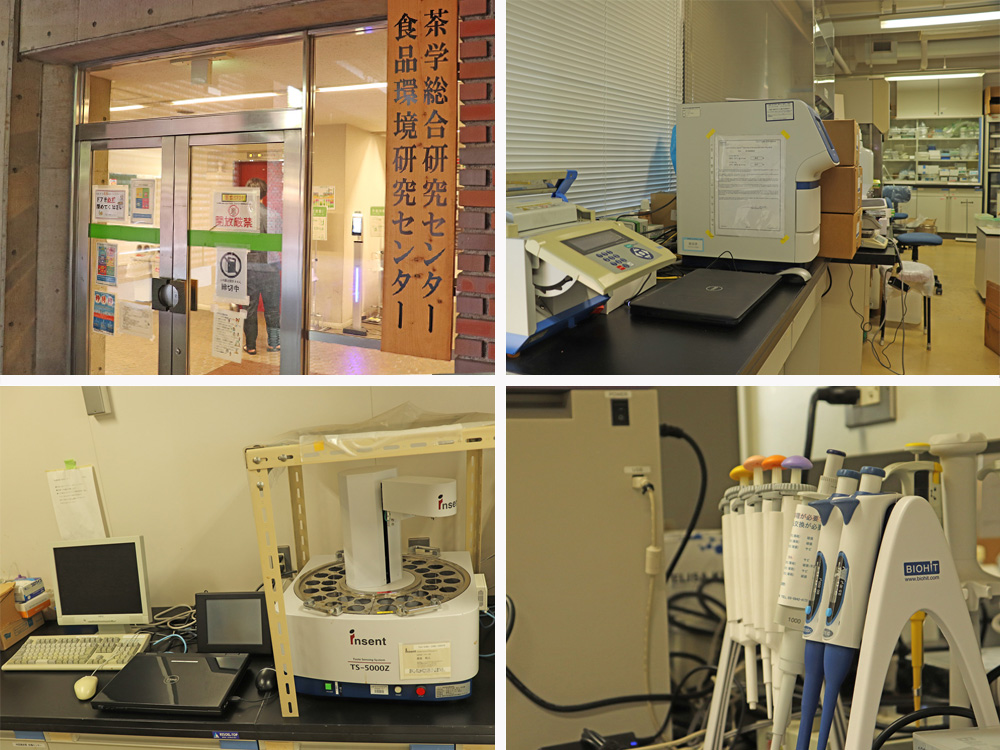
In April 2014, in an effort to centralise information related to tea and strengthen cooperation among academia, industry, government, and local communities, the programme was renamed the Tea Science Research Center.
Since then, the center has achieved numerous research milestones and has continued to share its findings publicly.
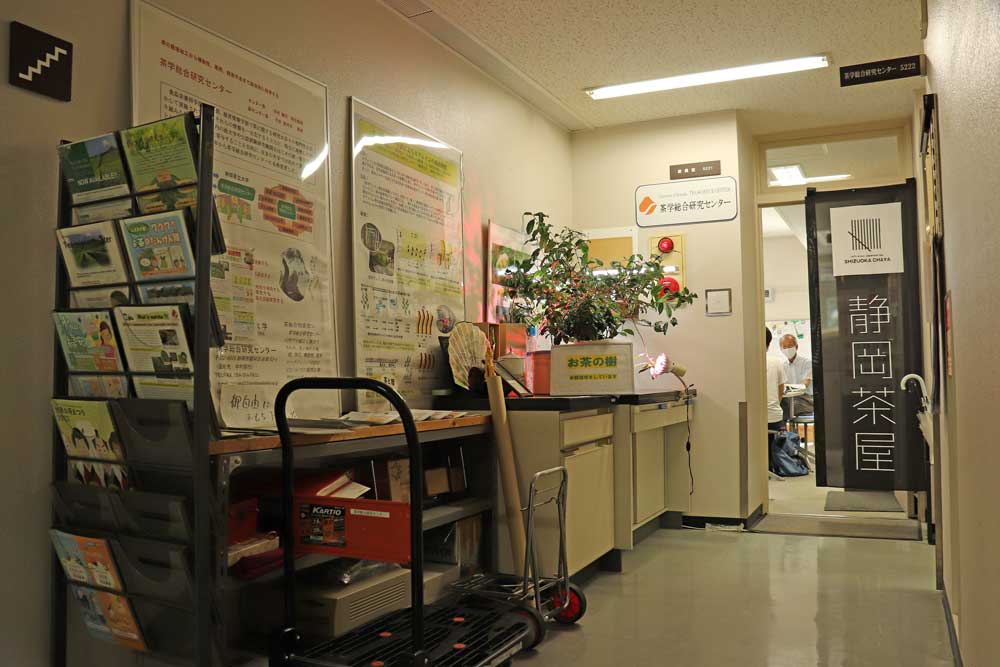
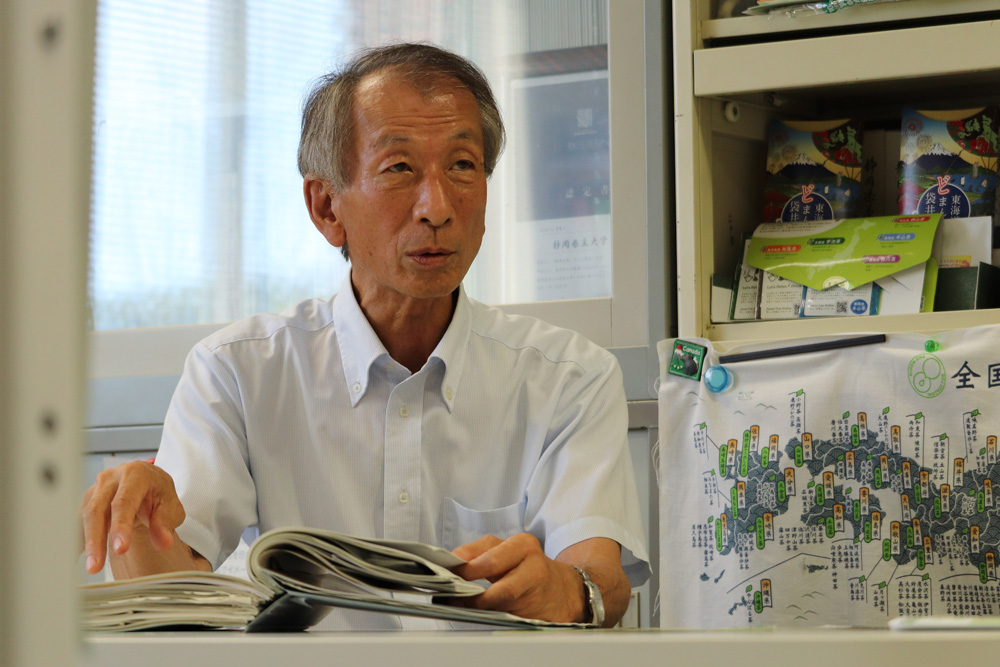
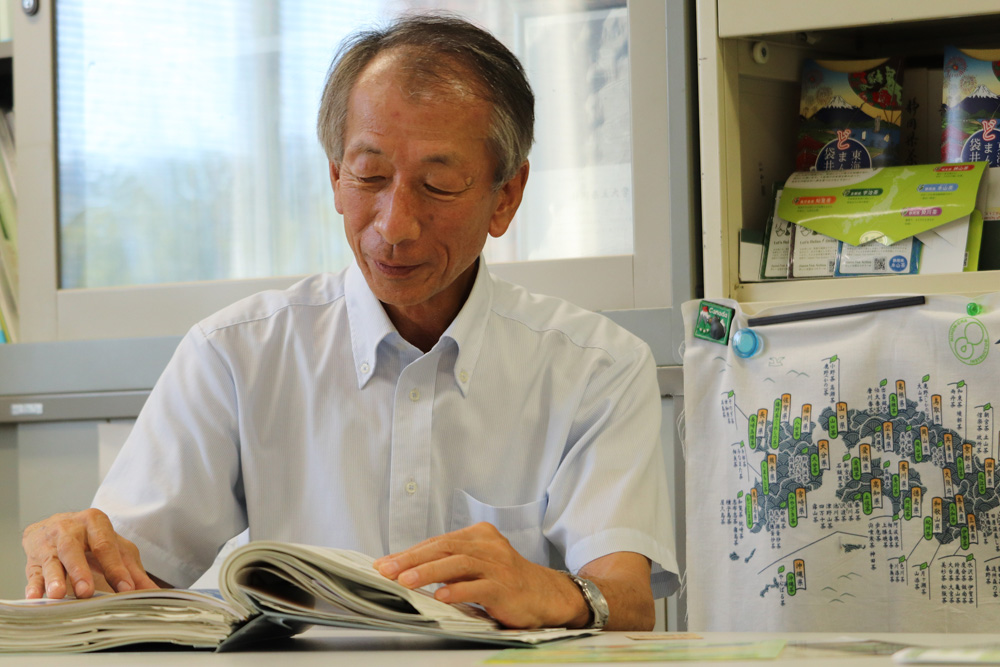
On this occasion, we spoke with Dr. Yoriyuki Nakamura(click here for detailed profile), who conducts research at the Tea Science Research Center on value-added tea products, marketing strategies, and consumer preference analysis of Shizuoka-grown tea leaves and tea beverages, to learn more about the health benefits and enduring appeal of tea.
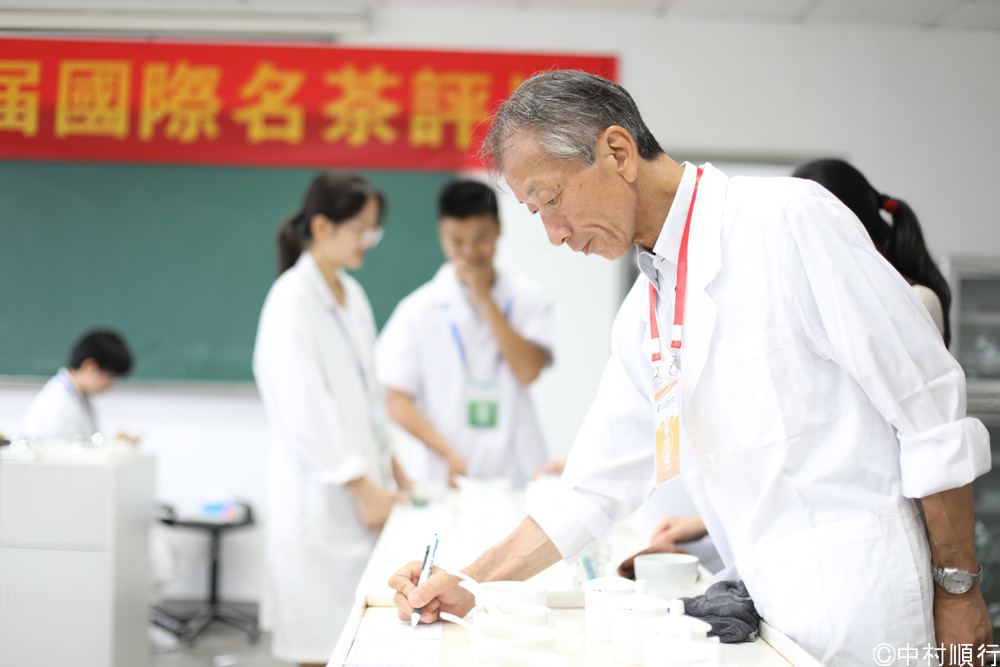
Learn, enjoy, and explore tea in depth at the hub of tea research: Tea Science Research Center
(Located about 20 minutes by car from Shizuoka Station, within the Faculty of Food and Nutritional Sciences at the Kusanagi Campus of the University of Shizuoka, you’ll find the Tea Science Research Center.)

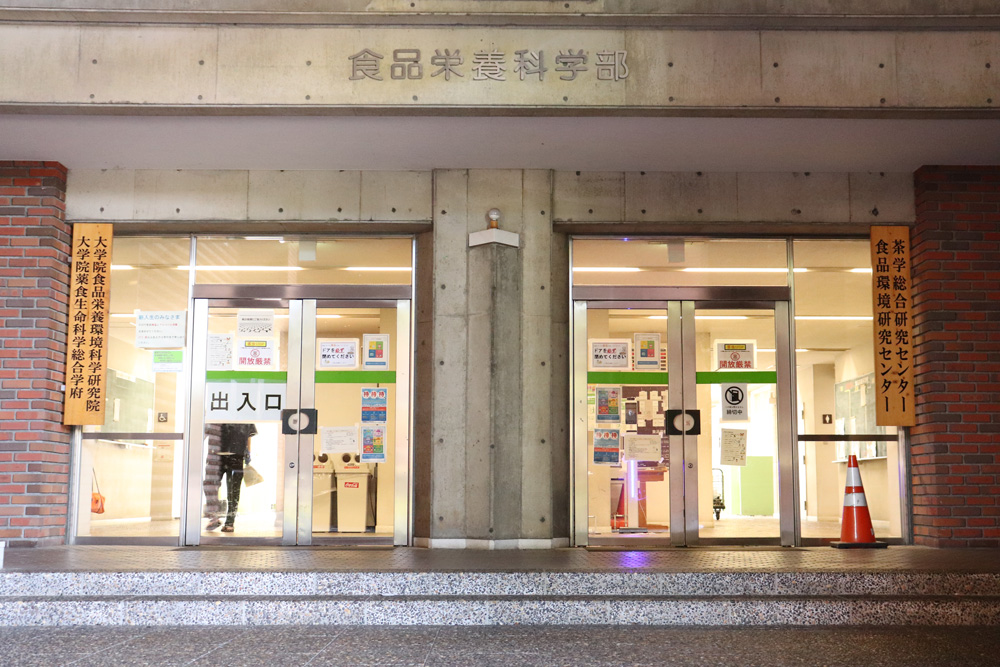
— I didn’t realise such a facility existed in Shizuoka. I live here myself, yet this is the first I’ve heard of it.
Indeed, this is Japan’s first comprehensive research center dedicated entirely to tea. The University of Shizuoka is home to numerous experts across various fields of tea research, and through its extensive global network, it provides access to a wealth of data from around the world.
The official website of the Tea Science Research Center features a contact form for tea-related inquiries. This reflects the center’s proactive stance — a commitment to “answer any question about tea” — made possible by its wide network of specialists in every area of tea research.

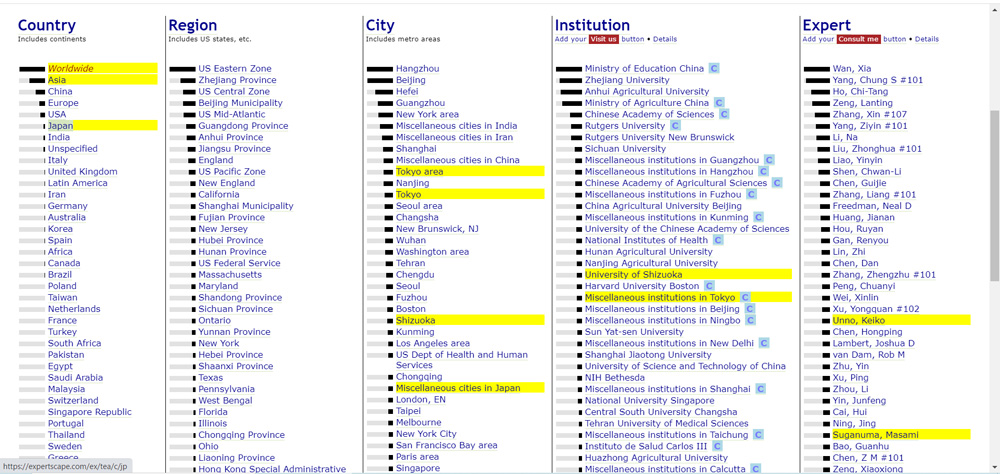 ▲The University of Shizuoka is also listed on ExpertScape, a global database that covers researchers from all fields worldwide.
— There really are so many researchers involved, aren’t there?
The field of tea research is vast and varied. It’s impossible for one individual to cover every area, but if necessary, I can introduce researchers listed here who specialise in specific topics.
— I see. So, Professor Nakamura, you also serve as a point of contact connecting people with tea experts across different fields?
Yes, exactly. Since we have such a valuable platform in the Tea Science Research Center, I want to make it as accessible and far-reaching as possible. In addition to daily research and teaching at the university, we also organise lectures about tea for the general public.
— So, you also hold lectures open to the public?
Yes. The health benefits of tea are widely recognised by the general public, but I hope to share tea’s deeper, multifaceted appeal with more people. That’s why I deliver lectures on a variety of themes.
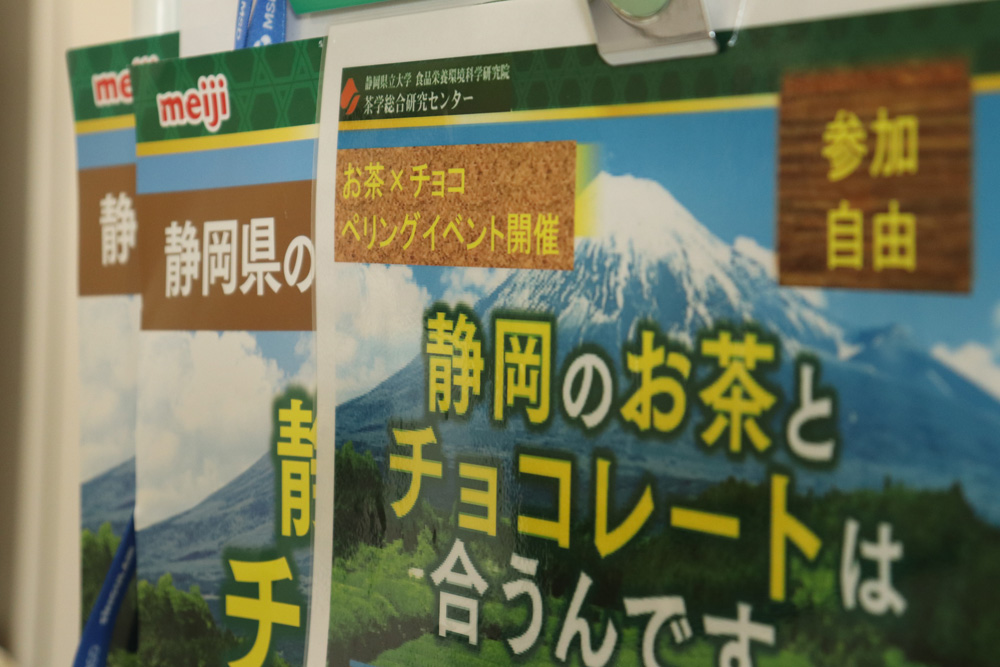 ▲ We also collaborate with companies such as Meiji Seika to host unique events — for example, pairing tea with chocolate — offering people new ways to discover and enjoy tea.
The History and Evolution of Japanese Tea – Exploring Its Benefits and Allure
At some of my lectures, I talk about the history of tea. By tracing its long journey, we can gain insights into how tea will continue to evolve in the future. When people begin to wonder why tea has taken the path it has, their curiosity deepens, and their understanding grows.
— The evolution of Japanese tea, is it? That’s a fascinating topic.
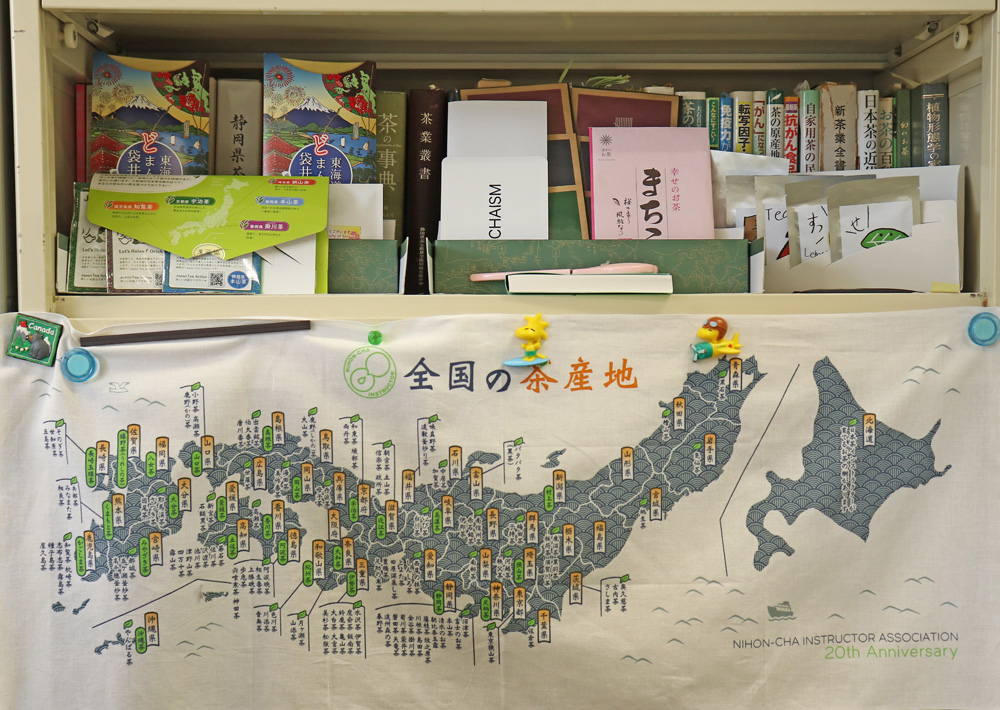
Tea was first introduced to Japan during the Nara period. Since then, it has evolved through the ages—from matcha to sencha, and eventually to bottled tea—changing form with each era until it became what we know today.
During the Edo period, tea culture seemed to diverge into two major streams: the way of matcha and the way of sencha. Yet, in the end, both became deeply rooted in everyday life as a shared cultural tradition known collectively as Japanese tea.
Having undergone centuries of refinement, Japanese tea is now drawing worldwide attention for its health benefits. In fact, the BBC once came to Japan to feature tea and natto as examples of Japanese superfoods—they even filmed right here in this very room.
In recent years, teas with enhanced functional properties have been developed and are sold under Japan’s two major categories of health-labeled, government-approved foods- ‘Foods for Specified Health Uses’ (FOSHU) and with ‘Foods with Function Claims.’ I often conclude my lectures by sharing these latest developments and reminding everyone, with a smile, that ‘tea really is good for your health.’
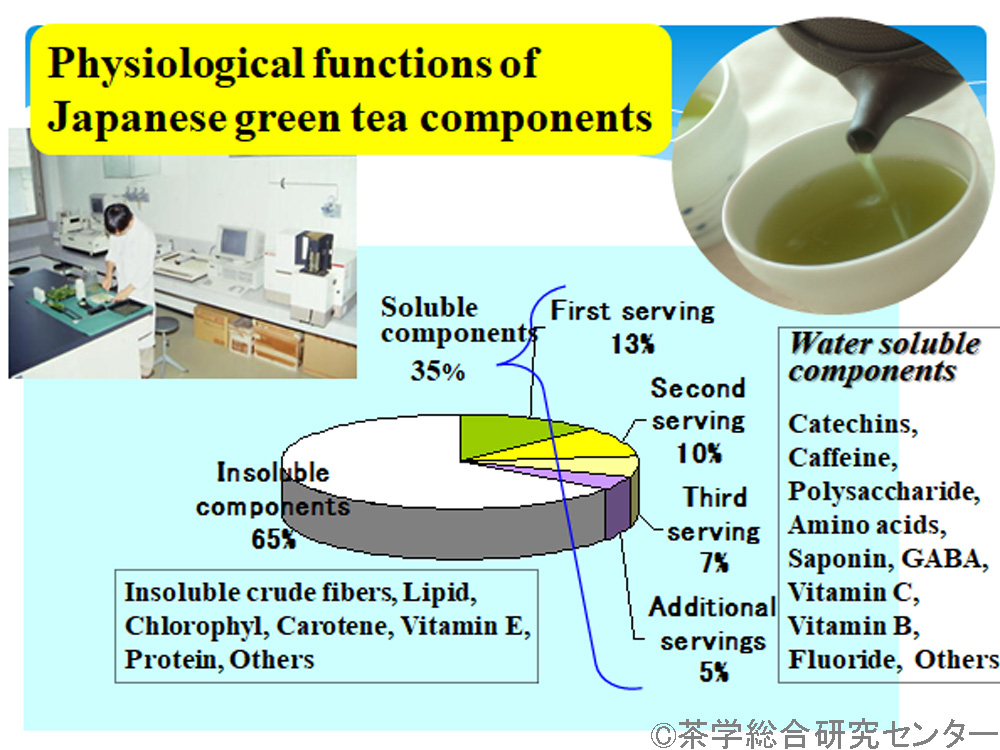
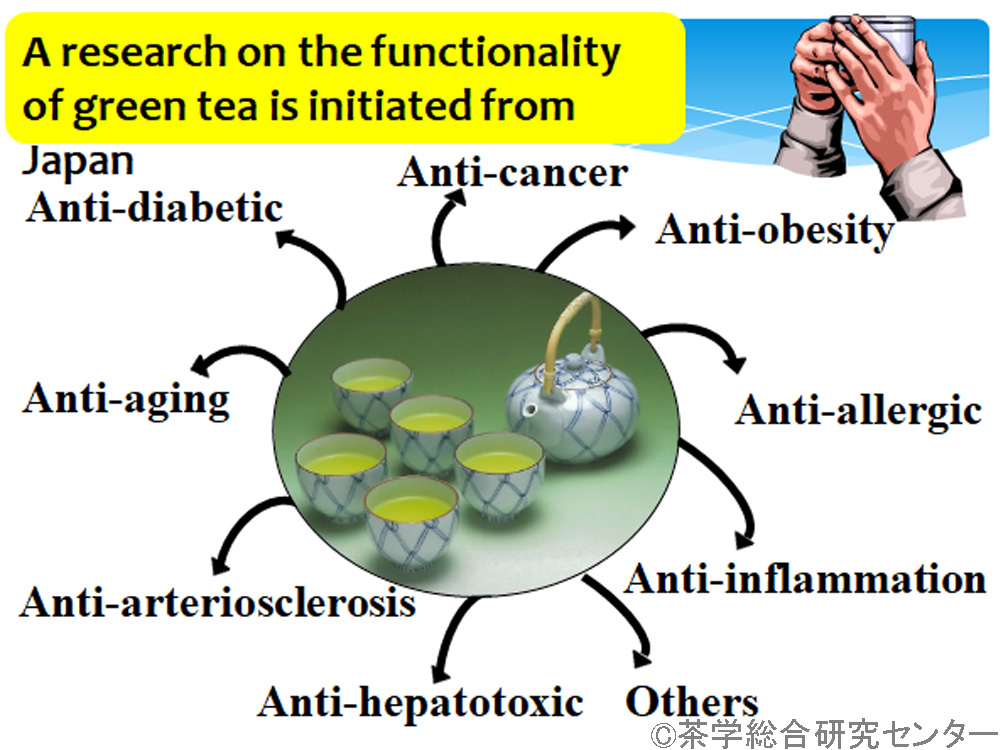
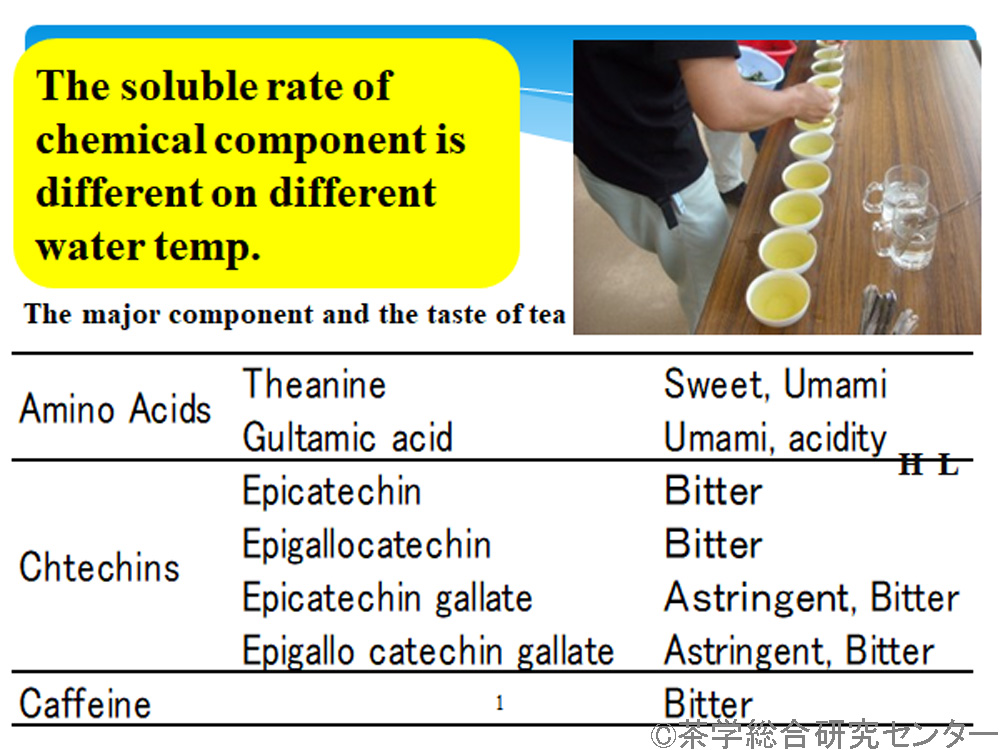
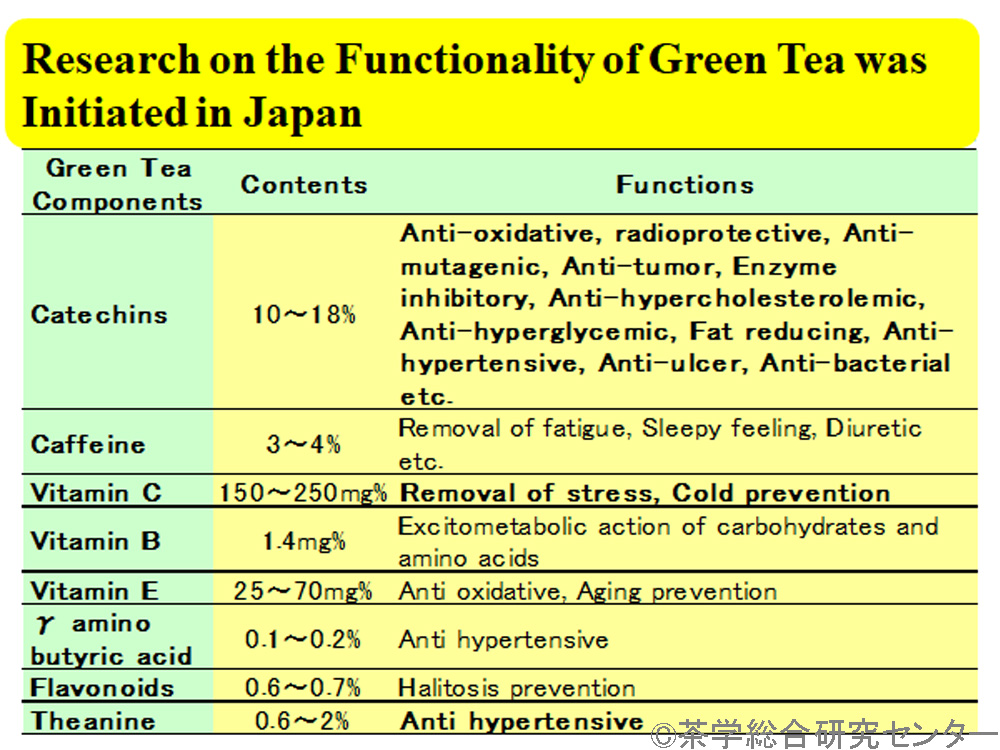 ▲Materials prepared by Dr. Yoriyuki Nakamura clearly summarise the benefits of tea, offering easy-to-understand explanations of the roles played by vitamins, catechins, theanine, and more.
Tea’s Legacy of Health and Culture: From Gentle Preventive Medicine to a Beloved Beverage
— You’ve had people come all the way from the UK to interview you about Japanese tea. In Europe, tea tends to conjure up images of black tea, yet it seems Japanese tea is also gaining popularity.
Tea was introduced to Europe in the 16th century. At the time, it drew attention not only as a drink that embodied Europe’s fascination with the Orient but also for its reputed health benefits.
However, debates over the authenticity and effectiveness of these health claims continued in Europe for more than fifty years.
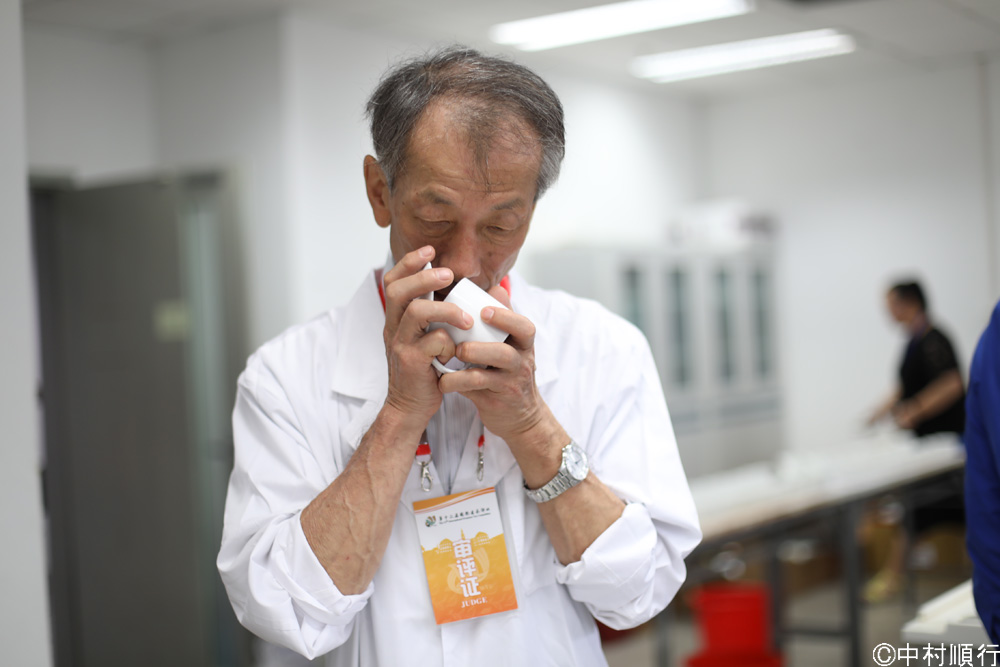
— So tea’s health benefits have long been a subject of interest overseas. What benefits does it actually offer?
In ancient times, before the advent of chemical drugs or modern medicine, people relied on natural remedies—medicinal herbs and traditional Chinese medicine derived from them. Within that tradition, medicines were categorised into ‘superior’ and ‘inferior’ classes.
Substances like tea, which were gentle in effect and believed to promote health and longevity when consumed daily, were highly esteemed as ‘superior medicines.’ By contrast, more potent substances such as aconite were regarded as ‘inferior medicines.’
Tea, with its mild properties and minimal risk of side effects even when drunk regularly, came to be valued not as a treatment for illness but as a preventive medicine—a gentle companion in the long history of human health and wellbeing.
— In other words, tea served as a gentle form of ‘preventive medicine.’
If the effects of tea were too strong, we would also have to consider the risk of side effects. Yet, tea has been consumed for over a thousand years, proving its safety beyond doubt. It has, in that sense, fulfilled its role as a superior remedy.
However, had people focused solely on its functional properties, tea might have been treated as a medicine rather than embraced as a cultural tradition.
Over time, through a fascinating course of history, green tea evolved into black tea and took root in Europe as a beloved everyday beverage. Eventually, it spread across the globe, cherished by people everywhere. The transformations it underwent along the way remain an endlessly intriguing subject—both scientifically and culturally.
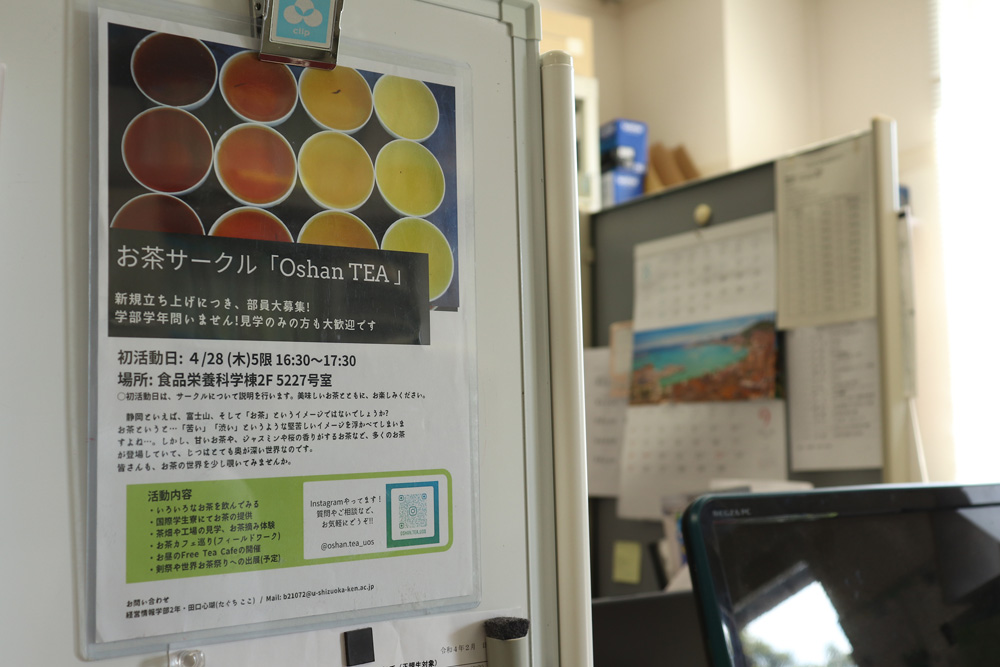
Does Tea Help Prevent Colds, Influenza, and COVID-19? What Research Reveals
— I have heard claims that tea can help ward off colds, influenza, or even COVID-19 — but how much of this is actually true?
When you catch a cold, symptoms such as a sore or swollen throat often appear. These are caused by what’s known as an upper respiratory tract infection (URTI). Tea is believed to help prevent such infections, while compounds like theanine and vitamin C are known to support the immune system.
Moreover, a number of basic studies have shown that catechins — key compounds found in tea — can inhibit influenza virus infection. The mechanism is thought to involve catechins binding to spike proteins on the surface of the influenza virus, thereby preventing it from attaching to human cells.
Interestingly, influenza viruses and coronaviruses share certain structural similarities — which has led researchers to explore whether tea might have comparable effects against COVID-19 as well.

Now, let’s look at the question: ‘Can tea help against COVID-19?’
This is a question we often receive. As of now, there is no conclusive scientific evidence proving its effectiveness in humans.
However, laboratory experiments have shown that tea can act on the coronavirus under controlled conditions, with many studies reporting striking effects. For instance, research led by Professor Matsuda at Kyoto Pharmaceutical University demonstrated that tea can deactivate the coronavirus present in saliva.

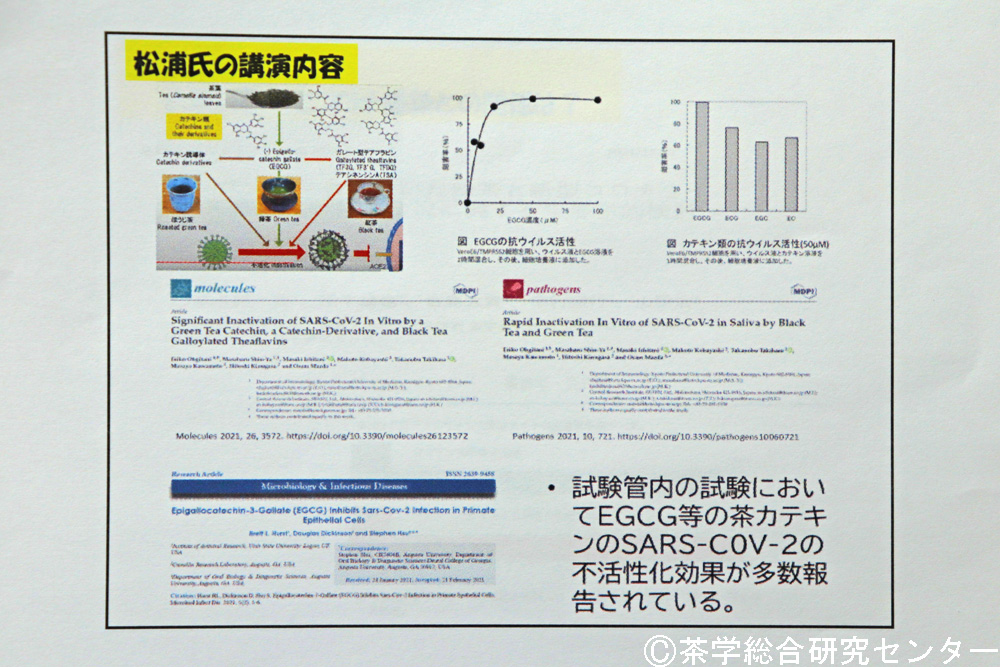
That said, these are in-vitro results, and we cannot assume the same effects will occur in the human body. Tea only passes through the oral cavity; it does not reach the back of the nasal passages, nor does it fill the entire mouth. Even if tea temporarily reduces viral presence, remaining viruses could multiply again.
This point is somewhat similar to the relationship between tea and cancer research. In laboratory studies, tea has been shown to exert strong effects on cancer cells, yet whether these findings apply to humans remains uncertain.
In reality, various factors influence how tea behaves in the body — including temperature and concentration at consumption, genetic background, gut microbiota, and lifestyle habits such as smoking and alcohol intake. These factors can also vary by country and ethnicity.
Therefore, it is difficult to draw a simple, definitive conclusion.
Delivering the Allure of Japanese Tea to the World — Research Achievements and International Exchange
— From what you’ve shared so far, it’s clear that tea has proven health benefits. However, unlike antibiotics, it doesn’t impose strong effects on the human body, does it?
That’s right. As shown by in-vitro studies, tea certainly has beneficial effects and is classified as a “superior medicine” in traditional Chinese medicine. However, it differs from Western pharmaceuticals—it’s not something you’ll find lined up in a chemist’s shop.
Tea is, first and foremost, an everyday beverage—best regarded as a reliable companion that supports our wellbeing.
— So, it’s probably wise to avoid the idea that ‘even if I live on junk food, I’ll be fine as long as I drink healthy tea,’ as a sort of act of repentance.
Exactly. If someone constantly overindulges or eats unhealthily, even drinking the most expensive FOSHU or FFC certified tea won’t deliver its full benefits (laughs). I believe the shortest path to good health is to maintain sound lifestyle habits while enjoying tea as part of everyday life.
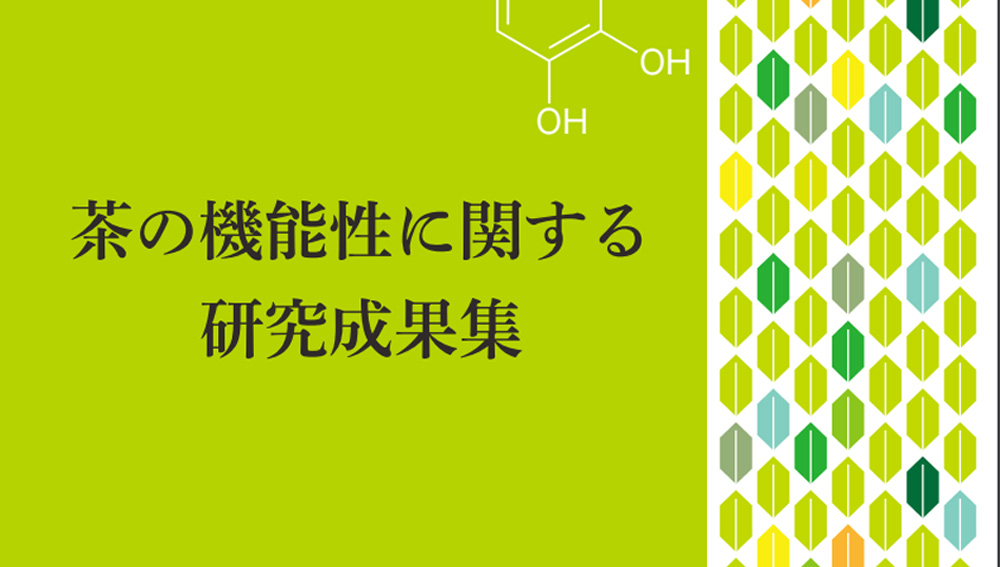
For those who’d like to learn more, the Shizuoka Prefectural Government’s Tea Promotion Division has published a Research Achievements Collection. This document compiles studies on the functional properties of tea, including those exploring its potential effects against COVID-19.
It’s available as a downloadable PDF, so please visit the Tea Promotion Division’s website to take a look (you can also click the image below). The research findings are clearly summarised and provide an excellent opportunity to deepen your understanding of tea’s many benefits.
— I sincerely hope that the appeal of Japanese tea—including its many health benefits—will continue to spread around the world. Even among Japanese people, there is still much that remains little understood. Now that interest in Japanese tea is growing overseas, it is all the more important that its true essence be conveyed accurately.
In fact, several initiatives are already underway. For example, in 2022 the International Japanese Tea Association launched a new project called the Japanese Tea Evangelist programme.
The initiative invites university students who aspire to study abroad to gain an in-depth understanding of Japanese tea, and then share their knowledge of both Japanese tea and culture while overseas.
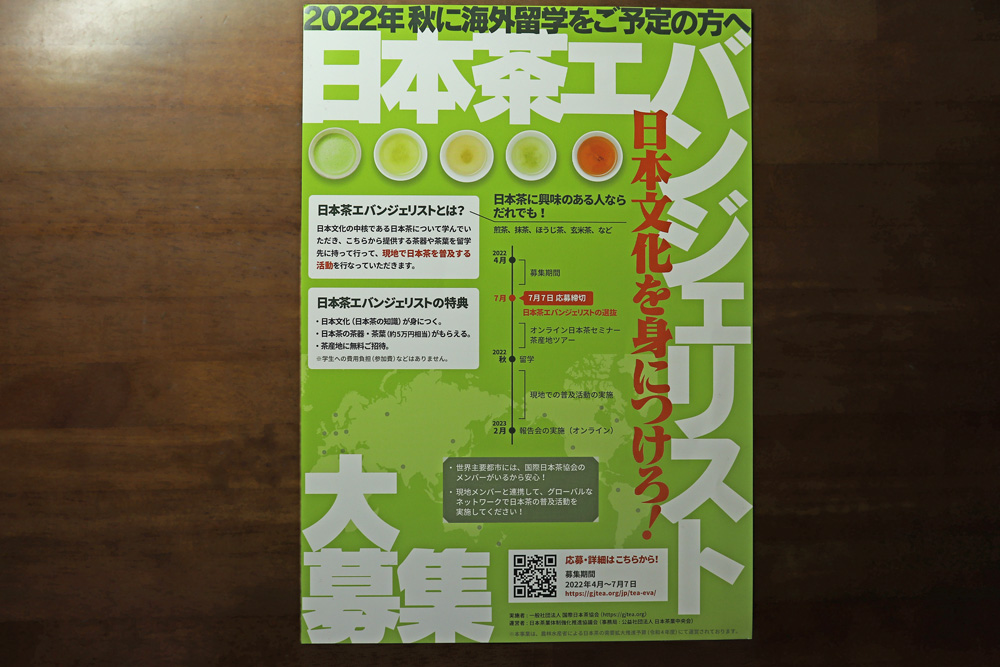
This programme has become an opportunity for students to rediscover their Japanese identity while deepening their appreciation of Japanese tea. Many participants preparing to study abroad realise that they had not fully understood the cultural background of Japanese tea.
— It sounds like a wonderful initiative. Which countries do Japanese students most often choose for their study abroad destinations?
Most of them choose Europe. Tea culture has long been an integral part of European life, and people there possess a deep understanding of its background. Yet, how well do they truly understand the history and culture of Japanese tea?
In reality, only a small number of people can accurately explain the differences between Japanese green tea and Chinese green tea. That is precisely why I hope these Japanese Tea Evangelists will take the lead in sharing such knowledge abroad—with passion and authenticity. (laughs)
Information Of the Center for Tea Research
| Address | 52-1, Yada, Suruga-ku, Shizuoka City, Shizuoka Prefecture, 422-8526, Japan |
| Website | https://dfns.u-shizuoka-ken.ac.jp/labs/tsc/index.html |
| Phone number | 054-264-5822 |
| Open | Contact Center of Tea Research |
| Closed | Contact Center of Tea Research |
| Parking lot | Available |
| Access | 15 minutes walk from JR Kusanagi Station South Exit (Prefectural University/Art Museum Exit) or Shizuoka Railway “Kusanagi” Station. |
| Writer | Norikazu Iwamoto |
| Career | Ochatimes chief editer. Meeting with Vice Governor of Shizuoka prefecture. Judge of Shizuoka 100 tea’s award in 2021~25. Ocha Times link introduced at website of World O-CHA(Tea) Festival 2022, Tea Science Center, The City of Green Tea Shizuoka, Ministry of Agriculture, Forestry and Fisheries. |
| English translator | Calfo Joshua |
| Career | Born and raised in England, living in Japan since 2016. Studying arboriculture in Shizuoka Prefecture whilst operating his landscape business Calfo Forestry. Appreciating the nature of Japan and the culture that places such importance in it. |
Related articles
-
The Past and Present of Japanese tea in the Making of Hojicha at Yamanashi Shoten.【Shizuoka city, Shizuoka Prefecture】
Shizuoka being a famous tea producing region, it has also be...
OCHATIMES編集部
-
Shizuka Nouen envisions a new era of luxury tea【Kawane Tea, Shizuoka Prefecture】
The Oi River meanders through the heart of Shizuoka Prefectu...
OCHATIMES編集部


 on the red bar to close the slide.
 to see the
distance between the current location to the Chaya.
to see the
distance between the current location to the Chaya.